
Why Right-to-Repair Just Went Mainstream: From iPhones to Tractors
The right-to-repair movement argues that if you buy a product, you should be able to fix it—or choose who fixes it—without jumping through legal, financial, or technical hoops. That simple principle now sits at the center of a global debate involving Big Tech, farm equipment manufacturers, policymakers, security researchers, and environmental advocates.
What began as a grassroots push by tinkerers and independent repair shops is now covered extensively by The Verge, Ars Technica, TechCrunch, and other major outlets. New laws across U.S. states, the European Union, and beyond are forcing manufacturers to open up parts, tools, and documentation—at least partially—while consumers grow increasingly frustrated with disposable, sealed gadgets.
At the same time, companies like Apple, Google, Samsung, and John Deere are unveiling self-service repair programs and policy changes that signal a shift—but often with caveats. This article traces how right-to-repair went mainstream, what is actually changing on the ground, and where the toughest challenges still lie.
Mission Overview: What Is Right-to-Repair Trying to Achieve?
At its core, the right-to-repair movement is about practical ownership. When you buy a smartphone, a tractor, or a washing machine, do you actually control it, or are you just licensing a tightly locked bundle of hardware and software?
Advocates seek legal and technical guarantees that users, independent repairers, and community repair cafés can:
- Access official spare parts at reasonable prices
- Use manufacturer-grade diagnostic tools and calibration software
- Read clear repair documentation and service manuals
- Bypass artificial locks like parts pairing that block legitimate repairs
- Repair without voiding warranties for unrelated issues
“If you can’t fix it, you don’t really own it.” — Kyle Wiens, CEO of iFixit
Historically, many manufacturers have moved in the opposite direction: glue instead of screws, cryptographically locked firmware, proprietary cables and connectors, and service agreements that funnel all repairs through authorized centers.
Background: How Right-to-Repair Went from Niche to Mainstream
Through the 1990s and early 2000s, most consumer electronics and machinery could be repaired with generic tools and freely available service manuals. Over time, however, digitization and miniaturization changed the calculus.
Several trends converged:
- Integrated, sealed designs — Batteries and storage soldered or glued in place, reducing modularity.
- DRM and software locks — Firmware signing and online activation tying parts to specific serial numbers.
- Proprietary diagnostics — Dealer-only software for troubleshooting and calibration.
- IP and safety arguments — Claims that opening systems undermines cybersecurity or violates trade secrets.
Farmers were among the earliest and loudest critics. Reporting by Wired and others showed how locked-down tractors could sit idle in a field because a dealer technician—often hours away—had to clear a software fault code.
Meanwhile, independent phone and laptop repair shops, plus online communities like the Hacker News crowd, highlighted how restrictive policies drove up costs, increased e‑waste, and curtailed technical literacy.
Technology: How Devices Are Designed to Be—or Not to Be—Repairable
Modern devices are complex cyber-physical systems, and the technical details of their design heavily influence whether they can be repaired outside manufacturer ecosystems.
Key Technical Barriers to Independent Repair
- Parts Pairing and Serialization
Many smartphones and laptops now cryptographically pair core components—like displays, batteries, and cameras—to the device’s logic board. Replace a part, and the system may:- Show persistent warning messages
- Disable advanced features (e.g., True Tone, Face ID, fingerprint sensors)
- Refuse to boot without manufacturer “activation”
- Encrypted Firmware and Bootloaders
Secure boot chains validate firmware using signed keys. While crucial for security, this can prevent:- Installing aftermarket or community-developed firmware
- Replacing boards or modules with refurbished or third-party alternatives
- Proprietary Connectors and Custom ICs
Non-standard connectors, custom chips, and glue-heavy assembly complicate disassembly and part sourcing. - Cloud-Dependent Functionality
Devices that depend on remote servers for activation, telemetry, or core functions can break when those services are changed or shut down.
Designing for Repairability
By contrast, repair-friendly design follows principles promoted by organizations like iFixit and the EU’s Ecodesign framework:
- Use standard fasteners (e.g., Phillips or Torx screws) instead of glue for major components.
- Separate high-failure parts (batteries, ports, buttons) into modular assemblies.
- Publish detailed teardown and reassembly guides.
- Offer component-level schematics to qualified technicians.
- Ensure firmware and parts pairing do not block legitimate replacements.

Legislative Landscape: New Laws and Policy Shifts
Since around 2020, right-to-repair has moved rapidly from statehouse talking point to concrete legislation. While the exact status evolves quickly, several key trends stand out.
United States: State-Level Momentum
Multiple U.S. states have passed or advanced right-to-repair laws targeting consumer electronics, appliances, and sometimes agricultural equipment. These laws typically require manufacturers to:
- Provide parts, tools, and documentation on “fair and reasonable” terms
- Offer the same service information to consumers and independent shops as to authorized centers
- Cover a specified set of products and model years
However, concessions and carve-outs are common:
- Delayed implementation for newly released products
- Exemptions for medical, defense, or “critical infrastructure” equipment
- Restrictions on circumventing cybersecurity or anti-tamper measures
The U.S. Federal Trade Commission (FTC) has also signaled support, releasing its “Nixing the Fix” report criticizing many manufacturer restrictions as anti-competitive or misleading.
European Union: Ecodesign and Repairability Scores
The EU has tied repairability directly to sustainability goals. Policies include:
- Minimum availability periods for spare parts (often 7–10 years)
- Requirements for disassembly using common tools
- Public-facing repairability indices or labels on certain categories of products
The EU’s approach is influencing global manufacturers, who increasingly design with these standards in mind to maintain access to the large European market.
Agricultural and Industrial Equipment
The agricultural sector is a flashpoint. Companies such as John Deere have faced lawsuits, regulatory complaints, and public pressure over proprietary diagnostics and software locks on tractors and combines.
“When equipment stops in the middle of harvest, waiting days for a technician isn’t an option. We need to be able to diagnose and fix our own machines.” — Comment frequently echoed by U.S. farmers in media coverage.
Recent memoranda of understanding and legal settlements have granted farmers more diagnostic access, but many advocates argue these agreements fall short of full repair rights because firmware modification and parts pairing remain tightly controlled.
Corporate Self-Service Repair Programs: Progress with Caveats
In response to regulatory pressure and consumer activism, several major manufacturers have introduced self-service repair or authorized-partner programs.
Smartphone and Laptop Makers
Companies like Apple, Google, and Samsung have rolled out initiatives allowing consumers and independent shops to purchase official parts and access service manuals for specific devices. Typical features include:
- Online portals for ordering OEM batteries, screens, and other modules
- Downloadable or web-based repair guides
- Device-specific calibration tools and software workflows
Investigations by outlets such as The Verge and Ars Technica have documented shortcomings:
- Parts often priced close to or above authorized repair fees
- Limited model coverage, excluding older or lower-end devices
- Heavy, complex tool kits shipped for simple jobs
- Ongoing dependence on manufacturer servers for parts activation and calibration
Farm and Industrial Equipment Manufacturers
Agricultural and industrial OEMs have begun offering more diagnostic information and limited tools in response to political and legal pressure. However, firmware remains tightly controlled, and unauthorized modifications may still violate usage agreements or warranty terms.
Scientific and Environmental Significance: Repair as Climate and Resource Policy
Right-to-repair is no longer just a consumer rights story; it is also an environmental and industrial policy issue tied to e‑waste and resource use.
E‑Waste and Material Footprint
Global e‑waste is measured in tens of millions of metric tons per year. Many devices contain:
- Rare earth elements used in magnets and displays
- Critical minerals like cobalt, lithium, and nickel in batteries
- Precious metals such as gold and palladium in PCBs
Extending the functional lifespan of devices through repair can significantly reduce:
- Demand for virgin material extraction
- Energy consumption from manufacturing
- Greenhouse gas emissions across the supply chain
“The most sustainable device is the one you already own—and can keep in service longer.” — Paraphrased from circular economy research frequently cited by environmental agencies.
Circular Economy and Design for Longevity
Environmental policy frameworks increasingly emphasize:
- Repair as a first-line intervention before reuse, refurbishment, and recycling
- Modularity so high-wear parts can be swapped without discarding the whole system
- Upgradability to keep hardware relevant as software demands grow
Tech publications like TechRadar and The Next Web increasingly frame right-to-repair coverage within this “green tech” and circular economy narrative.
Security, Safety, and Right-to-Repair: A Delicate Balance
One of the central technical debates—often seen on platforms like Hacker News—is whether broad repair rights undermine cybersecurity and safety.
Manufacturers’ Concerns
- Unauthorized firmware modifications could introduce vulnerabilities.
- Counterfeit or substandard parts may fail in ways that harm users.
- Critical systems (e.g., medical devices, braking systems) require stringent quality assurance.
Advocates’ Counterarguments
- Security through obscurity is not a long-term defense; open scrutiny can improve robustness.
- Standards and certification can manage safety without monopolizing repair.
- Locking out repair can incentivize insecure workarounds or grey-market tools.
A nuanced solution involves:
- Clear safety standards for replacement parts and procedures.
- Tiered access to documentation and tools based on technician training or certification.
- Transparent logging and attestation of critical component changes without blocking legitimate service.
Social Media, DIY Culture, and the New Repair Literacy
Beyond legislation and corporate policy, cultural shifts play a major role. Platforms like YouTube, TikTok, and Reddit have turned device repair into both entertainment and education.
Repair Channels and Teardowns
Popular creators perform live teardowns, microsoldering repairs, and data recovery operations, often attracting millions of views. These videos:
- Demystify device internals for non-experts
- Document barriers imposed by design choices
- Showcase how small interventions can extend device life
For example, channels like Linus Tech Tips and specialized repair channels regularly discuss right-to-repair implications in their content.
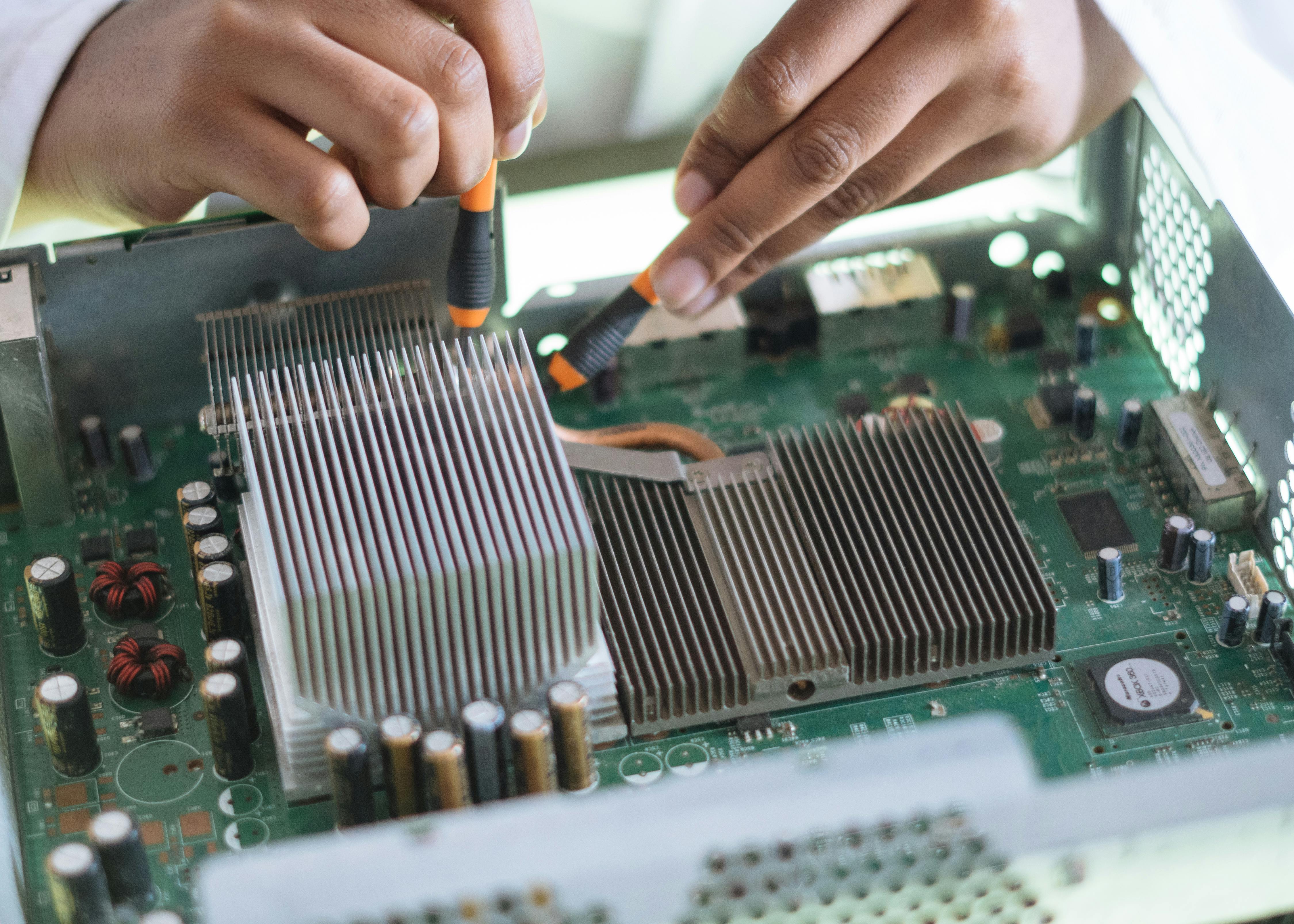
Community Repair and Maker Spaces
Repair cafés, maker spaces, and local electronics clubs host in-person sessions where volunteers help diagnose and fix broken items. These initiatives:
- Build technical literacy and confidence
- Reduce local e‑waste
- Generate grassroots political pressure for better repair policies
Tools of the Trade: Building a Right-to-Repair Toolkit
For consumers and professionals who want to participate in the repair ecosystem, having the right tools is essential. Fortunately, a wide range of high-quality, accessible equipment is available.
Essential Tools for Electronics Repair
- Precision screwdriver set (Phillips, Torx, Pentalobe, Tri‑point)
- Plastic spudgers and opening picks to avoid damaging housings
- ESD-safe tweezers and mats
- Head-mounted or desktop magnification
- Good lighting and organizational trays
Many right-to-repair advocates recommend reliable starter kits such as a precision screwdriver and spudger bundle. For example, products like the precision electronics repair toolkit with multiple bits and opening tools offer an accessible entry point for DIY repairs.
Advanced Equipment for Professionals
Independent repair shops often invest in:
- Hot-air rework stations for component removal
- Microsoldering stations and microscopes
- Ultrasonic cleaners for liquid-damaged boards
- Professional-grade diagnostic interfaces and test fixtures
Milestones: How Right-to-Repair Went Mainstream
Several high-visibility events have moved right-to-repair into mainstream tech and business coverage.
Key Milestones and Inflection Points
- Major Media Investigations
Sustained coverage by The Verge, TechCrunch, Ars Technica, and TechRadar documenting restrictive practices and consumer frustration. - High-Profile Laws and Executive Actions
State-level legislation and national policy statements explicitly endorsing competition in repair markets. - Corporate Self-Service Announcements
Highly publicized launches of self-service repair portals by leading smartphone and laptop vendors. - Farmer Lawsuits and Settlements
Legal challenges and settlements with major agricultural OEMs raising the profile of repair issues in business and agricultural media. - Viral Repair and Teardown Content
YouTube and TikTok videos exposing both the possibilities and the barriers of modern device repair to huge audiences.
Challenges: Where Right-to-Repair Still Falls Short
Despite major progress, significant obstacles remain before right-to-repair is a practical reality across product categories and regions.
Technical and Economic Hurdles
- High parts pricing — If OEM parts cost nearly as much as a new device, repair is economically irrational for many consumers.
- Limited model coverage — Newer devices might be supported, while slightly older models—still in wide use—remain functionally unrepairable.
- Design trade-offs — Extremely thin, water-resistant designs can conflict with easy disassembly and modularity.
Legal and Policy Gaps
- Inconsistent state and national rules create patchwork obligations.
- Absence of clear global standards simplifies compliance for restrictive players.
- Lobbying pressure can dilute bills with exemptions and delays.
Information Asymmetry
Even when parts and tools are technically available, the knowledge to perform complex repairs safely is still concentrated among a relatively small group of professionals and enthusiasts.
How Consumers and Businesses Can Engage with Right-to-Repair
Right-to-repair is not just something that happens in legislatures; everyday choices also matter.
For Consumers
- Favor products with high repairability scores and modular designs.
- Use official and reputable independent repair services rather than discarding devices.
- Support organizations and campaigns advocating for stronger repair laws.
- Safely back up data and reset devices to facilitate repair or resale.
For Businesses and IT Departments
- Include repairability requirements in procurement policies.
- Use device lifecycle management strategies that prioritize refurbishment and redeployment.
- Partner with certified repair providers to maintain security and compliance.
Enterprises can also consult technical white papers and guidance from standards bodies and NGOs to design sustainable, repair-friendly hardware fleets.
Conclusion: From Ownership to Stewardship
Right-to-repair has moved from a niche hacker concern to a central question about how societies manage technology, resources, and power. At stake is not only whether you can replace a cracked screen or a worn-out battery, but also:
- Who controls the data and functionality of the tools our lives depend on
- How much e‑waste and resource extraction our economies generate
- Whether innovation serves long-term resilience or short-term turnover
As laws evolve, corporate policies adapt, and citizens gain more repair literacy, the landscape will keep shifting. The long-term trajectory points toward devices designed for longevity, transparency, and user agency—but the pace and depth of that transition will depend on continued scrutiny, smart policy design, and practical tools that make repair not only possible, but attractive.
Additional Resources and Further Reading
To explore right-to-repair in more depth, consider:
- Watching in-depth teardown and repair videos on YouTube to understand device internals and common failure points.
- Reviewing policy analyses and white papers from consumer advocacy groups and environmental NGOs.
- Following conversations on professional platforms like LinkedIn to track how industry leaders are responding.
References / Sources
Selected sources and further reading:
- The Verge — Right-to-Repair coverage
- Ars Technica — Right-to-Repair tag
- TechCrunch — Right-to-Repair tag
- FTC — “Nixing the Fix” report on repair restrictions
- iFixit — Right-to-Repair overview
- TechRadar — Right-to-Repair news
- Wired — Right-to-Repair coverage
- Hacker News discussion threads on Right-to-Repair
