
Inside the AI Copyright Wars: How Music, Images, and Code Landed in Legal Crossfire
The “AI copyright wars” are no longer an abstract policy debate—they are active court battles, billion‑dollar licensing negotiations, and grassroots campaigns by artists, musicians, writers, and developers who see their work powering generative AI systems without clear consent or compensation. At the same time, AI labs argue that limiting access to training data could cripple innovation and lock advanced models behind the walls of a few well‑funded incumbents.
This article unpacks how these conflicts emerged, why music, images, and code are at the center of the storm, what technologies underpin AI training and detection, and how new regulations and industry standards could redefine creative work and software development in the age of generative AI.

Mission Overview: What Are the AI Copyright Wars About?
At the core of the AI copyright conflict lies a single question: Can AI models legally learn from copyrighted content at scale? To build state‑of‑the‑art systems like GPT‑class language models, diffusion image generators, music models, and code assistants, companies assemble vast datasets from:
- Public web pages and archives
- Streaming and download catalogs of music and audio
- Online art portfolios and stock image libraries
- Open and quasi‑open code repositories like GitHub
- Digitized books, articles, and news media
Rights holders argue that copying and processing these works for training is an unauthorized use that can lead to market substitution and the erosion of creative livelihoods. AI developers counter that they perform text‑and‑data mining (TDM)—an automated analysis that is transformative and, in many jurisdictions, potentially covered by doctrines such as:
- Fair use (e.g., in the United States)
- Specific text‑and‑data‑mining exceptions (e.g., in parts of the EU and UK)
- Implied licenses or platform terms that permit certain automated scraping
“We are watching copyright law being reinterpreted in real time for a world where machines can read everything at once.” — Pamela Samuelson, legal scholar in information law
Technology: How AI Training Data, Models, and Detection Work
Understanding the technology is crucial for grasping the legal arguments. Generative AI systems do not store perfect copies of training works the way a hard drive does. Instead, they build mathematical representations—high‑dimensional parameter spaces—that encode patterns such as melody contours, brushstroke textures, or programming idioms.
Training Pipelines and Data Scraping
Typical large‑scale training pipelines involve:
- Crawling and ingestion – Automated bots copy content from websites, repositories, and catalogs.
- Deduplication and filtering – Removing exact duplicates, toxic content, and low‑quality data.
- Tokenization and feature extraction – Converting text, audio, images, and code into numerical tokens or embeddings.
- Gradient‑based optimization – Repeatedly adjusting billions of parameters to minimize prediction error.
From a legal standpoint, controversy often starts at step 1: is it lawful to copy entire works into a training corpus without permission?
Model Architectures Affecting Copyright Risk
- Large Language Models (LLMs) can sometimes regenerate long passages verbatim, especially from over‑represented or memorized data.
- Diffusion image models generate pixels from noise guided by learned patterns, yet can still approximate distinctive styles or even signatures.
- Generative audio models can mimic vocal timbre and compositional style, raising questions beyond copyright, such as rights of publicity and voice likeness.
- Code models may output snippets close to licensed code, including GPL or other copyleft licenses.
Watermarking, Fingerprinting, and Content ID
In response to infringement claims, platforms and labels are expanding technical controls:
- Acoustic fingerprinting for music recognition and takedowns.
- Perceptual image hashing for identifying near‑duplicates of protected artwork.
- Invisible watermarks embedded into AI‑generated outputs to signal provenance.
- AI‑for‑AI detectors that attempt to classify whether a work is model‑generated.
“Detection and watermarking are not silver bullets, but they are part of a toolkit for aligning AI outputs with existing IP regimes.” — Patrick Leahy, policy analyst in tech law
Music: Voices, Styles, and Streaming Platforms Under Pressure
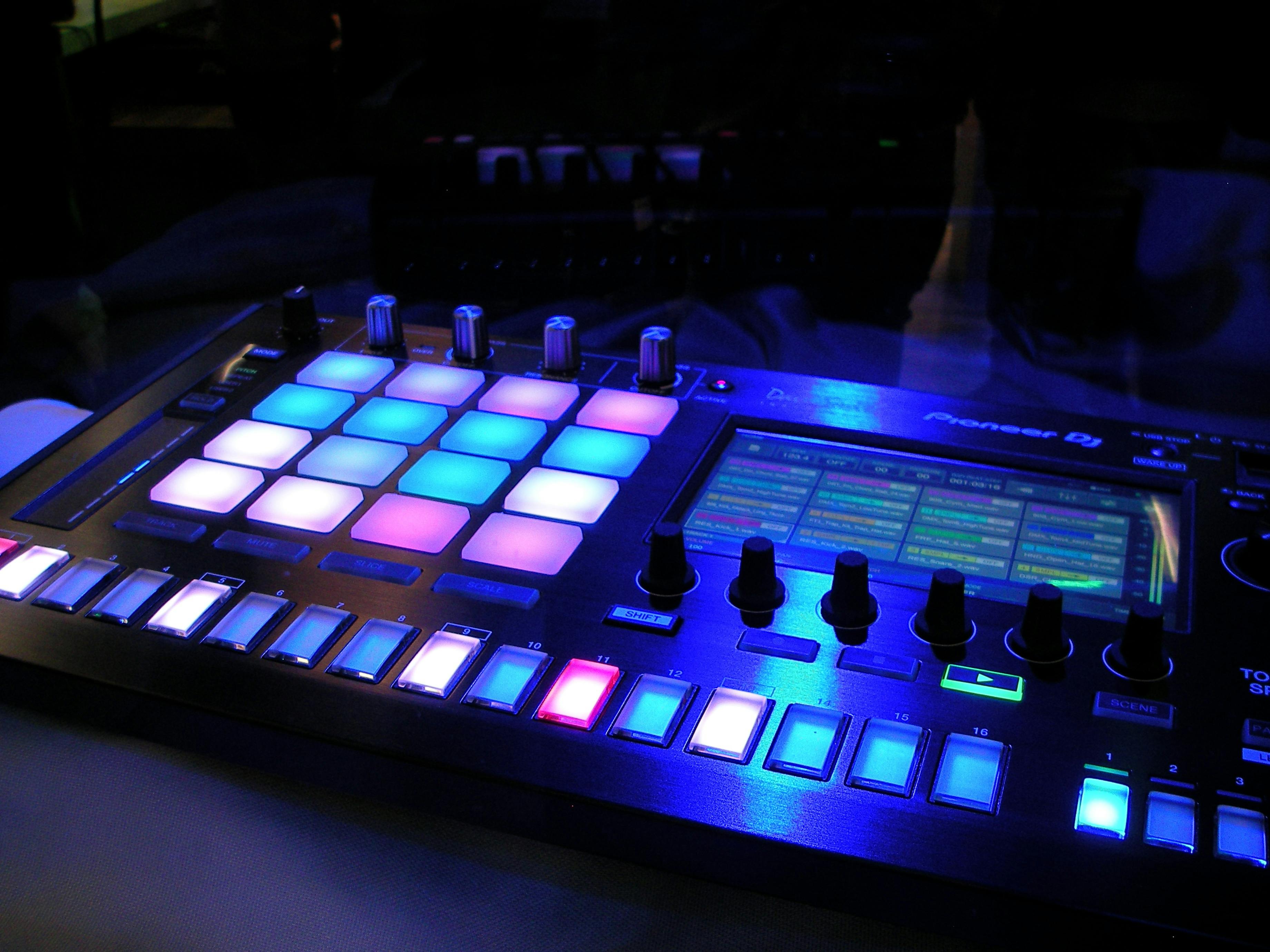
Music has become a frontline in the AI copyright wars because models can convincingly imitate both compositional style and individual vocal timbres. Viral tracks featuring AI‑cloned voices of chart‑topping artists have circulated on YouTube, TikTok, and Spotify, sometimes racking up millions of plays before takedown.
Key Legal and Ethical Questions in AI Music
- Does training on entire catalogs of recordings require explicit licenses?
- When an AI track imitates a famous artist’s voice, is that a copyright issue, a right‑of‑publicity issue, or both?
- Should streaming platforms host, label, or demonetize AI‑generated songs that mimic real artists?
- How should royalties be shared when AI systems are trained on millions of human‑created songs?
Major labels and collecting societies are pressuring platforms to deploy sophisticated detection and to negotiate broad training licenses. Some are exploring AI‑ready licenses and “synthetic artist” projects where labels sanction and monetize AI‑generated derivatives.
“Artists are not anti‑technology; we’re against having our life’s work ingested without consent, credit, or compensation.” — Statement by a coalition of recording artists organized via the Artist Rights Alliance
Practical Tools for Musicians
Musicians looking to understand these issues and protect their catalogs are increasingly turning to:
- Industry guidance from organizations such as the Recording Academy and artist unions.
- Metadata and fingerprinting services to track usage of their works.
- Licensing platforms that explicitly cover AI training and derivative outputs.
For creators building home studios, AI is also entering the production stack. Hardware such as the Universal Audio Apollo Twin audio interface enables high‑quality recording that can later be enhanced with AI mixing and mastering tools, while still keeping human artists in creative control.
Images and Art: Style Imitation, Datasets, and Artist Backlash
Visual artists have organized some of the most visible pushback against generative image models. Systems trained on web‑scraped portfolios, stock photography, and illustration archives can reproduce distinctive aesthetic signatures—sometimes even copying watermarks or signatures.

Dataset Curation and Consent
Dataset projects like LAION have come under scrutiny for including copyrighted images sourced from:
- Portfolio platforms and art communities
- Photography marketplaces
- Social media posts and fan art
In response, some platforms have introduced:
- Opt‑out flags (e.g., in
robots.txtor custom metadata) to signal “do not train.” - Opt‑in models where artists proactively license works for training under negotiated terms.
- Provenance metadata standards such as the Coalition for Content Provenance and Authenticity (C2PA) initiatives.
“At minimum, artists want three things: notice, choice, and a fair way to get paid if their work trains revenue‑generating models.” — Kate Darling, researcher in ethics of technology
Tools and Practices for Visual Creators
Artists are experimenting with multiple strategies:
- Adding training‑resistant noise patterns to images (though effectiveness is still debated).
- Using services that track where their images appear online.
- Joining class‑action lawsuits or advocacy groups pushing for statutory solutions.
Code: AI Assistants, Open Source Licenses, and Developer Concerns
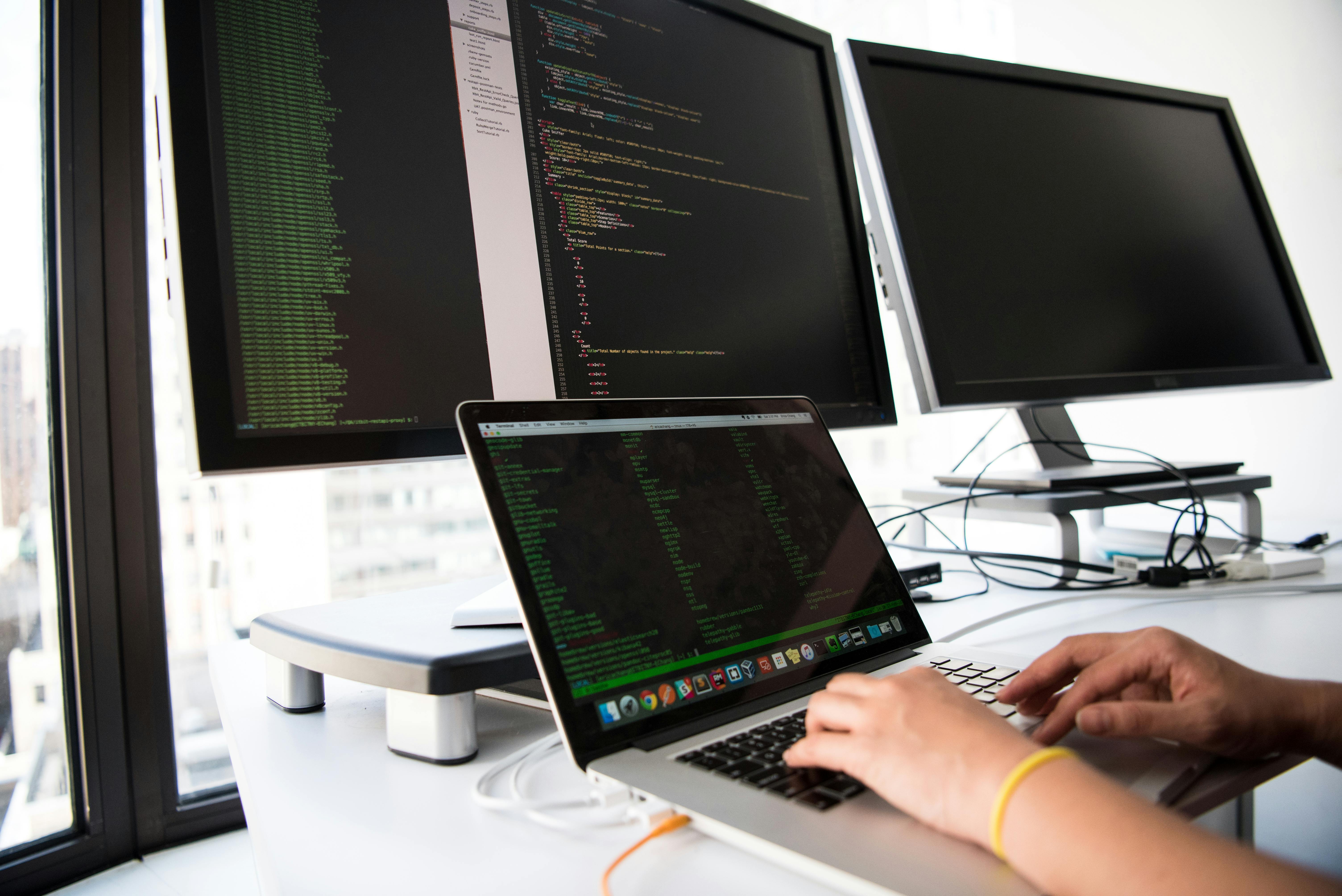
Software developers are engaged in a related but distinct fight. AI coding assistants trained on public repositories—from personal GitHub projects to flagship open‑source libraries—offer powerful productivity gains but raise questions about license compliance and attribution.
Core Issues for Code and AI
- License contamination: If an AI assistant suggests code that is substantially similar to GPL‑licensed snippets, does that impose copyleft obligations on the downstream project?
- Attribution: Should AI outputs carry links or metadata to the original repositories whose code patterns were learned?
- Security: Are AI‑generated suggestions more likely to introduce vulnerabilities copied from training data?
“Open source is not ‘ownerless’; it is governed by licenses that embody community norms and legal obligations.” — Nadia Eghbal, researcher on open‑source sustainability
Mitigation Strategies for Teams
Development teams are adopting policies such as:
- Disabling AI suggestions for sensitive or licensed portions of a codebase.
- Requiring manual review and refactoring of any large AI‑generated blocks.
- Documenting when AI assistance is used, akin to using third‑party snippets.
Good development hygiene is also supported by modern tooling. Mechanical keyboards like the Keychron K3 wireless mechanical keyboard help coders stay productive during long sessions, whether they’re writing code from scratch or carefully reviewing AI‑generated suggestions.
Regulatory Landscape: Transparency, Licensing, and Collective Rights
Governments and standards bodies worldwide are now deeply engaged with generative AI. While specifics vary by jurisdiction, several trends are emerging.
Transparency Obligations
Proposed rules in multiple regions consider requiring AI providers to:
- Disclose categories or representative lists of training data sources.
- Label AI‑generated content in consumer‑facing platforms.
- Provide tools for creators to query whether their works were included in training sets.
Opt‑Out and Opt‑In Registries
Policy discussions frequently reference:
- Opt‑out registries where creators can declare “do not train” preferences, potentially with legal force.
- Opt‑in collectives that pool rights so AI companies can license large catalogs in one negotiation.
- Sector‑specific structures, similar to music performance rights organizations, that could distribute AI training royalties.
Impact on Startups vs. Incumbents
A recurring concern is that heavy compliance and licensing burdens might entrench large incumbents that can afford:
- Comprehensive licenses from major labels and publishers
- Dedicated legal and policy teams
- Custom datasets assembled under closed terms
Policymakers are trying to balance creator protection with maintaining an innovative, competitive AI ecosystem, where universities, open‑source communities, and startups still have room to experiment.
Social Media and Public Opinion: Narratives, Misconceptions, and Activism
Social platforms have become the primary venue where creators and technologists argue about AI copyright in real time. Viral threads on X (Twitter), detailed explainers on YouTube, and long‑form posts on LinkedIn and Substack break down complex legal concepts into narratives that non‑lawyers can grasp.
Common Narratives
- “AI is theft” — a framing used by many artists and authors who see training as uncompensated mass copying.
- “Training is fair use” — the argument that reading data to learn patterns is no different from how humans study existing works.
- “Only big tech will win” — a concern that strict rules will cement power in a few large firms that can afford licenses.
Tech journalists at outlets like Wired, Ars Technica, and The Verge frequently act as mediators, translating legal filings and technical reports into accessible coverage that shapes public understanding.
On professional networks like LinkedIn, lawyers, engineers, and policy analysts share practical guidance for companies trying to deploy AI responsibly—ranging from model choice to contract clauses with vendors and data providers.
Scientific and Socioeconomic Significance
Beyond immediate legal risk, how society resolves AI copyright conflicts will profoundly shape the trajectory of science, culture, and the economy.
Incentives for Creativity and Innovation
- If training is too tightly constrained, small labs may be locked out of high‑quality data, slowing progress and concentrating power.
- If training is too loosely regulated, creators may see diminished returns, undermining the economic basis of professional art, journalism, and open‑source work.
A balanced framework could enable:
- Ongoing AI breakthroughs by allowing text‑and‑data mining on reasonable terms.
- Robust creative ecosystems through licensing schemes and revenue sharing.
- Trustworthy digital media via provenance standards and clear labeling of AI‑generated content.
“The goal is not to freeze culture in place, but to ensure that the transition to AI‑accelerated creation is fair and sustainable.” — Tim Hwang, author and technology policy researcher
Key Milestones in the AI Copyright Debate
The landscape is evolving quickly, but several recurring types of milestones have defined the public conversation:
Representative Milestone Categories
- High‑profile lawsuits by authors, visual artists, coders, and record labels against AI firms.
- Platform policy updates where streaming or social platforms clarify rules for AI‑generated content, labeling, and monetization.
- Government initiatives such as AI white papers, draft regulations, and hearings featuring creators and technologists.
- Industry alliances including “safe AI” and “responsible AI” coalitions that publish voluntary commitments on data use and provenance.
For ongoing coverage and timelines, tech policy outlets like The Verge’s tech policy section and Wired’s AI tag provide regularly updated reporting.
Challenges: Legal Uncertainty, Technical Limits, and Power Imbalances
Even as courts and regulators move, several hard challenges remain unresolved.
Legal and Jurisdictional Fragmentation
- Different fair use and TDM rules mean that an AI system might be lawful to train in one country but infringing in another.
- Global models, local laws: Models are often trained across data centers and user bases that span multiple legal regimes.
- Precedent is still emerging as few cases have reached definitive, high‑court rulings.
Technical and Operational Limitations
- It is difficult to fully remove specific works from a trained model without degrading overall performance.
- Watermarks and detectors can be circumvented or yield false positives/negatives.
- Auditing massive training corpora for rights status is operationally complex and expensive.
Economic and Power Dynamics
There is a risk that large technology and media companies will:
- Secure exclusive, long‑term licenses for major catalogs.
- Use proprietary models and datasets as competitive moats.
- Set de facto standards that smaller players must follow without meaningful input.
Conclusion: Toward a Fair, Transparent, and Innovative AI Future
The AI copyright wars are ultimately about how society values human creativity and shared knowledge in an era where machines can learn from everything we publish. Neither extreme—unfettered scraping with no compensation, nor impossibly strict licensing that only giants can navigate—will produce a healthy ecosystem.
A sustainable path forward is likely to include:
- Clear legal standards for when training is permitted, when licenses are required, and how damages are calculated.
- Collective licensing and registries that make it feasible to pay large numbers of creators.
- Technical safeguards such as provenance metadata, labeling, and robust opt‑out mechanisms.
- Cultural norms that respect creators’ autonomy, credit, and livelihoods while still embracing AI as a powerful tool.
For individuals—whether you are a musician, artist, developer, or policy professional—the most important steps today are to stay informed, understand your rights, and participate in shaping the norms and regulations that will govern AI for decades to come.
Practical Resources and Further Learning
To dive deeper into both the technical and legal dimensions of AI and copyright, consider:
- Berkman Klein Center for Internet & Society – research on digital rights and AI.
- Electronic Frontier Foundation (EFF) – commentary on artists’ rights and AI.
- YouTube explainers on AI copyright law from technology lawyers and academics.
- Professional newsletters by tech law experts on Substack and LinkedIn, which track each new lawsuit and policy proposal.
For readers who want a compact, accessible overview of the broader implications of AI on work and society, books like “The Future of Work: Robots, AI, and Automation” offer context that complements the fast‑moving legal and policy coverage.
References / Sources
Selected reporting, analysis, and resources:
