
Why the Mediterranean Diet Is Back: Blue Zones, Brain Health & Delicious Longevity Eating
The Mediterranean Diet Rebranded: Longevity, Brain Health, and Blue Zone Eating
The Mediterranean and Mediterranean‑style “Blue Zone” diets are having a vibrant comeback as people look beyond quick fixes and toward ways of eating that protect heart health, brain function, and energy over decades—not weeks. From streaming documentaries to TikTok meal-prep videos, Mediterranean eating is being reimagined as a colorful, plant-forward lifestyle that feels both deeply traditional and wonderfully modern.
At its heart, this pattern is delightfully simple: generous vegetables and fruits, legumes like chickpeas and lentils, whole grains, nuts, seeds, herbs, and plenty of extra‑virgin olive oil, with modest amounts of fish and dairy, and very little red or processed meat. It’s food that looks gorgeous on the plate, fills your kitchen with the fragrance of garlic and olive oil, and leaves you feeling comfortably satisfied instead of weighed down.
Why the Mediterranean Diet Is Trending Again
The Mediterranean diet is hardly new. Generations along the coasts of Italy, Greece, Spain, and beyond have been eating this way for centuries. What is new is the wave of interest fueled by Blue Zone storytelling—those regions of the world where people routinely live into their 90s and 100s with remarkable vitality.
Documentaries, bestselling books, and social media deep-dives into places like Sardinia and Ikaria have turned everyday habits—like simmering beans with olive oil and herbs or sharing leisurely family meals—into global inspiration. Many of these regions aren’t strictly “Mediterranean” geographically, but they lean on the same core principles: abundant plants, olive‑oil‑rich cooking, simple home-style dishes, and minimal industrial processing.
Online, this has translated into approachable themes like:
- Mediterranean diet meal prep for the week
- Mediterranean breakfast ideas for brain health
- “What I eat in a day” videos focused on longevity and flexibility
Instead of rigid calorie counting, the emphasis is on real, minimally processed ingredients that you can mix and match to suit your tastes, culture, and budget.
Blue Zones and Mediterranean-Style Eating
Blue Zones—from Okinawa in Japan to Nicoya in Costa Rica—are not identical in flavor, but many echo Mediterranean principles. Plates are built around plants, with animal products playing a smaller supporting role. Meals are unhurried, shared with others, and deeply rooted in local traditions.
Common threads you’ll see:
- Plants at the center: Beans, lentils, seasonal vegetables, and fruits form the backbone of most meals.
- Healthy fats: Olive oil or similar unrefined fats are used for cooking, drizzling, and dressings.
- Minimal red and processed meat: Meat is more of a flavor accent than a main attraction.
- Whole grains: Barley, oats, whole wheat, and traditional breads, often fermented or minimally refined.

The Science: Longevity, Heart Health, and Brain Protection
One reason the Mediterranean diet keeps returning to the spotlight is sheer consistency in the research. Large population studies and clinical trials have linked Mediterranean-style patterns with:
- Lower risk of cardiovascular disease and stroke
- Improved markers related to type 2 diabetes
- Reduced risk of certain cancers
- Better metabolic health and weight stability over time
In recent years, brain health has become a major focus. The MIND diet—a hybrid of the Mediterranean and DASH diets—has been associated with slower cognitive aging and reduced Alzheimer’s risk when followed consistently. Key brain-loving foods include leafy greens, berries, nuts, olive oil, beans, and fish.

For many middle‑aged and older adults, this evidence is shifting priorities away from rapid weight loss and toward preserving memory, mobility, and independence. The Mediterranean diet aligns beautifully with that long view: rich in fiber, healthy fats, and antioxidants, and low in ultra‑processed additives that can drive inflammation.
Flexible, Enjoyable, and Far From Restrictive
One of the Mediterranean diet’s biggest strengths is how doable it feels. There is room for bread, pasta, and even a modest glass of wine, especially when they’re part of a broader pattern that prioritizes plants and minimally processed foods. You don’t have to give up pleasure to eat for longevity—if anything, the pleasure is the point.
On Instagram and TikTok, everyday Mediterranean meals often look like:
- Simple bean stews scented with garlic, bay, and olive oil
- Grilled or baked fish with roasted vegetables and lemon
- Yogurt bowls topped with fruit, nuts, and a drizzle of honey
- Chunky salads with tomatoes, cucumbers, olives, herbs, and feta
A Blue Zone-Inspired Mediterranean Chickpea Bowl
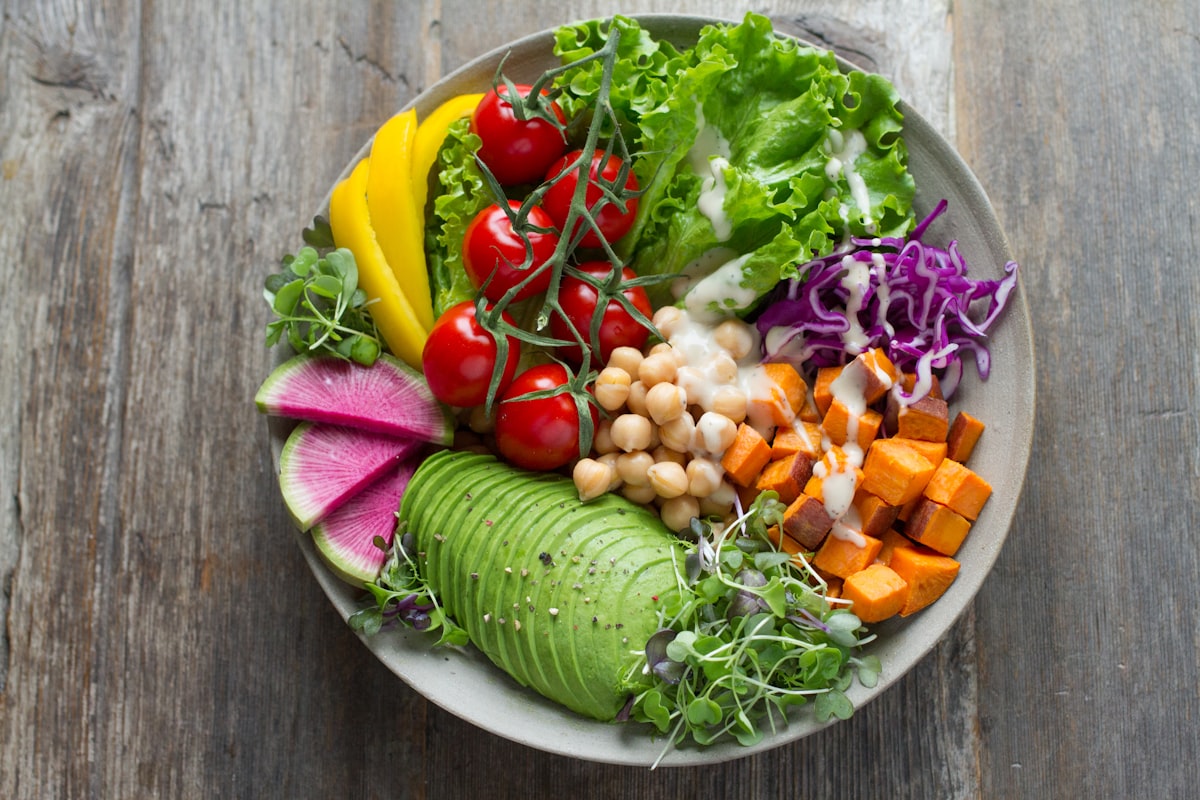
To bring all of these ideas into your kitchen, here is an easy, deeply satisfying recipe: a Mediterranean chickpea & olive oil bowl. It’s cozy enough for a weeknight dinner yet bright and fresh enough for a desk-friendly lunch. Every bite gives you creamy chickpeas, crunchy vegetables, silky olive oil, and a lift of citrus and herbs—exactly the kind of everyday meal that supports long-term heart and brain health.
Equipment You’ll Need
- Medium saucepan (for grains, if cooking from dry)
- Colander or sieve (to rinse chickpeas)
- Cutting board and chef’s knife
- Large mixing bowl
- Small jar or bowl for dressing
- Serving bowls
Ingredients
For the bowl:
- 1 cup cooked whole grains (farro, barley, or brown rice; about 150 g)
- 1 can (15 oz / 400 g) chickpeas, drained and rinsed
- 1 small cucumber, diced
- 1 cup cherry tomatoes, halved
- 1/4 small red onion, thinly sliced
- 1/4 cup Kalamata or other black olives, pitted and sliced
- 1/4 cup crumbled feta cheese (optional; use a vegan feta if desired)
- 2 cups mixed leafy greens (arugula, spinach, or romaine)
- 2 tablespoons chopped fresh parsley or basil
For the olive oil–lemon dressing:
- 3 tablespoons extra‑virgin olive oil
- 2 tablespoons fresh lemon juice
- 1 small garlic clove, finely minced or grated
- 1/2 teaspoon dried oregano
- 1/4 teaspoon sea salt, or to taste
- Freshly ground black pepper, to taste
Step-by-Step Instructions
Prepare the grains. If you’re cooking grains from dry, follow package instructions until tender, then fluff with a fork and let them cool slightly. Warm or room-temperature grains both work beautifully.
Choose your favorite whole grain base: farro, barley, or brown rice add fiber and a satisfying chew. Prep the vegetables and chickpeas. Rinse and drain the chickpeas well. Dice the cucumber, halve the cherry tomatoes, thinly slice the red onion, and chop the herbs.
Color is your cue: the more shades of green, red, and purple you use, the wider your nutrient spectrum. Make the dressing. In a small jar or bowl, whisk together the olive oil, lemon juice, minced garlic, oregano, salt, and black pepper until emulsified and fragrant.
Toss the chickpeas and vegetables. In a large mixing bowl, combine the chickpeas, cucumber, tomatoes, red onion, olives, and herbs. Spoon over about two‑thirds of the dressing and toss gently until everything is glossy and well coated.
Assemble the bowls. Divide the greens and warm grains between two serving bowls. Top each with a generous scoop of the chickpea mixture, then sprinkle with feta if using. Drizzle with the remaining dressing.
Layer greens, grains, and chickpeas so every forkful has a mix of textures and flavors. Taste and adjust. Finish with an extra squeeze of lemon or a pinch of salt if needed. Serve right away, or let the flavors mingle in the fridge for 15–20 minutes for an even more “marinated” feel.

Storage and Reheating
- Fridge: The dressed chickpea and vegetable mixture keeps well in an airtight container in the refrigerator for up to 3 days.
- Greens: Store greens separately and add just before serving so they stay crisp.
- Grains: Cooked grains can be refrigerated for up to 4 days. Reheat gently in a pan with a splash of water or in the microwave until just warm.
- Serving leftovers: This bowl is delicious cold, at room temperature, or with the grains slightly warm under the chilled chickpea salad.
Serving Ideas and Mediterranean Pairings
To turn this into a full Mediterranean-style meal, try pairing your chickpea bowl with:
- A simple green salad with extra‑virgin olive oil and vinegar
- Thick yogurt with fresh fruit and a sprinkle of nuts for dessert
- A small slice of whole-grain or sourdough bread
- Sparkling water with lemon or, if appropriate for you, a modest glass of red wine enjoyed with food
These kinds of combinations echo how people in Mediterranean regions eat every day: modest portions, lots of plants, and deeply satisfying flavors that make this way of eating easy to stick with for life.
Bringing Mediterranean & Blue Zone Principles into Your Kitchen
You don’t need a plane ticket to Sardinia or a complete pantry overhaul to start eating in a more Mediterranean, Blue Zone-inspired way. Begin with a few small, delicious shifts:
- Swap butter for extra‑virgin olive oil in most of your everyday cooking.
- Add at least one serving of beans or lentils to your day—soups, salads, or bowls.
- Make half your plate vegetables at lunch or dinner, aiming for at least two colors.
- Choose whole grains over refined ones most of the time.
- Save red and processed meats for occasional meals rather than daily staples.
Over time, these habits add up to a pattern that mirrors what you see in Mediterranean regions and Blue Zones worldwide: food that’s joyful, deeply nourishing, and strongly linked to longer, healthier lives.
“The beauty of Mediterranean-style eating is that it’s less about perfection and more about patterns—about what you eat most of the time, in the company of people you love.”
Whether you’re meal-prepping for a busy week, cooking for family, or just making a solo lunch bowl, you can lean on these Mediterranean principles as a friendly, flexible guide. Let the colors on your plate, the aroma of warm olive oil and garlic, and the crunch of fresh vegetables remind you: long-term health can taste wonderful.
