
Gut Health 2.0: Flavor-Packed Fermented Foods and Fiber-Rich Recipes for a Happier Microbiome
Gut Health 2.0: From Probiotic Pills to Colorful, Fiber-Rich Plates
Gut health has grown up. Instead of quick-fix probiotic pills and “detox” teas, today’s Gut Health 2.0 movement is all about real food: tangy fermented vegetables, creamy cultured dairy or plant yogurts, fizzy kombucha, and hearty bowls packed with diverse plant fibers. Creators, dietitians, and microbiome researchers are now highlighting how fermented foods and prebiotic fibers can nourish your microbiome—the bustling community of microbes in your digestive tract—while supporting mood, immunity, and long-term health.
In this article, we’ll explore how gut-health content has shifted toward food-based, science-informed strategies, and then we’ll tie it all together with a warm, savory Fermented Veggie & Prebiotic Power Bowl recipe. It’s designed to be weeknight-friendly, deeply satisfying, and gently supportive of your gut—no extreme cleanses required.
The New Gut Health Trend: Microbiome-Friendly, Not Fear-Based
On TikTok and Instagram, short “heal your gut” clips now spotlight bowls of kimchi, jars of sauerkraut, swirls of kefir, and clinking kombucha bottles instead of mystery powders. Fermented foods are celebrated as natural sources of live cultures that can help diversify your gut microbiota.
Alongside this, there’s a rising love for prebiotic fibers—the special carbohydrates that survive your digestion and become dinner for your “good” gut bugs. You’ll hear phrases like “feed your gut bugs” used to explain why eating plenty of:
- Onions, garlic, leeks, and asparagus
- Green (slightly underripe) bananas
- Oats, barley, and other whole grains
- Legumes like lentils and chickpeas
- Chicory root and other high-inulin vegetables
can be a gift to your microbiome. Meanwhile, YouTube and podcasts are full of deep-dive conversations with microbiome scientists and gastroenterologists about how what we eat shapes microbial diversity, irritable bowel syndrome (IBS), inflammatory bowel disease (IBD), and even anxiety and depression through the gut–brain axis.
Fermented Foods, Prebiotics, and the Gut–Brain Axis
The current wave of gut-health content is more science-driven than ever. While the research is still evolving, several themes show up consistently across expert interviews and reviews:
- Fermented foods may support microbial diversity. Traditional foods like kimchi, miso, tempeh, kefir, yogurt, and kombucha contain live microbes and fermentation by-products (like organic acids) that can interact with our gut ecosystem.
- Prebiotic fibers “feed” beneficial microbes. Fibers and resistant starches from onions, leeks, oats, legumes, and cooled cooked grains help certain gut bacteria thrive and produce helpful compounds like short-chain fatty acids.
- The gut–brain axis links digestion and mood. Signals travel between your gut and your brain via nerves, immune messengers, and microbial metabolites. A calmer gut and a more stable microbiome may be one piece of the puzzle for better stress resilience and mood in some people.
- Quality and pattern matter more than fads. Long-term dietary patterns rich in plants and minimally processed foods, plus restorative sleep, stress management, and regular movement, tend to be more impactful than any single “gut hack.”
“Diversity on your plate often means diversity in your gut.”
There’s also growing skepticism toward overblown promises. Many reputable professionals on social media now push back against extreme cleanses, laxative “detox” teas, and unvalidated microbiome tests. Instead, they emphasize gradual fiber increases, realistic fermented food portions, and personalized care—especially if IBS, IBD, or SIBO are involved.
A Cozy Microbiome-Friendly Meal: Fermented Veggie & Prebiotic Power Bowl
Let’s bring all this to your table with an inviting, customizable bowl that layers gently tangy fermented vegetables over warm whole grains, sweet-roasted prebiotic-rich alliums, and creamy yogurt or tahini sauce. Think: a playful cross between a grain bowl and a modern bibimbap, with a nod to classic kimchi bowls.
This bowl celebrates:
- Fermented foods – kimchi or sauerkraut for a lively, tangy crunch
- Prebiotic fibers – onions, garlic, leeks, chickpeas, and oats or barley
- Plant diversity – herbs, seeds, and colorful vegetables
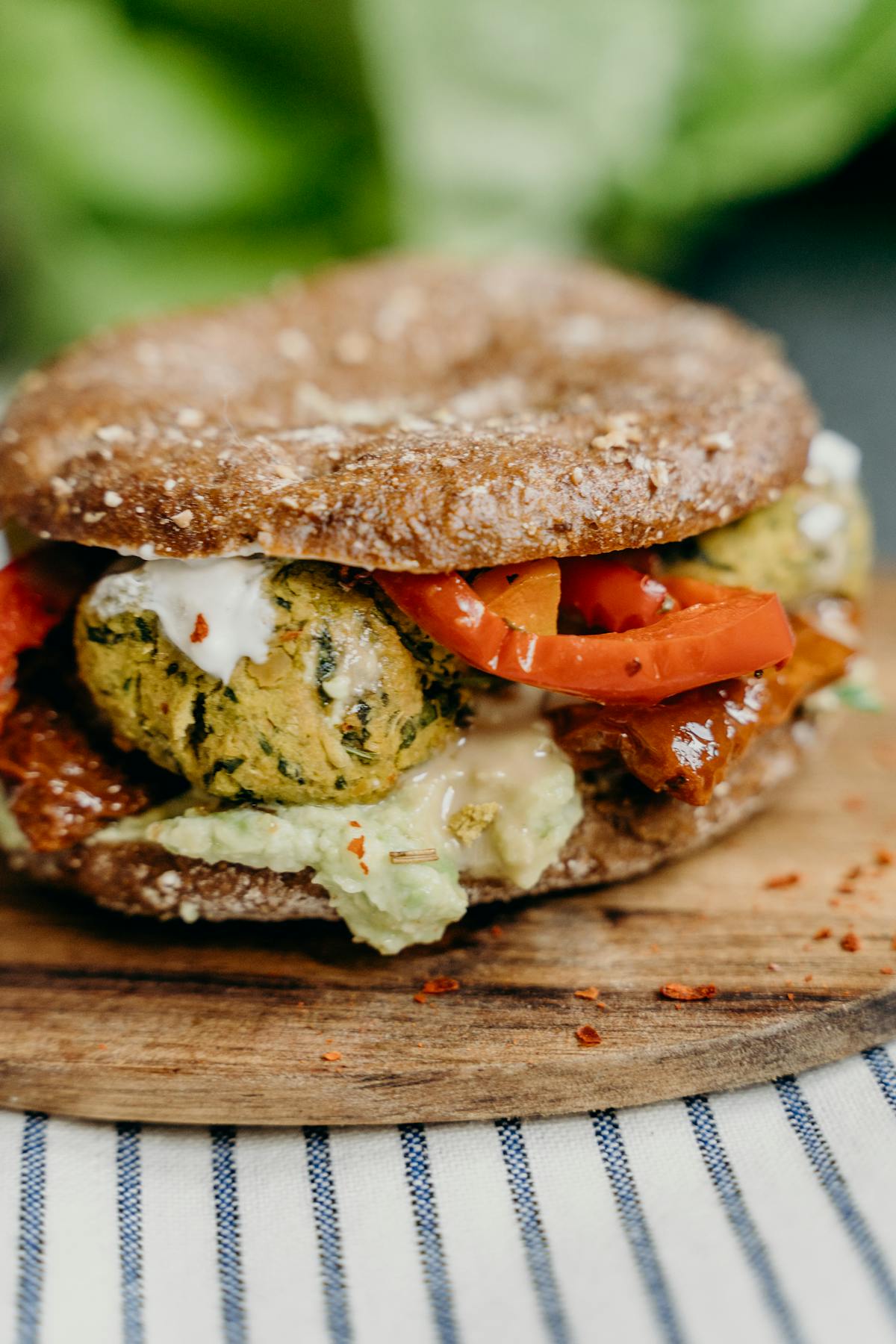
Recipe Summary: Fermented Veggie & Prebiotic Power Bowl
Prep Time: 20 minutes
Cook Time: 25–30 minutes
Total Time: 45–50 minutes
Servings: 2 generous bowls (or 3 lighter)
Difficulty: Easy – great for weeknights
Diet: Vegetarian, easily vegan; high-fiber, microbiome-friendly
Equipment You’ll Need
- Medium saucepan with lid (for grains)
- Large baking sheet (for roasting vegetables and chickpeas)
- Mixing bowl
- Small jar or bowl (for sauce)
- Sharp knife and cutting board
- Measuring cups and spoons
Ingredients: Fermented Veggie & Prebiotic Power Bowl
For the Grain Base
- 1/2 cup (100 g) dry oats, barley, or brown rice (choose one; oats and barley add extra prebiotic fiber)
- 1 cup (240 ml) water or low-sodium broth, plus more as needed
- 1/4 teaspoon fine sea salt (optional, adjust if using broth)
For the Roasted Prebiotic Veg & Chickpeas
- 1 medium red onion, sliced into wedges
- 1 medium leek, white and light green parts only, thoroughly rinsed and sliced into 1 cm half-moons
- 3–4 cloves garlic, smashed (leave whole to mellow the flavor)
- 1 cup (about 160 g) cooked chickpeas, drained and rinsed if canned
- 1 tablespoon extra-virgin olive oil
- 1/2 teaspoon ground cumin
- 1/2 teaspoon smoked paprika (or sweet paprika)
- 1/4 teaspoon fine sea salt, plus black pepper to taste
For the Fermented Toppings
- 1/2–3/4 cup (about 80–120 g) kimchi or sauerkraut (choose a live-culture product from the fridge section)
- 2 tablespoons fermented pickles or other fermented vegetables (optional, for extra crunch)
For the Creamy Gut-Friendly Sauce
- 1/2 cup (120 g) plain yogurt (dairy or unsweetened plant-based; look for live cultures)
- 1 tablespoon tahini or smooth nut butter
- 1 tablespoon lemon juice or apple cider vinegar
- 1 teaspoon extra-virgin olive oil (optional, for richness)
- 1 small garlic clove, finely grated or minced (optional; omit if sensitive)
- Pinch of salt and black pepper, to taste
To Finish the Bowls
- Large handful of mixed greens (baby spinach, arugula, or salad mix)
- 2 tablespoons fresh herbs, chopped (parsley, cilantro, or chives)
- 1–2 tablespoons toasted seeds (pumpkin, sunflower, or sesame) for crunch
- 1 small green banana, very thinly sliced (optional, adds resistant starch; use just a few slices per bowl)
Step-by-Step Instructions

- Cook the grain base.
Rinse your chosen grain under cool water. In a medium saucepan, combine the grain, water or broth, and salt. Bring to a gentle boil, then reduce to a simmer, cover, and cook until tender:- Oats: 10–15 minutes
- Barley: 25–30 minutes
- Brown rice: 30–40 minutes (add a splash more water if needed)
- Prep and roast the prebiotic vegetables & chickpeas.
Preheat your oven to 200°C (400°F). On a large baking sheet, combine onion wedges, sliced leeks, smashed garlic, and chickpeas. Drizzle with olive oil, then sprinkle on cumin, smoked paprika, salt, and pepper. Toss to coat in a light, glossy sheen.
Spread everything out in a single layer and roast for 20–25 minutes, stirring once halfway through, until the onions are caramelized at the edges and the chickpeas are golden and lightly crisp. - Mix the creamy gut-friendly sauce.
While the veg roasts, whisk together yogurt, tahini, lemon juice or vinegar, olive oil, and garlic (if using) in a small bowl or jar. Season with a pinch of salt and pepper. Taste—you’re looking for a balance of tangy, creamy, and just slightly nutty. Thin with 1–2 teaspoons of water if you’d like a drizzle-able consistency. - Prep the fresh and fermented toppings.
Roughly chop the kimchi or sauerkraut into bite-sized pieces if needed. Rinse and dry your greens. Chop herbs, slice the green banana (if using), and toast seeds in a dry skillet over medium heat for 2–3 minutes, until fragrant and just starting to pop. - Assemble your Gut Health 2.0 bowls.
Divide the warm grains between 2–3 bowls, creating a cozy base. Spoon the roasted onions, leeks, garlic, and chickpeas over the top. Add a generous handful of greens to each bowl so they gently wilt against the heat. Nestle in small mounds of kimchi or sauerkraut and any additional fermented vegetables.
Drizzle each bowl with the creamy sauce, then finish with herbs, toasted seeds, and a few slices of green banana if you’re including it. - Taste, adjust, and enjoy slowly.
Take a small bite that includes a little of everything—grain, roasted veg, fermented topping, and sauce. Adjust salt, lemon, or sauce to your liking. Eat leisurely and notice how the acidity, creaminess, and gentle sweetness play together. This is comfort food with a quietly scientific edge.
Tips, Variations, and Dietary Adaptations
You can also play with the flavor profile:
- Spicy upgrade: Add a drizzle of chili oil or sprinkle of gochugaru (Korean chili flakes) over the finished bowl.
- Protein boost: Top with a soft-boiled egg, marinated tofu, or tempeh for extra protein and, in tempeh’s case, additional fermentation.
- Extra crunch: Add shaved raw fennel, red cabbage, or thinly sliced radish for a crisp bite.
Remember: there’s no single “perfect” gut-health bowl. The real magic is in regularly rotating your ingredients—different grains, beans, veggies, and ferments—to keep your microbiome curious and well-fed.
Storage, Meal Prep, and Reheating
This recipe is fantastic for gentle meal prep, but fermented foods need a little special handling.
- Grains & roasted veg: Store together or separately in airtight containers in the fridge for up to 4 days.
- Fermented toppings: Keep kimchi, sauerkraut, and fermented pickles in their own closed jars in the fridge. They’re happiest cold and can lose some beneficial microbes with high heat.
- Sauce: The yogurt-tahini sauce keeps well in the fridge for 3–4 days. Stir before using; thin with a splash of water if it thickens.
Reheating: Warm the grains and roasted vegetables gently in a skillet over low-medium heat with a splash of water or broth, or in the microwave until just hot. Then add your cold fermented toppings and sauce right before serving to preserve their texture and live cultures.
Serving Ideas and Complementary Dishes
This fermented, fiber-rich bowl is a complete meal on its own, but you can build it into a larger gut-friendly spread:
- Start with a small miso soup or clear vegetable broth for extra warmth and umami.
- Serve alongside a simple citrus salad with oranges, fennel, and olive oil for bright contrast and extra plant diversity.
- Pair with a small glass of unsweetened kombucha or water infused with cucumber and mint for a refreshing drink.
Think of this not as a strict “gut-healing protocol” but as one delicious example of how to bring the Gut Health 2.0 philosophy into your everyday cooking: lots of plants, a splash of fermentation, and plenty of pleasure in every bite.
A Gentle Reminder
While fermented foods and prebiotic fibers can be part of a supportive, microbiome-friendly diet, every gut is unique. If you live with IBS, IBD, SIBO, or other digestive conditions, it’s wise to work with a registered dietitian or healthcare provider to personalize your approach and avoid unnecessarily restrictive diets.
Use this bowl as inspiration—not a rulebook—and let your body’s feedback guide you bite by bite.
