
Why For All Mankind’s Time Jump to the 2010s Isn’t Quite a Giant Leap
For All Mankind’s Awkward Launch into the 2010s
By the time For All Mankind hits the 2010s, its characters have logged more time jumps than spacewalks. The Apple TV+ alt-history epic has always treated decades like stepping stones, but as The A.V. Club notes in its latest review, this new season’s leap forward exposes the limits of that strategy: the show’s bold chronicle of a different space race now risks feeling emotionally airless, even as the rockets get bigger and the timelines denser.
This piece unpacks why that transition is proving so bumpy—how the series’ structural gambles affect its characters, what it gets right (and wrong) about the 2010s, and why even a struggling For All Mankind is still more ambitious than most sci-fi on TV.

From Moonshots to Mars: How the Show’s Time Jumps Became a Double-Edged Sword
The A.V. Club points out something longtime viewers have quietly felt: For All Mankind asked its protagonists to grow up faster than any other prestige drama on air. Each season’s decade jump has been both a narrative flex and a narrative gamble.
- Season 1: Early 1970s, an extended Apollo era reshaped by a lost Moon race.
- Season 2: The 1980s, Cold War tensions boiling over on the lunar surface.
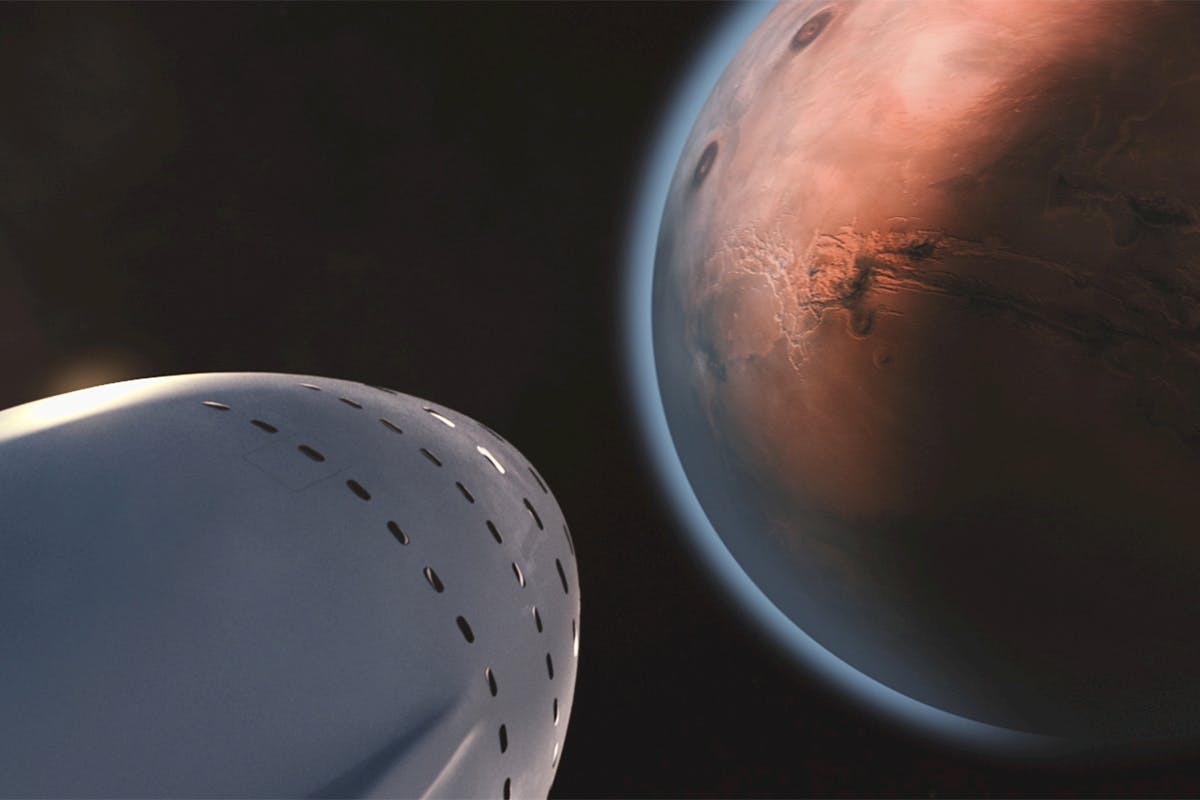
- Season 3: The 1990s, a three-way space race pushing humanity toward Mars.
- 2010s season: A mature Martian foothold, privatized space, and a world that looks uncomfortably close to ours.
Earlier jumps worked because they had clear “what if?” hooks—alternate Apollo, guns on the Moon, rival missions to Mars. By the 2010s, that alt-history sheen dulls. The A.V. Club argues that instead of another radical reinvention, the show has to contend with a decade viewers actually remember, complete with smartphones, social media, and the late stages of neoliberal capitalism. The speculative distance shrinks, and the series starts to look like a slightly tweaked version of the world we already know.
The show’s decade-hopping design once made it feel thrillingly expansive. Now, as it hits the 2010s, those same jumps risk turning rich character arcs into footnotes.
Aging Astronauts, Frozen Emotions: Character Work in the 2010s
One of the A.V. Club’s core critiques is that the time leap leaves the show’s emotional continuity bruised. Characters like Ed Baldwin, Danielle Poole, and Aleida Rosales have now spanned four decades of screen time, but not four decades of depth.
Ed, played with granite weariness by Joel Kinnaman, remains the show’s spine. Yet each time jump skips past the messy, in-between years that would explain how he became the man we now see in the 2010s—a veteran of multiple space eras, haunted by losses we mostly hear about, not feel.
- Ed Baldwin: Turns into the franchise’s grizzled legend, but his regrets accumulate off-screen.
- Danielle Poole: Breaks ceiling after ceiling, though her inner life sometimes feels like a montage.
- Aleida Rosales: Carries the immigrant, working-class NASA dream, but the leaps often compress her struggles.
The A.V. Club isn’t saying these characters are bad; they’re saying the show no longer gives them room to breathe. Big life events—marriages, deaths, political shifts—are now expository checkpoints, not dramatic showcases. When you’re aging your leads by 10 years off-screen at a time, midlife crises turn into throwaway lines.
Does For All Mankind Really Feel Like the 2010s?
One of the fun games with any alt-history show is spotting the divergence points. The 2010s, though, are a tricky decade to remix. We’re close enough to remember the aesthetics and politics, but far enough to mythologize them. The A.V. Club suggests the series often falls into a slightly airbrushed version of the decade.
- Tech & social media: The world is more connected, but the show rarely dives into how always-online culture reshapes fame, politics, or NASA’s public image.
- Global crises: Economic shocks, climate anxieties, and populist backlashes exist largely as background static, not story engines.
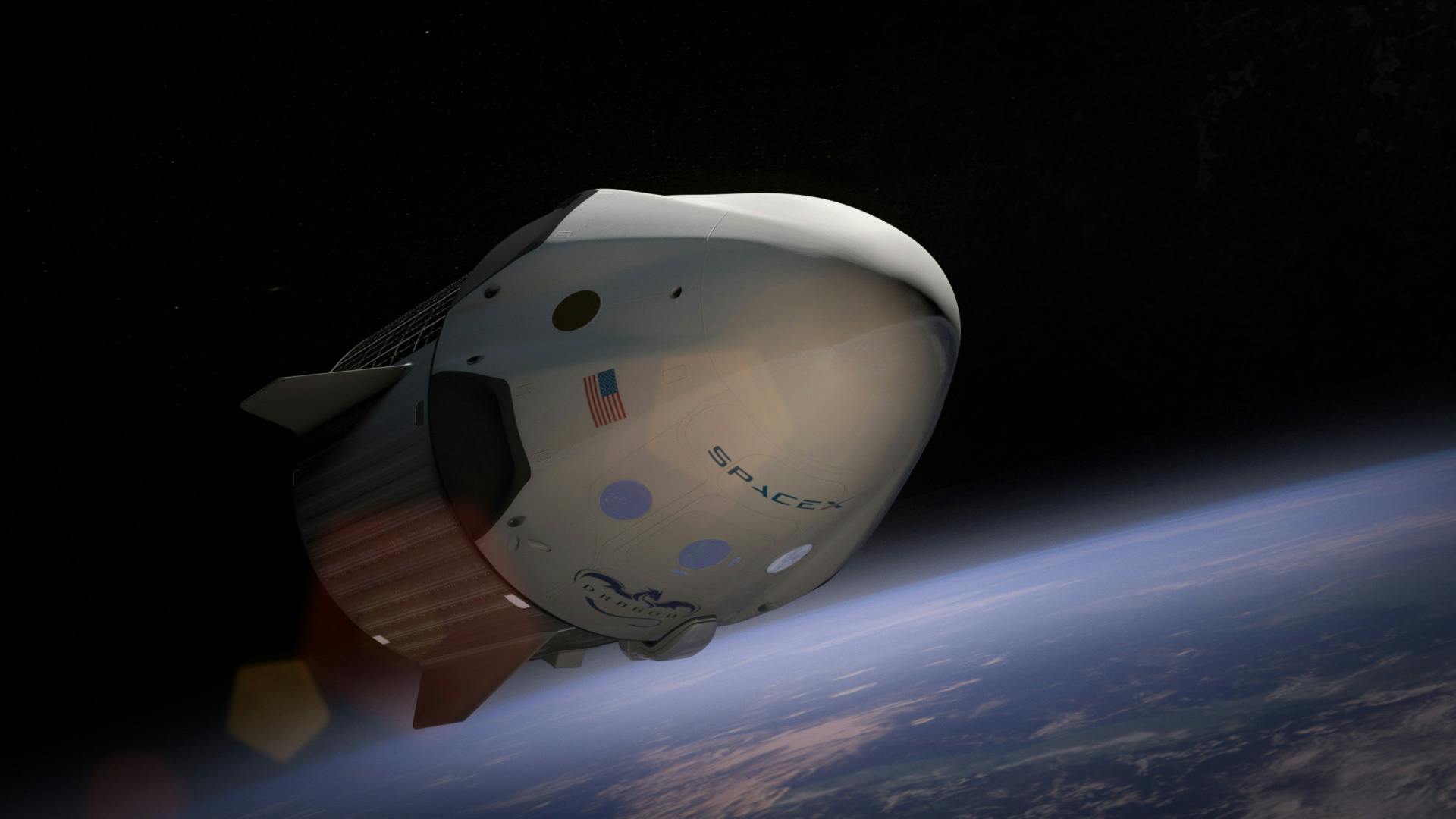
- Space commercialism: Private industry steps in, echoing SpaceX and Blue Origin, but the series only partially interrogates the ethics of that shift.
That last point is particularly 2010s: our own timeline turned tech billionaires into self-styled space visionaries, and For All Mankind clearly wants to engage with that. The A.V. Club’s frustration is that the show treats these dynamics as color rather than conflict—cool new logos and launch pads, without fully wrestling with what it means when exploration is driven by shareholders and personal vanity.
As the show reaches an era its viewers actually lived through, its once-wild alternate timeline feels more like a light remix than a daring reimagining.
The Prestige Sci-Fi Problem: Ambition vs. Attachment
Zoom out from NASA and Mars for a second, and For All Mankind is wrestling with a broader TV problem. Prestige sci-fi loves big ideas and long timelines—think Westworld, The Expanse, or Foundation—but emotional investment usually lives in the small, specific moments between people.
The A.V. Club essentially argues that in this new season, the scales tip too far toward concept. The show still has thrilling sequences and smarter-than-average political worldbuilding, but the human cost of those choices is more sketched than felt. It’s the paradox of Golden Age streaming: series are allowed to be audacious, but also pressured to keep moving, reinventing, expanding—and sometimes their characters get left in the dust.
- Big canvases demand shortcuts in backstory.
- Time jumps create clean season breaks, but messy continuity.
- Audience nostalgia for earlier eras clashes with the push to move on.

What Still Works: Space Porn, Ensemble Chemistry, and Bold Worldbuilding
The A.V. Club isn’t writing an obituary. Even in a wobbly 2010s landing, For All Mankind retains plenty of strengths that keep it in the “must-consider” pile for sci-fi fans.
- Top-tier space sequences: The show continues to stage tense, grounded missions with an eye for technical detail—airlocks, fuel budgets, orbital mechanics—while still playing to the cheap seats with spectacular visuals.
- A committed ensemble: Performers like Joel Kinnaman, Wrenn Schmidt, Krys Marshall, and Coral Peña sell decades of history with small gestures—a limp, a strained smile, the weight of familiarity.
- Big-picture imagination: Even when it stumbles, the series is always asking interesting “what if?” questions about geopolitics, feminism, and technology, from a militarized Moon to the ethics of Mars colonization.
The A.V. Club’s disappointment comes precisely because the bar has been set so high. Earlier seasons proved that the show could juggle intimate character drama and dizzying worldbuilding. The 2010s stretch doesn’t fully drop that ball, but it does fumble the catch.
Where the 2010s Season Stumbles: Narrative Shortfalls and Missed Chances
In balancing praise with criticism, the A.V. Club zeroes in on a few specific weak points in this 2010s leap.
- Emotional whiplash: Characters enter the season mid-crisis, and the audience has to speedrun empathy based on hints of what happened off-screen.
- Thematic repetition: Storylines about ambition vs. sacrifice and NASA’s evolving role in society reappear, but without fresh angles that match the new decade.
- Underused supporting players: A large ensemble means some rich threads—especially those involving newer, younger characters—feel like afterthoughts.
None of this makes the show unwatchable. Instead, the A.V. Club’s review reads like a note from a longtime fan who knows the series can be better than “pretty good.” It’s the frustration of watching a brilliant student turn in a first draft.

Should You Still Watch? Navigating Expectations in the Streaming Era
The A.V. Club’s stance lands somewhere between caution and continued enthusiasm. If you’ve been on board since the Moon-gun standoffs and Mars landings, the 2010s season is essential viewing, even if only to see how the show manages the aging of its heroes and the evolution of its world.
For newcomers, this might not be the ideal jumping-on point—not because it’s incomprehensible, but because it’s more powerful with the weight of prior decades. Part of the show’s appeal is watching history accrete: missions, grudges, regrets, technological leaps. Skipping to the 2010s means missing why this alternate universe feels so lived-in.
In a landscape where many streaming dramas either flame out early or are quietly canceled, For All Mankind making it to a 2010s-set season is itself a minor miracle. The A.V. Club’s criticism reflects a broader question hovering over the series: can it stick the landing on a multi-decade epic without sacrificing the fragile emotional gravity that keeps its universe together?
Final Verdict: A Smaller Step Than It Should Be
For All Mankind was once the rare TV drama that made each new decade feel like a revelation. The A.V. Club’s take on its 2010s chapter suggests that magic is dimming—not gone, but flickering. The show’s structural daring now works against it, creating emotional gaps that its otherwise-strong cast and production can’t fully bridge.
And yet, the series remains one of television’s most intellectually engaged space dramas, still willing to ask uncomfortable questions about power, progress, and who gets to claim the stars. If this 2010s season is a misstep, it’s the kind that comes from reaching for something genuinely complex. With more careful attention to the lives inside the spacesuits, the next leap could still be a giant one.
A.V. Club (review source, summarized and analyzed)
