
Robyn’s ‘Sexistential’: How a Pop Icon Turned IVF, Dating Apps and Desire into Her Boldest Album Yet
Robyn’s ‘Sexistential’: IVF, Apps and Desire in a New Pop Era
Robyn has always been a few steps ahead of pop music, but with Sexistential—her first album since 2018’s Honey—she’s not just predicting the future of the club; she’s live‑streaming the existential crisis of adulthood with a wink. Across these new tracks, she folds in IVF, solo parenting, aging desire and late‑night swiping into a record that’s as emotionally literate as it is fun to dance to.
In a recent conversation with NPR, the Swedish star unpacked how fertility treatments, navigating dating apps and negotiating her image as a hyper‑self‑aware pop icon all fed into Sexistential. The result is a playful, trolling, surprisingly warm album about what it means to still want things—sex, connection, art—when life gets a lot more complicated than the average pop chorus.
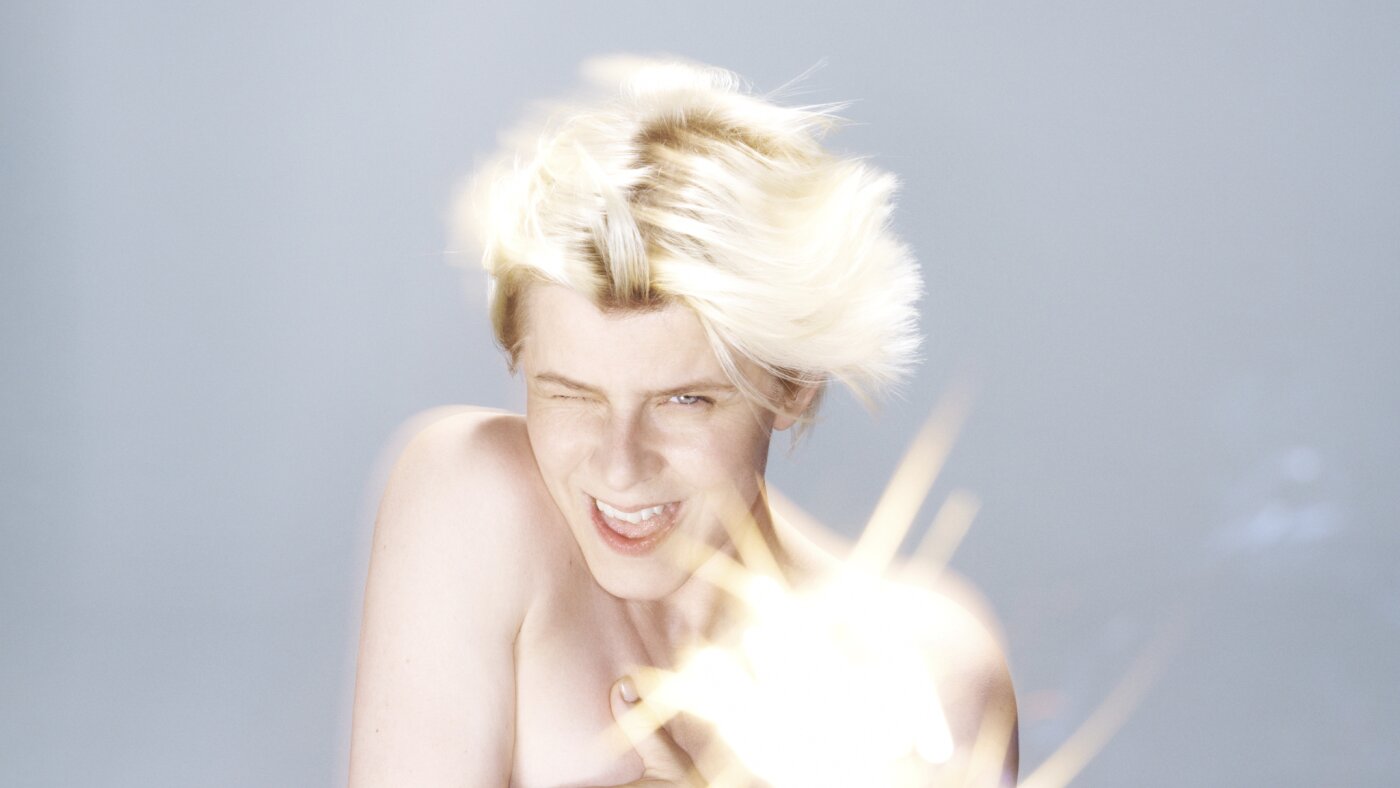
From ‘Honey’ to ‘Sexistential’: Where This Album Fits in Robyn’s Story
Robyn’s career has unfolded in distinct chapters. The early‑2000s mainstream success (“Show Me Love”), the mid‑career reinvention around Body Talk, and then the lush, slow‑burn catharsis of Honey, which redefined what “sad banger” could mean. Sexistential feels like the next chapter: less about heartbreak, more about the weird, liminal space where adulthood refuses to settle into anything tidy.
While Honey was about processing grief and breakup through ecstatic, syrupy club music, Sexistential is more observational and sly. You can hear a veteran artist who knows her influence on pop— from Charli XCX’s bratty introspection to the emotional clarity of Lorde and Carly Rae Jepsen—leaning into her role as patron saint of the over‑thinking club kid who grew up but never fully calmed down.
IVF, Solo Parenting and Pop: Turning Private Life into Public Art
One of the most striking parts of Robyn’s NPR conversation is how openly she talks about undergoing IVF and becoming a solo parent. Pop has long mined romance, breakups and vague “self‑love” for material, but fertility treatment is still relatively taboo territory—especially when handled with humor rather than hushed reverence.
“You think you’re going to be this grown‑up, sorted adult,” she suggests in the interview, “and then you’re injecting hormones and swiping on your phone at 2 a.m., trying to figure out who you are again.”
That mix of bodily reality and digital absurdity runs through the record. The title track, which reportedly spins the premise of “hornily perusing dating apps while doing IVF,” could have been depressing or glib. Instead, it lands somewhere stranger and truer—like watching your own life in split screen: medical appointment calendar on one side, potential hookups on the other.
It’s also quietly radical in pop terms. IVF, fertility anxiety and adult single parenthood are real parts of many listeners’ lives, but they rarely make it into the mainstream in a way that feels neither tragic nor sanitized. Robyn treats them as just another facet of modern desire, lived in the same register as going out, falling in love or getting dumped.

The Sound of ‘Sexistential’: Glitter, Grit and Self‑Aware Club Music
Musically, Sexistential sits in a sweet spot between Body Talk’s razor‑edged synth pop and Honey’s gauzy, stretched‑out grooves. Early listens suggest a palette of rubbery bass lines, prismatic synths and beats that feel more club‑adjacent than EDM‑bombastic—exactly the kind of production that lets her talk about ovulation schedules and existential dread without killing the vibe.
There’s also a trolling streak in the way the record plays with pop expectations. Hooks arrive slightly later than you think; drops are undercut rather than over‑delivered; punchlines about adulthood land on top of deceptively sweet melodies. Robyn knows that by this point, her fans are listening for both the emotional arc and the production details, and she rewards both audiences.
Even when the lyrics are arch or meta, the production rarely feels ironic. The warmth in the synths and clarity in her vocal mixes give the album a lived‑in intimacy, closer to diary entries read over a great DJ set than detached, conceptual art pop.
What Does “Sexistential” Even Mean?
The title Sexistential sounds like a throwaway joke until you sit with it. It’s part portmanteau, part genre announcement: sex plus existentialism, desire plus meaninglessness, the body plus the big questions. It suggests that instead of separating physical wanting from philosophical wondering, the album treats them as the same impulse.
- Sex: not just as hookup fodder, but as intimacy, fertility, solo parenthood and how bodies age.
- Existential: the creeping sense that your life path doesn’t match the script you imagined in your 20s.
- Pop: the language Robyn uses to mash those anxieties into something communal and cathartic.
In that sense, the album joins a small but growing group of pop projects that acknowledge adulthood as a moving target—think Lorde’s Solar Power wrestling with environmental burnout, or Beyoncé’s Cowboy Carter reframing Black American history through country music. Robyn’s angle is the night out that doesn’t cancel out the appointment you have at 8 a.m. tomorrow; it just complicates it.
Expressing Sexuality After the Cool Girl Era
Robyn has always projected a particular kind of cool: androgynous, kinetic, emotionally frank but never confessional for its own sake. On Sexistential, that coolness softens a bit. The sexuality here is messy, insecure, sometimes very funny—less a fantasy and more a running commentary on trying to stay open to possibility in your 40s.
In the NPR interview, she talks about negotiating what it means to be a “self‑aware” pop star in an age where everyone expects you to turn your therapy notes into lyrics and your relationship drama into content.
She hints that part of the joke of Sexistential is that she knows we’re reading her life into every line—so she leans into that expectation while still keeping something for herself.
The album’s best moments feel like overheard inner monologues: half thirst, half theory. That makes it resonate with a generation used to thinking about gender, power and consent in public, but also just trying to get through another first date without spiraling.

Highlights, Weak Spots and How ‘Sexistential’ Plays as an Album
As a body of work, Sexistential is strongest when it leans into specificity: IVF appointments, swiping fatigue, half‑remembered DMs, the bodily weirdness of hormone treatment. These details give the songs a texture that most “adult contemporary pop” doesn’t dare to touch.
- Strengths: fearless subject matter, sharp humor, emotionally grounded vocals and production that rewards close listening.
- Potential weaknesses: the tonal mix of comedy and existential dread won’t land for everyone, and listeners expecting instant‑hit choruses on the scale of “Dancing On My Own” may find this album more slow‑burn and interior.
Still, even the less immediate tracks feel deliberate. Robyn seems less interested in topping her own hits than in sketching out a complete emotional world—one where midlife crises are scored not by rock guitars but by shimmering synths and an oddly hopeful four‑on‑the‑floor.

Cultural Impact: Robyn, Millennial Adulthood and Pop’s New Honesty
Robyn has been canonized for more than a decade as a touchstone for emotionally intelligent pop, and Sexistential extends that influence into a new phase of life. Where younger artists often focus on early heartbreak and identity formation, she’s chronicling what happens when you’ve already done a few full life rebrands and are starting yet another one, this time with a kid and a stack of medical invoices.
In broader industry terms, the album fits a shift toward pop that’s comfortable being uncool on purpose. It’s not about escapist fantasy as much as about owning the awkwardness of being extremely online, very self‑aware and still full of unprocessed longing. That may prove to be one of Sexistential’s long‑term legacies: it normalizes the idea that adulthood—fertility struggles, solo parenting, bad dates and all—is valid pop subject matter, not something to age out of the genre for.

Verdict: A Witty, Vulnerable Portrait of Grown‑Up Desire
Sexistential isn’t trying to replace “Dancing On My Own” as Robyn’s signature anthem. Instead, it offers something rarer: a witty, vulnerable snapshot of what it means to keep wanting—in your body, your art, your relationships—long after pop culture assumes you’ve settled down. It’s trolling, it’s tender and it’s very Robyn: an album for anyone who has ever sat in a waiting room, phone in hand, wondering how their life got so strange and so ordinary at the same time.
As pop continues to stretch into every corner of adult experience, Sexistential will likely stand as a reference point: proof that the dance floor can handle IVF, existential dread and all the messy negotiations of middle age, without losing its glow.
Review by: Independent critic
