
Why Everyone’s Talking About the Mediterranean Longevity Diet (And How to Cook It Tonight)
Mediterranean-Style Longevity Diet & Blue Zones Hype (Plus a Vibrant Longevity Bowl Recipe)
The Mediterranean-style longevity diet and Blue Zones-inspired eating have exploded across streaming platforms, TikTok, and YouTube—showing that food can be both deeply delicious and a quiet, daily investment in a longer, healthier life. Instead of rigid rules or crash plans, these patterns celebrate colorful vegetables, beans, whole grains, olive oil, nuts, seeds, and simple, lovingly prepared meals that fit naturally into everyday life.
Below, you’ll first learn what makes Mediterranean and Blue Zones diets so compelling, and then you’ll find a detailed, step-by-step recipe for a Mediterranean “Longevity Bowl”—a warm, satisfying dish built on beans, whole grains, and seasonal vegetables that you can put on the table tonight.
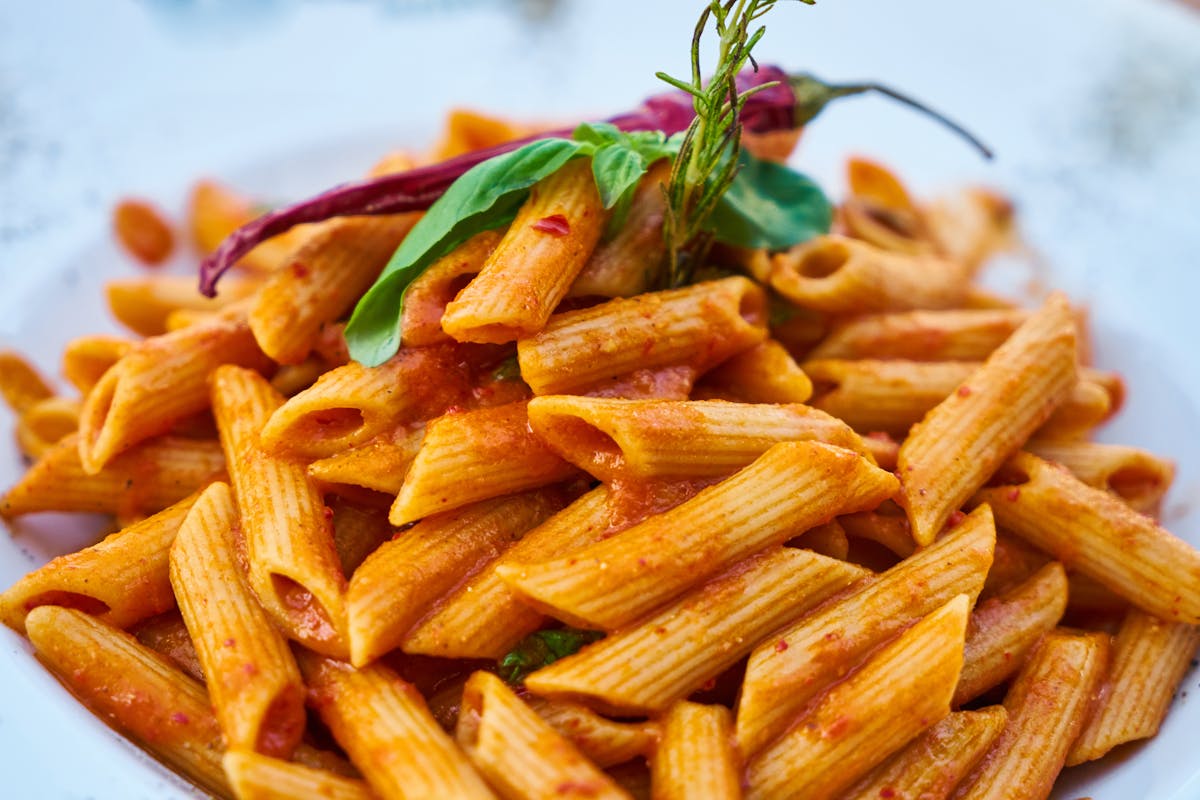
Why the Mediterranean & Blue Zones Longevity Diet Are Trending
Interest in healthy aging and healthspan has surged in recent years. Documentaries and popular books have spotlighted places like Okinawa (Japan), Sardinia (Italy), Ikaria (Greece), Nicoya (Costa Rica), and Loma Linda (USA), where people routinely live into their 90s and beyond with remarkable vitality. Food is never the only factor—but it’s a foundational one.
- Streaming & social media: Netflix series and YouTube creators film “I ate like I lived in a Blue Zone for 30 days,” cooking big pots of minestrone, bean stews, and vegetable-rich meals that feel rustic, comforting, and accessible.
- Anti-diet appeal: Unlike restrictive fad diets, the Mediterranean pattern feels generous: think olive oil, crusty whole-grain bread, beans, tomatoes, leafy greens, nuts, seeds, fresh fruit, herbs, and only small amounts of red meat and ultra-processed foods.
- Longevity & biohacking crossover: Doctors and longevity enthusiasts talk about Blue Zones in the same breath as sleep, exercise, and stress management, citing research that links these traditional diets to lower heart disease, diabetes, and some cancers.
- Economic & environmental benefits: Bean- and grain-based meals are budget-friendly and have a smaller environmental footprint than meat-heavy diets, appealing to both cost-conscious and eco-minded home cooks.
In every Blue Zone, the everyday meal is humble: a bowl of beans, a hunk of whole-grain bread, some greens, a drizzle of local olive oil. Longevity is built from these quiet, repeated choices.
Nutritional DNA of the Mediterranean Longevity Diet
While each Blue Zone has its own culinary identity, they share a core pattern that today’s Mediterranean-style longevity diets try to emulate.
1. Plant-Centric (But Not Necessarily Vegan)
Most calories come from plants: beans, lentils, chickpeas, whole grains, vegetables, fruits, and small amounts of nuts and seeds. Animal products—cheese, fish, eggs, meat—are usually condiments rather than the star of the plate.
2. Healthy Fats
Extra-virgin olive oil is a cornerstone, bringing a peppery aroma and silky mouthfeel. It’s rich in monounsaturated fats and antioxidant polyphenols. Nuts (especially walnuts and almonds) and seeds add crunch and heart-healthy fats.

3. Minimally Processed Foods
Traditional Blue Zones diets rely on simple staples—dried beans, whole grains, seasonal vegetables, and homemade breads or porridges. These foods are naturally high in fiber, micronutrients, and phytonutrients, and low in added sugars and refined flours.
4. Lifestyle Beyond the Plate
Food never acts alone. In long-lived communities, you’ll also find:
- Daily movement: walking, gardening, manual work.
- Strong social connections and shared meals.
- Rhythms of rest and stress reduction, from naps to spiritual practices.
Recipe: Mediterranean “Longevity Bowl” with Beans, Grains & Seasonal Veg
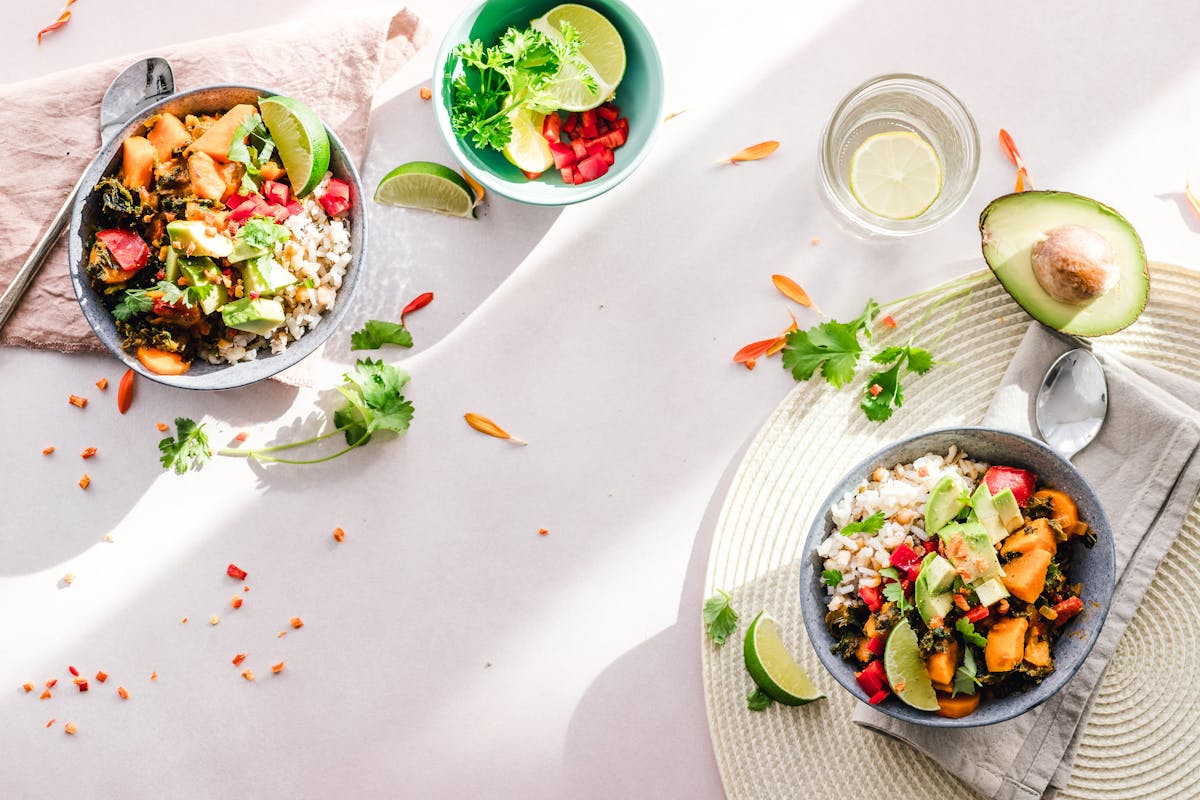
This Mediterranean Longevity Bowl is inspired by Blue Zones kitchens: a generous base of beans and whole grains, a rainbow of vegetables, bright herbs, and a lush lemon‑garlic olive oil drizzle. It’s naturally vegetarian (and easily vegan and gluten-free) and perfect for meal prep.
Prep time: 20 minutes
Cook time: 25–30 minutes
Total time: 45–50 minutes
Servings: 4 bowls
Difficulty: Easy
Equipment You’ll Need
- Medium saucepan with lid (for grains)
- Large skillet or sauté pan
- Cutting board and sharp knife
- Colander or sieve (for rinsing beans and grains)
- Small bowl or jar with lid (for dressing)
- Wooden spoon or spatula
- 4 serving bowls
Ingredients for Mediterranean Longevity Bowl
For the Grain Base
- 1 cup (190 g) cooked whole grains such as farro, barley, or brown rice (about 2.5–3 cups cooked)
- 2 cups (480 ml) water or low-sodium vegetable broth
- 1/4 tsp sea salt
For the Beans & Vegetables
- 1 Tbsp extra-virgin olive oil
- 1 small yellow onion, finely chopped
- 2 cloves garlic, minced
- 1 medium carrot, diced
- 1 small zucchini, chopped into bite-size pieces
- 1 red bell pepper, chopped
- 1 can (15 oz / 400 g) chickpeas or cannellini beans, drained and rinsed
- 1 cup (about 150 g) cherry tomatoes, halved
- 3 cups (about 90 g) loosely packed leafy greens (spinach, kale, or chard), roughly chopped
- 1/2 tsp dried oregano
- 1/2 tsp dried thyme or Italian seasoning
- Sea salt and freshly ground black pepper, to taste
For the Lemon–Garlic Olive Oil Dressing
- 3 Tbsp extra-virgin olive oil
- 2 Tbsp fresh lemon juice (about 1 lemon)
- 1 small clove garlic, finely grated or minced
- 1/2 tsp Dijon mustard (optional, helps emulsify)
- 1/4 tsp sea salt, or to taste
- Freshly ground black pepper, to taste
For Serving & Garnish
- 1/4 cup (10–15 g) chopped fresh parsley or basil
- 2 Tbsp toasted nuts or seeds (e.g., walnuts, almonds, pumpkin seeds)
- 1/4 cup (30 g) crumbled feta cheese (optional; omit for vegan)
- Lemon wedges, for squeezing over the top
Step-by-Step Cooking Instructions
1. Cook the Whole Grains
- Rinse the grains: Place your chosen whole grain in a sieve and rinse under cold water for 20–30 seconds. This removes surface starch and any dust.
- Simmer: In a medium saucepan, combine grains, water or broth, and 1/4 tsp salt. Bring to a boil over medium-high heat.
- Cover & cook: Reduce heat to low, cover, and cook until tender (typically 20–25 minutes for brown rice or farro; 25–30 for barley). If using quick-cook grains, follow package directions.
- Rest & fluff: Turn off heat, let sit covered for 5 minutes, then fluff with a fork. Keep covered and warm.
2. Sauté the Aromatics & Vegetables
- Sauté onion & garlic: Heat 1 Tbsp olive oil in a large skillet over medium heat. Add chopped onion and a pinch of salt. Cook 3–4 minutes, stirring occasionally, until translucent and fragrant. Add minced garlic and cook 30–60 seconds more, just until aromatic.
- Add hearty veg: Stir in diced carrot and cook 3 minutes, then add zucchini and bell pepper. Sauté another 4–5 minutes until vegetables soften but still retain some bite.
- Season: Sprinkle in oregano, thyme (or Italian seasoning), salt, and pepper. Stir to coat the vegetables in the herbs and oil.

3. Add Beans, Greens & Tomatoes
- Stir in beans: Add drained chickpeas (or other beans) to the skillet. Toss to combine and warm through, about 2–3 minutes.
- Add tomatoes: Add cherry tomatoes and cook just until they begin to soften and release some juices, 2–3 minutes.
- Wilt the greens: Add chopped greens in handfuls, stirring until they wilt down and turn a vivid green, 1–3 minutes. Taste and adjust seasoning with more salt and pepper if needed.
4. Make the Lemon–Garlic Dressing
- Whisk or shake: In a small bowl or jar, combine olive oil, lemon juice, garlic, Dijon mustard (if using), salt, and pepper.
- Emulsify: Whisk vigorously or close the jar and shake until the dressing looks slightly thickened and creamy. Taste and adjust lemon or salt.
5. Assemble the Longevity Bowls
- Base layer: Spoon a generous serving of warm grains into each bowl.
- Veg & beans: Top with a heaped scoop of the bean–vegetable mixture.
- Drizzle: Spoon 1–2 Tbsp of dressing over each bowl, letting it seep into the grains and vegetables.
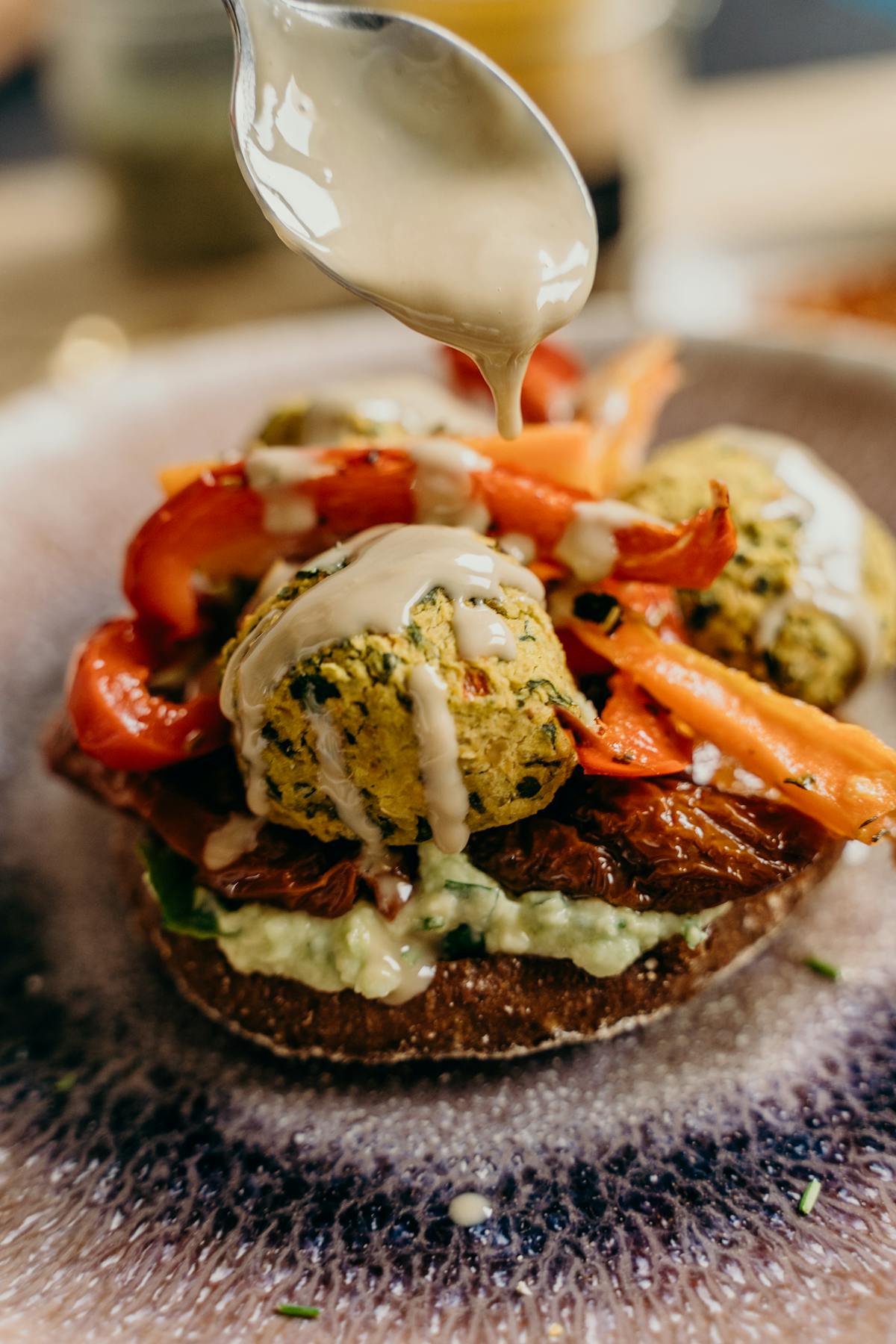
- Garnish: Sprinkle with chopped parsley or basil, toasted nuts or seeds, and feta (if using). Add a lemon wedge on the side for extra brightness.
Storage, Meal Prep & Reheating Guidelines
This recipe is meal-prep friendly and holds up beautifully for several days.
- Fridge: Store grains, bean–veg mixture, and dressing separately in airtight containers for up to 4 days.
- Freezer: The grains and bean–veg mixture freeze well for up to 2 months. Thaw overnight in the fridge before reheating. Do not freeze the fresh herbs or dressing; make those fresh.
- Reheating on the stove: Warm grains and bean–veg mixture together in a skillet over low-medium heat with a splash of water or broth, stirring until hot.
- Microwave: Place in a microwave-safe dish, cover loosely, and heat in 45–60 second bursts, stirring in between, until warmed through.
- Fresh finishing touches: Always add dressing, herbs, nuts, and cheese after reheating to keep flavors bright and textures crisp.
How to Serve Your Mediterranean Longevity Bowl
This bowl can easily stand alone as a complete meal, thanks to its balance of complex carbohydrates, plant protein, fiber, and healthy fats. You can also build a small Mediterranean feast around it.
- With a simple salad: Pair with a crisp salad of cucumbers, tomatoes, red onion, and olives dressed in olive oil and vinegar.
- With soup: Start with a light vegetable or lentil soup for a Blue Zones-style multi-course meal.
- With bread: Serve alongside a slice of whole-grain sourdough or seeded bread to soak up any juices.
- With yogurt: Add a spoonful of plain Greek yogurt or a plant-based yogurt on the side for extra creaminess.
For an even more Blue Zones-inspired experience, enjoy this bowl slowly, ideally at a table, with people you care about. The social connection is as nourishing as the food.
Bringing Blue Zones Wisdom Into Everyday Cooking
Mediterranean and Blue Zones-style eating isn’t about chasing perfection or copying every detail of another culture’s routine. It’s about adopting the spirit of these longevity diets: mostly plants, happy portions of beans and whole grains, generous olive oil, plenty of herbs, and meals that fit into a life rich with movement, rest, and relationships.
This Mediterranean Longevity Bowl recipe is a simple, satisfying place to start. Once you feel comfortable, riff on it with your favorite vegetables, different beans, or new herbs. Over time, these habits can shift your everyday cooking toward a more anti-inflammatory, heart-healthy, and sustainable way of eating—without sacrificing pleasure.
