
Glow From the Gut: Fermented Foods, Fiber & the Skin–Gut Beauty Diet
Gut Health 2.0: Fermented Foods, Fiber & the Skin–Gut Beauty Diet
Gut health has stepped into the spotlight, moving far beyond probiotic pills to a delicious, food-first approach that celebrates fermented foods, fiber-rich meals, and colorful plant diversity. Today, the conversation links the gut microbiome not only to digestion and immunity, but also to mood, bloating, and even glowing, resilient skin.
In this guide, we’ll explore how “Gut Health 2.0” grew from science podcasts and explainer videos into a full-on lifestyle trend, what the microbiome actually needs to thrive, and how to build a simple, vibrant skin–gut beauty diet at home. Then, we’ll bring it all together in a recipe: a fiber-packed, fermented-food-filled grain bowl that’s as joyful to eat as it is nourishing.

Why Gut Health 2.0 Is Everywhere Right Now
Scroll through social media and you’ll see it: jars of homemade kimchi bubbling on countertops, kefir smoothies whirling in blenders, and dietitians breaking down “30 plants per week” with colorful meal-prep boxes. Gut health has shifted from niche science to everyday kitchen talk.
- Microbiome fascination: Podcasts, books, and short-form videos have turned the gut microbiome into a household phrase. Complex ideas like microbial diversity and short-chain fatty acids now show up as simple, vibrant infographics and quick recipe reels.
- Fermented food boom: Kimchi, sauerkraut, kefir, kombucha, miso, tempeh, and yogurt are marketed as daily “gut superfoods.” TikTok cooks tuck sauerkraut into grain bowls, drizzle miso over roasted veggies, and blend kefir into overnight oats.
- Skin–gut beauty: Beauty creators increasingly talk about acne, redness, and skin aging through a
beauty from within
lens. High-fiber, low–ultra-processed diets with fermented foods are woven into skincare routines, sometimes alongside topical products. - Bloat and IBS content: Many people search for relief from bloating, constipation, and IBS. Evidence-based voices—dietitians and gastroenterologists—share low-FODMAP strategies, gradual fiber build-ups, and clear guidance on when it’s time to see a doctor.
Underneath the trends sits a reassuring theme: a gentle move away from crash diets and quick fixes, and toward long-term, sustainable habits that honor gut health, mental well-being, and skin over the course of years—not just weeks.

Core Gut Health Messages: Fiber, Ferments & Fewer Ultra-Processed Foods
Among all the noise, certain messages keep showing up in peer-reviewed studies, professional guidelines, and thoughtful creator content. These are the pillars you can confidently build your kitchen around.
1. Fiber Diversity: 30 Plants per Week
Instead of chasing a single “superfood,” many experts now encourage a playful goal: 30 different plants per week. Every fruit, vegetable, whole grain, legume, nut, seed, herb, and spice feeds slightly different microbes, helping your gut ecosystem become more diverse and resilient.
In practice, that might look like quinoa today, barley tomorrow; parsley in your salad, cilantro in your tacos; walnuts in your oats, pumpkin seeds on your soup. Each tiny choice adds up.
2. Fermented Foods as Everyday Gut Friends
Fermented foods bring live cultures and complex, tangy flavors to your plate. Small, regular servings—think a few forkfuls of kimchi, a spoon of sauerkraut, a glass of kefir, or a side of miso soup—are a simple way to add beneficial bacteria and flavorful acidity to meals.
3. Limiting Ultra-Processed Foods
Many ultra-processed foods are low in fiber and high in refined starches, added sugars, and certain fats. Some research suggests that diets dominated by these products may negatively affect the microbiome and increase inflammation. Swapping them out—even a few times a week—for whole or minimally processed ingredients can support more stable energy, more regular digestion, and potentially calmer skin.
4. Caution Against Magic Bullets
Professionals consistently remind us that no single drink, supplement, or “hack” can heal complex gut issues. Persistent pain, sudden changes in bowel habits, unexplained weight loss, or blood in the stool are all reasons to seek medical care. Nutrition is powerful, but it’s one part of a bigger picture that includes sleep, movement, stress, and medical support.
The Skin–Gut Beauty Diet: Nourishing Your Microbiome for Radiant Skin
The idea of a skin–gut axis has captured the imagination of beauty lovers and dermatology researchers alike. While the science is still evolving, there’s growing interest in how the gut microbiome may influence systemic inflammation, hormone metabolism, and even barrier function in the skin.
In everyday terms, people report that when they shift toward a high-fiber, plant-forward, low–ultra-processed diet with regular fermented foods, they feel changes not just in digestion, but also in their complexion—sometimes fewer breakouts, calmer redness, or a more even glow.
You can think of the skin–gut beauty diet as skincare you chew: colorful plants, slow-digesting fibers, and tangy ferments instead of harsh extremes or one-size-fits-all detoxes.
The recipe below is built with this philosophy in mind: plenty of fiber, lots of plant diversity, and a gentle hit of fermented foods for your microbes—without restriction or fear.

Recipe: Glow-From-Within Gut Health Grain Bowl
This Glow-From-Within Gut Health Grain Bowl layers warm whole grains, crisp-seasoned chickpeas, crunchy raw vegetables, and tangy kimchi and sauerkraut under a silky kefir-tahini dressing. It’s intentionally rich in fiber and plant diversity, with live-culture fermented foods to lovingly feed your microbiome and your taste buds.
Prep time: 20 minutes
Cook time: 20 minutes
Total time: 40 minutes
Servings: 2 bowls
Difficulty: Easy
Dietary: High-fiber, gut-friendly, easily adapted vegetarian or vegan
Ingredients & Equipment
Ingredients
For the grain base
- 1 cup cooked whole grains (quinoa, brown rice, barley, or buckwheat)
- 1 tablespoon extra-virgin olive oil (for reheating, if needed)
- Pinch of salt, to taste
For the crispy chickpeas
- 1 cup canned chickpeas, rinsed and drained
- 1 tablespoon extra-virgin olive oil
- 1/2 teaspoon ground cumin
- 1/4 teaspoon smoked paprika (optional, for a subtle smokiness)
- Salt and freshly ground black pepper, to taste
For the fresh veggies & toppings
- 1 cup finely shredded red or green cabbage
- 1 medium carrot, julienned or coarsely grated
- 1/2 small cucumber, thinly sliced or chopped
- 1/2 small avocado, sliced
- 1/2 cup fresh leafy herbs (parsley, cilantro, mint, or a mix), roughly chopped
- 1/3 cup kimchi, roughly chopped
- 1/3 cup sauerkraut, drained
- 2 tablespoons toasted pumpkin seeds or sunflower seeds
For the kefir–tahini gut health dressing
- 1/2 cup plain, unsweetened kefir (dairy or dairy-free)
- 2 tablespoons tahini
- 1 tablespoon freshly squeezed lemon juice
- 1 teaspoon Dijon or wholegrain mustard
- 1 teaspoon honey or maple syrup (optional, for gentle sweetness)
- 1 small garlic clove, finely grated (optional, for a little kick)
- Pinch of salt, to taste
- 2–3 tablespoons water, as needed, to thin
To serve
- Lemon wedges (optional)
- Extra fresh herbs or seeds, for garnish
Equipment
- Cutting board and sharp knife
- Medium skillet or frying pan
- Small mixing bowl or jar (for dressing)
- Grater or microplane (for garlic and carrot, if grating)
- Measuring cups and spoons
- Two wide shallow bowls for serving
Step-by-Step Instructions
- Cook or warm the grains.
If you’re starting from raw grains, cook according to package directions until tender but pleasantly chewy. Drain any excess water and fluff with a fork. If you’re using leftovers, warm them gently in a skillet with a spoonful of water and a drizzle of olive oil, just until steaming.
- Crisp the chickpeas.
Heat 1 tablespoon of olive oil in a medium skillet over medium heat. Add the rinsed, well-drained chickpeas, cumin, smoked paprika (if using), and a pinch of salt and pepper. Cook for 6–8 minutes, shaking the pan or stirring often, until the chickpeas are lightly golden and crisp in spots. Set aside.
- Prep the veggies and herbs.
While the chickpeas cook, shred the cabbage, julienne or grate the carrot, slice the cucumber and avocado, and roughly chop the fresh herbs. Lay everything out within reach—it will make assembling the bowls soothing and fast.
- Make the kefir–tahini dressing.
In a small bowl or jar, whisk together the kefir, tahini, lemon juice, mustard, honey or maple syrup (if using), garlic (if using), and a pinch of salt. Add water, 1 tablespoon at a time, whisking until you have a silky, pourable consistency. Taste and adjust acid, salt, or sweetness.
- Assemble your gut health grain bowls.
Divide the warm grains between two bowls. Arrange the cabbage, carrot, cucumber, avocado, crisped chickpeas, kimchi, and sauerkraut in colorful clusters on top of the grains. Sprinkle generously with toasted seeds and chopped herbs.
- Dress and serve.
Drizzle each bowl with kefir–tahini dressing just before serving, leaving extra on the side for dipping and drizzling. Add lemon wedges for an extra burst of brightness. Eat right away while the grains are warm, the vegetables are crunchy, and the fermented toppings are lively and tangy.
Variations, Swaps & Dietary Adaptations
Think of this gut health grain bowl as a flexible template. The real goal is fiber diversity + fermented foods, not perfection.
- Different grains: Try farro, wild rice, millet, or a mix. Each grain brings its own texture and fiber pattern.
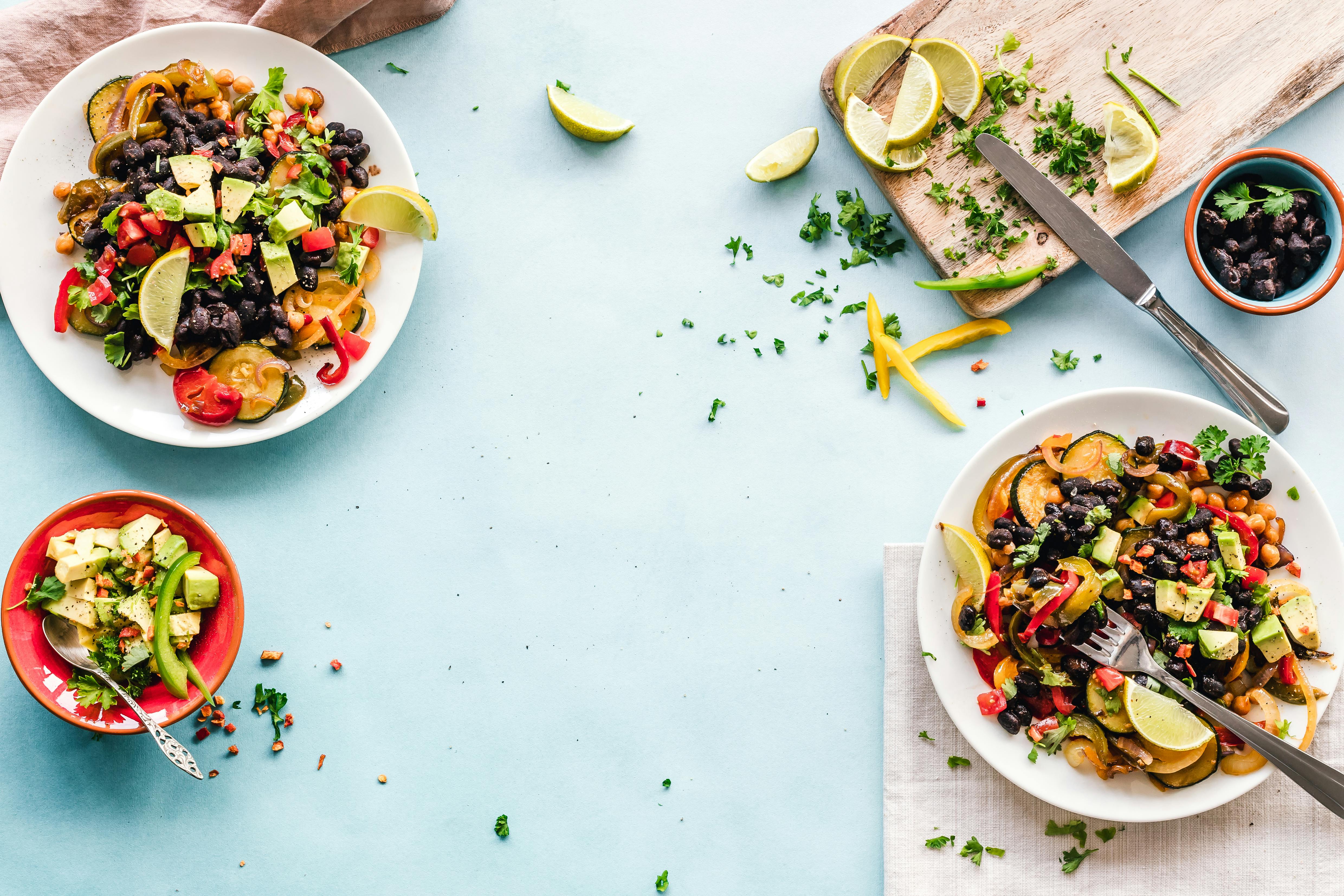
- Different legumes: Swap chickpeas for lentils, black beans, or edamame to vary both flavor and microbial fuel.
- Fermented variety: Rotate kimchi and sauerkraut with pickled carrots, fermented beets, miso-glazed veggies, or a spoonful of plain yogurt on the side.
- Low-FODMAP considerations: If you’re in an elimination phase of a low-FODMAP plan under professional guidance, you may need to limit certain legumes, garlic, and some ferments. Work with your clinician to adapt this bowl safely.
- Extra protein: Top with grilled tofu, tempeh, baked salmon, or soft-boiled eggs, depending on your preferences.

Storage, Meal Prep & Reheating Tips
This bowl is meal-prep friendly, especially if you store components separately to keep the textures fresh.
- Cooked grains: Store in an airtight container in the fridge for up to 4 days. Reheat with a splash of water in a covered pan or microwave until warmed through.
- Crispy chickpeas: Best fresh, but can be cooled and kept in the fridge for 2–3 days. Re-crisp briefly in a hot skillet or oven.
- Chopped veggies: Store cabbage and carrot separately in sealed containers for up to 3 days. Slice avocado fresh to prevent browning.
- Dressing: Keeps in the fridge for 3–4 days. It may thicken; whisk in a spoonful of water before serving.
- Fermented foods: Keep kimchi and sauerkraut in their original jars, refrigerated and tightly sealed. Use clean utensils each time to protect the cultures.
Serving Suggestions & Gut-Friendly Pairings
This gut health grain bowl can stand happily on its own for lunch or dinner, but it also plays well with simple sides.
- Pair with a small bowl of miso soup for extra warmth, savoriness, and another fermented element.
- Sip a glass of plain or lightly flavored kombucha, or sparkling water with lemon and a few crushed berries for a refreshing, low-sugar drink.
- Finish the meal with fresh fruit and a sprinkle of nuts or seeds for a naturally sweet, fiber-rich dessert.
Over time, these small, pleasurable choices can help tilt your everyday eating pattern toward the kind of gut-friendly, plant-diverse, fermented-rich
Bringing Gut Health 2.0 Into Your Own Kitchen
You don’t need a perfect routine, expensive supplements, or elaborate cleanses to care for your microbiome. A bowl like this—warm, crunchy, tangy, and full of life—is a beautiful place to start. Each time you add another plant, another spoonful of fermented goodness, or another fiber-rich swap, you’re quietly feeding the tiny ecosystem that supports your digestion, immunity, and, quite possibly, your glow.
Keep experimenting, notice how your body and skin feel, and lean on trusted professionals for personalized guidance. Your gut—and your tastebuds—deserve food that’s both nurturing and genuinely delicious.
