
High‑Protein Everything: 30g‑Per‑Meal Challenges, ‘Protein Girlies’ & How to Cook the Trend
High‑Protein Everything: From “Protein Girlies” to 30g‑Per‑Meal Challenges
High‑protein, nutrient‑dense meals are everywhere right now—filling TikTok, Instagram Reels, and YouTube Shorts with sizzling skillets, thick and creamy Greek yogurt bowls, and towering “protein desserts” that somehow still look like café treats. This trend has jumped from hardcore gym culture into everyday kitchens, where home cooks are discovering that focusing on 30g of protein per meal can feel more empowering—and more delicious—than traditional “eat less” dieting.
Below, we’ll unpack why protein‑centric eating is trending, what the science‑y talk (like muscle protein synthesis) actually means in real life, and share a cozy, high‑protein recipe that hits around 30g per serving—perfect for anyone who wants to eat well, feel strong, and still love every bite.
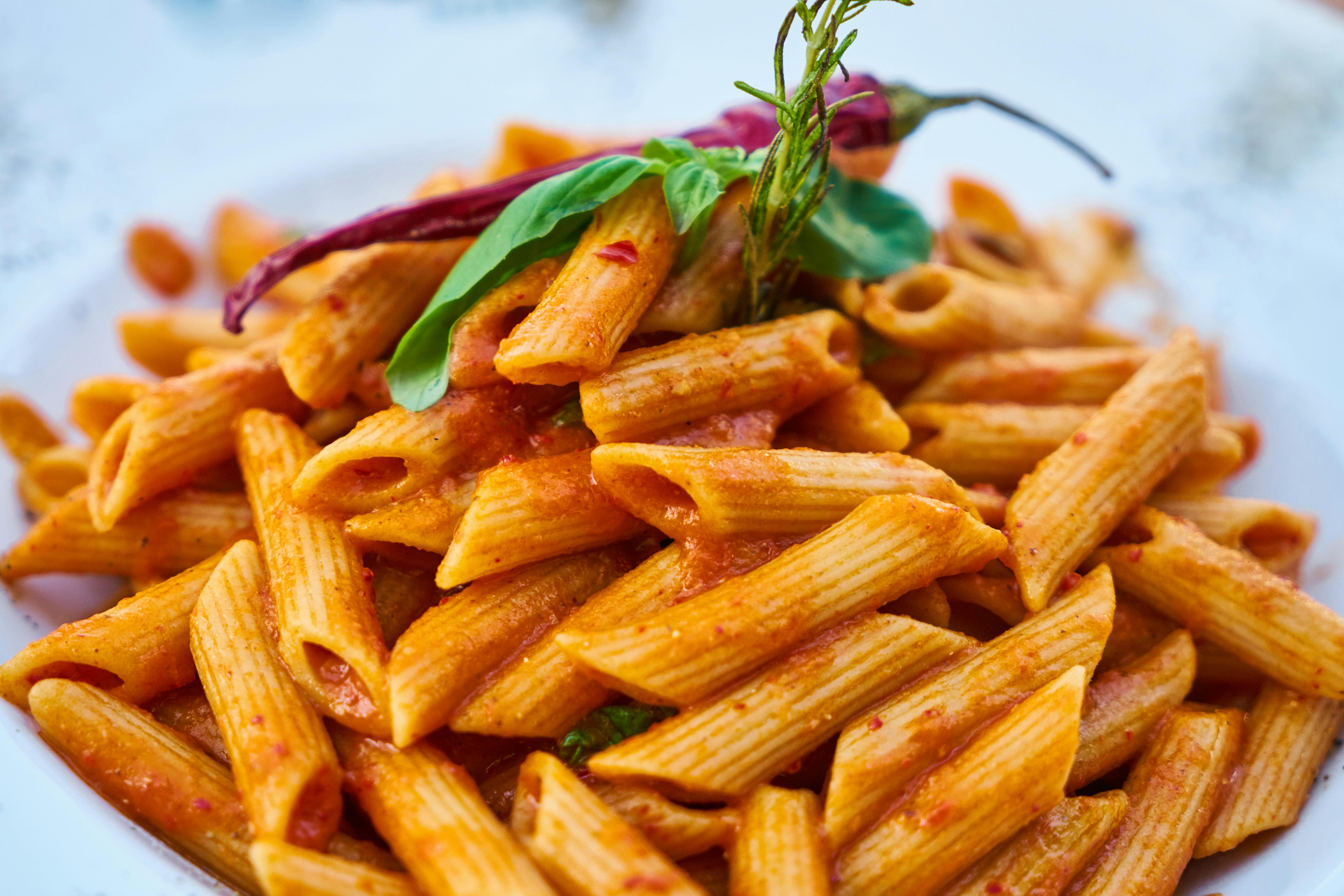
Why High‑Protein Eating Is Trending Right Now
Scroll for five seconds and you’ll see “protein girlies” proudly measuring cottage cheese, creators flexing their 30g‑protein breakfasts, and budget‑friendly meal preppers turning canned beans and tuna into surprisingly gorgeous bowls. This high‑protein wave has a few big drivers:
- Body recomposition & aesthetics: People want to lose fat without feeling weak or “skinny‑tired.” Higher protein supports lean muscle, keeps you fuller longer, and may help reduce late‑night cravings.
- GLP‑1 & weight‑loss meds: With GLP‑1 drugs (like Ozempic‑style medications) in the spotlight, dietitians keep repeating: you must protect your muscle by eating enough protein and doing some resistance training.
- Protein convenience foods: Supermarkets are now packed with high‑protein yogurts, puddings, bars, cereals, even breads and pastas—fuel for endless taste‑test videos and “which one is worth it?” reviews.
- Viral challenges: “30g protein breakfast,” “100g protein day on a budget,” and “140g protein day of eating” give viewers simple templates to copy, which makes the whole thing feel more doable.
Underneath the trend is a refreshing mindset shift: instead of obsessing over restriction, people are asking, How can I build meals around protein and genuinely nourishing foods?
Key Nutritional Themes: Protein Targets, Timing & Food Quality
Under all the “What I Eat in a Day” content, there are a few simple, evidence‑inspired ideas that keep showing up.
1. Protein targets & timing
Many creators—and quite a few sports dietitians—now talk about aiming for:
- 25–40 g protein per main meal (breakfast, lunch, dinner)
- 10–20 g protein in snacks
This pattern appears to better stimulate muscle protein synthesis—your body’s repair and building process—than nibbling tiny bits of protein all day. Many people also notice that a high‑protein breakfast makes them less snacky and more focused through the afternoon and evening.
2. Whole foods vs. ultra‑processed protein
Creators generally fall into two camps:
- Whole‑food lovers: eggs, Greek yogurt, cottage cheese, tofu, tempeh, beans, lentils, fish, lean meats, edamame, nuts, and seeds.
- Convenience fans: ready‑to‑drink shakes, bars, protein chips, high‑protein puddings, and fortified cereals.
Dietitians often encourage using convenience options as supporting players, not the entire cast, because some packaged products are heavy on sweeteners, gums, and sodium. When you can, centering meals on minimally processed ingredients means more fiber, vitamins, and steady energy.
3. Protein on a budget
Cost‑of‑living pressures have pushed creators to share just how affordable protein can be. Budget‑friendly stars include:
- Canned tuna, salmon, and sardines
- Eggs (often the cheapest high‑quality protein per gram)
- Dry beans and lentils cooked in big batches
- Frozen edamame and peas
- Bulk chicken thighs or tofu
Recipe: 30g High‑Protein Savory Breakfast Bowl (Customizable)
To bring this trend into your kitchen, here’s a flexible, high‑protein savory breakfast bowl. It’s warm, satisfying, and easily hits ~30g of protein per serving, depending on your exact add‑ins. Think of it as a template you can adjust for vegetarian, gluten‑free, or higher‑fiber needs.
Quick Recipe Summary
Prep time: 10 minutes
Cook time: 15 minutes
Total time: 25 minutes
Servings: 1 hearty bowl
Difficulty: Easy
Diet‑friendly: High‑protein, gluten‑free option, easy vegetarian swap
Equipment You’ll Need
- Nonstick or cast‑iron skillet (20–25 cm / 8–10 in)
- Small saucepan (if cooking grains from scratch)
- Cutting board and sharp knife
- Heat‑resistant spatula
- Bowl for serving
Ingredients (Approx. 30g Protein)
Quantities below are for 1 serving. Double or triple for meal prep.
- 2 large eggs (about 12 g protein)
- 100 g (about 1/2 cup) low‑fat cottage cheese or Greek yogurt (10–12 g protein)
- 60 g (about 1/2 cup) cooked quinoa or brown rice
- 60 g (about 1/2 cup) cooked black beans or lentils (4–5 g protein)
- 1 tsp olive oil or avocado oil
- 1/4 small onion, finely chopped
- 1/2 small bell pepper, diced
- 1 handful fresh spinach or kale, roughly chopped
- Salt and freshly ground black pepper, to taste
- 1/4 tsp smoked paprika or chili flakes (optional, for heat)
- Fresh herbs like parsley, chives, or cilantro, chopped (optional, for garnish)
Step‑by‑Step Cooking Instructions
- Prep your base.
If you don’t have leftover grains, cook 60 g (about 1/4 cup dry) quinoa or brown rice according to package directions. This can also be done in advance and reheated. - Warm the grains and beans.
In a small saucepan over low heat, add the cooked grains and black beans or lentils with 1–2 tbsp water. Warm gently, stirring occasionally, until heated through. Season with a pinch of salt and pepper, then transfer to your serving bowl. - Sauté the vegetables.
Heat the olive oil in a skillet over medium heat. Add the onion and bell pepper and cook 3–4 minutes, stirring, until softened and fragrant. Add the spinach or kale and cook another 1–2 minutes until wilted. Season lightly with salt, pepper, and smoked paprika or chili flakes if using. - Cook the eggs your way.
Push the vegetables to one side of the skillet. Crack in the eggs and either:- Scramble them gently with the spatula, or
- Fry them sunny‑side‑up or over‑easy for a runny yolk.
- Assemble the bowl.
Spoon the sautéed vegetables and eggs over the warm grains and beans. Add the cottage cheese or Greek yogurt in a generous scoop on the side. - Finish and season.
Taste and adjust with extra salt, pepper, or spices as needed. Sprinkle with fresh herbs for brightness. Eat while everything is warm and cozy.
Variations, Swaps & Dietary Adaptations
Think of this bowl as your canvas. Here are some ways to adapt it for different lifestyles and cravings while keeping that high‑protein focus.
Flavor Profiles to Try
- Mediterranean: Add cherry tomatoes, cucumber, olives, and a crumble of feta. Season with oregano and lemon.
- Tex‑Mex: Use black beans, corn, salsa, and a sprinkle of cheddar. Add cumin and cilantro.
- Asian‑inspired: Swap grains for brown rice, add edamame, scallions, and drizzle with a light soy‑sesame dressing.

Storage, Meal Prep & Reheating Tips
High‑protein bowls can be incredibly meal‑prep friendly if you separate components.
- Cooked grains & beans: Store in airtight containers in the fridge for up to 4 days. They also freeze well for up to 2–3 months.
- Vegetables: Pre‑chop and keep raw in containers for 3–4 days, or lightly sauté and cool before refrigerating.
- Eggs: For best texture, cook eggs fresh. If you must prep ahead, frittata‑style baked egg squares reheat better than scrambled eggs.
- Dairy or plant yogurt: Add just before serving to keep it cool and creamy.
To reheat, warm grains, beans, and vegetables together in a skillet or microwave with a splash of water, then top with freshly cooked eggs and a cold scoop of yogurt or cottage cheese.
Serving Suggestions & Complementary High‑Protein Snacks
This bowl is designed to be a 30g‑protein breakfast, but it works beautifully as a lunch or quick dinner too. To round out your day and hit your overall protein goals, pair it with:
- A cup of Greek yogurt with berries and a sprinkle of nuts (extra 15–20 g protein)
- Whole‑grain toast with cottage cheese and tomato slices
- Hummus with carrot sticks and whole‑grain crackers
- A simple lentil soup or miso soup with tofu for dinner

Bringing the 30g‑Per‑Meal Trend into Your Kitchen
Protein‑centric eating doesn’t have to mean endless shakes or joyless chicken breast. With a little planning, you can build colorful, satisfying, high‑protein meals that feel like comfort food and still align with your goals—whether that’s strength, better blood sugar control, support during GLP‑1‑mediated weight loss, or simply feeling more nourished.
Start with one 30g‑protein meal—like the savory bowl above—and notice how it affects your energy, hunger, and cravings throughout the day. From there, you can layer in high‑protein snacks and dinners until hitting your personal protein target feels natural, not like a math problem.
Most importantly, let your taste buds guide you. When high‑protein eating is delicious, it becomes a long‑term habit rather than just another trend in your feed.
