
Ozempic, Wegovy & the New ‘Skinny Jab’ Era: How GLP‑1 Weight‑Loss Drugs Are Reshaping Diet Culture and Nutrition
Ozempic, Wegovy & the Rise of ‘Skinny Jab’ Diet Culture
Ozempic, Wegovy, and other GLP‑1 weight‑loss injections have moved from quiet endocrinology clinics to red carpets, TikTok feeds, and dinner‑table debates. Originally developed to help manage type 2 diabetes and later approved for obesity treatment, these drugs are now reshaping what we mean when we talk about “dieting,” body image, and healthy eating. Instead of swapping recipes for the latest detox salad, people are asking, “Do I need a prescription to lose weight?” and “How do I nourish myself if my appetite disappears?”
This guide brings together the medical, cultural, and nutrition sides of the story—without judgment. You’ll find clear explanations of how GLP‑1 medications work, what’s driving their popularity, the risks and ethical concerns, and very practical, food‑first strategies to protect your health, muscles, and relationship with eating if you’re on (or considering) these drugs.
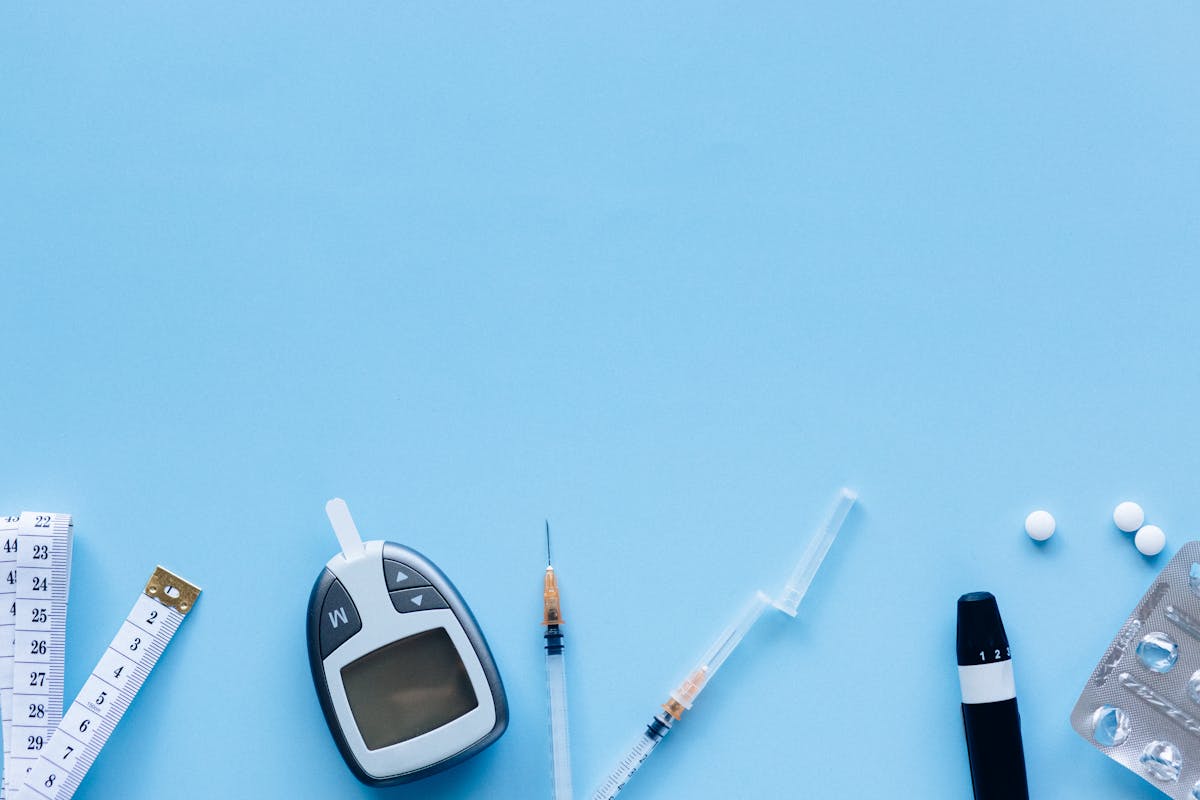
Why Ozempic, Wegovy & Other GLP‑1 Drugs Are Everywhere Right Now
GLP‑1 receptor agonists like semaglutide (Ozempic, Wegovy) and tirzepatide (Mounjaro, Zepbound) have become one of the most disruptive forces in modern diet culture. A few powerful currents are pushing them into the spotlight.
1. Celebrity & Influencer Use
From Hollywood to tech conferences, sudden dramatic weight loss now often sparks rumors of “skinny jabs.” Paparazzi photos and side‑by‑side comparison shots drive speculation on social platforms, stoking curiosity and sometimes unrealistic expectations. Even when public figures stay quiet, online conversations fill the gaps with guesses and gossip.
2. Viral Personal Stories
On TikTok, YouTube, and Instagram, people chronicle their weekly injections and weigh‑ins like a serialized drama. Many share:
- How quickly their appetite changed (“I forgot to eat lunch—twice.”)
- Common side effects like nausea, constipation, diarrhea, and fatigue
- Rapid movement on the scale—sometimes several kilos in a month
Comment sections turn into real‑time focus groups, with others chiming in about what foods they can tolerate, what makes symptoms worse, and how their social life has changed.
3. Disrupting the Traditional Diet Industry
For decades, weight loss conversations revolved around willpower: keto vs. low‑fat, intermittent fasting vs. six mini‑meals. GLP‑1 drugs blunt appetite at a hormonal level, making old “eat less, move more” advice feel outdated for some. Apps, programs, and influencers who once sold rigid meal plans now face a world where a weekly injection can make saying “no” to dessert comparatively effortless.
The question is shifting from “What diet should I follow?” to “If a medication changes my hunger, how do I still eat in a way that nourishes my body and mind?”
4. Ethical, Access & Body Image Concerns
The enthusiasm comes with serious concerns. Health advocates and clinicians are raising issues such as:
- Drug shortages for people with diabetes when supply is diverted to cosmetic weight loss.
- Cost and access—who gets these treatments, and who is left out?
- Thinness as a renewed ideal, which can worsen stigma toward larger bodies.
- Unknown long‑term effects, especially for those starting in their 20s or 30s.
Many dietitians and weight‑inclusive clinicians are pushing back against using these drugs simply to chase a trend, and instead centering metabolic health, mental wellbeing, and a sustainable relationship with food.

How GLP‑1 Weight‑Loss Drugs Work in the Body
GLP‑1 stands for “glucagon‑like peptide‑1,” a hormone your gut naturally releases when you eat. It’s one of your body’s internal messengers that helps:
- Increase insulin release after meals
- Reduce glucagon (a hormone that raises blood sugar)
- Slow stomach emptying so you feel fuller for longer
- Communicate with appetite centers in the brain
Medications like semaglutide and tirzepatide mimic or enhance the effects of GLP‑1. The result is a strong combination of:
- Reduced hunger and fewer food “thoughts”
- Smaller portions feeling surprisingly satisfying
- Improved blood sugar control for many people with type 2 diabetes
For some, this feels like finally having a tool that turns down the constant mental noise around food. For others, it can feel disorienting—even a bit sad—when the usual pleasures of eating are muted or when nausea overshadows enjoyment.
Nutrition on GLP‑1 Medications: Appetite vs. Nourishment
When your hunger plummets, it’s easy to assume that less food automatically equals better health. But your muscles, bones, brain, and immune system still need enough energy, protein, vitamins, and minerals—whether you feel hungry or not.
1. Muscle Loss & Protein Priorities
Rapid weight loss almost always includes some loss of lean mass. On GLP‑1 drugs, this can be amplified if you’re barely eating. To help protect muscle:
- Aim for roughly 1.6–2.2 g of protein per kg of body weight per day if tolerated (your clinician or dietitian can individualize this).
- Spread protein across meals and snacks—your body can only use so much at once for muscle maintenance.
- Pair higher‑protein eating with resistance training (body‑weight, bands, or weights) several times a week.
2. Eating When You’re Not Hungry
One of the strangest experiences reported is having to remind yourself to eat. Instead of relying on appetite, it helps to:
- Schedule gentle, regular eating times (for example, every 3–4 hours while awake).
- Choose small, nutrient‑dense portions over large, low‑nutrient meals.
- Prioritize hydration and electrolytes, especially if nausea or diarrhea hits.
Many users find soft, mild‑flavored foods easiest early on—think yogurt bowls, soft grains, tender fish or eggs, ripe fruit, and well‑cooked vegetables with a drizzle of olive oil.
3. GLP‑1‑Friendly Eating Pattern: Key Principles
- Gentle on the gut: avoid heavy, greasy, or very large meals that can worsen nausea.
- High‑quality protein: eggs, fish, poultry, Greek yogurt, tofu, tempeh, beans, lentils, and protein‑fortified plant milks.
- Fiber for fullness & gut health: oats, barley, berries, chia seeds, vegetables, and legumes—introduced gradually if your stomach is sensitive.
- Colorful produce: for antioxidants, vitamins, and a bit of joy on the plate.
- Healthy fats in moderation: olive oil, avocado, nuts, seeds—satisfying but not overwhelming if portions are modest.
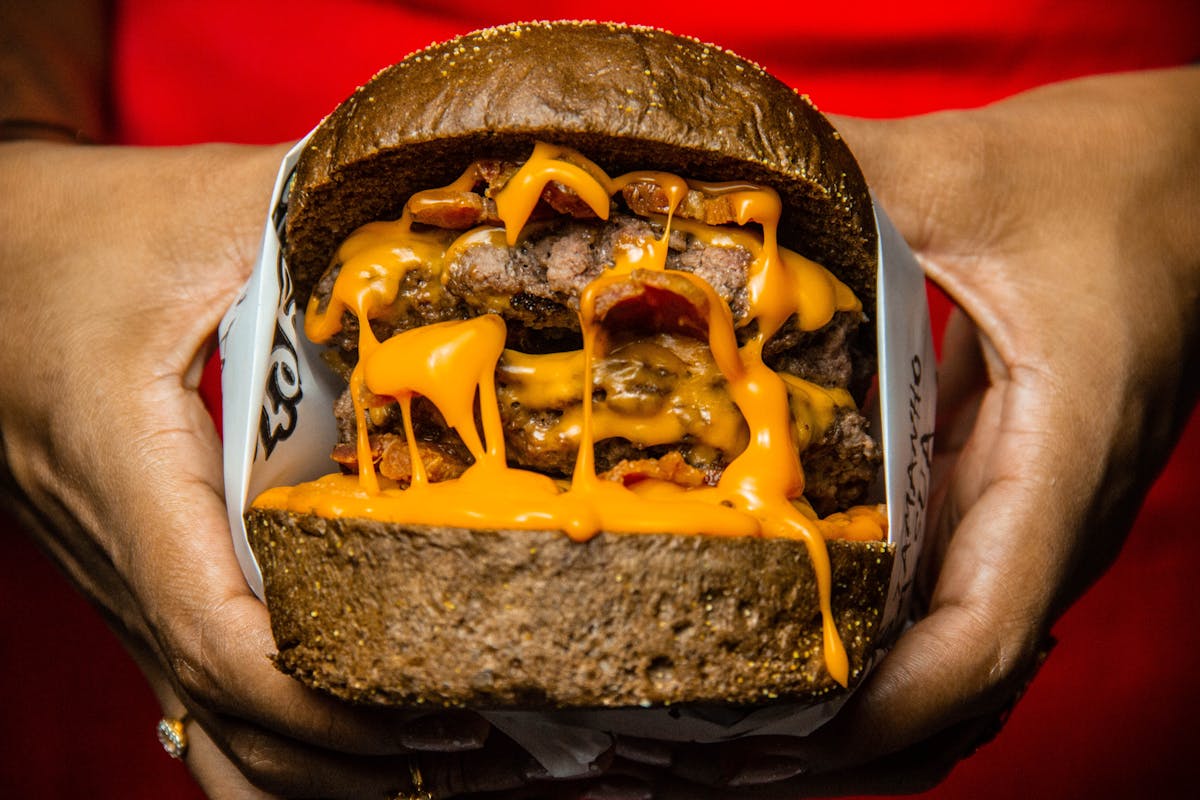
The New Diet Culture: From Detox Teas to Weekly Injections
For years, diet culture sold us rigid meal plans, “guilt‑free” recipes, and endless exercise as the price of worthiness. GLP‑1 medications change the tools, but they don’t automatically fix the underlying pressures: the glorification of thinness, the moralizing of food, and the shame placed on larger bodies.
Social media feeds now mix:
- “What I eat in a day on Ozempic” videos
- Before‑and‑after body shots with weigh‑ins
- Clips from nutritionists focusing on nutrient density and strength
- Recovery stories from people who stopped the drugs and regained weight
In this environment, it’s easy to see GLP‑1 injections as the new magical fix. But long‑term wellbeing has always depended on something less flashy: kind self‑talk, flexible eating patterns, sustainable movement, and access to supportive healthcare.
A medication can change your hunger. It can’t, by itself, heal years of food guilt or make you feel at home in your body.
What Happens After Ozempic or Wegovy? Maintenance & Rebound Weight
One of the most debated questions online is what happens when you stop GLP‑1 medication. Many people report that appetite returns—sometimes strongly—and that weight creeps back up if nothing else has changed.
Why Weight Regain Is Common
Your body has built‑in systems to defend against weight loss. When the medication is removed:
- Hunger hormones may surge.
- Energy expenditure can be lower than before weight loss.
- Old habits and environmental triggers (late‑night snacks, workplace treats) are still there.
Habits That Support Long‑Term Stability
While nothing guarantees weight maintenance, certain structures make rebound less dramatic and support health at any size:
- Structured meals: Regular, balanced meals instead of chaotic snacking.
- Strength training: To rebuild or preserve muscle and metabolic health.
- Mindful eating skills: Noticing fullness, emotional triggers, and satisfaction—not just calorie counts.
- Follow‑up care: Planned check‑ins with your healthcare team as you taper or stop medication.

Gentle, GLP‑1‑Friendly Meal & Snack Ideas
When your appetite is low or your stomach feels iffy, cooking can feel intimidating. Think of meals as small, nourishing “care packages” for your body rather than big culinary projects. Here are some ideas dietitians often suggest, which you can adjust to your culture, tastes, and dietary needs.
Protein‑Rich Breakfasts (or Brunch)
- Soft egg scramble with spinach and a sprinkle of cheese, served with a slice of whole‑grain toast.
- Greek yogurt bowl with berries, a spoonful of oats or granola, and chia seeds for gentle fiber.
- Smoothie made with milk or fortified plant milk, protein powder, banana, and peanut butter or tahini.
Light, Nourishing Lunches & Dinners
- Poached or baked fish with soft rice and steamed vegetables drizzled with olive oil.
- Lentil or bean soup with finely chopped vegetables and a dollop of yogurt on top.
- Tofu or chicken stir‑fry with plenty of vegetables and a modest portion of noodles or rice.
- Stuffed baked potato with cottage cheese, beans, and sautéed greens.
Small Snacks That Pack a Punch
- A cheese stick or a small handful of nuts and fruit.
- Whole‑grain crackers with hummus or bean dip.
- Edamame (soybeans) sprinkled with a bit of salt or chili.
- Milk or soy‑milk latte for protein plus comfort.
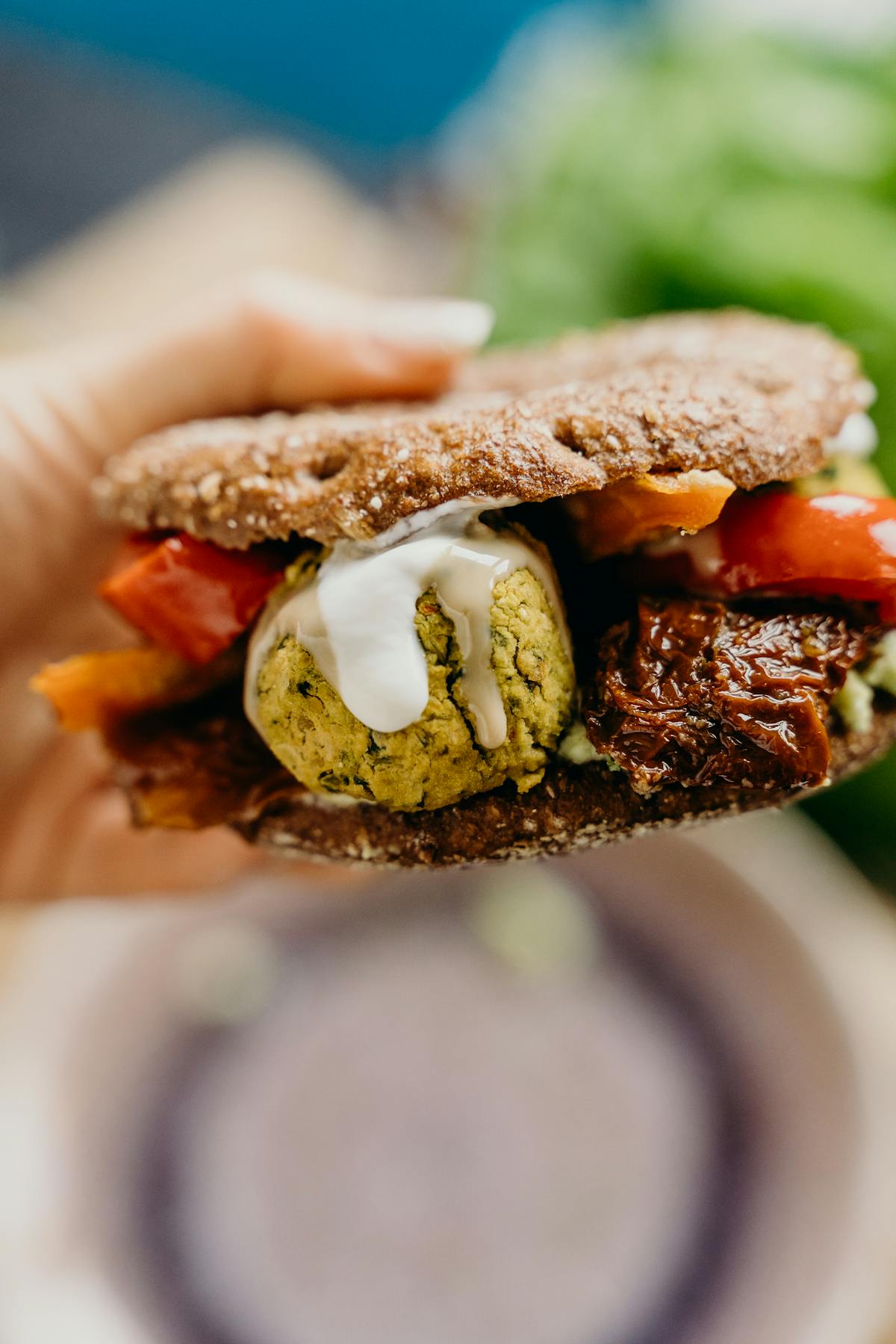
Making GLP‑1 Eating Fit Your Culture, Values & Dietary Needs
One of the risks of online advice is that it often assumes a single way of eating—usually Western, high‑dairy, and centered on certain ingredients. You can absolutely support your health on GLP‑1 medications while honoring your cultural foods and personal ethics.
Plant‑Forward or Vegetarian
- Use tofu, tempeh, seitan, lentils, chickpeas, and other beans as your core proteins.
- Experiment with softer preparations, like dals, stews, and curries with well‑cooked legumes.
- Consider fortified plant milks or yogurts for extra protein and calcium.
Gluten‑Free Needs
- Base meals on rice, quinoa, potatoes, buckwheat, and certified gluten‑free oats.
- Check processed snacks, sauces, and meat substitutes for hidden gluten sources.
Cultural Comfort Foods
If your childhood comfort was congee, dal and rice, couscous stews, or arroz con pollo, you don’t need to abandon those. Instead:
- Trim portion sizes to match your tolerance.
- Add an extra scoop of beans, lentils, tofu, eggs, or lean meat for protein.
- Include vegetables and legumes in familiar dishes rather than forcing completely new recipes.
Ethics, Equity & Informed Consent in the GLP‑1 Era
While individual stories focus on dress sizes and lab results, there’s a bigger public‑health picture to consider. Using powerful medications primarily to meet appearance standards can strain healthcare systems and worsen stigma against those who either can’t or don’t want to use them.
Key Questions Being Asked
- Are people with diabetes or severe obesity facing shortages?
- Do marketing messages emphasize quality of life and health outcomes—or only aesthetics?
- How are marginalized communities portrayed in GLP‑1 conversations, if at all?
- Are risks, side effects, and the likelihood of weight regain clearly communicated?
Finding Your Own Path with GLP‑1 Medications and Food
Whether these medications feel like a lifeline, a last resort, or something you’d rather avoid, you deserve guidance that respects both science and your lived experience. At their best, GLP‑1 drugs can reduce health risks and quiet relentless food noise. At their worst, they can magnify diet culture’s harshest messages and leave people feeling unmoored when the prescription ends.
A balanced approach keeps a few truths in view:
- You are more than your weight, before, during, and after medication.
- Food is not just fuel—it’s culture, pleasure, and connection, even if appetite is lower for a season.
- Sustainable habits—adequate protein, colorful plants, hydration, movement you enjoy, enough sleep—remain foundational.
- It’s okay to ask for help: from clinicians, dietitians, therapists, or supportive communities.
As the conversation around Ozempic, Wegovy, and related drugs continues to evolve, staying curious, critical, and compassionate—with yourself and others—may be the most powerful health habit of all.
