
Why Eating the Same Meals Every Day Might Actually Help You Lose Weight
Could Repeating the Same Meals Actually Help You Lose Weight?
If you’ve ever stared into the fridge at 7:30 p.m., too tired to cook and tempted to order takeout, you know how draining food decisions can be. Now, emerging research suggests that eating many of the same meals day after day may actually make weight loss easier for some people—by shrinking decision fatigue and helping you stay consistent.
Recent work from Drexel University hints that repeating meals can support steadier eating habits and, in turn, more sustainable weight loss. That does not mean you need to eat plain chicken and broccoli forever. It means that a bit of smart, structured repetition might be one of the quiet “superpowers” behind successful long-term weight management.
In this guide, we’ll unpack what the research actually shows, how to use meal repetition in a realistic way, and when variety still matters for your health and sanity.
The Real Problem: Decision Fatigue, Not Willpower
Most people don’t struggle with knowing what to eat. They struggle with doing it consistently, especially when life is busy, stressful, or dull. This is often less about willpower and more about decision fatigue—the mental exhaustion that builds after making dozens of choices all day.
By the time dinner rolls around, you’ve probably made decisions about emails, kids, work, money, and more. Your brain is primed to choose the easiest, most immediately rewarding option: usually ultra-processed, high-calorie convenience foods.
- You are hungrier and more impulsive.
- Ordering in feels easier than cooking.
- Portions are harder to control when you’re tired.
Repeating your meals reduces the number of decisions you have to make around food. You’re no longer asking, “What should I eat?” every few hours—you’re just following a flexible template that you already know works for you.
“When people have a small, reliable rotation of meals they like, it often becomes easier to stay in a calorie range that supports weight loss without feeling like their entire day revolves around food.”
— Registered Dietitian working in weight management clinics
What the Drexel University Research Suggests
A team at Drexel University in the US examined how consistent, repetitive eating patterns influence weight control. While study details continue to evolve, the core takeaway aligns with broader behavioral science:
- People who repeated meals tended to have more predictable calorie intake.
- Predictable intake made it easier to spot patterns and adjust portion sizes.
- More stable habits were associated with better adherence to weight-loss plans over time.
This is similar to what other research has found: dietary “monotony” can reduce overeating for some people by making food less of a constant novelty and more of a routine. That doesn’t mean food becomes joyless; it means that novelty stops driving your choices.
For a deeper look at eating patterns and weight regulation, you can explore work on dietary variety and obesity risk from PubMed’s open-access database, which hosts peer-reviewed nutrition research.
How Eating the Same Meals Can Support Weight Loss
When done thoughtfully, repeating your meals can create a structure that quietly nudges your weight in a healthier direction. Here’s why it can work.
1. Fewer Decisions, Less Mental Load
A small “menu” of go-to breakfasts, lunches, and dinners means:
- You spend less time thinking about food.
- Shopping becomes faster and cheaper.
- Healthy choices become automatic instead of aspirational.
2. Easier Portion and Calorie Awareness
When you eat similar meals, you naturally learn their portion sizes and “impact” on your hunger and energy. Over time you can adjust without obsessively tracking:
- Adding protein if you’re hungry too soon.
- Reducing oil or toppings if weight loss stalls.
- Swapping sides (e.g., salad instead of fries) while keeping the rest of the meal familiar.
3. Lower Food Reward and Fewer “Food Noise” Cravings
Highly varied, ultra-processed diets can keep your brain chasing new flavors and textures, sometimes called “food noise.” Predictable meals can dial this down, making it easier to notice actual hunger versus boredom or stress.
4. More Time and Energy for Other Healthy Habits
When meals are predictable, you can redirect time and focus to sleep, movement, and stress management—all crucial for healthy weight regulation.
How to Use Meal Repetition for Healthy, Sustainable Weight Loss
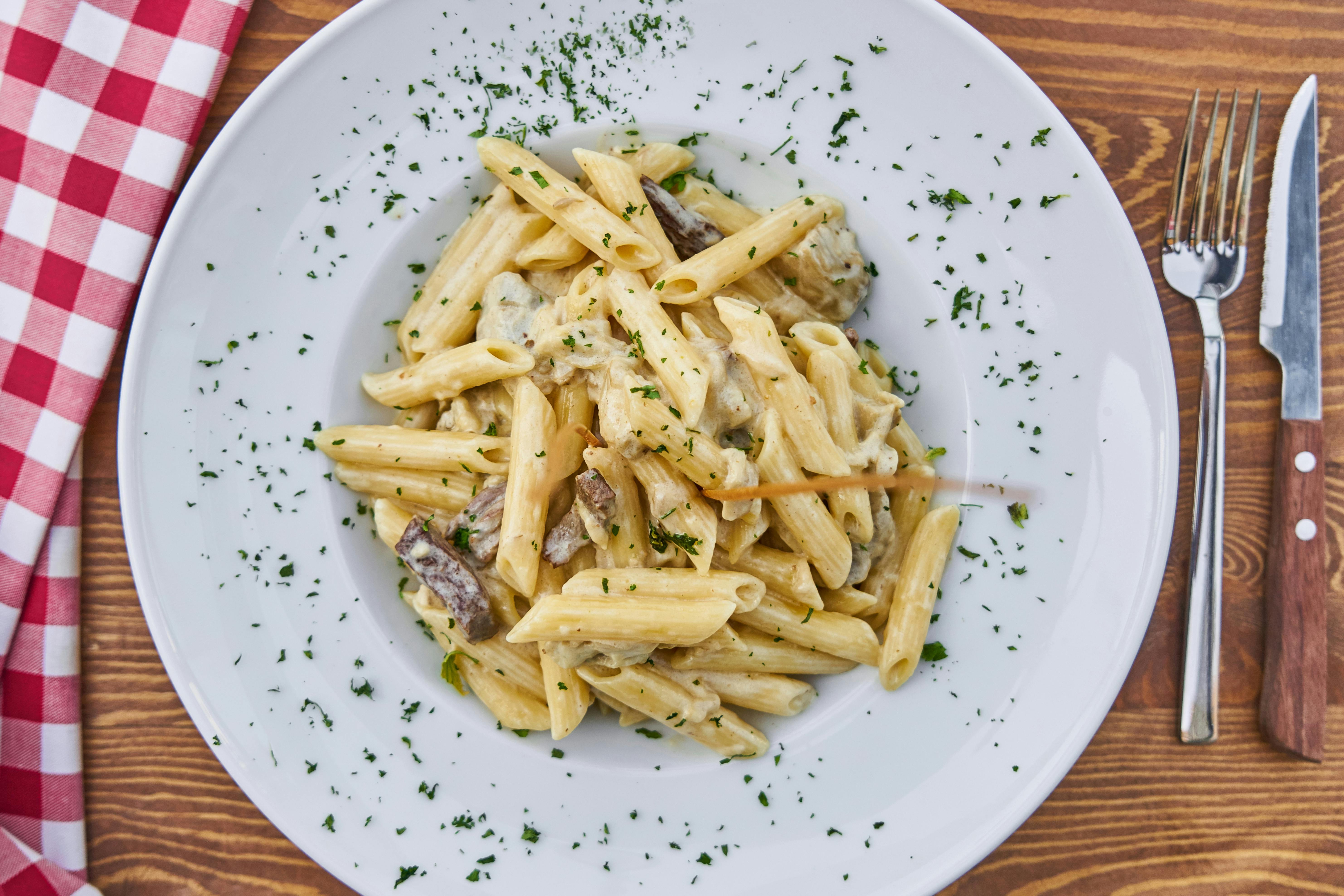
You don’t need a rigid diet plan. You just need a small, flexible roster of meals you genuinely enjoy and can repeat most days with minor tweaks.
Step 1: Choose 2–3 Go-To Meals for Each Time of Day
Aim for meals that check these boxes:
- Protein-focused (keeps you full): eggs, Greek yogurt, tofu, chicken, beans, lentils, fish.
- Fiber-rich: vegetables, fruits, oats, whole grains, beans.
- Moderate in fats: olive oil, avocado, nuts, seeds.
- Realistically convenient for your schedule and cooking skills.
Example rotation (adapt to your culture and preferences):
- Breakfasts (pick 1 most days): oatmeal with berries and Greek yogurt; veggie omelet with whole-grain toast; smoothie with fruit, spinach, and protein powder.
- Lunches: chicken or chickpea salad bowl; rice and beans with veggies; whole-grain wrap with hummus and mixed vegetables.
- Dinners: baked salmon or tofu with roasted vegetables and potatoes; stir-fry with mixed veg, lean protein, and rice; simple chili with beans and lean meat or lentils.
Step 2: Decide Your “Default Weekday Pattern”
Many people find it easiest to repeat meals more during the workweek and allow more variety on weekends. For example:
“On weekdays, I eat roughly the same breakfast and lunch every day and rotate 2–3 simple dinners. On weekends, I relax the structure and enjoy more variety, while still listening to hunger and fullness.”
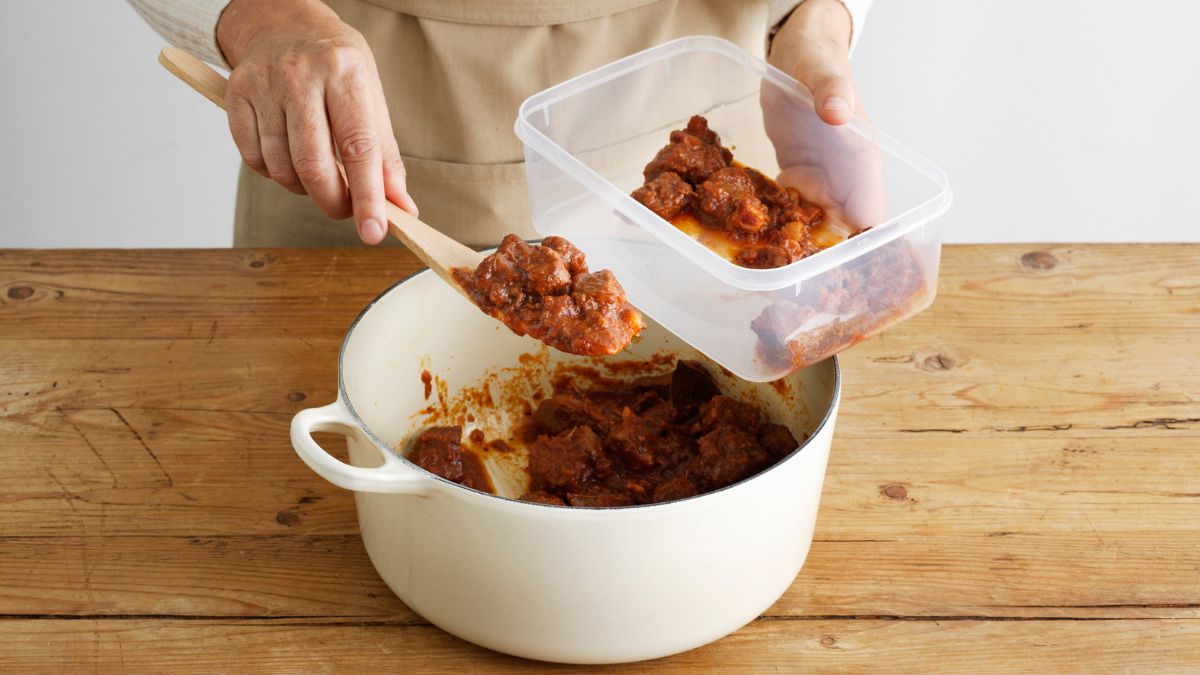
Step 3: Batch Cook and Use Leftovers Intentionally
Repetition becomes dramatically easier if you cook once and eat multiple times:
- Cook a big batch of a base (like grains, roasted vegetables, or protein) once or twice a week.
- Store in clear containers so you can see what’s available.
- Recombine the same ingredients in slightly different ways (e.g., grain bowl one day, wrap the next).

Step 4: Keep a “Same Meal, Lighter Version” Playbook
Instead of changing what you eat, adjust how you build the plate:
- Use a smaller plate or bowl while keeping the same meal.
- Double the vegetables; slightly reduce the starch or added fats.
- Keep high-calorie extras (cheese, sauces, oils) measured instead of free-poured.
Common Obstacles (and How to Overcome Them)
If the idea of eating similar meals most days makes you hesitate, you’re not alone. Here are typical concerns and practical ways around them.
“I Get Bored Easily”
Boredom is valid—and it’s a sign you may need smart variation within a structure, not a completely different diet.
- Keep the same base (e.g., grain bowl) but rotate sauces, herbs, or spices.
- Alternate 2–3 breakfast options instead of just one.
- Use seasonal produce to add color and flavor without changing the whole meal.
“My Family Won’t Eat Like This”
You don’t have to cook separate dinners for everyone. Instead:
- Use a “build-your-own” approach (taco night, grain bowls, pasta bowls) with shared ingredients.
- Keep your plate structure consistent while allowing others to add extras.
- Repeat the pattern (protein + veg + starch) even if the exact ingredients vary.
“I’m Worried About Missing Nutrients”
Variety is important for long-term health, especially for micronutrients and gut health. Repetition works best when you still build in some diversity across the week. Aim for:
- Different colored fruits and vegetables over several days.
- A mix of protein sources (plant and/or animal, depending on your preferences).
- Whole grains instead of only refined grains.
A Real-Life Example: Simplifying to Succeed
Consider “Alex,” a 38-year-old professional juggling work and family. For years, Alex tried complex diets and tracking apps but always burned out after a few weeks. Evenings often ended with fast food because cooking felt like one decision too many.
Working with a dietitian, Alex decided to simplify instead of intensify:
- Picked two breakfasts and two lunches to repeat Monday–Friday.
- Chose three dinners the whole family liked and rotated them.
- Meal-prepped on Sundays for 60–90 minutes.
Over three months, Alex noticed:
- Less evening snacking, because meals were more filling.
- Fewer “I’ll just grab something” takeout nights.
- Steady, moderate weight loss—around 0.25–0.5 kg (0.5–1 lb) per week.
This pace is typical of sustainable weight loss, and while every body is different, Alex’s experience captures the power of consistency: fewer decisions, more follow-through.

Before and After: What Changes When You Repeat Meals
Instead of dramatic before-and-after photos, it’s more honest to talk about the behavioral shifts that often happen when people adopt a more repetitive eating pattern.
- Random breakfasts (or skipping), rushed lunches, last-minute dinners.
- Frequent takeout or delivery 3–5 nights per week.
- Snacking in the late evening due to inconsistent meals.
- Frustration from feeling “out of control” with food.
- Predictable, balanced breakfasts and lunches most weekdays.
- Takeout reduced to 0–2 times per week, as a choice instead of a default.
- Fewer intense cravings thanks to more stable hunger and energy.
- A sense of calm around food—even if weight loss is gradual.

What the Science Says About Variety, Satiety, and Weight
The idea that repeating meals can help with weight loss fits into a larger body of research on dietary variety and energy intake.
- Variety can increase eating: Experimental studies have shown that when people are exposed to multiple flavors and textures within a meal, they tend to eat more overall, a phenomenon called the “variety effect.” This is one reason buffets can lead to overeating.
- Monotony can reduce intake—up to a point: Limiting variety within a single meal may reduce how much is eaten in that moment. However, extremely monotonous diets can be hard to stick to and may lack nutrients.
- Balanced repetition works best: Using a limited rotation of nutritious meals can harness the benefits of predictability without sacrificing the health benefits of diversity over time.
For objective summaries and guidelines, resources such as the World Health Organization on obesity and diet and The British Nutrition Foundation offer evidence-based perspectives on dietary patterns and weight.
Staying Safe: When Meal Repetition Might Not Be Helpful
While structured repetition can be powerful, it’s not ideal in every situation.
- History of disordered eating: Very rigid eating patterns can sometimes reinforce obsessive or restrictive behaviors. In these cases, it’s crucial to work with a therapist or eating-disorder–informed dietitian.
- Medical diets: Conditions like kidney disease, celiac disease, or severe food allergies require specialized guidance to ensure that repetitive meals remain safe and nutritionally adequate.
- Rapid, extreme weight loss goals: Repeating the same very low-calorie meals to lose weight quickly can be risky and typically isn’t sustainable. Gradual change is safer and more maintainable.
Putting It All Together: Start Small, Repeat What Works
You don’t need to overhaul your entire diet to benefit from this approach. Often, the biggest wins come from a few simple, repeatable upgrades done consistently.
Instead of asking, “What’s the perfect diet?” try asking, “What’s one meal I can repeat most days for the next month that moves me a bit closer to where I want to be?”
- Pick one breakfast and one lunch that feel realistic and filling.
- Repeat them on weekdays for the next two weeks.
- Notice how your hunger, energy, and evening choices change.
- Adjust portions or ingredients as needed, then keep going.
Over time, these small, predictable choices can quietly reshape your habits—and your weight—without requiring perfection or constant willpower.
Your next step: choose tomorrow’s breakfast and lunch today, write them down, and consider making them your “default” meals for the week. Let consistency, not complexity, do the heavy lifting.
SEO & Structured Data (Meta Information)
Meta Title: Eating the Same Meals Every Day: Can Repetition Help With Weight Loss?
Meta Description: Discover how repeating the same meals each day can reduce decision fatigue, support consistent calorie control, and help with sustainable weight loss—without sacrificing nutrition or enjoyment.
