
The Hybrid Diet That Protects Your Heart And Slows Brain Aging, According To A Decade-Long Study
Imagine going in for a routine brain scan in your 70s and being told, “Your brain looks closer to someone in their early 60s.” That’s essentially what a decade-long study of around 1,600 adults has hinted could be possible—not with a pill, but with a very particular way of eating.
This “hybrid” diet, often referred to in research as a variation of the MIND diet (a blend of Mediterranean and DASH diets), has already been praised for protecting the heart. Now, the latest findings suggest it may also slow brain aging and reduce the risk of neurodegenerative diseases like Alzheimer’s and Parkinson’s.
In this guide, we’ll unpack what this diet actually looks like on your plate, how strong the science really is, and—most importantly—how you can start using it in a realistic, sustainable way, even if you’re busy, stressed, or not a fan of “diets.”

Why Brain Aging Is The New Health Emergency
As global populations age, neurodegenerative conditions are rising at an alarming rate. Alzheimer’s, Parkinson’s, and other forms of dementia don’t just affect memory—they impact independence, families, and entire healthcare systems.
- Alzheimer’s disease is one of the leading causes of disability in older adults worldwide.
- The number of people living with dementia is projected to triple by 2050, according to the World Health Organization.
- There is still no cure, and current medications only modestly slow symptoms in some people.
That’s why researchers are urgently looking at prevention and risk reduction—especially lifestyle choices we can control, like diet, physical activity, sleep, and social engagement.
What Is This “Hybrid” Brain-Healthy Diet?
The diet highlighted in the new decade-long study is a hybrid of two well-researched eating patterns:
- Mediterranean diet – Rich in vegetables, fruits, olive oil, whole grains, beans, nuts, seeds, and fish.
- DASH diet (Dietary Approaches to Stop Hypertension) – Designed to lower blood pressure with fruits, vegetables, low-fat dairy, whole grains, and limited sodium.
When researchers combined the most brain-protective features of both, they created a pattern often referred to as the MIND diet (Mediterranean–DASH Intervention for Neurodegenerative Delay). The new findings basically confirm: a MIND-like hybrid diet not only supports cardiovascular health, it also appears to slow brain aging itself.
“If we think of the brain as the most energy-hungry organ in the body, it makes sense that the same foods that keep your blood vessels healthy would also protect your neurons.”
— Neurology and Nutrition Researcher, summarizing current evidence
Inside The 10-Year Study: How Diet Linked To Slower Brain Aging
The study followed roughly 1,600 adults over about a decade. Researchers regularly assessed:
- How closely participants’ eating patterns matched this hybrid MIND-style diet.
- Brain structure and function (using imaging and/or cognitive testing, depending on the specific protocol).
- Other health factors such as blood pressure, cholesterol, and lifestyle habits.
Those who adhered more closely to the hybrid diet had:
- Slower decline in cognitive performance over the study period.
- Signs of reduced brain aging on imaging (such as less brain atrophy), compared with those whose diets were least aligned.
- Generally better cardiovascular markers, which likely contributed to brain protection.
Importantly, this was an observational study. That means:
- It can’t prove that the diet alone caused slower brain aging.
- But it does show a strong, consistent association, even after adjusting for many confounding factors.
How This Diet May Protect The Brain: Four Key Mechanisms
While we don’t fully understand every pathway, current science points to several ways a heart- and brain-healthy hybrid diet may slow brain aging:
- Better blood flow to the brain
Diets rich in whole plant foods, nuts, seeds, and healthy fats improve blood vessel function and reduce blood pressure. That means more oxygen and nutrients reach your brain cells. - Reduced chronic inflammation
Colorful fruits and vegetables, herbs, spices, and omega-3-rich fish provide antioxidants and anti-inflammatory compounds that may help protect neurons. - Stabilized blood sugar and insulin
Whole grains and fiber-rich foods prevent sharp glucose spikes, which are increasingly linked with faster brain aging and higher dementia risk. - Healthier gut–brain communication
Fiber feeds beneficial gut bacteria, which produce compounds that can influence mood, cognition, and inflammation throughout the body.
Core Principles Of The Hybrid Heart–Brain Diet
The good news: you don’t need perfection. In many studies, even moderate adherence to a MIND-style diet was associated with better brain outcomes. Here are the broad principles:
Foods To Emphasize
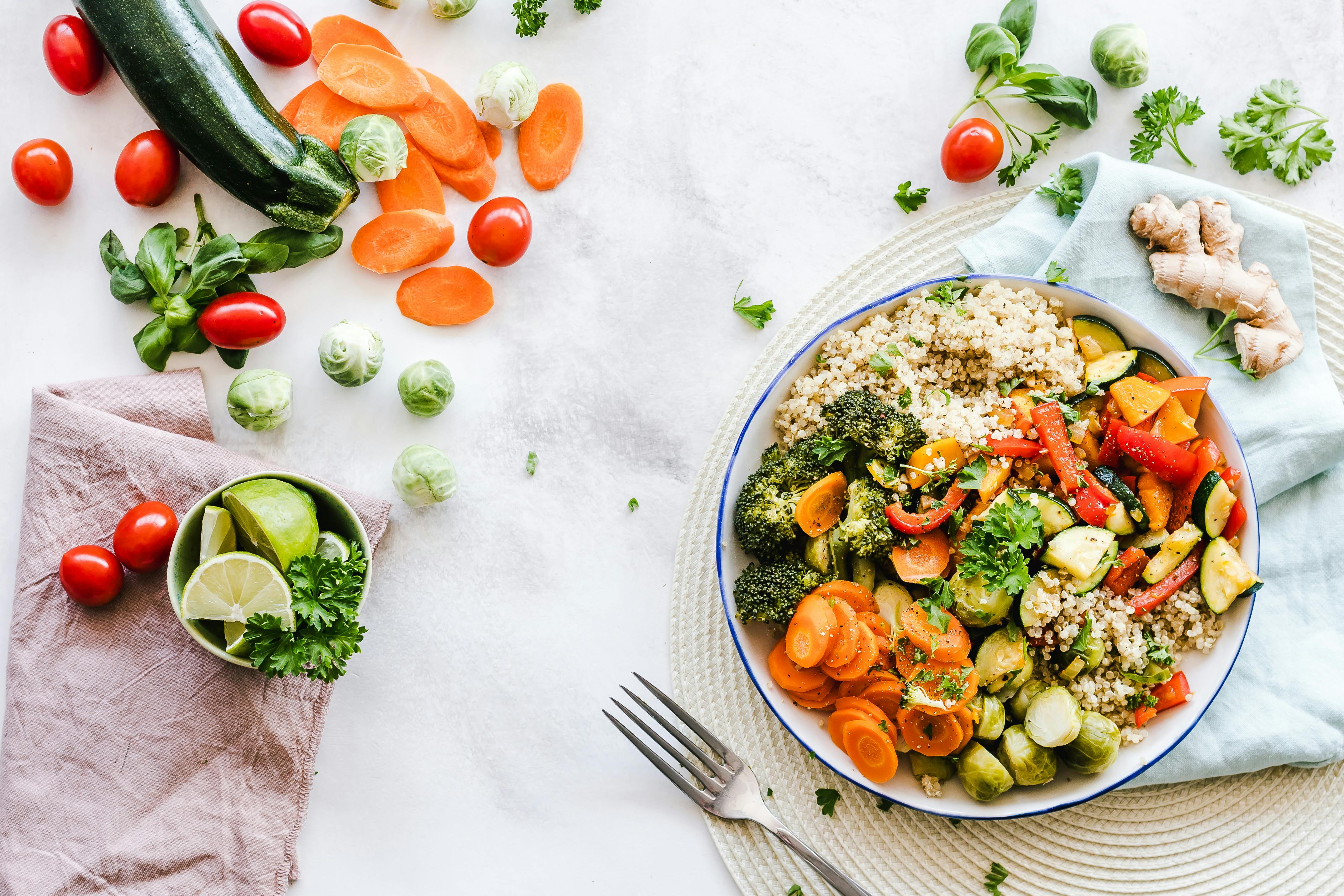
- Leafy greens (spinach, kale, fenugreek, amaranth, mustard greens): Aim for most days of the week.
- Other vegetables: At least one additional vegetable daily, ideally more.
- Berries (blueberries, strawberries, blackberries): A few times per week if possible.
- Whole grains (oats, brown rice, millet, quinoa, whole wheat, ragi): Most days.
- Legumes (lentils, chickpeas, beans): Several times per week.
- Nuts & seeds (almonds, walnuts, flax, chia, pumpkin seeds): Small handful most days.
- Fish (especially fatty fish like salmon, sardines, mackerel): About once or more per week if you consume animal products.
- Olive oil or other unsaturated plant oils: Main added fat where feasible.
Foods To Limit (Not Necessarily Eliminate)
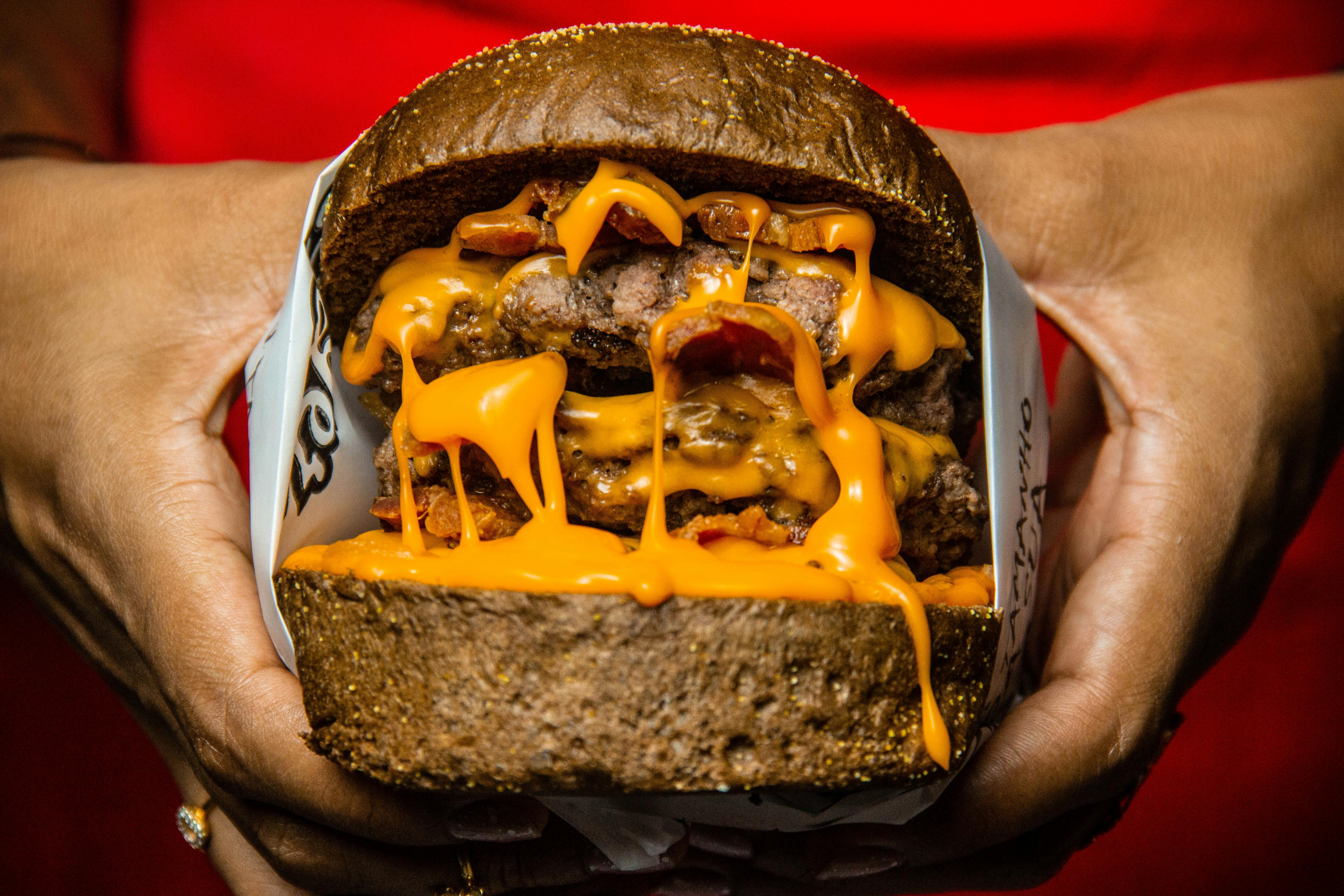
- Processed meats (sausages, bacon, some deli meats).
- Red meat in excess: Especially high-fat cuts.
- Butter, ghee in large amounts, and trans fats.
- Refined grains (white bread, refined flour pastries) and ultra-processed snacks.
- Sugary drinks and sweets as daily staples.
- Heavy alcohol intake; some studies suggest light-to-moderate wine may fit in, but alcohol is not necessary and isn’t risk-free.
Turning Science Into A Plate: How To Start In 7 Steps
If you’re already feeling overwhelmed, you’re not alone. Most people I’ve worked with don’t succeed by changing everything at once—they succeed by changing one or two things consistently.
- Start with your staples
Look at what you eat most often. Can you swap:- White rice → partly or fully brown rice, millet, or quinoa?
- Fried snacks → roasted chickpeas, nuts, or seeds?
- Butter/ghee in all dishes → a mix of olive oil or other unsaturated oils and smaller amounts of traditional fats?
- Add leafy greens to one meal per day
This is one of the strongest components in brain-aging research. Stir into dals, curries, omelets, salads, or smoothies. - Schedule your “brain berries”
Aim for berries two or more times per week. Frozen berries are perfectly fine and often cheaper. - Include a plant protein at most meals
Lentils, beans, tofu, tempeh, peas, or hummus help stabilize blood sugar and support gut health. - Choose nuts as your default snack
A small handful of mixed nuts (particularly walnuts and almonds) instead of chips or sweets most days. - Plan fish or omega-3 alternatives weekly
If you eat fish, schedule it once or more per week. If not, emphasize flax, chia, walnuts, and consider talking to your doctor about an algae-based omega-3 supplement. - Reduce, don’t ban, “less brain-friendly” foods
Instead of “never again,” try:- “Weekends only” for sweets or fried foods.
- Half your current frequency of processed meats or fast food.
A Real-World Example: From Overwhelmed To “Hybrid” Without Losing Culture
A client in her late 50s—we’ll call her Meera—came to me worried about her strong family history of dementia. She loved her traditional foods and was exhausted by the idea of counting calories or “eating like a rabbit.”
Instead of a full overhaul, we focused on tweaks:
- She kept her daily dal and rice, but we shifted half the rice to brown and added spinach or fenugreek leaves to the dal.
- She swapped her evening fried snack for mixed nuts three days a week.
- She added one fish meal most weeks and berries to yogurt twice per week.
- We gradually cut her bakery sweets from daily to two evenings per week.
Over 12 months, her cholesterol and blood pressure improved, she reported fewer afternoon energy crashes, and her memory “fog” episodes reduced. We can’t claim diet alone changed her brain—she also walked more and slept better—but her lab markers and daily functioning moved in the right direction.
This is what the research really supports: incremental risk reduction and better overall function, not miracle cures.
Common Obstacles (And How To Gently Work Around Them)
If you’ve tried to “eat healthy” before and it didn’t stick, you’re in good company. Here are frequent stumbling blocks and realistic strategies:
1. “I don’t have time to cook all this.”
- Batch-cook beans, lentils, and whole grains once or twice a week.
- Use frozen vegetables and berries—nutritionally solid and time-saving.
- Keep “assembly meals”: whole-grain bread, hummus, pre-washed greens, canned beans, nuts.
2. “Healthy food is too expensive.”
- Base meals on lentils, beans, seasonal vegetables, and whole grains, which are often cheaper per serving than meat or processed snacks.
- Buy nuts and seeds in bulk and use small portions.
- Choose local, in-season fruits instead of imported “superfoods.”
3. “My family won’t eat this.”
- Change one component at a time: swap the oil, add an extra vegetable dish, upgrade the grain.
- Keep familiar flavors and spices; change ingredients gradually.
- Offer “build-your-own” bowls or wraps so everyone customizes their plate.
4. “I crave sweets and fried foods.”
- Don’t aim for zero. Aim for less often and smaller portions.
- Pair sweets with nuts or yogurt to blunt blood sugar spikes.
- Improve sleep and stress management—both strongly influence cravings.
A Sample “Hybrid Diet” Day (Flexible Template, Not A Rulebook)
Use this as inspiration, not a strict plan. Adjust for your culture, budget, and preferences.
- Breakfast
Oats cooked with milk or a fortified plant drink, topped with mixed nuts, seeds, and a handful of berries or seasonal fruit. - Mid-morning
A small handful of roasted chickpeas or nuts; green tea or herbal tea. - Lunch
Brown rice or millet with a large serving of mixed vegetable curry, a generous portion of dal or beans, and a side of leafy greens or salad. - Afternoon
Plain yogurt or curd with fruit, or hummus with carrot/cucumber sticks. - Dinner
Grilled or baked fish (or tofu/paneer) with olive-oil-based sautéed vegetables and a whole-grain side like quinoa, roti, or barley. - Evening treat (if desired)
A small square of dark chocolate or a homemade dessert using less sugar, enjoyed mindfully.
Before vs. After: What Changes Can You Realistically Expect?
Everyone’s starting point and biology are different, so there are no guarantees. But based on research and clinical experience, here’s a realistic comparison over 6–24 months, assuming consistent (not perfect) adherence:
Common “Before” Pattern
- Frequent reliance on refined grains and fried snacks.
- Low vegetable and berry intake.
- High intake of processed meats or fast food.
- Irregular energy levels and afternoon slumps.
- Growing worry about memory, especially with family history.
Possible “After” Pattern
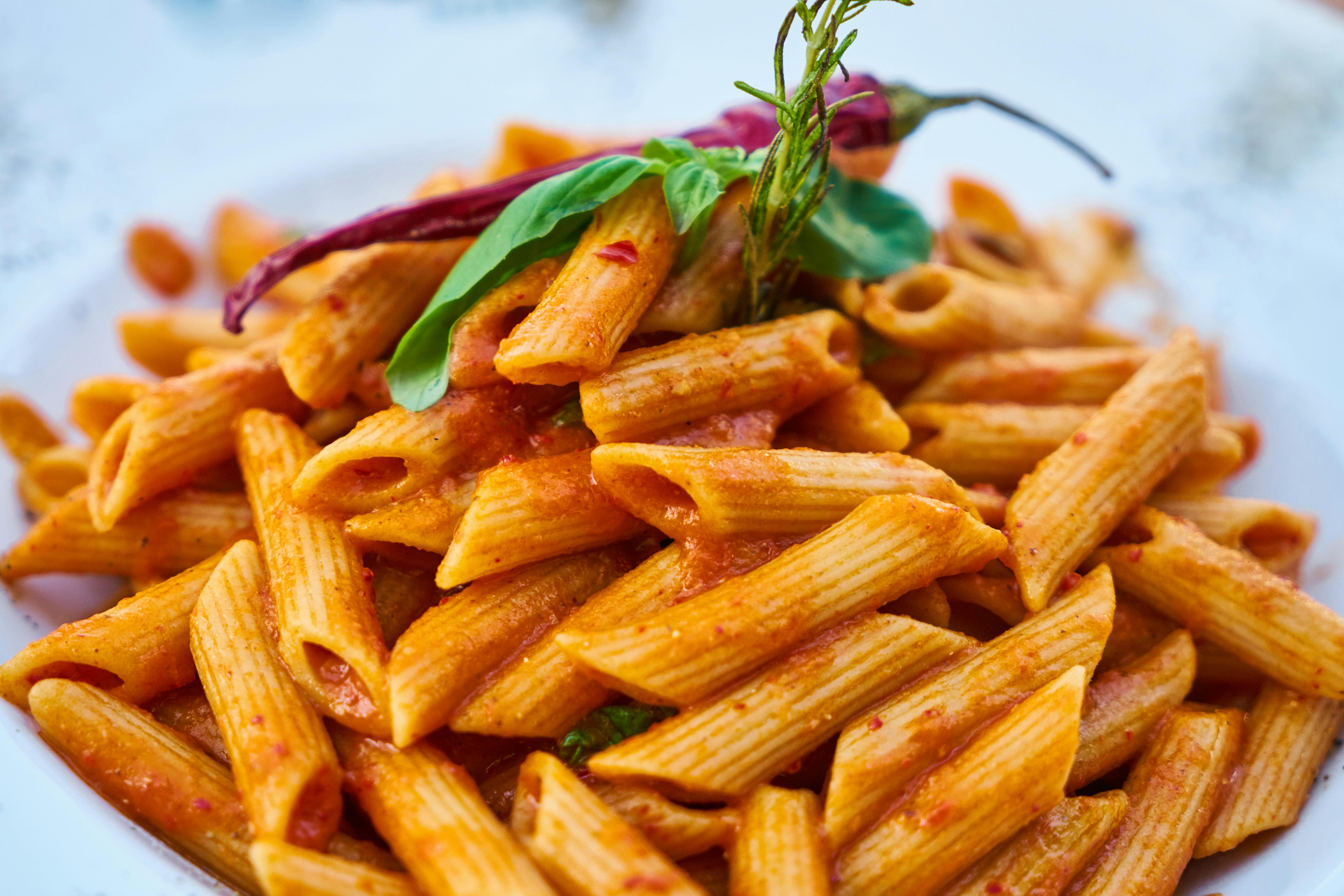
- More meals based on whole grains, legumes, and vegetables.
- Regular leafy greens and berries added to the week.
- Processed meats and ultra-processed foods moved to “occasionally.”
- Improved blood pressure, cholesterol, or blood sugar (for many people).
- Subjective improvements in focus, mood, and energy for some.
The deeper brain benefits—like slower structural brain aging—are not things you’ll feel day-to-day. They’re quiet advantages that may show up years later as more independence and clearer thinking. That’s why consistency over decades, not perfection over weeks, is what matters.

Quick Q&A: What People Ask Most About Brain-Healthy Eating
- Does this diet cure or prevent Alzheimer’s or Parkinson’s?
- No. Current evidence suggests it may reduce risk or slow decline in some people, but it’s not a cure or a guarantee. Genetics, age, vascular health, and many other factors also play major roles.
- Is it too late to start if I’m already in my 60s or 70s?
- Studies show benefits even when changes begin in later life. It’s likely that earlier is better, but “too late” is rarely accurate when it comes to improving diet quality.
- Do I need supplements?
- Most brain benefits in research come from whole foods, not pills. That said, some people may need vitamin B12, vitamin D, or omega-3 supplements depending on their diet and lab values—work with your healthcare provider to assess your specific needs.
- Can I follow this if I’m vegetarian or vegan?
- Yes. Emphasize legumes, tofu, tempeh, nuts, seeds, whole grains, vegetables, and berries. Talk with a professional about B12 and possibly omega-3 from algae-based sources.
Bringing It All Together: Your Next Right Step
The new decade-long study on this hybrid, heart-protective, brain-friendly diet adds to a powerful message: what you eat today shapes how your brain ages tomorrow. Not with drama or perfection, but with quiet, steady influence.
You don’t need to adopt a new identity or abandon your cultural foods. You only need to keep asking, meal by meal:
“How can I make this just a little more brain-friendly?”
Maybe that’s adding a serving of greens to your usual lunch, choosing nuts instead of chips twice this week, or planning one fish or bean-based dinner. These are small acts, but over years, they add up.
Your call-to-action for today:
- Pick one upgrade from this article—just one.
- Decide when you’ll do it next week (specific day and meal).
- Tell a friend or family member so you have gentle accountability.
Your brain is with you for life. Every small, consistent choice you make in its favor is an act of long-term self-respect.
