
Why Colon Cancer Is Rising in Younger Adults — And the Hidden Warning Sign Doctors Just Found
Colon cancer used to be something most people worried about after age 50. Now, more adults in their 20s, 30s, and 40s are being diagnosed — often at later stages, when treatment is harder and more disruptive to work, family, and finances.
New research from scientists at UT Dallas and UT Southwestern in the Dallas–Fort Worth area has uncovered a crucial clue: in many younger adults, colon tumors appear to arise in “scar-like” tissue in the colon, changes that seem to develop before cancer forms. This discovery doesn’t solve the problem overnight, but it may help explain why colon cancer in younger adults looks and behaves differently — and how we might catch it earlier.
If you’re under 50 and you’ve heard about rising rates of colon cancer, it’s understandable to feel uneasy. The goal of this guide is to translate that science into clear, practical steps you can use to protect your health — without panic, guilt, or false promises.

Why Colon Cancer Is Rising in Younger Adults
Over the last two decades, colon and rectal cancer (often grouped as colorectal cancer) has declined in older adults but increased in people under 50. According to recent data from the American Cancer Society and other major registries:
- Colorectal cancer is now a leading cause of cancer death in people under 50 in the U.S.
- More cases are being diagnosed at advanced stages in younger adults.
- Younger patients are more likely to have tumors on the left side of the colon or in the rectum.
No single cause explains this trend. Researchers suspect a mix of:
- Dietary patterns high in ultra-processed foods and low in fiber
- Changes in gut microbiome due to antibiotics, infections, and environment
- Sedentary lifestyles and increasing obesity
- Chronic low-grade inflammation
- Possible environmental exposures we don’t fully understand yet
The New Dallas–Fort Worth Discovery: Scar-Like Colon Tissue
The UT Dallas and UT Southwestern team examined tumors and surrounding colon tissue from younger and older patients. Their standout finding: in many younger adults, cancers appeared to grow out of areas of scar-like, fibrotic tissue in the colon wall.
This scar-like tissue is not the same as the typical polyps that colonoscopies are designed to find. Instead, it may represent earlier, subtle damage and healing in the colon — similar to how repeated irritation on the skin can leave a scar.
“We’re seeing tumors in younger adults that appear to arise from chronically injured, scarred tissue rather than the classic progression from benign polyps. This suggests there may be a long window of opportunity to spot these changes if we know what to look for.”
While details are still being studied and validated, this work suggests:
- There may be earlier warning signs in the colon wall long before cancer forms.
- Younger-onset colon cancer might have different biological roots than later-onset disease.
- Future screening tools could potentially look for patterns of chronic injury or fibrosis, not just polyps.

What This Means for You If You’re Under 50
The study doesn’t mean everyone in their 20s and 30s needs an immediate colonoscopy. Instead, it reinforces three key points:
- Symptoms at any age deserve attention. Persistent blood in the stool, changes in bowel habits, unexplained weight loss, or ongoing abdominal pain shouldn’t be brushed off as “just stress” or hemorrhoids.
- Screening recommendations are shifting younger. Major guidelines (e.g., U.S. Preventive Services Task Force) now recommend routine colorectal cancer screening starting at age 45 for average-risk adults.
- High-risk individuals may need earlier screening. Family history, certain genetic syndromes, inflammatory bowel disease, and some lifestyle factors all matter.
Early Warning Signs of Colon Cancer You Shouldn’t Ignore
Having one of these symptoms does not mean you have cancer. Many other conditions can cause similar problems. But if any of the following persist for more than a couple of weeks, it’s worth a conversation with a healthcare professional:
- Blood in your stool (bright red or very dark/black)
- A noticeable change in bowel habits (diarrhea, constipation, or narrower stools) that lasts more than 2–3 weeks
- Feeling like you can’t fully empty your bowels
- Unexplained weight loss or loss of appetite
- Persistent abdominal discomfort, cramping, or gas
- New, significant fatigue, especially with low iron levels
Be specific when you talk to your clinician: mention how long symptoms have lasted, any family history, and whether symptoms are getting worse.
Current Screening Options for Younger Adults
Even as research evolves, established screening tools remain the backbone of early detection. For average-risk adults:
- Age 45–75: Routine screening is recommended.
- Age 76–85: Screening is individualized based on overall health and prior screening.
Common screening methods include:
- Colonoscopy (every 10 years if normal)
- Visualizes the entire colon and rectum.
- Allows removal of polyps during the same procedure.
- Still the “gold standard,” especially for higher-risk individuals.
- Stool-based tests (every 1–3 years, depending on the test)
- Check for hidden blood or abnormal DNA in stool.
- Non-invasive, can be done at home.
- Abnormal results typically require follow-up colonoscopy.
- CT colonography (“virtual colonoscopy”)
- Uses CT imaging to visualize the colon.
- Requires bowel prep; if polyps are found, a traditional colonoscopy is needed to remove them.

Lifestyle Factors That Influence Colon Cancer Risk
Lifestyle alone does not explain every case — especially in younger, otherwise healthy people. But multiple large studies suggest that certain choices can lower risk over time, and they may also protect that vulnerable colon tissue from chronic injury and scarring.
1. Eating for a Healthier Colon
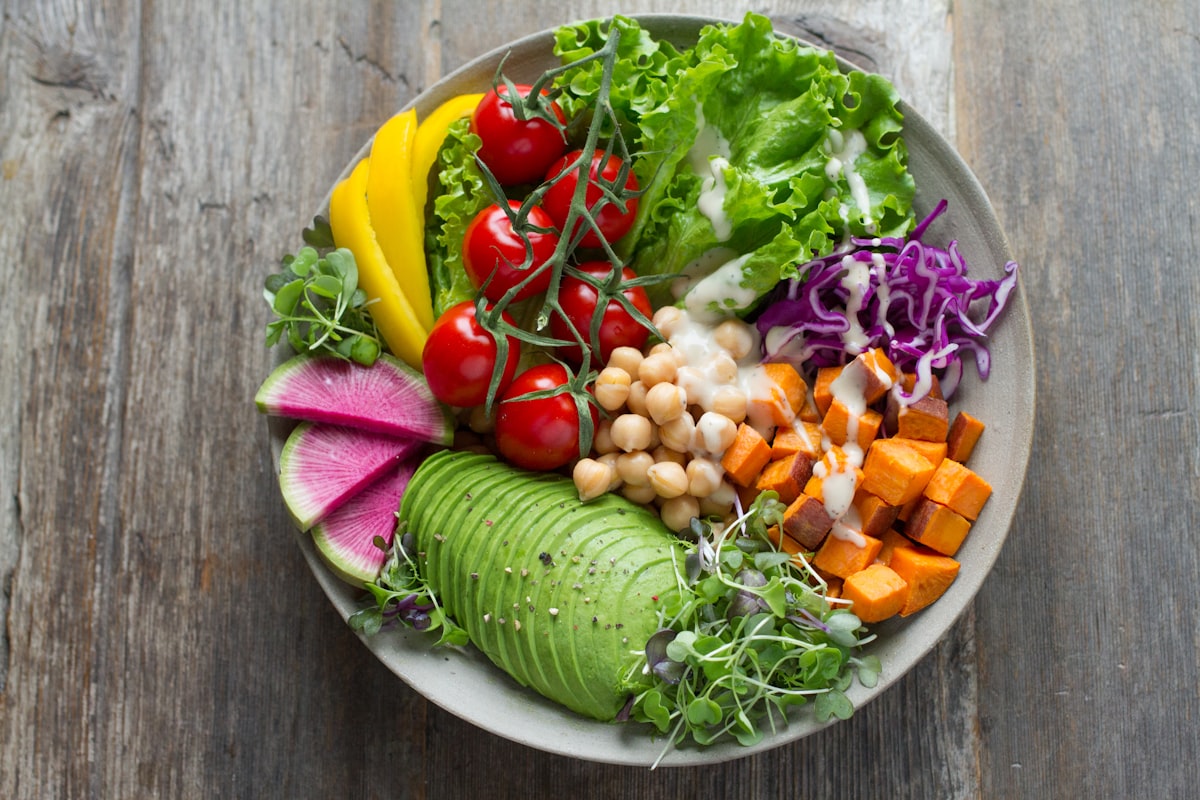
- Increase fiber: Aim for at least 25–30 grams per day from fruits, vegetables, legumes, nuts, and whole grains.
- Limit processed meat: Sausages, hot dogs, bacon, and deli meats are linked to higher colorectal cancer risk.
- Moderate red meat: Especially charred or heavily processed forms.
- Include fermented foods: Yogurt with live cultures, kefir, kimchi, or sauerkraut can support a healthier gut microbiome.
2. Movement, Weight, and Metabolic Health
- Aim for at least 150 minutes per week of moderate-intensity activity (like brisk walking), or 75 minutes of vigorous activity.
- Include muscle-strengthening exercises 2+ days per week.
- Focus on waistline and metabolic health (blood pressure, blood sugar, cholesterol), not just the number on the scale.
3. Alcohol, Tobacco, and Other Exposures
- Smoking is a known risk factor for many cancers, including colorectal.
- Alcohol should be limited; even moderate drinking has been associated with increased colorectal cancer risk in some studies.
How This Research Could Change Future Prevention and Treatment
The identification of scar-like, fibrotic colon tissue as a potential precursor to cancer in younger adults opens several promising avenues:
- New imaging techniques that better highlight subtle fibrosis or chronic injury during colonoscopy.
- Biomarkers in blood or stool that signal ongoing colon wall damage before a tumor appears.
- Targeted therapies that interrupt the biological pathways connecting chronic injury, scarring, and tumor growth.
- Refined risk models that combine lifestyle, microbiome, genetics, and tissue changes to personalize screening schedules.
These advances are still in development and must be tested carefully. For now, this research mainly strengthens the case for:
- Taking persistent GI symptoms seriously at any age.
- Expanding early screening to more people in their 40s and high-risk individuals.
- Investing in large, long-term studies of younger populations.
Common Obstacles to Early Detection — And How to Overcome Them
Understanding the science is only part of the picture. Many younger adults run into practical and emotional barriers when it comes to colon health.
1. “I’m Too Young for This to Be Serious.”
Cultural expectations and even outdated medical assumptions sometimes lead to delays in investigating symptoms in younger people.
What helps: Clearly state your concerns, how long symptoms have lasted, and any relevant family history. It’s reasonable to ask, “Given the rise in colon cancer in younger adults, can we rule that out?”
2. Fear and Embarrassment
Talking about bowel habits or rectal bleeding can feel uncomfortable, and procedures like colonoscopies can be intimidating.
What helps: Remember that digestive health is a routine, daily part of medical practice. You’re not the first or the last person to ask. If it helps, write down your symptoms beforehand or bring a trusted friend or family member to your appointment.
3. Cost and Access
Insurance coverage, time off work, and limited access to specialists can all get in the way.
What helps: Ask your clinician or local health department about:
- Low-cost or subsidized screening programs
- Whether home-based stool tests are appropriate as a first step
- Telehealth visits to triage symptoms and prioritize next steps
Putting It All Together: Practical Steps You Can Take This Month
You don’t need to overhaul your life overnight. Start with a few focused, realistic actions:
- Check your family history. Ask relatives if anyone has had colon, rectal, uterine, ovarian, or other GI cancers and at what age. Share this with your clinician.
- Know your symptoms. If you have ongoing rectal bleeding, bowel changes, or abdominal pain, write down when they started, what makes them better or worse, and how often they occur.
- Schedule a conversation with a clinician. Even a brief visit can clarify whether you need testing, lifestyle changes, or simply monitoring.
- Make one sustainable lifestyle shift. For example: add one serving of vegetables at lunch, swap one processed snack for nuts or fruit, or add a 10–15 minute walk after dinner.
- Stay informed from trusted sources. Follow updates from organizations like:
A Compassionate Reality Check — And a Call to Pay Attention
The rise of colon cancer in younger adults is alarming, and stories of well-known actors and seemingly healthy peers facing late-stage disease are understandably unsettling. The new Dallas–Fort Worth research on scar-like colon tissue gives us a clearer picture of what might be happening long before a tumor appears — and with that picture comes opportunity.
You can’t control every risk factor, and you shouldn’t be expected to. What you can do is pay attention to your body, take symptoms seriously, advocate for yourself in medical settings, and adopt a few habits that protect your gut over time.
If something in this article made you think, “That sounds like me,” consider this your nudge:
- Make a note of your questions.
- Reach out to a healthcare professional within the next week.
- Share this information with a friend or family member under 50.
Early attention is not overreacting — it’s one of the most powerful tools we have while science continues to unravel the mysteries behind younger-onset colon cancer.
