
A Simple Blood Test That May Predict Dementia Risk in Women—Decades Before Symptoms
Could a Simple Blood Test Really Predict Dementia Risk Decades in Advance?
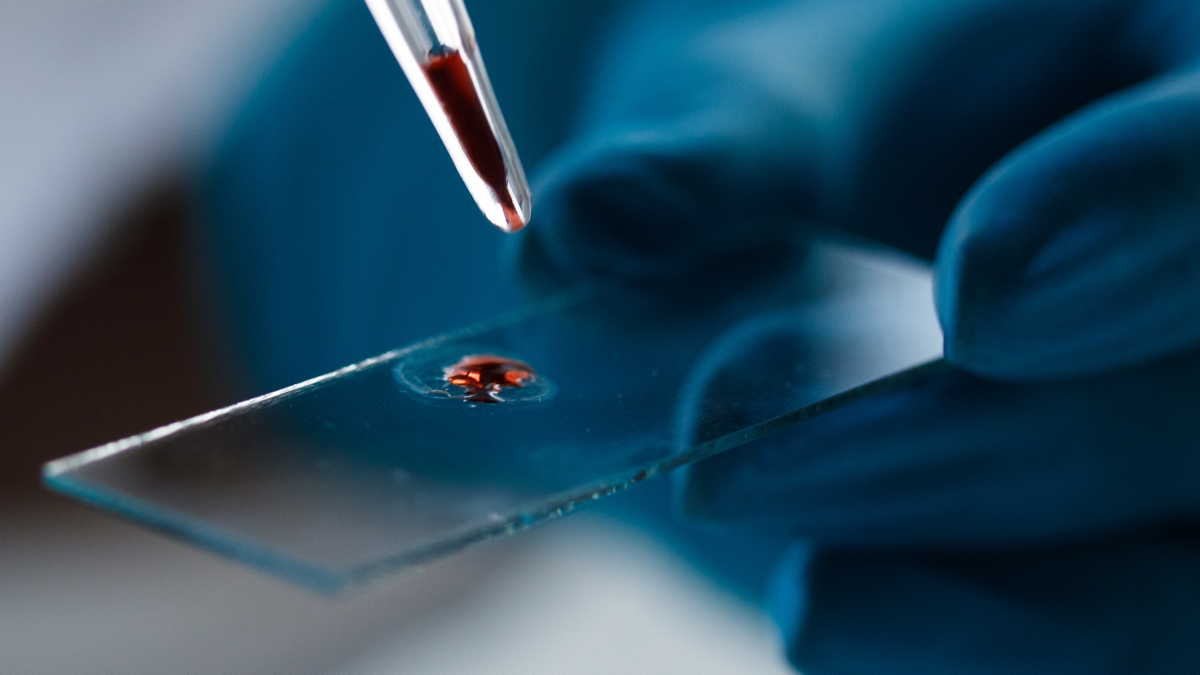
A new line of research is raising an emotional but hopeful question for many women: what if a routine blood test could flag a higher risk of dementia 20–25 years before the first memory slips begin? Recent evidence highlighted by ScienceAlert suggests that measuring specific proteins in the blood might help identify women who are more likely to develop dementia later in life—long before symptoms appear.
That doesn’t mean your future is “written in stone” or that one blood test can diagnose dementia. But it may offer a powerful early-warning signal—one that could give women and their doctors more time to protect brain health with targeted lifestyle changes and medical follow‑up.
Why Early Detection of Dementia Risk Matters—Especially for Women
Dementia is not one single disease but a group of conditions that affect memory, thinking, and daily functioning. Alzheimer’s disease is the most common form. Globally, women are more likely than men to develop dementia, partly because they tend to live longer and may be more vulnerable to certain biological and hormonal changes.
The challenge is that by the time classic symptoms—like getting lost in familiar places or repeating the same question many times—show up, brain changes have often been developing silently for years. That’s why scientists are racing to find tools that can:
- Identify higher‑risk individuals long before symptoms appear.
- Track early biological changes in the brain through simple tests.
- Support prevention trials to see what truly delays or reduces dementia risk.
Until recently, this kind of early detection required expensive brain scans or invasive procedures like lumbar punctures. A blood test, if accurate enough, could make screening far more accessible.
“The holy grail is a low‑cost, minimally invasive, widely available test that can signal who is at higher risk so we can intervene much earlier.”
— Neurologist quoted in recent dementia biomarker reviews
What the New Research Actually Shows
The latest study covered by ScienceAlert focuses on a blood‑based biomarker that appears to predict dementia risk in women decades before any symptoms are noticeable. While each study has its own design, many of these projects follow a similar pattern:
- Researchers take blood samples from a large number of people who are currently symptom‑free.
- They measure specific proteins linked to brain health—such as tau, amyloid, or markers of nerve damage (like neurofilament light chain).
- They follow participants for many years, tracking who does and does not develop dementia.
- They compare early blood measurements with later outcomes to see which markers predicted risk.
In women, certain protein levels appear to be strongly associated with later dementia diagnosis—even when measured 20–25 years before symptoms. That doesn’t mean everyone with a high reading will develop dementia, but it does suggest a meaningful shift toward earlier risk detection.
For a deeper technical dive, see recent reviews on blood biomarkers for Alzheimer’s and dementia in journals such as Nature Reviews Neurology and The Lancet Neurology.
What This Blood Test Can—and Cannot—Tell You
It’s natural to feel both curious and anxious about a test that might predict dementia risk so far in advance. To make sense of it, it helps to be clear about what these tests actually do.
What it can potentially offer
- An estimate of relative risk—whether you appear more or less likely than average to develop dementia.
- A tool to help doctors decide who may benefit from closer monitoring or further testing (like MRI or PET scans).
- A way to enroll participants in prevention trials earlier in the disease process.
What it does not do
- It does not give a yes/no answer about your future.
- It does not replace a full clinical evaluation, cognitive testing, or brain imaging when indicated.
- It does not tell you exactly when or how fast dementia might develop.
Think of it as a weather forecast, not a prophecy: higher‑risk markers are like darker storm clouds on the horizon—useful to know about, but not a guarantee of a storm.
The Emotional Side: “Would I Even Want to Know?”
Many women I’ve worked with in brain‑health programs have mixed feelings about early‑risk tests. One woman in her early 50s, whose mother had Alzheimer’s, put it this way:
“Part of me is desperate to know everything, as soon as possible. The other part is terrified it will feel like a countdown I can’t stop.”
Both reactions are completely understandable. Before seeking out any predictive testing, it helps to consider:
- How you usually respond to health information—does it motivate you or overwhelm you?
- Whether you have emotional support in place (friends, family, therapist, or support group).
- What concrete actions you’d be ready to take if you learned your risk was higher.
How Do Dementia Blood Biomarkers Work?
Blood‑based dementia tests usually focus on proteins and molecules that reflect what’s happening inside the brain. Some of the main targets researchers are studying include:
- Amyloid‑beta (Aβ) variants – associated with plaques found in Alzheimer’s disease.
- Phosphorylated tau (p‑tau) – linked to tangles inside brain cells.
- Neurofilament light chain (NfL) – a marker of nerve cell damage.
- Glial fibrillary acidic protein (GFAP) – associated with brain inflammation and support cells.
Advances in lab technology now allow these very low‑concentration proteins to be detected accurately in a simple blood draw, using tools like ultra‑sensitive immunoassays. Over large populations, patterns in these markers can reveal who is more likely to progress to mild cognitive impairment or dementia.

The study highlighted by ScienceAlert focuses specifically on women, which is important: hormonal transitions, pregnancy history, and sex‑specific biology may all influence how these biomarkers behave. Future work will need to refine how results are interpreted for different ages, ethnicities, and health backgrounds.
What Women Can Do Now to Support Long‑Term Brain Health
While scientists fine‑tune these blood tests, there is encouraging evidence that everyday choices still matter a great deal. No lifestyle habit can guarantee that you will or won’t get dementia, but multiple large studies suggest that a “brain‑healthy lifestyle” may lower risk or delay onset.
1. Protect your heart to protect your brain
Vascular health (blood pressure, cholesterol, blood sugar) is closely tied to dementia risk. Aim to:
- Keep blood pressure in a healthy range.
- Manage cholesterol and blood sugar with diet, movement, and medication if prescribed.
- Not smoke; if you do, seek help with quitting.
2. Move your body regularly
Observational studies link regular physical activity with lower dementia risk. A practical target:
- 150–300 minutes per week of moderate aerobic activity (like brisk walking), plus
- 2 days per week of strength training to maintain muscle and balance.
3. Prioritize sleep and stress management
Chronic sleep disruption and long‑term high stress are both linked to worse brain outcomes. Consider:
- Building a calming pre‑sleep routine and aiming for 7–9 hours most nights.
- Learning stress‑management tools such as mindfulness, yoga, breathing exercises, or counseling.
4. Stay mentally and socially engaged
Lifelong learning, complex work, hobbies, and strong social ties all appear protective. This doesn’t have to mean formal classes; it can be:
- Volunteering, mentoring, or clubs.
- Learning a language, instrument, or new skill.
- Regular conversations and connection with friends and family.
A “Before and After” Lifestyle Story (Without Miracles)
Consider the experience of a 58‑year‑old woman whose mother and aunt both had dementia. Although she did not have access to the new blood test, her family history put her on high alert. At her first visit to a memory clinic, her blood pressure was high, she was sleeping poorly, and she felt constantly stressed.
Over the next two years, with support from her care team, she:
- Brought her blood pressure under control with medication and diet changes.
- Started walking 20–30 minutes most days with a friend.
- Joined a local book club to stay socially and mentally active.
- Worked with a therapist on stress and sleep.

Her risk has not disappeared—no one can promise that—but she now feels less helpless and more in partnership with her brain health. That’s the realistic promise of both early‑warning tests and lifestyle changes: not certainty, but more time and more options.
Common Obstacles—and How to Gently Work Around Them
Even when you know what might help, real life can get in the way. Some of the most common barriers women mention include:
- Time pressure from work and caregiving.
- Fatigue that makes exercise or cooking feel impossible.
- Worry that thinking about dementia will worsen anxiety.
A few practical approaches:
- Think in terms of “brain micro‑habits.” 5–10 minutes of movement, 1 extra portion of vegetables, or a single 5‑minute relaxation break all count.
- Pair new habits with things you already do. Stretch while the kettle boils; take a short walk after lunch; listen to a calming podcast before bed.
- Share the load. Involve family or friends in walks, meal‑prep, or social activities that support everyone’s brain health.
How to Talk With Your Doctor About Dementia Risk and Blood Tests
If this emerging research has you thinking about your own risk, you don’t have to figure it out alone. Consider using an appointment to:
- Review your family history of dementia, stroke, or heart disease.
- Update key numbers: blood pressure, cholesterol, blood sugar, and weight.
- Discuss your memory concerns, if any (forgetfulness, confusion, word‑finding, etc.).
- Ask whether any specialist referral is appropriate (neurologist, memory clinic, or research study).
You might say something like:
“I’ve been reading about new blood tests that can predict dementia risk, especially in women. I know they may not be standard yet, but given my age and family history, what practical steps should I be taking now to protect my brain?”

Looking Ahead: What This Breakthrough Could Mean for Women’s Brain Health
The idea that a simple blood test might predict dementia risk in women decades early is both powerful and still evolving. As research continues, we may see:
- More precise risk scores that combine blood markers, genetics, and lifestyle factors.
- Earlier, better‑targeted treatments aimed at slowing or preventing dementia before symptoms emerge.
- Routine brain‑health check‑ups that treat memory preservation with the same seriousness as heart health or cancer screening.
For now, you don’t need access to the newest lab technology to take meaningful steps. You can:
- Know your personal risk factors (age, family history, cardiovascular health).
- Adopt realistic, sustainable habits that support brain and heart health.
- Stay informed about new research from trusted sources while avoiding hype.
Most importantly, remember: risk is not destiny. Whether or not you ever choose to have a dementia‑related blood test, the choices you make today—from moving your body to connecting with people you care about—can help build a more resilient brain for the years ahead.
If this topic resonates with you, consider:
- Booking a routine check‑up focused on brain and heart health.
- Choosing one small new brain‑friendly habit to start this week.
- Sharing this article with another woman in your life who may be worrying quietly about dementia.
