
What a New COVID Variant in a U.S. Traveler Really Means for Your Spring Health Plans
Mutated COVID Variant Detected in SFO Traveler: What You Really Need to Know Now
Updated: March 26, 2026
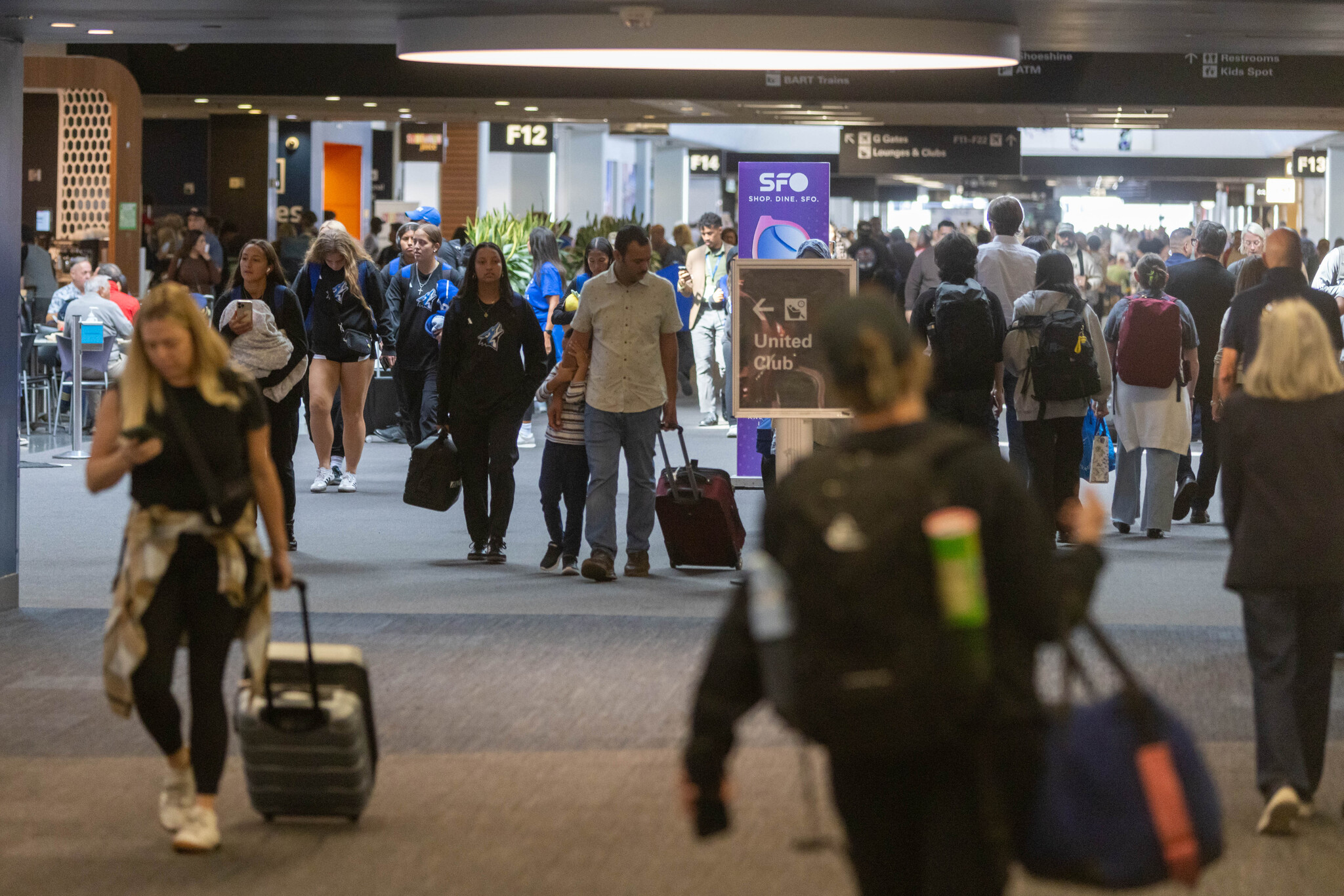
News that a mutated COVID-19 variant has been detected for the first time in the U.S. in a traveler passing through San Francisco International Airport can feel like déjà vu. After years of navigating waves, variants, and changing guidance, the idea of a possible “spring surge” may be the last thing you wanted to hear.
This piece breaks down what this new variant may mean in practical terms: how it could affect vaccine protection, travel plans, and your day-to-day life—without hype, but also without minimizing real risks.
What We Know About the New COVID Variant Detected at SFO
According to reporting from SFGATE and statements from public health officials, a traveler passing through San Francisco International Airport was found to be infected with a mutated strain of SARS‑CoV‑2. This is the first confirmed detection of this specific variant in the United States.
- The variant carries mutations in the spike protein, the part of the virus that vaccines target.
- Early lab data suggest these changes may reduce how well vaccine‑induced antibodies recognize the virus.
- Officials are watching closely because the combination of immune “escape” and travel could fuel a spring increase in cases.
Why Do These Mutations Matter for Vaccines and Immunity?
Viruses mutate constantly. Most changes don’t alter how the virus behaves. What worries scientists are mutations that affect:
- Transmissibility – how easily the virus spreads.
- Immune escape – how well the virus can sidestep existing immunity from vaccines or prior infection.
- Severity – whether it causes more serious disease.
Early lab analyses of this variant (as summarized in media reports and preliminary scientific briefings) suggest that its spike protein mutations may help it partially evade neutralizing antibodies. This could mean:
- Higher chance of breakthrough infections in vaccinated people.
- Greater risk of reinfection for those who have already had COVID‑19.
- Potential need to update or boost vaccines if the variant spreads widely.
“A variant with partial immune escape does not erase vaccine benefits. It shifts them. Protection against any infection may drop, but protection against severe disease usually remains much stronger.”
In other words, vaccines may become less effective at preventing mild or asymptomatic infection with this variant, but they are still expected—based on past patterns with Omicron lineages—to offer meaningful protection against hospitalization and death, especially if you are up to date on recommended doses.
Could This Trigger a Spring Surge in the U.S.?
Public health officials are warning that a “spring surge” is possible, not guaranteed. Whether that happens depends on a few moving pieces:
- How transmissible the variant is compared with currently dominant strains.
- How much population immunity has waned since the last booster campaigns and infection waves.
- Behavioral factors like travel volume, indoor gatherings, and mask use.
Historically, we have seen new variants spread globally within weeks to months once detected in multiple travel hubs. Surveillance data from the CDC and international partners over the coming weeks will better clarify:
- How often this variant is showing up in sequencing samples.
- Whether it is quickly displacing existing variants.
- Early signals on hospitalization and severity trends.
How Worried Should Travelers Be Right Now?
The fact that this variant was first detected in a traveler passing through SFO highlights a reality we’ve known for years: airports are hubs not just for people, but for pathogens.

For most healthy, vaccinated travelers, this discovery is a signal to tighten up protective habits rather than cancel plans outright. Based on current evidence from past variants and standard airborne infection control, consider:
- Mask smarter, not forever.
- Wear a well‑fitting N95, KN95, or KF94 in crowded, enclosed spaces: security lines, jet bridges, boarding areas, and on the plane when not actively eating or drinking.
- Prioritize masks on takeoff and landing, when cabin air circulation can be less consistent.
- Boost your “air hygiene.”
- Choose outdoor or well‑ventilated waiting areas when possible.
- Avoid crowded airport bars and restaurants right before boarding.
- Time your vaccine or booster.
- If you are eligible and planning travel in the next 2–6 weeks, talk with your clinician about getting an updated shot now so your immunity is fresher if this variant spreads.
People who are older, immunocompromised, pregnant, or living with multiple chronic conditions may want to layer in additional precautions, such as avoiding peak‑time travel and using higher‑grade masks throughout airport time.
Five Evidence‑Informed Ways to Protect Yourself Without Panicking
You’ve heard many of these before—but the details matter, especially when facing a variant that may partially dodge immunity.
- 1. Stay current on vaccines and boosters.
While some lab studies show reduced neutralizing antibody activity against immune‑evasive variants, real‑world data repeatedly demonstrate that updated vaccines still cut the risk of severe disease, hospitalization, and death. Check current CDC guidance or your country’s health authority, and confirm timing with your healthcare provider.
- 2. Upgrade your mask quality and fit.
NIOSH‑approved N95s and well‑fitting KN95/KF94 masks filter out more viral particles than simple cloth masks. Even modest improvements in fit (tightening nose bridge, adjusting ear loops) can significantly reduce exposure.
- 3. Improve indoor air quality where you live and work.
Better ventilation and filtration have been linked to lower rates of respiratory infection. Practical steps:
- Use HEPA or high‑MERV filters where feasible.
- Open windows periodically to increase fresh air exchange.
- Consider portable air cleaners for bedrooms, offices, or classrooms.
- 4. Test strategically.
Rapid antigen tests may be somewhat less sensitive with new variants but are still useful for identifying higher viral loads, especially when used serially (e.g., testing 2 days in a row before visiting someone high‑risk).
- 5. Have a “COVID action plan.”
If you are at higher risk, talk with your clinician before you get sick about accessing antiviral medications, how to get tested quickly, and what symptoms should trigger urgent evaluation.

A Real‑World Example: Balancing Caution and Normalcy
Consider “Maria,” a 62‑year‑old with well‑controlled diabetes who planned to fly from the Bay Area to visit her grandchildren this spring. News of the SFO traveler carrying a mutated variant left her wondering if she should cancel the trip.
After a visit with her primary care clinician, they agreed on a middle path:
- She received an updated COVID booster three weeks before travel.
- Her doctor prescribed an antiviral “stand‑by” medication with instructions on when and how to start it if she tested positive.
- Maria chose an early‑morning, less crowded flight, wore an N95 in the airport and on the plane, and skipped indoor dining during travel days.
She completed her trip without incident—and, just as important, without the sense of helplessness she’d felt in earlier waves. Her situation illustrates a core principle of life with evolving variants: completely eliminating risk is unrealistic, but managing risk thoughtfully is achievable.
Before vs. After: How This Variant Might Change Your Routine
For many people, the emergence of this variant does not require a return to early‑pandemic lockdowns, but it may justify recalibrating certain habits for a few weeks.

| Before new variant | After variant detection |
|---|---|
| Occasional masking in crowded indoor spaces | Consistent masking in high‑risk spaces (airports, packed transit, healthcare settings) |
| Flexible about booster timing | Scheduling boosters strategically before travel or large gatherings |
| Limited home ventilation focus | Regularly airing out rooms, using HEPA filters in main living spaces |
| Ad‑hoc testing when symptomatic | Planned testing before visiting high‑risk loved ones and when symptoms appear |
Common Questions About the New Variant
Does this mean vaccines “don’t work” anymore?
No. “Less effective” is not the same as “ineffective.” With immune‑evasive variants, vaccines may do less to block infection altogether but still provide strong protection against severe outcomes. Protection is a spectrum, not an all‑or‑nothing switch.
Should I delay or cancel my upcoming trip?
For most low‑ and moderate‑risk individuals, trips can proceed with upgraded precautions. People at very high risk, or those visiting medically fragile loved ones, might consider:
- Delaying non‑essential travel until more data on this variant are available.
- Switching to lower‑risk transportation when feasible.
- Consulting their clinician for individualized advice.
Will there be a new vaccine specifically for this variant?
Vaccine manufacturers routinely monitor new variants and can update formulations if a strain shows clear signs of dominance and immune escape. Whether that happens for this particular variant will depend on its spread and severity data over the coming months.
Moving Forward: Informed, Prepared, and Still Living Your Life
The discovery of a mutated COVID‑19 variant in a San Francisco traveler is a reminder that the virus is still evolving—but it is not a mandate to put your life on hold. We now have tools we lacked in 2020: vaccines, antivirals, better tests, and far more knowledge about how this virus spreads.
Instead of swinging between denial and panic, aim for a steady, informed middle ground:
- Update your vaccinations when eligible.
- Use high‑quality masks and improved ventilation in higher‑risk settings.
- Have a simple, written plan for what you’ll do if you test positive.
- Stay tuned to reputable health sources rather than rumor or sensational headlines.
If this news has stirred up worry for you, let it be an invitation—not to retreat—but to refresh your protection plan. Reach out to your healthcare provider in the next week to review your risk factors, vaccination status, and any questions about travel or gatherings.
The goal isn’t a life with zero risk. It’s a life where you understand the risks clearly enough to keep doing what matters to you—safely, and with confidence.
