
Could Childhood ADHD Meds Actually Lower Psychosis Risk? What Parents Should Know Now
Many parents wrestle with the same late-night question: “If I put my child on ADHD medication, am I increasing their risk of serious mental health problems later on?” For years, worries about psychosis and other long‑term side effects have made treatment decisions incredibly stressful.
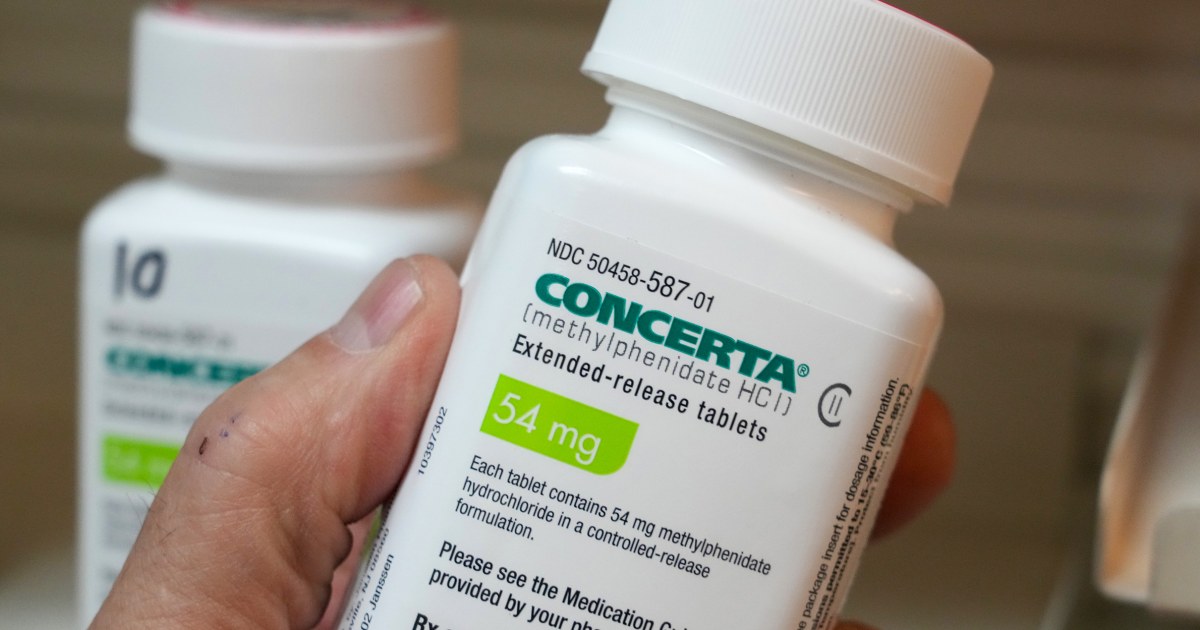
A large, new study reported by NBC News now suggests something surprising: the commonly prescribed ADHD medication methylphenidate (best known under brand names like Ritalin and Concerta) may actually reduce the risk of psychosis when given to younger children with ADHD, compared with waiting until later.
In this article, we’ll unpack what this research means in plain language, how it fits with what we already know about ADHD and psychosis risk, and how you can use this information to have a more confident, collaborative conversation with your child’s clinician.
Why Parents Worry: ADHD Medication and Psychosis Fears
The fear that stimulant medications could “cause psychosis” isn’t coming out of nowhere. Package inserts list psychosis and mania as rare side effects, and there are case reports of teens or adults developing hallucinations or delusions on high doses or with misuse.
For many families, that risk—even if small—feels terrifying. You may be wondering:
- Could ADHD meds permanently damage my child’s brain?
- Will starting younger increase the chance of mental illness later?
- Is it safer to “wait until they’re older” to treat ADHD?
“I delayed medication for two years because I was afraid of psychosis. In that time, my son’s self‑esteem and school performance really suffered. I wish I’d had clearer information earlier.” — Parent of a 9‑year‑old with ADHD
The new research doesn’t say stimulants are risk‑free, but it does challenge the idea that early, appropriate treatment with methylphenidate raises a child’s long‑term risk of psychosis. In fact, it suggests the opposite may be true for many children.
What the New Study Found About ADHD Meds and Psychosis Risk
NBC News reported on a large, population‑based study examining children diagnosed with ADHD and treated with methylphenidate. While exact numbers vary by country and dataset, this type of “real‑world” research typically follows tens of thousands of children over many years using health records.
In this study, children who were prescribed methylphenidate at younger ages appeared to have a lower risk of developing psychosis later compared with similar children who:
- Started methylphenidate treatment later in adolescence, or
- Did not receive stimulant treatment at all.
Researchers adjusted for factors like family history of mental illness, other medications, and severity of ADHD symptoms as best as possible. While no observational study can prove cause and effect, the pattern is reassuring.
These findings are in line with previous research suggesting that appropriately prescribed stimulants do not substantially raise the population‑level risk of psychosis, and that most psychotic reactions, when they occur, resolve after stopping or adjusting the medication.
For more scientific context, see:
How Could Methylphenidate Lower Psychosis Risk?
At first glance, it might seem odd that a stimulant—which affects dopamine pathways in the brain—could be linked with less psychosis over time. Researchers have a few plausible explanations:
- Better overall brain and social development
When ADHD symptoms are well‑managed early, children may experience:- Fewer academic failures and behavior problems
- Less social rejection and bullying
- Lower chronic stress and sleep disruption
- Reduced risk behaviors in adolescence
Untreated ADHD is associated with higher risks of:- Early and heavy cannabis use
- Experimentation with other substances
- Risk‑taking and impulsive decisions
- Closer medical monitoring
Children on medication typically have more regular follow‑ups with clinicians. That makes it easier to:- Notice early warning signs of mood or thought changes
- Adjust treatment before symptoms escalate
- Provide family education and support
None of this means methylphenidate is a “vaccine” against psychosis. Rather, for many children with ADHD, appropriate early treatment may tilt the odds toward healthier developmental pathways.

What This Does Not Mean: Staying Realistic About Safety
It’s important not to swing from fear to overconfidence. The study’s results are reassuring, but they don’t erase all risks or make stimulant medications the right choice for every child.
Based on current evidence, here’s a balanced view:
- Psychosis as a side effect is rare, but it can happen—especially at high doses, with misuse, or in those with underlying vulnerabilities.
- Most stimulant‑related psychotic symptoms resolve when the medication is stopped or the dose is reduced, often within days to weeks.
- Family history matters: children with close relatives who have schizophrenia, bipolar disorder, or severe psychotic disorders may need more cautious monitoring and slower dose increases.
- Every brain is different: some children simply do not tolerate stimulants well and may do better with non‑stimulant medications or behavioral approaches.
The bottom line: this new data should reduce excessive fear of stimulants—but it should not replace careful, individualized assessment and ongoing monitoring.
Practical Steps for Parents Considering ADHD Medication
If you’re weighing treatment options, you don’t have to do it alone—or all at once. Here’s a step‑by‑step way to approach the decision thoughtfully.
- Get a thorough, evidence‑based evaluation
Ask for:- A detailed history from home and school
- Screening for learning issues, anxiety, depression, and trauma
- Review of family mental health history, including psychosis or bipolar disorder
- Discuss all treatment options—not just medication
Evidence‑based ADHD care can include:- Parent training and behavior management strategies
- School accommodations (504 plans, IEPs)
- Sleep and lifestyle adjustments
- Medication when appropriate
- Talk openly about your fears
Share concerns about psychosis, addiction, or long‑term effects. A good clinician will:- Explain realistic risks and benefits
- Review what warning signs to watch for
- Plan regular check‑ins, especially early on
- Start low and go slow
Many experts recommend:- Beginning at a low dose of methylphenidate
- Increasing gradually while monitoring mood, sleep, appetite, and behavior
- Adjusting timing or formulation (short‑ vs. long‑acting) to reduce side effects
- Keep a simple log
Track:- Attention, impulsivity, and hyperactivity
- Sleep patterns and appetite
- Any unusual thoughts, fears, or behaviors

Early Warning Signs to Watch For (and What to Do)
While the new study suggests that methylphenidate is not driving up psychosis risk overall, it’s still wise to know what concerning symptoms look like—whether your child is on medication or not.
Contact a clinician promptly if your child begins to show:
- Hearing voices when no one is there
- Seeing things that others do not see
- Strong, fixed beliefs that are clearly not true (for example, “people at school are reading my thoughts”)
- Sudden, severe changes in behavior, speech, or personality
- Extreme agitation, insomnia, or “wired” behavior that doesn’t calm down
“When stimulant‑related psychosis occurs, it’s usually short‑lived and reversible with prompt recognition and treatment changes. Families who know what to watch for are in a much safer position.” — Child & Adolescent Psychiatrist
If symptoms are severe—such as your child appearing very disoriented, unsafe, or expressing thoughts of self‑harm or harming others—seek emergency care immediately.
Before and After Treatment: A Realistic Look
To make this more concrete, here’s a composite case drawn from multiple real‑world stories (details changed to protect privacy).
| Area | Before Treatment (Age 7) | After 1–2 Years of Treatment |
|---|---|---|
| School | Daily notes home for disruption; falling behind in reading | Able to sit through lessons; grades improving; enjoys reading |
| Friends | Frequent conflicts; “too much” for other kids; few playdates | Has 2–3 close friends; better turn‑taking and flexibility |
| Self‑esteem | Says “I’m bad” and “I can’t do anything right” | Proud of improvements; more willing to try hard tasks |
| Mental health | Growing anxiety and sadness; frequent meltdowns | Anxiety still present but milder; coping skills improving with therapy |
This kind of “before and after” is common when medication is thoughtfully combined with behavioral supports and school accommodations. While no treatment guarantees protection from later mental illness, reducing day‑to‑day stress and failure experiences in childhood is a powerful protective factor.
Common Questions About ADHD Meds and Long‑Term Mental Health
Parents and caregivers often raise similar questions. Here are brief, evidence‑aligned answers to a few of the most common ones.
1. Do ADHD meds “change my child’s personality” permanently?
When dosing is appropriate, most families describe children as “more themselves,” not less. If your child seems flat, tearful, or unlike themselves, the dose or medication type may need adjustment. There is no good evidence that properly used methylphenidate permanently alters personality.
2. Is it safer to wait until my child is older to start medication?
The new study suggests that, at least for methylphenidate, earlier, appropriate treatment is not associated with increased psychosis risk and may even be protective. Waiting can sometimes mean more academic, social, and emotional fallout. The decision should be based on current impairment and family preference, not fear alone.
3. What about addiction risk?
Research over the last two decades has generally found that treating ADHD with stimulants does not increase—and may lower—the risk of later substance misuse, when medication is taken as prescribed and monitored. Misuse (taking more than prescribed, or using without a prescription) does raise addiction and mental health risks.

Moving Forward: Informed, Confident Choices for Your Child
Learning that a common ADHD medication prescribed in childhood may lower the risk of psychosis—not raise it—can feel both surprising and relieving. It doesn’t make methylphenidate a miracle cure, but it does shift the conversation: untreated ADHD carries its own serious risks, and early, carefully monitored treatment can be one part of protecting long‑term mental health.
If you’re in the midst of a decision about ADHD treatment, your next step doesn’t have to be final or perfect. Consider:
- Scheduling a dedicated visit with your child’s clinician to review this newer evidence
- Making a list of your top 3 fears and top 3 hopes for treatment
- Asking about a time‑limited trial of medication with clear goals and monitoring
You know your child best. Science can’t make the decision for you, but it can give you a clearer, calmer foundation to stand on. With the right information, support, and follow‑through, it’s entirely possible to pursue effective ADHD treatment without sacrificing long‑term mental health.
Call to action: Bring this topic to your child’s next appointment and ask, “Given the latest research, how do you see early ADHD treatment affecting my child’s long‑term mental health?” Let that be the start of an ongoing, honest partnership.
Article Metadata
The following structured data helps search engines better understand this article:
