
Measles in Utah: What You Need to Know Now About the Growing Outbreak
As measles cases in Utah during the current outbreak approach 500, many families are asking the same questions: “Is it safe to go to the store?” “What if we visited one of the exposure locations?” and “Are my kids truly protected?”
The Utah Department of Health and Human Services (UDHHS) is now listing new measles exposure sites that include grocery stores, medical offices, and even a temple open house. Because measles is one of the most contagious viruses we know of, staying informed—and taking a few key precautions—can make a real difference.
Below, we’ll walk through what’s happening in Utah right now, why measles spreads so efficiently, how to understand your vaccination status, and practical steps to protect higher‑risk loved ones, all grounded in current public‑health guidance.

What’s Happening With the Measles Outbreak in Utah?
According to recent updates from UDHHS, measles cases in Utah have climbed to nearly 500 in this outbreak. Because each infectious person can expose dozens of others, public‑health teams are continually updating a list of locations where people may have been exposed—including:
- Grocery stores and other retail locations
- Medical offices and clinics
- Community events and religious open houses (including a temple open house)
- Other public indoor spaces where people gather
Measles is contagious for about four days before a rash appears and four days after, which means many people don’t yet realize they’re sick while they’re out in the community. That’s why health officials focus on rapid case identification, contact tracing, and clear communication about exposure sites.
While numbers like “500 cases” can sound abstract, each case represents a person and a ripple of concern through families, schools, and workplaces. The goal isn’t to panic—but to respond thoughtfully with tools that work.
Why Measles Spreads So Easily: The Science in Simple Terms
Measles is not just “very contagious”—it’s among the most contagious diseases we know of. Here’s why:
- Airborne spread: Measles virus can hang in the air for up to two hours after an infected person has left the room. You don’t have to be there at the same time to be exposed.
- High basic reproduction number (R0): In an unvaccinated population, one person with measles can infect 12–18 others on average. For comparison, seasonal flu typically infects 1–2 others.
- Contagious before you look sick: People can spread measles for several days before the rash shows up.
“Measles is so contagious that if one person has it, up to 90% of the people close to that person who are not immune will also become infected.”
This is why public‑health experts emphasize two core strategies:
- High community immunity through vaccination (especially MMR)
- Rapid identification and isolation of cases and contacts

Who Is Most at Risk From Measles Right Now?
Not everyone faces the same level of risk from measles. Certain groups need extra protection during an outbreak:
- Infants under 12 months who are too young to receive their routine first MMR dose.
- People who are unvaccinated or partially vaccinated (only one MMR dose when two are recommended).
- Individuals with weakened immune systems (for example, people receiving chemotherapy, those with certain immune disorders, or high‑dose steroid use).
- Pregnant people who are not immune to measles.
During outbreaks like the current one in Utah, health departments may recommend accelerated or catch‑up vaccination for some age groups, or additional precautions for high‑risk individuals. Always confirm specifics with your healthcare provider or local health department, as guidance can change based on local conditions.
What to Do If You Visited a Measles Exposure Location in Utah
Learning you were at a listed exposure location—like a grocery store, clinic, or temple open house—can be alarming. A step‑by‑step plan can help you move from panic to action.
1. Check your vaccination and immunity status
- Look for documentation of two MMR doses (typically at 12–15 months and 4–6 years of age).
- If you’re unsure, contact your healthcare provider or your state’s immunization registry.
- Adults born before 1957 are generally presumed immune, but some may still benefit from vaccination based on risk.
2. Monitor for symptoms during the incubation period
Measles symptoms usually appear 7–14 days after exposure, but can take up to 21 days. Watch for:
- High fever
- Cough, runny nose, and red, watery eyes
- Tiny white spots inside the mouth (Koplik spots)
- Rash that usually starts on the face and spreads down the body
3. If you develop symptoms, call before you go
If you suspect measles, call your clinic, urgent care, or hospital before arriving. This allows them to arrange a safe way to evaluate you without exposing others in the waiting room. Masking and isolation protocols are important to protect babies, pregnant people, and those with weak immune systems.
Understanding the MMR Vaccine: Protection, Timing, and Catch‑Up
In every modern measles outbreak, vaccination stands out as the single most effective protective factor. Most people who get measles in the U.S. are either unvaccinated or under‑vaccinated.
Routine MMR schedule (CDC and typical state guidance)
- First dose: 12–15 months of age
- Second dose: 4–6 years of age
Effectiveness
- One dose: about 93% effective against measles
- Two doses: about 97% effective
Catch‑up and outbreak‑specific guidance
During outbreaks, health officials may recommend:
- Early first dose for infants 6–11 months who will be in high‑risk settings (such as international travel or intense local transmission).
- Catch‑up doses for older children, teens, and adults who never completed the two‑dose series.
- Verification of immunity (by records or blood test) for healthcare workers, students, and others in close‑contact settings.
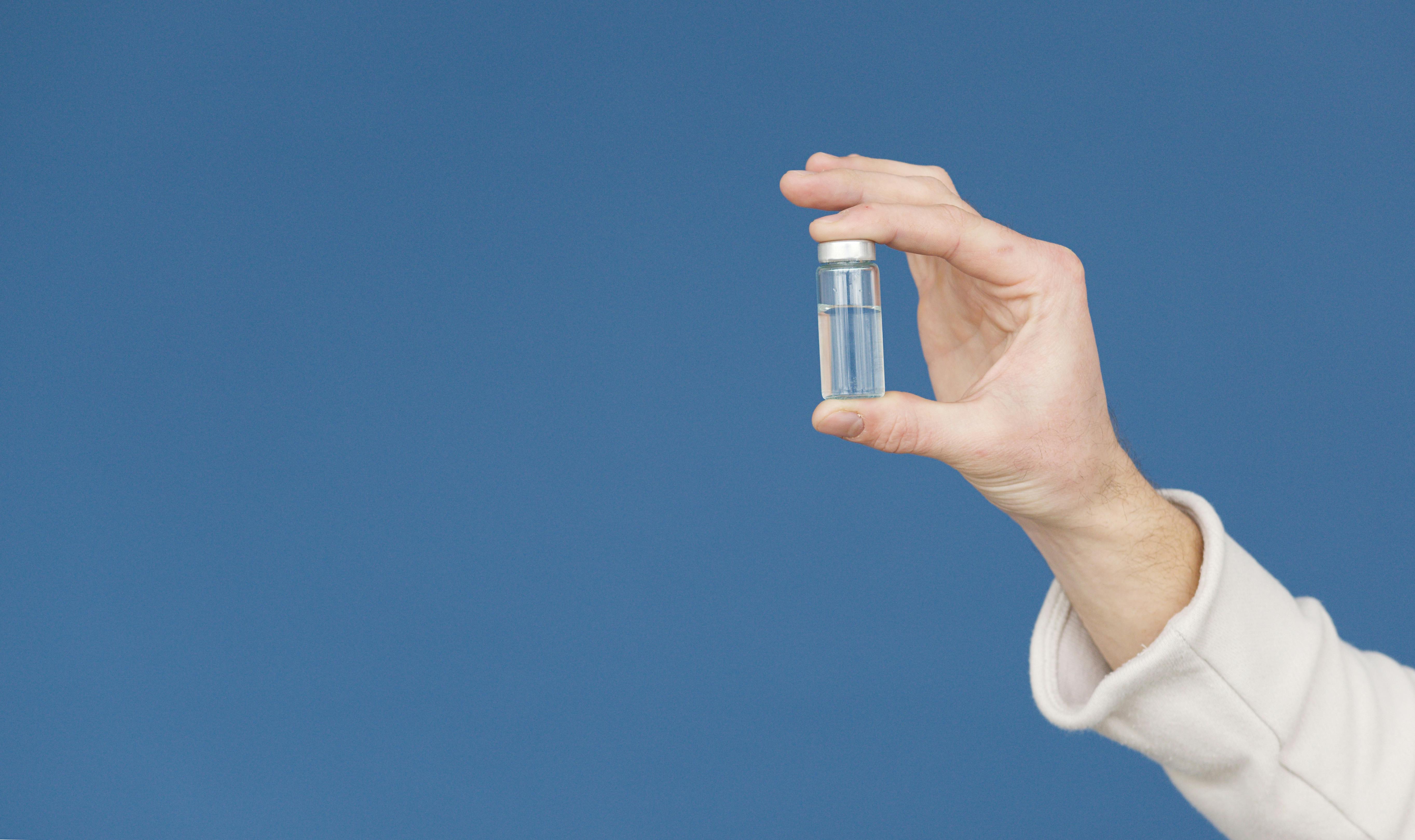
“Measles vaccination resulted in an 83% drop in measles deaths between 2000 and 2022 worldwide…making it one of the best buys in public health.”
Protecting Your Family and Community: Practical Steps for Daily Life
You can’t control everything about an outbreak, but you can take specific, realistic steps that meaningfully lower risk—especially for the most vulnerable.
1. Firm up your household’s immunity
- Confirm that all eligible children and adults in your home are up to date on MMR.
- Ask your provider about catch‑up vaccines if you’re not sure.
- If someone in your household can’t be vaccinated, focus extra on ensuring those around them are protected.
2. Be thoughtful about higher‑risk activities
During periods of intense local transmission or when new exposure locations are added:
- Consider minimizing time in crowded indoor spaces with poor ventilation if you or your child is unvaccinated or immunocompromised.
- For essential outings (like medical appointments), ask in advance about infection‑control measures.
- If community levels are very high, some families choose to temporarily delay non‑essential large indoor events for unvaccinated children; discuss options with your pediatrician.
3. Stay updated without becoming overwhelmed
Constant news alerts can be stressful. Instead:
- Pick 1–2 trusted sources (such as UDHHS and CDC) and check them once a day or a few times a week.
- Be cautious with viral social‑media posts that lack links to official guidance or scientific sources.
- Talk with your child’s school or daycare about their measles and vaccination policies so you know what to expect.

Common Concerns and Misconceptions About Measles and the MMR Vaccine
When case counts rise and exposure locations make headlines, rumors and half‑truths spread quickly too. Addressing a few of the most common concerns can help you sort fact from fiction.
“Is measles only dangerous for kids?”
No. While complications are more common in young children, measles can cause pneumonia, brain inflammation, and even death in teens and adults as well—especially in people who are unvaccinated or immunocompromised.
“Haven’t we eliminated measles?”
The U.S. declared measles “eliminated” in 2000, meaning there was no continuous, native transmission for at least 12 months. However, cases still arrive from other countries via travel. When they land in pockets of low vaccination, outbreaks like the one in Utah can occur.
“Can the MMR vaccine cause autism?”
Extensive research across many countries and millions of children has found no link between MMR vaccination and autism. The original study that raised this concern was found to be fraudulent and was fully retracted. Major health organizations worldwide—CDC, WHO, the American Academy of Pediatrics, and others—conclude that MMR is safe for the vast majority of people.
“Studies have not found any association between autism and childhood vaccines, including MMR.”
What the Evidence Shows: Measles Outcomes and Prevention
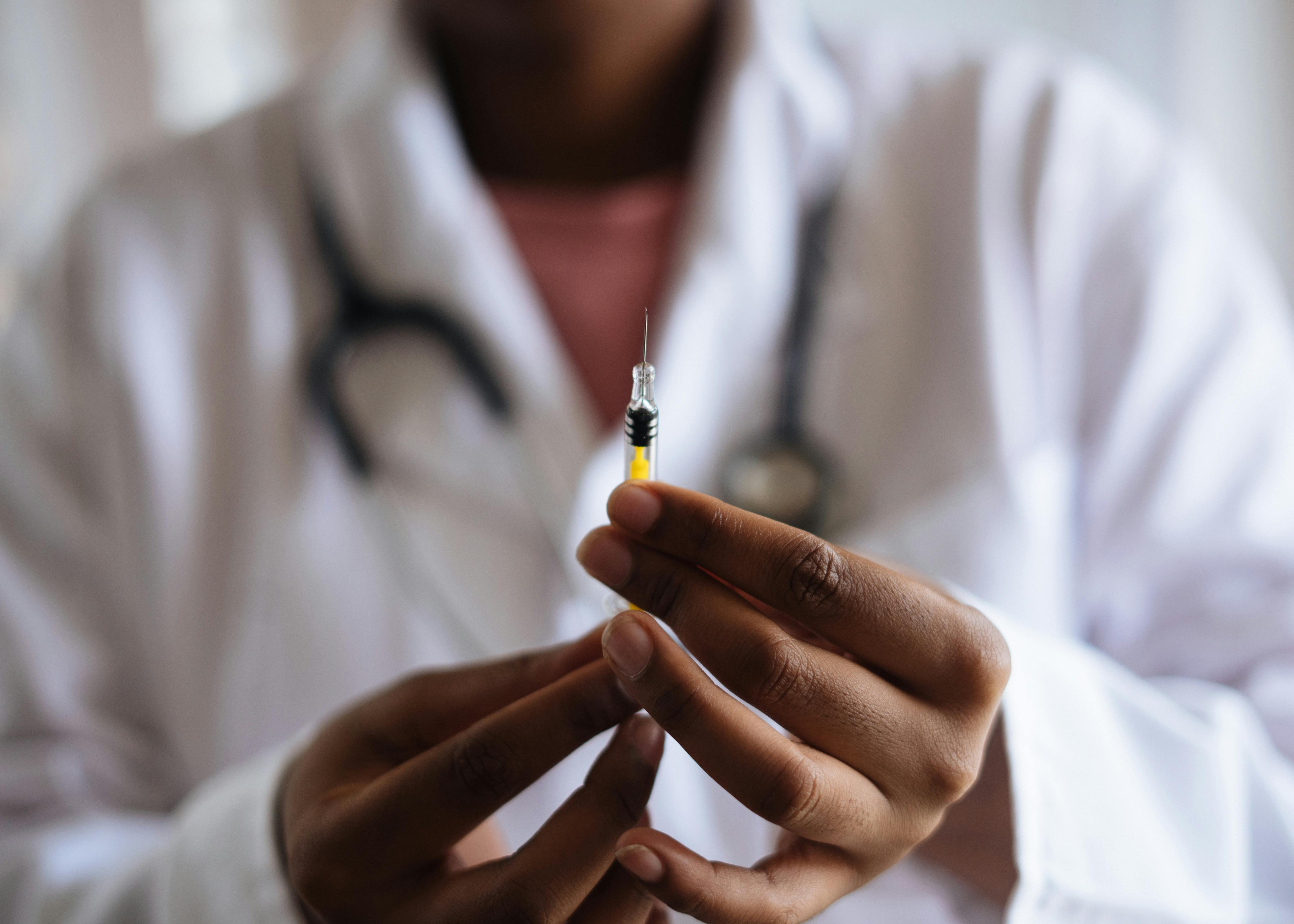
Over decades, public‑health data have painted a consistent picture of how measles behaves and how well vaccination works.
- Before widespread vaccination, measles caused an estimated 2.6 million deaths per year worldwide (WHO).
- In high‑income countries, about 1 in 5 unvaccinated people who get measles end up hospitalized.
- Complications include ear infections, pneumonia, encephalitis (brain inflammation), and, rarely, a fatal condition called subacute sclerosing panencephalitis (SSPE) that can appear years later.
- Areas with high MMR coverage see far fewer cases and much smaller outbreaks when measles is imported.
None of this means that vaccination or public‑health measures offer perfect protection, or that individual outcomes can be guaranteed. But the weight of evidence strongly supports vaccination as a major driver of lower measles illness and death.
Moving Forward: Calm, Informed Action in a Challenging Moment
Living through a measles outbreak—especially when exposure locations include familiar places like grocery stores, clinics, and places of worship—can be unsettling. It’s normal to feel worried or even frustrated.
You don’t have to solve this alone. Public‑health teams across Utah are working daily to identify cases, notify communities, and reduce spread. Your role is important too, and it comes down to a few key actions:
- Know your and your family’s MMR status and complete any needed doses.
- Pay attention to official exposure notices and symptom guidance.
- Protect those at higher risk—infants, pregnant people without immunity, and people with weakened immune systems.
- Reach out to your healthcare provider with questions instead of relying on rumors or unverified posts.
Change rarely happens all at once. Even taking one step this week—like confirming your child’s vaccination record or bookmarking the UDHHS measles page—moves you and your community in a safer direction.
If you’re unsure what to do next, your most impactful move is simple: contact your healthcare provider or local health department and ask, “Given what’s happening in Utah right now, what should I be doing for my family?”
