
Viral Mediterranean Anti-Inflammatory Super-Food Bowls You’ll Actually Crave
Mediterranean Anti-Inflammatory Super-Food Bowl (Viral-Style, But Real-Food Focused)
Mediterranean-style eating has leapt from clinical studies to TikTok, reborn as colorful “anti-inflammatory bowls” and “longevity plates.” At its heart, though, this trend is a love letter to real food: juicy tomatoes, peppery olive oil, herby chickpeas, nutty whole grains, and silky yogurt or tahini draped over the top. This recipe turns that scroll-stopping idea into a reliable, weeknight-friendly Mediterranean super-food bowl you can plate, photograph, and—most importantly—truly enjoy.
You’ll build a hearty base of grains or greens, layer on anti-inflammatory stars like chickpeas, salmon or tofu, plenty of colorful vegetables, and finish with a lemony herb yogurt-tahini drizzle. It’s deeply satisfying, naturally rich in fiber and healthy fats, and endlessly customizable for vegan, vegetarian, and gluten-free eaters.
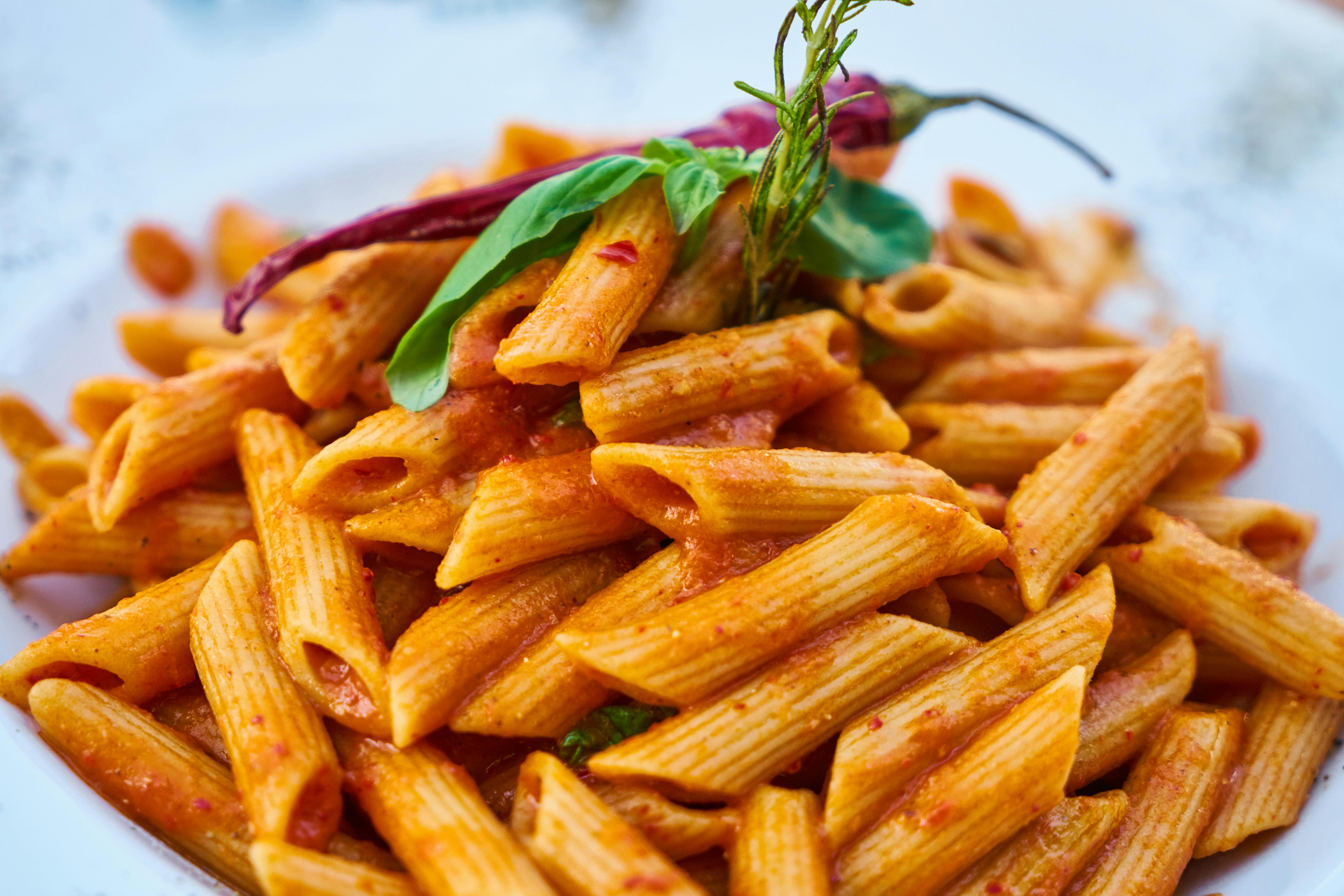
Quick Recipe Snapshot
Prep time:
20 minutes
Cook time:
20 minutes
Total time:
40 minutes
Servings:
4 bowls
Difficulty:
Easy (great for meal prep)
Dietary notes: Mediterranean-style, high-fiber, heart-healthy, can be made vegan, vegetarian, and gluten-free.
Recipe Structured Data (SEO-Friendly)
The following embedded JSON-LD helps search engines understand this Mediterranean bowl recipe and its anti-inflammatory focus.
Essential Equipment for Mediterranean Bowl Meal Prep
You don’t need a professional studio kitchen to create those TikTok-worthy Mediterranean anti-inflammatory bowls. A few basic tools will make the process smoother and more enjoyable:
- Medium saucepan with lid (for grains)
- 2 rimmed baking sheets (for roasting chickpeas and protein)
- Sharp chef’s knife and cutting board
- Small mixing bowl and whisk (for the sauce)
- Measuring cups and spoons
- 4 wide, shallow bowls for serving (great for presentation and even topping distribution)
- Optional: parchment paper or a silicone mat for easier cleanup
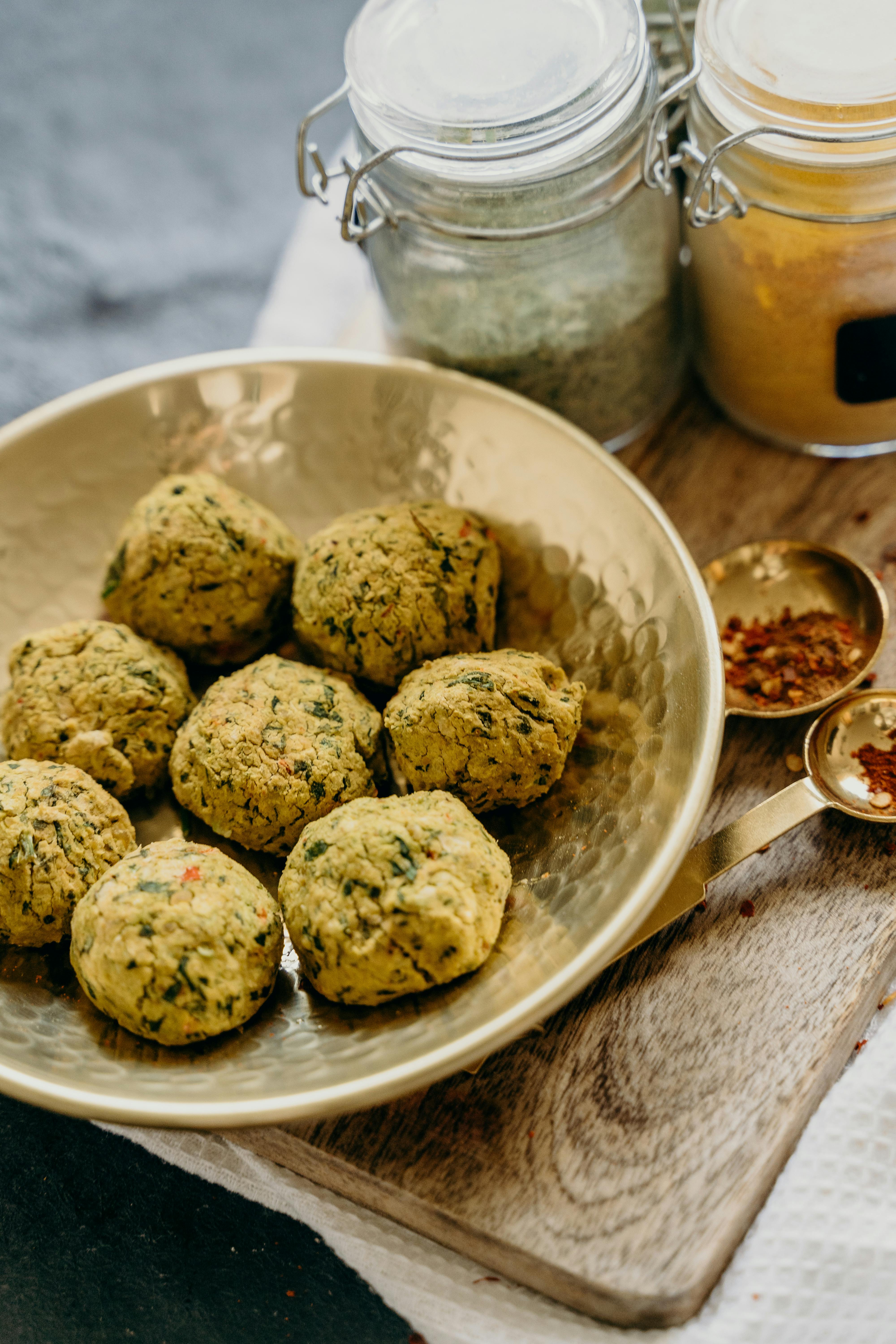
Ingredients: Mediterranean Anti-Inflammatory Super-Food Bowl
This recipe is designed as a template. Start with the base ingredients below, then use the substitutions guide to match your dietary needs and what you have in your pantry.
For the Whole-Grain & Greens Base
- 1 cup (190 g) dry quinoa, farro, or brown rice, rinsed
- 2 cups (480 ml) low-sodium vegetable or chicken broth (or water)
- 2 cups loosely packed mixed greens (baby spinach, arugula, or chopped romaine)
For the Protein & Spiced Chickpeas
- 1 (15-ounce / 425 g) can chickpeas, drained and rinsed
- 2 tablespoons extra-virgin olive oil, divided
- 1 teaspoon ground cumin
- 1 teaspoon smoked paprika
- 1/2 teaspoon ground turmeric (anti-inflammatory all-star)
- 1/2 teaspoon fine sea salt, plus more to taste
- 1/4 teaspoon freshly ground black pepper
- 2 salmon fillets (about 5 oz / 140 g each) or 1 (14-ounce / 400 g) block extra-firm tofu, pressed and cubed, for a vegan protein
Colorful Mediterranean Vegetables & Add-Ins
- 1 cup cherry tomatoes, halved
- 1 cup cucumber, diced
- 1 medium red bell pepper, diced
- 1/4 small red onion, very thinly sliced
- 1/2 cup Kalamata or green olives, pitted and halved
- 1/4 cup fresh parsley, chopped (or mint, basil, or a mix)
Lemon Herb Yogurt-Tahini Sauce
- 1/2 cup (120 g) plain Greek yogurt (or unsweetened dairy-free yogurt)
- 2 tablespoons tahini
- 2 tablespoons fresh lemon juice (about 1 large lemon)
- 1 small garlic clove, finely grated or minced
- 2–3 tablespoons water, to thin to a drizzle
- 1/4 teaspoon fine sea salt, or to taste
- Optional: 1–2 tablespoons chopped fresh herbs (parsley, dill, or mint)
Crunchy, Heart-Healthy Toppings
- 1/4 cup walnuts or almonds, roughly chopped
- 1 tablespoon pumpkin or sunflower seeds, toasted if desired
- Extra extra-virgin olive oil and lemon wedges for serving
Step-by-Step: How to Make a Mediterranean Anti-Inflammatory Bowl

- Cook the grain base.
Rinse your chosen grain (quinoa, farro, or brown rice) under cold water.
Add the grain and broth (or water) to a medium saucepan. Bring to a boil over medium-high heat, then reduce the heat to low, cover, and simmer according to package directions:- Quinoa: about 15 minutes
- Farro: 20–25 minutes
- Brown rice: 30–35 minutes
- Roast the spiced chickpeas and protein.
Preheat your oven to 400°F (200°C). Line 2 baking sheets with parchment for easy cleanup.
Pat the chickpeas dry with a clean towel—this helps them crisp. On the first baking sheet, toss chickpeas with 1 tablespoon olive oil, cumin, smoked paprika, turmeric, salt, and pepper until evenly coated.
On the second sheet, place the salmon fillets (skin-side down) or tofu cubes. Drizzle with the remaining olive oil and season lightly with salt and pepper.
Roast for 15–18 minutes, stirring the chickpeas and flipping tofu halfway through. The chickpeas should be golden and slightly crunchy; salmon should be just opaque and flaky, or tofu deeply golden on the edges. - Prep the fresh veggies and herbs.
While everything roasts, turn your cutting board into a color party:- Halve the cherry tomatoes.
- Dice the cucumber and red bell pepper.
- Thinly slice the red onion (soak in cold water for a few minutes if you prefer a milder bite).
- Roughly chop the parsley or other herbs.
- Halve the olives.
- Whisk the lemon herb yogurt-tahini sauce.
In a small bowl, combine Greek yogurt, tahini, lemon juice, grated garlic, and salt. Whisk until smooth and creamy.
Add water 1 tablespoon at a time, whisking, until the sauce is thick but pourable—think the consistency of heavy cream or a loose yogurt. Taste and adjust with more lemon or salt if needed. Stir in chopped herbs, if using. - Assemble your Mediterranean bowl.
Divide the cooked grains between 4 wide bowls. Add a small handful of mixed greens to each.
Arrange piles of roasted chickpeas, salmon or tofu, tomatoes, cucumber, bell pepper, red onion, and olives over the top. Don’t worry about perfection; that casual, overflowing look is exactly what makes these bowls so inviting on camera and at the table. - Finish with sauce, crunch, and a drizzle.
Spoon or drizzle the lemon herb yogurt-tahini sauce generously over each bowl.
Sprinkle with chopped walnuts or almonds and pumpkin or sunflower seeds. If you love that Mediterranean glow, add a final thread of extra-virgin olive oil and tuck a lemon wedge into each bowl for squeezing at the table.
Serve right away while the grains and protein are warm and the veggies are still crisp.

Smart Substitutions & Dietary Adaptations
One of the reasons Mediterranean bowls thrive on social media is how customizable they are. Use this as a guide, not a rulebook.
Make It Vegan
- Use tofu, tempeh, or extra chickpeas instead of salmon.
- Swap Greek yogurt for an unsweetened plant-based yogurt (soy or coconut) in the sauce.
- Add extra tahini or a spoonful of hummus to amp up creaminess and protein.
Make It Gluten-Free
- Choose quinoa, brown rice, or gluten-free buckwheat as your base.
- Avoid bulgur or farro, which contain gluten.
Swap the Grains & Proteins
- Base options: quinoa, farro, bulgur, barley, brown rice, lentils, or simply a bed of mixed greens.
- Protein options: grilled shrimp, sardines, chicken breast, falafel, lentil patties, or marinated tempeh.
Flavor Twists (Mediterranean + Fusion)
- Mediterranean–Mexican: Add black beans, corn, and a cilantro-lime yogurt-tahini sauce.
- Mediterranean–Asian: Use tofu, sesame seeds, and a tahini–soy–ginger dressing alongside the classic veggies.
“The Mediterranean pattern is less about strict recipes and more about a rhythm: plants at the center, olive oil as your main fat, nuts and legumes often, fish regularly, and ultra-processed foods only occasionally.”
Why These Mediterranean Bowls Are Trending (And Evidence-Backed)
On TikTok and Instagram, creators often frame these as “anti-inflammatory super-food bowls” or “longevity plates.” While the word “inflammation” is sometimes oversimplified, the building blocks here align closely with research on the Mediterranean diet for:
- Heart health & longevity: Extra-virgin olive oil, nuts, legumes, and fish are linked with healthier blood lipids and lower cardiovascular risk.
- Blood-sugar balance: The combination of fiber-rich grains and vegetables, protein, and healthy fats helps soften post-meal glucose spikes and keeps you full longer.
- Anti-inflammatory pattern: Emphasis on plants, omega-3-rich fish, olive oil, and nuts, with fewer ultra-processed foods, supports lower chronic inflammation markers over time.
These bowls are visually stunning, but their real magic is that they’re enjoyable and sustainable—meals you want to eat regularly, not just a week-long challenge.
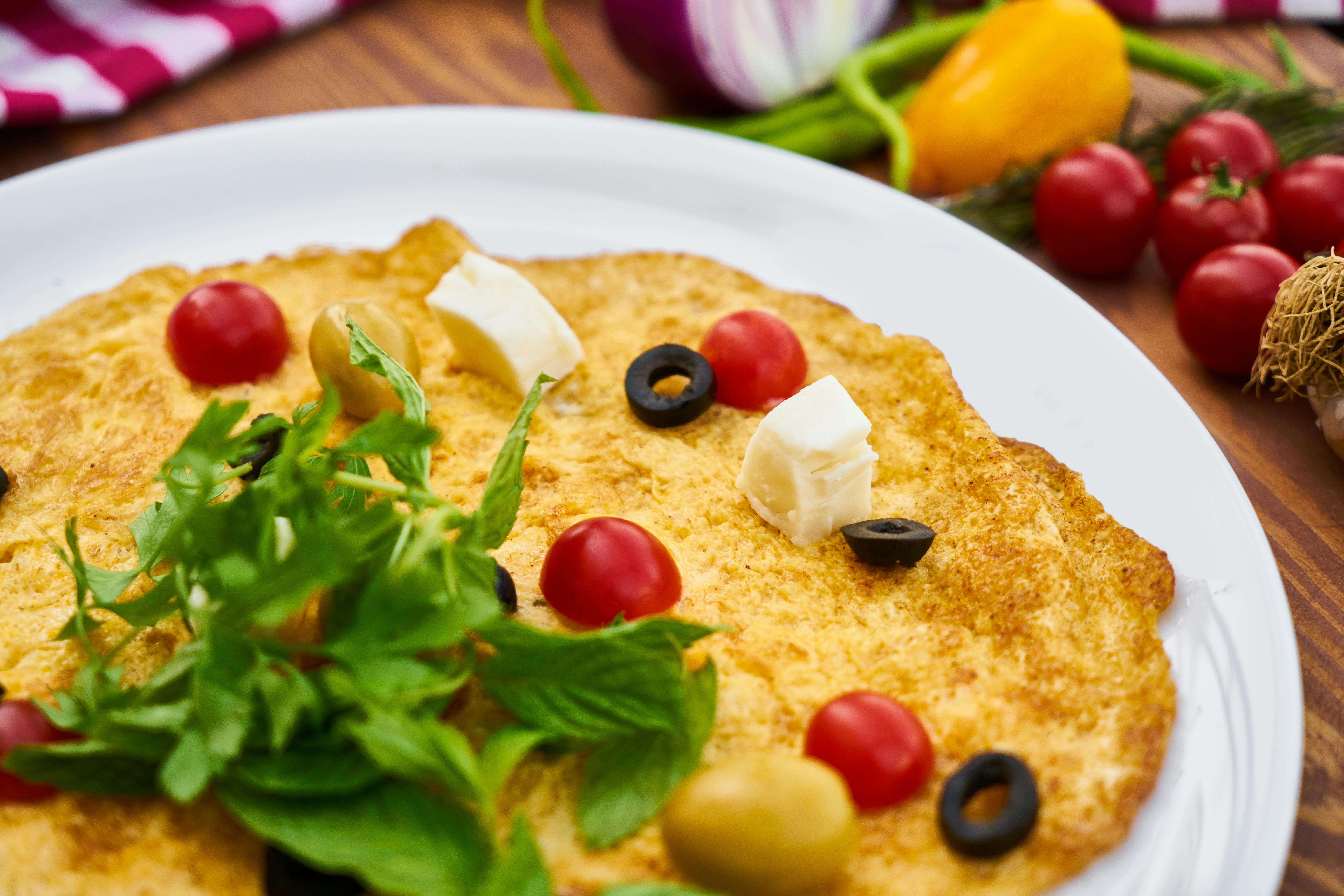
Storage, Meal Prep, and Reheating Tips
Mediterranean anti-inflammatory bowls are perfect for batch cooking—one of the reasons they dominate meal-prep content online.
How to Store
- Cooked grains: Store in an airtight container in the fridge for up to 4 days.
- Roasted chickpeas & protein: Keep in separate containers for 3–4 days. Chickpeas are crispest on day 1–2.
- Chopped vegetables: Store tomatoes, cucumbers, and peppers separately in covered containers for 2–3 days.
- Sauce: Refrigerate in a jar for up to 5 days. Stir and thin with a splash of water or lemon juice before serving.
Reheating Guidelines
- Grains & protein: Reheat gently in the microwave (30–60 seconds) or on the stovetop with a splash of water or broth until warmed through.
- Chickpeas: For extra crunch, re-crisp in a 375°F (190°C) oven or air fryer for 5–8 minutes.
- Vegetables & sauce: Keep cold and add after reheating the warm components for the best texture and color.
Serving Ideas & Mediterranean-Inspired Pairings
Turn your anti-inflammatory Mediterranean bowl into a full, relaxed meal that feels like a warm breeze off the Aegean.
- On the side: Serve with warm whole-grain pita, a small bowl of hummus, or a simple lentil soup.
- For guests: Set up a DIY “bowl bar” with grains, proteins, veggies, and toppings in separate dishes so everyone builds their own creation.
- For extra greens: Nestle your bowl on a larger plate lined with arugula or mixed lettuces and let the sauce double as a dressing.
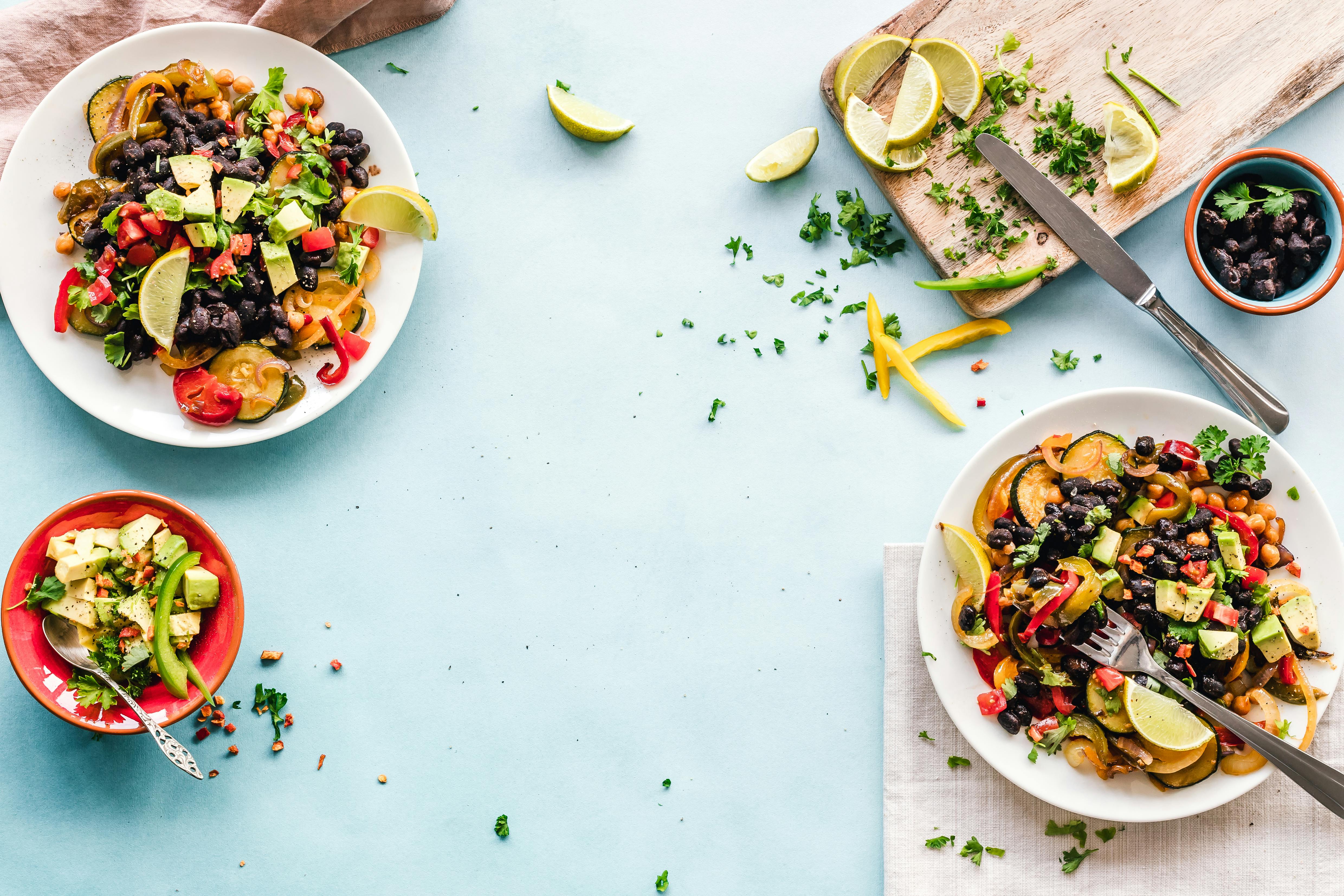
However you serve it, the goal is the same as in traditional Mediterranean homes: slow down, share the table, and truly taste your food. The viral videos are fun, but the real trend worth keeping is that everyday habit of colorful, plant-forward, delicious meals.
