
Protein-Fortified Everything: How Proffee, High-Protein Breakfasts, and Macro-Friendly Snacks Took Over Our Carts
Protein‑Fortified Everything: From Coffee to Cereal
Protein has quietly become the star of modern eating. What used to be the domain of bodybuilders and chalky shakes is now a full‑blown grocery revolution: protein coffee, high‑protein cereal and pasta, “macro‑friendly” ice cream, and snack bars promising dessert flavors with a muscular twist. Behind the trend are real goals—weight management, muscle maintenance, better blood‑sugar control, and that magical feeling of staying fuller for longer.
Today, we’ll walk through how protein‑fortified foods are reshaping breakfast, snacks, and even dessert, with practical tips to help you enjoy this trend deliciously and intelligently—whether you’re a macro‑tracker, a busy parent, an athlete, or simply curious about that mysterious “proffee” on your social feed.

Why Protein‑Fortified Foods Are Everywhere Right Now
Scroll through TikTok or Instagram and you’ll see it: people carefully counting “macros,” flexing meal‑prep containers, and celebrating a 25‑gram‑protein breakfast. Protein has become a daily target instead of a vague nutrient, and that mindset is shaping what we buy and cook.
- Social media fitness and wellness influencers normalize macro‑tracking apps and emphasize hitting 20–35 g of protein per meal.
- People using GLP‑1 weight‑loss medications (and dieters in general) are extra cautious about protecting muscle while losing fat, so protein gets top billing.
- Food brands see a powerful marketing hook and now splash “High Protein” and exact gram counts across coffee, cereal, bread, and ice cream cartons.
At the same time, busy lifestyles demand convenience: commuters want breakfast in one cup; students want grab‑and‑go snacks that actually hold them until lunch. Protein‑fortified foods promise a shortcut—a way to turn familiar favorites into something more sustaining.
Proffee: The Protein Coffee Trend Taking Over Mornings
Protein coffee—or “proffee”—is exactly what it sounds like: your beloved hot or iced coffee blended with a protein shake or powder. TikTok creators pour velvety vanilla or caramel protein drinks over espresso, shake it with ice, and suddenly that morning latte delivers 20–30 g of protein along with caffeine.
The appeal is clear: it feels indulgent, especially when it foams up like a café latte, yet it doubles as a quick breakfast or pre‑workout drink. You get the roasty aroma of coffee, the creamy sweetness of flavored protein, and a long‑lasting, energized fullness.

High‑Protein Breakfast Swaps: From Sugary Cereal to Satisfying Starts
Traditional breakfasts—think sugary cereal, white toast with jam, or a lone pastry—can give a quick energy rush followed by a crash and gnawing hunger. High‑protein breakfasts aim to flip that script: slower digestion, more stable blood‑sugar, and better focus through the morning.
Trending options include:
- Greek yogurt or skyr bowls loaded with fruit, nuts, and sometimes a scoop of whey or plant protein.
- Cottage‑cheese pancakes and “cottage‑cheese toast,” where the mild tangy cheese becomes a protein‑rich base for sweet or savory toppings.
- Egg‑based dishes like veggie omelets, breakfast burritos in high‑protein wraps, or egg‑bite style muffins.
- Protein‑fortified cereals and granolas that promise 10–20 g per serving when paired with milk or yogurt.

Protein‑Enriched Pantry Staples: Pasta, Bread, and More
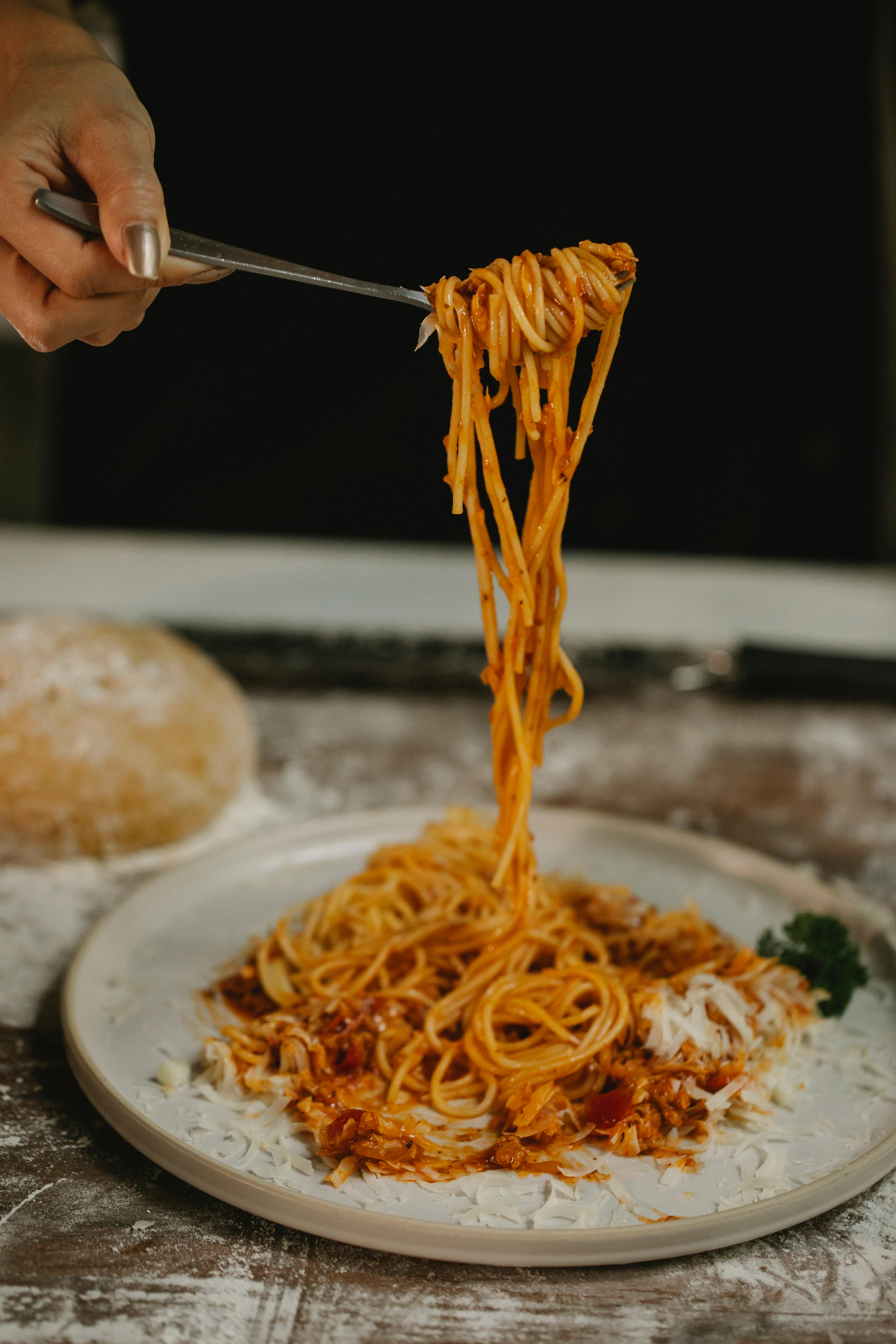
Protein has also slipped into the pantry aisle. Now you’ll find pasta made from lentils or chickpeas, breads with added whey or pea protein, and snack mixes boasting double‑digit grams of protein per serving. For many, this is a gentle way to boost protein without drastically changing familiar meals.
Some of the most popular protein‑enriched staples include:
- Legume‑based pastas (lentil, chickpea, black bean) that pair beautifully with tomato sauce, pesto, or roasted vegetables.
- High‑protein breads, bagels, and wraps that transform sandwiches and breakfast toasts into more filling meals.
- Protein granolas and trail mixes with added seeds, nuts, and sometimes protein crisps or isolates.
Dessert‑Like Protein Snacks: Ice Cream, Puddings, Bars, and Cookies
If you’ve ever wished your nightly ice cream binge “counted” toward your protein goals, modern food science heard you. Freezers and snack aisles are now packed with protein ice creams, puddings, bars, and cookies, all marketed as sweet, indulgent, yet macro‑friendly treats.
Influencers regularly review these products, describing textures (“a bit icy,” “surprisingly creamy,” “chewy but satisfying”) and flavors, and showing how they fit into calorie‑controlled, high‑protein diets. They’ve become especially popular as flexible dieting (“If It Fits Your Macros”) and strength training go mainstream.

Nutrition Deep Dive: Quantity, Quality, and Distribution of Protein
As the protein boom continues, dietitians are adding important nuance. It’s not just how much protein you eat, but which kind and how you spread it through the day.
1. Quantity: How Much Protein Do You Really Need?
Needs vary by age, activity, and health status, but many experts now suggest that active adults, older adults, and people in weight‑loss phases may benefit from aiming higher than the bare minimum daily requirement. For many, that looks like targeting roughly 20–35 g of protein at each meal and including some in snacks.
2. Quality: Whole Foods vs. Ultra‑Processed Protein Snacks
Whole‑food protein sources—fish, poultry, eggs, dairy, beans, lentils, tofu, tempeh, nuts, and seeds—bring more than just protein. They offer iron, zinc, omega‑3 fats, calcium, B vitamins, and fiber that highly processed products often lack.
Protein bars and fortified snacks can absolutely have a place, especially for convenience, but relying on them exclusively can mean missing those extra nutrients.
Think of protein‑fortified products as handy “accessories” to an outfit whose foundation should be whole‑food proteins.
3. Distribution: Why Spreading Protein Through the Day Matters
Research suggests that spacing protein more evenly—rather than eating very little at breakfast and a huge portion at dinner—may support muscle protein synthesis more effectively. That’s one reason proffee and high‑protein breakfasts are so popular: they help you start strong instead of playing catch‑up later.
Additives, Sweeteners, and the Shift Toward Simpler Protein Foods
Not all protein‑fortified products taste like melted birthday cake ice cream—some taste, frankly, like a chemistry experiment. Health‑conscious shoppers are increasingly reading labels and questioning long ingredient lists, sugar alcohols, and intense artificial sweeteners.
In response, there’s a counter‑trend toward minimally processed protein options: plain Greek yogurt topped with fruit instead of flavored pudding cups, simple whey or pea protein powders with just one or two ingredients, and snacks based on nuts, seeds, or roasted chickpeas rather than candy‑like bars.

DIY High‑Protein Ideas for Home Cooks
You don’t have to rely solely on packaged foods to join the high‑protein movement. With a few pantry staples and a playful spirit, you can build satisfying, protein‑rich meals and snacks in your own kitchen—no culinary degree required.
- Blend your own protein smoothies: fruit, milk or yogurt, a scoop of protein, plus extras like oats or nut butter for staying power.
- Upgrade your oatmeal: stir in egg whites while cooking (they disappear into fluffy oats), or add Greek yogurt or protein powder once it cools slightly.
- Build snack plates: mix cheese or hummus with whole‑grain crackers, nuts, and sliced veggies for a balanced, protein‑rich spread.
- Batch‑cook proteins: roast chicken thighs, bake tofu, or simmer a big pot of lentil chili to anchor multiple meals.

Looking Ahead: Protein’s Place in Future Food Culture
The high‑protein trend is deeply intertwined with today’s biggest wellness stories: weight‑loss medications like GLP‑1 agonists, home workouts and strength training, busy hybrid work schedules, and a hunger (literally and figuratively) for foods that do more than just fill us for an hour.
We can expect even more creative products—think protein‑fortified sauces, condiments, beverages, and globally inspired snacks. At the same time, there’s growing respect for the humble power of whole‑food proteins and simple cooking, where a bowl of lentil soup or a plate of grilled fish with vegetables quietly outperforms a flashy bar.
However you choose to participate—by sipping proffee, swapping in legume pasta, or just adding an extra egg to your breakfast—the key is balance. Let protein be a tool, not a tyrant; a way to feel stronger, steadier, and better nourished, while still embracing the joy and flavor that make food such a pleasure in the first place.
