
This Common Diet Might Speed Up Breast Cancer Tumor Growth, New Study Warns
We hear it all the time: “We are what we eat.” That phrase feels even heavier when a diagnosis like breast cancer enters the room. Recently, headlines have highlighted a study where scientists exposed breast cancer to four different diets — and one of those ways of eating appeared to speed up tumor growth. Understandably, that sparks worry and questions.
In this guide, we’ll unpack what this new research actually means, how diet can influence breast cancer biology, and how you can use this information in a grounded, practical way — without fear, guilt, or extreme food rules.

Why This Study Is Getting So Much Attention
The New York Post and other outlets reported on a study where researchers compared how four distinct diets affected breast cancer tumor growth in an experimental model. One pattern — likely higher in certain fast-digesting, ultra-processed components — seemed to accelerate tumor growth compared with the others.
Media headlines can be alarming, but the reality is more nuanced. The study adds to a growing body of evidence that:
- Our diet can influence cancer risk and progression.
- Not all calories are equal when it comes to tumor biology.
- Patterns of eating over time matter more than any single “superfood” or “bad food.”
The Core Question: Can Diet Really Speed Up Breast Cancer?
The goal of the new research was to test how different eating patterns might influence:
- The speed at which breast cancer tumors grow.
- How tumors use blood sugar, fats, and other nutrients.
- Signals related to inflammation and hormones that can fuel cancer.
While specific details of the latest experiment are still being analyzed and debated in the scientific community, similar studies have shown:
- Diets high in refined carbohydrates and added sugars can lead to higher insulin and blood sugar spikes, which may support faster tumor growth in some models.
- Ultra-processed foods are associated with higher risk of several cancers in large observational studies, though cause-and-effect is complex.
- Patterns rich in whole plant foods (vegetables, fruits, beans, whole grains, nuts) are consistently linked to lower cancer risk and often better outcomes after diagnosis.
“No single food or nutrient causes or cures cancer. It is the overall pattern of diet and lifestyle that matters most.”
— World Cancer Research Fund (WCRF)
What Did Scientists Actually Do in This Breast Cancer Diet Study?
While media summaries can be vague, most studies like the one reported follow a similar structure:
- Use a breast cancer model — often mice with implanted human or mouse breast cancer cells, or cancer cells grown in dishes (cell culture).
- Feed groups different diets — for example:
- Diet A: High in refined carbs and added sugars.
- Diet B: High in saturated fats or processed fats.
- Diet C: Balanced, whole-food based pattern.
- Diet D: Calorie-controlled or higher in fiber and plant components.
- Track tumor growth — measure tumor size, rate of growth, and sometimes metastasis (spread).
- Analyze blood and tissue markers — insulin, glucose, inflammatory markers, and gene expression inside the tumor.
In the reported study, one of the diets stood out because tumors grew faster and showed biological signs that they were receiving more “fuel” or pro-growth signals.
What This Study Does Prove
When you read that a diet “sped up tumor growth,” it’s natural to wonder if a single meal or snack could make your cancer worse. Current science does not support that level of precision or fear. Here are key limitations:
- Animal and cell studies are not the same as human trials. Tumors in mice grow much faster, and diets are far more controlled than in real life.
- Most human data is observational. We can see patterns (for example, people who eat more ultra-processed food may have worse outcomes), but many other factors are in play.
- No study shows that one bite causes or cures cancer. It’s about consistent patterns over months and years.
- Treatments matter more than diet alone. Surgery, chemotherapy, radiation, hormonal therapy, and targeted drugs remain the main drivers of outcome.
That said, diet is one of the few levers patients can personally adjust — and that’s empowering when done thoughtfully, not fearfully.
Which Type of Diet Appears to Speed Up Tumor Growth?
While specific labels vary by study, the pattern most often linked to faster tumor growth and poorer metabolic health has common traits:
- High in added sugars (sugary drinks, sweets, refined baked goods).
- High in refined grains (white bread, pastries, many packaged snacks).
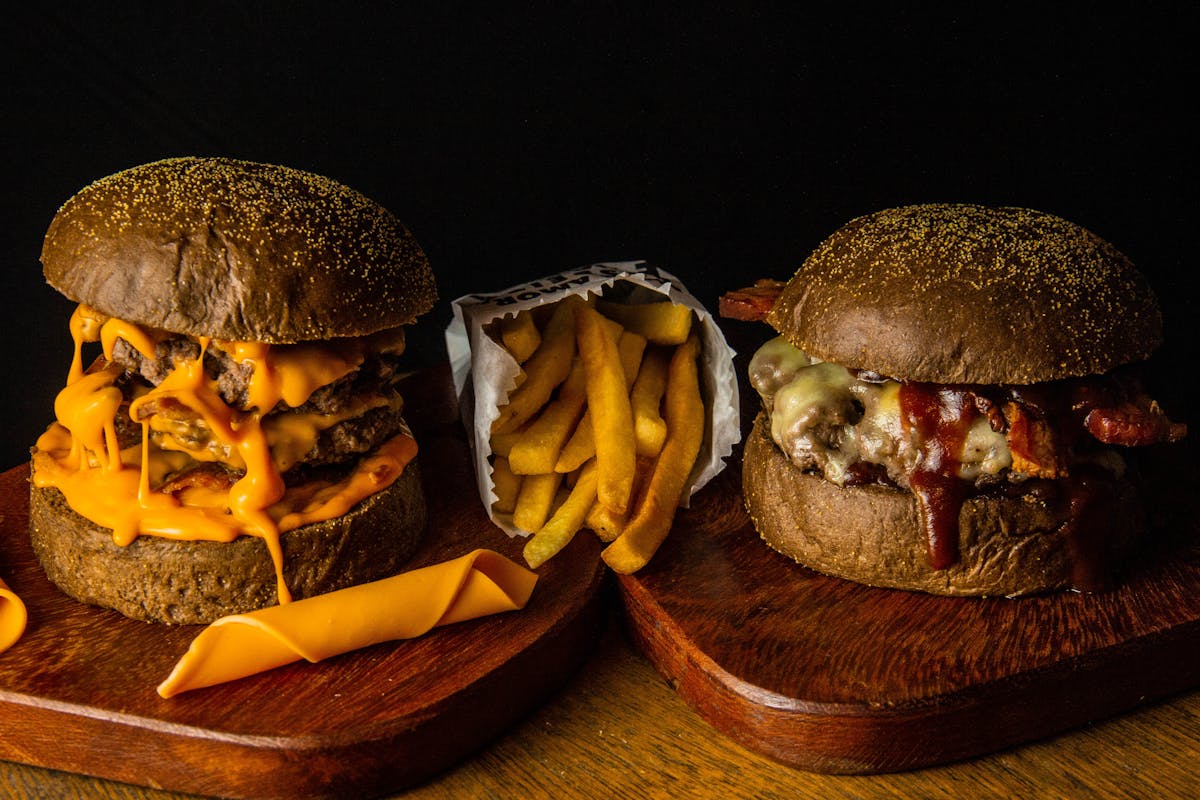
- Rich in ultra-processed foods (ready-to-eat packaged meals, chips, processed meats).
- Low in fiber (very few vegetables, fruits, beans, or whole grains).
- Often high in unhealthy fats (heavily fried foods, trans fats, some processed seed-oil–rich snacks).
This pattern can lead to:
- Higher insulin and blood sugar levels.
- Chronic, low-grade inflammation.
- Weight gain and higher body fat, particularly around the abdomen.
All of these factors may create a more favorable environment for some breast cancers to grow, especially hormone-sensitive and metabolically driven tumors.
What Does a More “Cancer-Supportive” Eating Pattern Look Like?
While no diet can guarantee that breast cancer will shrink or stay away, several organizations — including the American Cancer Society (ACS) and World Cancer Research Fund — broadly recommend similar eating patterns for people with or recovering from cancer.
Core features of a breast-cancer–supportive diet include:
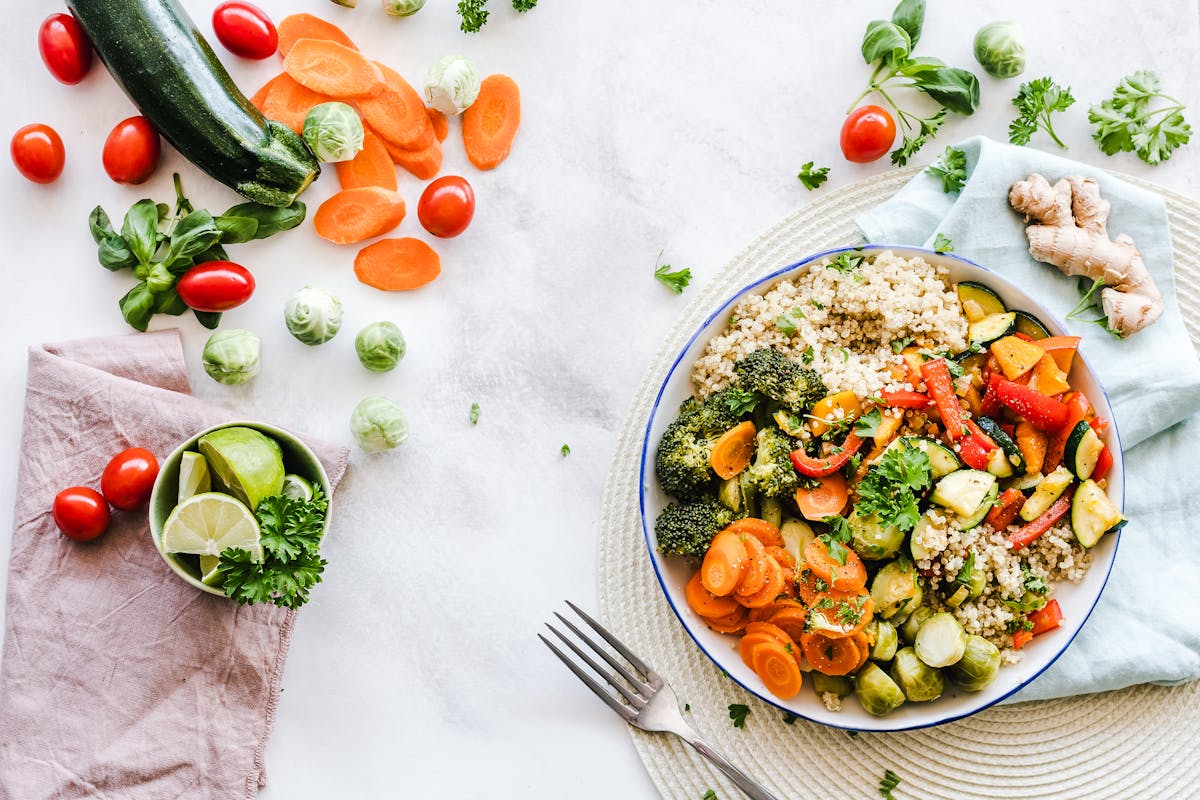
- Plenty of colorful vegetables and fruits (aim for at least 5 servings per day, as tolerated).
- Whole grains such as oats, brown rice, quinoa, barley, and whole-grain bread or pasta.
- Plant proteins like beans, lentils, peas, tofu, and tempeh, alongside moderate amounts of fish or poultry if you eat animal foods.
- Healthy fats from nuts, seeds, olive oil, and avocados, with limited deep-fried foods.
- Limited red and processed meats (bacon, sausage, deli meats, hot dogs).
- Minimal sugary drinks and heavily sweetened snacks.
Practical Steps: How to Adjust Your Diet Without Overwhelm
Changing how you eat while dealing with breast cancer is hard. Fatigue, stress, and treatment side effects are real obstacles. Small, focused tweaks can still make a meaningful difference in your overall health and may support your treatment plan.
Start with these manageable steps:
- Simplify breakfast
- Swap sugary cereal for oatmeal topped with berries and nuts.
- Try plain yogurt with fruit and a spoonful of seeds instead of pastries.
- Upgrade your drinks
- Replace soda or sweet tea with water, unsweetened tea, or sparkling water with a splash of juice.
- Add, don’t just subtract
- Before cutting anything, add one vegetable to lunch and dinner — a side salad, sliced cucumbers, or steamed frozen veggies.
- Pre-plan 2–3 “go-to” meals
- For example: bean and veggie soup, sheet-pan chicken and vegetables, or tofu stir-fry with frozen veggies and brown rice.
- Plan gentle snacks
- Keep nuts, hummus with crackers, or a banana with peanut butter on hand for days when appetite is low.
Common Obstacles — And How Real People Work Through Them
Here are some of the most frequent challenges I hear from patients, along with realistic workarounds.
“I’m too exhausted from treatment to cook.”
Fatigue is one of the most universal side effects of breast cancer therapy.
- Use frozen vegetables and pre-cooked grains (microwave rice, quinoa cups).
- Keep rotisserie chicken or canned beans on hand for quick protein.
- Batch-cook soup or chili on a good day and freeze several portions.
“Healthy food feels too expensive.”
Cost is a real barrier, but certain strategies can help:
- Buy frozen fruits and vegetables — often cheaper and just as nutritious.
- Rely on beans, lentils, and eggs as budget-friendly protein.
- Choose store brands and shop sales for staples like oats, brown rice, and canned tomatoes.
“Everything tastes off right now.”
Chemotherapy and some targeted therapies can change taste or smell.
- Experiment with citrus, herbs, and spices to brighten flavors.
- Try cold foods (smoothies, yogurt, chilled pasta salads) if warm foods smell too strong.
- Work with an oncology dietitian for tailored ideas based on your treatment.
“Many of my breast cancer clients feel guilty if they can’t eat ‘perfectly.’ We focus on what’s possible today — even one extra serving of vegetables or one less sugary drink is a win.”
— Registered Dietitian specializing in Oncology Nutrition
What Larger Research Says About Diet and Breast Cancer
Beyond this single study, several major research bodies have weighed in on diet and breast cancer:
- World Cancer Research Fund/American Institute for Cancer Research (WCRF/AICR):
- Concludes that body fatness, alcohol, and certain dietary patterns influence breast cancer risk.
- Recommends a mostly plant-based diet, with limited alcohol and processed meat.
- American Cancer Society (ACS):
- Encourages survivors to follow a healthy eating pattern rich in vegetables, fruits, and whole grains.
- Notes that better diet quality is linked with lower risk of recurrence and better overall survival in some studies.
- Observational Cohort Studies:
- Have found that women with breast cancer who follow Mediterranean-like or plant-forward diets often have better metabolic health and, in some analyses, improved outcomes.
For more detail, see:
- World Cancer Research Fund: Diet, nutrition, physical activity and cancer
- American Cancer Society: Breast Cancer Information

A Realistic “Before and After” Diet Shift
Think of this not as a dramatic before-and-after photo, but as a gentle evolution of your daily routine. Here’s an example of how one woman, “Maria,” adjusted her eating after a breast cancer diagnosis, based on typical patterns I see in practice.
Before
- Breakfast: Sugary cereal with whole milk, or a pastry and sweet coffee drink.
- Lunch: Fast-food burger and fries, or a deli sandwich with chips.
- Dinner: Takeout pizza or creamy pasta several nights a week.
- Snacks: Soda, candy, and cookies, especially on stressful days.
After (6 Months Later)
- Breakfast: Oatmeal with berries and walnuts most days; eggs and whole-grain toast on weekends.
- Lunch: Leftover homemade bean chili, or a salad with chicken and quinoa.
- Dinner: Baked salmon or tofu with roasted vegetables and brown rice; pizza kept to once every week or two.
- Snacks: Sparkling water, nuts, fruit, and occasionally dark chocolate.
Maria didn’t do this overnight, and she still enjoys treats. But by shifting her overall pattern away from the ultra-processed, high-sugar, high-fat diet most associated with faster tumor growth, she feels more energetic and more in control of her health.
Quick Answers to Common Questions
Does sugar “feed” cancer?
Cancer cells do use glucose (sugar) for energy — as do healthy cells. Completely eliminating all carbohydrate is neither realistic nor proven to improve outcomes for most people with breast cancer. However, diets high in added sugars and fast-digesting carbs can worsen insulin resistance and inflammation, which may be problematic over time.
Is a ketogenic diet best for breast cancer?
Ketogenic (very low-carb, high-fat) diets are being studied in cancer, but evidence is not yet strong enough to recommend them routinely for breast cancer. Some patients may benefit under careful medical and dietitian supervision, while for others it can be too restrictive or risky (especially with weight loss, kidney issues, or certain treatments).
Should I avoid soy?
For most women, moderate intake of whole soy foods (like tofu, tempeh, and edamame) appears safe and may even be protective, especially when started earlier in life. Highly processed soy supplements and powders are a different story and should be discussed with your oncology team.
Moving Forward: Use the Science, Release the Fear
The latest study on breast cancer and diet reinforces a message we’ve been hearing for years: some eating patterns create a healthier internal environment than others. One of the diets tested — likely high in ultra-processed, sugary, low-fiber foods — seemed to speed up tumor growth in the lab. That’s important, but it doesn’t mean you’re helpless or that a single food choice determines your future.
You can’t control every variable in cancer, but you can:
- Shift gradually toward a whole-food, plant-forward diet.
- Work with an oncology dietitian to tailor advice to your treatment and side effects.
- Focus on progress, not perfection — especially on tough treatment days.
If you’re ready to take a next step, consider:
- Writing down what you eat for 2–3 days without judgment.
- Choosing one area to improve (for example, sugary drinks, vegetables, or breakfast).
- Bringing your questions to your oncology team or a registered dietitian who understands cancer care.
Let this research be a source of information and empowerment — not fear. Your body deserves nourishment, compassion, and support as you move through and beyond breast cancer treatment.
