
The Once‑Daily HIV Pill Giving Hope to a ‘Forgotten’ Generation
For many older adults living with HIV, the question comes up at nearly every appointment: “Is there one pill a day to keep me healthy?” When you’re juggling medications for blood pressure, diabetes, cholesterol, sleep, pain, and HIV, it can feel like your day is ruled by pill boxes and alarms. A new once-daily HIV pill highlighted by NPR offers fresh hope for this so‑called “forgotten population” by aiming to replace complicated multi-pill regimens with a single, carefully designed tablet.
This guide breaks down what this new one-a-day option is, who it may help, what we do and don’t know yet, and how you can work with your HIV care team to safely simplify your treatment—without compromising your health.
The Problem: HIV Treatment Can Be Overwhelming—Especially as You Age
Many people who have lived with HIV for years or decades rely on complex antiretroviral therapy (ART) combinations. As they age, they often develop other health conditions that require additional daily medications. The result can be:
- Multiple HIV pills taken at different times of day
- Drugs for blood pressure, heart disease, diabetes, or kidney issues
- Sleep, mood, or pain medications layered on top
- Strict food or timing rules (e.g., “take with food,” “no antacids within 4 hours”)
Over time, this “polypharmacy” (taking many medications at once) can lead to:
- Lower adherence – It’s simply harder to remember every dose.
- More side effects – Drug–drug interactions can increase nausea, dizziness, or organ strain.
- Emotional fatigue – Constant reminders of illness can wear people down.
“Isn’t there just one HIV pill I can take in the morning and be done?” is one of the most common questions I hear from older patients who are doing everything right but feel exhausted by complex regimens.
A Glimpse at the New Once‑Daily Approach

NPR recently highlighted a new once-daily HIV pill designed to take the place of complicated, multiple-drug regimens. While details will continue to evolve as more data are published, the core idea is straightforward:
- Combine several antiretroviral medications into a single tablet
- Target people who have been on treatment for years and may have drug resistance
- Simplify dosing to one pill once a day, without frequent changes
Importantly, this pill is not a cure and not yet the standard for everyone. It’s part of a growing movement to tailor HIV care to people’s real lives, not just their lab results.
How a Once‑Daily HIV Pill Works (in Plain Language)
Most modern HIV treatment uses at least two or three active drugs—sometimes more—to:
- Stop the virus from making copies of itself
- Prevent the virus from becoming resistant to any one drug
- Keep viral load so low it’s “undetectable” on blood tests
The new once-daily pill follows the same principles but packages them differently:
- Multiple medications inside one tablet – So you only swallow one pill, but you’re still getting a combination of antiretrovirals.
- Formulated for “heavily treated” patients – It’s designed with people in mind who may have used many HIV drugs before and have some resistance.
- Built for stability – The specific drugs are chosen to stay effective even as the virus evolves, based on what clinical trials have shown so far.
Who This New Once‑Daily HIV Pill May Help Most
While only your HIV specialist can say whether a specific pill is right for you, early discussions from clinicians and researchers suggest several groups that may benefit:
- Older adults living with HIV who take many other medications and struggle with pill burden.
- People with long treatment histories who have tried multiple regimens over the years.
- Patients with some drug resistance who still need a potent combination that’s easier to manage.
- Individuals with memory or cognitive challenges (for example, related to aging) who benefit from fewer daily doses.
- People who travel or work irregular hours and find it hard to keep track of complex schedules.
“I used to carry three different pill bottles everywhere I went,” one long‑term survivor shared in clinic. “Moving to a one‑pill routine didn’t change who I am, but it changed how much space HIV takes up in my day.”
What the Science Says So Far
The NPR report describes a once‑daily pill developed to simplify complex regimens. While specific trial names and full datasets will continue to be published, the general evidence around simplified HIV regimens is strong:
- Large clinical guidelines such as those from the U.S. Department of Health and Human Services (DHHS) and the World Health Organization (WHO) support once-daily, combination regimens when appropriate.
- Multiple studies show that single-tablet regimens improve adherence compared with multi-pill regimens, especially in older adults.
- Keeping viral load undetectable with effective ART not only protects your health but also means no sexual transmission of HIV (U=U), according to extensive research.
The new pill discussed by NPR builds on this foundation, with a special focus on people who have previously been considered “hard to treat” because of resistance, side effects, or complicated histories.
Before and After: What Switching to a Once‑Daily Pill Can Look Like

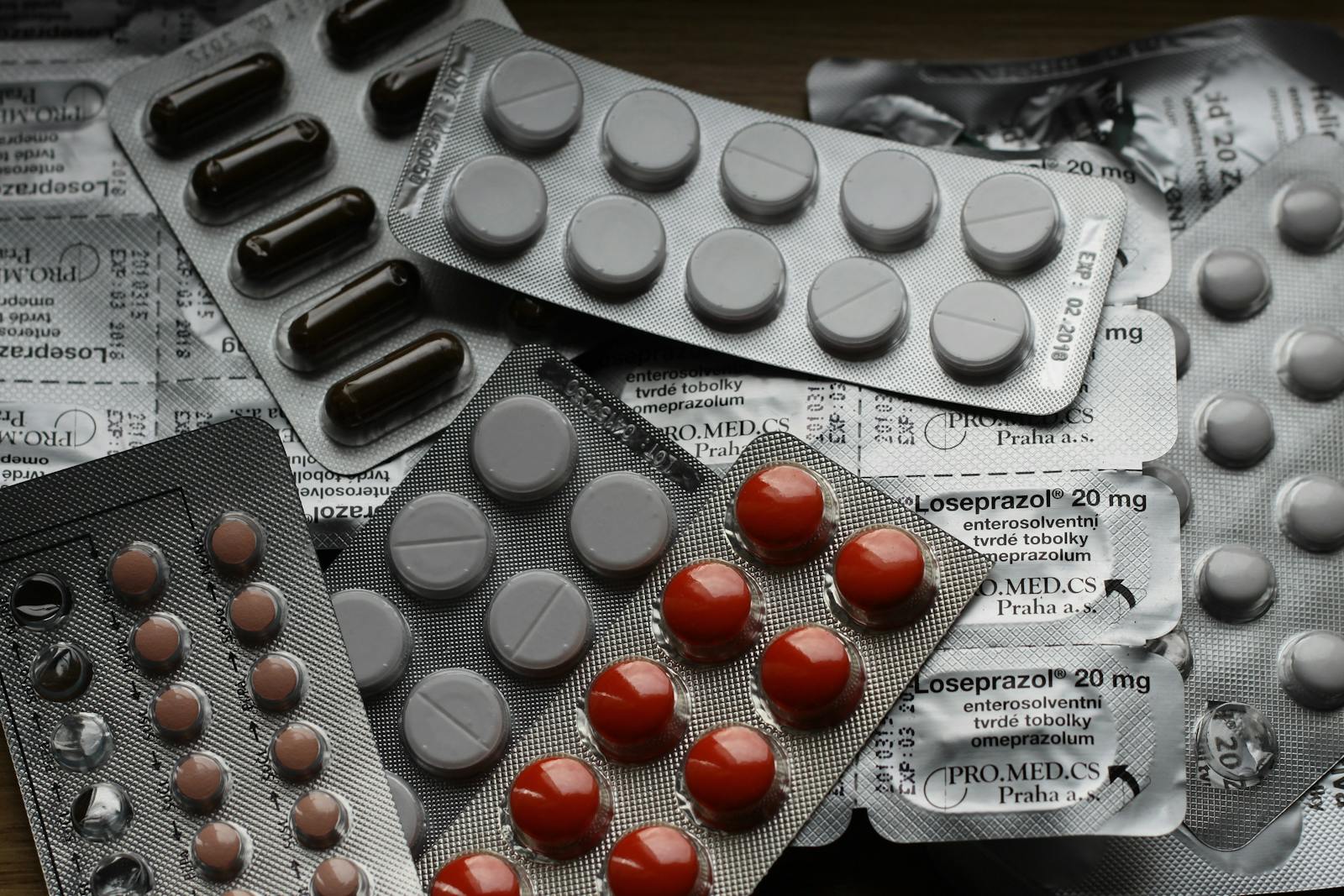
Here’s a simplified example (not a substitute for medical advice):
- Before: Morning HIV pill + evening HIV pill + strict food rules + four non‑HIV medications scattered through the day.
- After: One HIV pill in the morning + other necessary non‑HIV medications, grouped where possible to reduce complexity.
People who’ve made similar switches often report:
- Less anxiety about “messing up” their regimen
- Fewer alarms and reminders to manage
- A feeling that HIV takes up less mental space, even though it’s still carefully controlled
Common Obstacles—and How to Navigate Them
Even when a once-daily HIV pill sounds appealing, real-world barriers can get in the way. Here are some of the most common, with practical ways to address them.
1. “I’m afraid to rock the boat—my current regimen is working.”
That fear is understandable. If your viral load is undetectable and you feel well, changing anything can be scary.
- Ask your clinician whether a simpler regimen could maintain, not just reach, your current level of control.
- Discuss a clear plan for monitoring viral load more closely after any switch.
- Make sure you know exactly how to switch back if needed.
2. Insurance and cost concerns
Newer medications can be expensive, and coverage varies.
- Ask to speak with a clinic social worker or financial counselor.
- Check if there are patient assistance programs from the manufacturer.
- Request that your clinician submit any needed prior authorization with clear justification.
3. Drug–drug interactions
When you’re on multiple non‑HIV medications, adding a new HIV pill can change how other drugs work.
- Bring an up‑to‑date list of every medication and supplement to your HIV visit.
- Ask your provider to consult resources like the Liverpool HIV Drug Interactions checker.
- Report any new symptoms promptly, even if they seem minor.
4. Emotional and mental health factors
For some long‑term survivors, complex pill routines are tied to trauma, stigma, or memories of the early HIV epidemic.
- Consider talking with a therapist or support group experienced in HIV and aging.
- Use a potential switch as a chance to reclaim control over how HIV fits into your life today.
How to Talk With Your Doctor About a Once‑Daily HIV Pill
If you’re wondering whether a one-a-day pill might be right for you, consider using this simple, step‑by‑step approach at your next appointment.
- Start with your goals.
“My current regimen works, but I’m struggling with how many pills I take every day. I’d like to know if there’s a simpler option.” - Ask specifically about once‑daily options.
“Are there any once-daily combination pills that could work for my treatment history and resistance pattern?” - Review your full medication list together.
Include prescriptions, over‑the‑counter meds, vitamins, and herbal supplements. - Discuss risks and benefits honestly.
Ask: “What are the biggest advantages for me? What are the realistic risks or unknowns?” - Plan monitoring and follow‑up.
“If we switch, how often will we check my labs, and what should I watch for at home?”
Practical Steps to Safely Simplify Your HIV Treatment
If you and your clinician decide that moving toward a once‑daily regimen is reasonable, these practical steps can support a smooth transition.
- Step 1: Get baseline labs. Recent viral load, CD4 count, kidney and liver function, and, if needed, resistance testing.
- Step 2: Choose a start date. Pick a time when life is relatively stable (not during travel or major life changes if you can help it).
- Step 3: Set up reminders. Phone alarms, pill organizers, or smart pill bottles can help you lock in the new routine.
- Step 4: Track how you feel. Keep a simple log of any new symptoms, mood changes, or sleep differences.
- Step 5: Follow up as planned. Attend all scheduled lab checks and appointments in the first few months after switching.
Beyond Pills: Supporting Your Health While Living With HIV
A simpler HIV regimen is one powerful tool, but your overall health also depends on the choices you make every day. Especially for older adults with HIV, small, consistent habits can add up.
- Stay active with movement you enjoy—walking, stretching, gentle strength work.
- Prioritize sleep and a regular sleep–wake schedule when possible.
- Eat balanced meals that support heart, bone, and brain health.
- Stay up‑to‑date on vaccines like flu, COVID‑19, pneumonia, and shingles, as recommended.
- Stay connected to community—support groups, friends, faith communities, or hobby groups.

Looking Ahead: You’re Not a Forgotten Population
The emergence of a new once‑daily HIV pill aimed at older adults and long‑term survivors is more than just another medication story. It’s a recognition that your needs, your routines, and your quality of life matter just as much as your lab results.
You may not be ready—or medically suited—to switch regimens right now, and that’s okay. What matters is that you know options are expanding, and that you feel empowered to ask questions and advocate for care that fits your life today.
Your next step:
- Write down how your current HIV regimen fits (or doesn’t fit) into your daily life.
- Bring those notes to your next appointment.
- Ask your clinician directly: “Given my history and other medications, could a once‑daily HIV pill be a safe option for me now or in the future?”
You’ve already done the hard work of living with HIV. You deserve treatment that supports not just your longevity, but your day‑to‑day wellbeing.
