
The Oscars Are Leaving Hollywood (and Hitting YouTube): What the 2029 Shake-Up Really Means
Now the Oscars Aren’t Just Moving to YouTube, They’re Moving Out of Hollywood
In 2029, the Academy Awards are leaving the Dolby Theatre in Hollywood for downtown Los Angeles and leaning even harder into YouTube and streaming. Enjoy the old-school Oscars while you can, because three years from now the show’s red carpet, audience, and even its idea of “prestige TV” will look very different.
The news, first highlighted by Gizmodo, isn’t just a logistical update—it’s a cultural pivot. A ceremony that once defined Hollywood glamour is now chasing the places where viewers actually live: online feeds, second screens, and algorithms.
From Kodak to Dolby to Downtown: A Brief History of Oscar Real Estate
The Oscars have always been as much about place as about prizes. The venue is part of the myth-making:
- 1929: The first Academy Awards were a private banquet at the Hollywood Roosevelt Hotel.
- 1930s–40s: The ceremony bounced between hotels and theaters, reflecting a growing but still insider-focused industry.
- 1960s–2000s: The show settled in big, made-for-TV rooms like the Dorothy Chandler Pavilion and eventually the Kodak Theatre.
- 2002–2028: The Dolby Theatre era cemented the Oscars as a tourist attraction and symbol of Hollywood Boulevard glamour.
Shifting to a downtown L.A. venue in 2029 completes a slow migration that mirrors the city’s own cultural geography: Hollywood as a nostalgic brand, downtown as a mixed-use backdrop for sports, concerts, and now prestige TV-as-event.

Why the Oscars Are Cozying Up to YouTube and Streaming
The Oscars’ love–hate relationship with the internet has finally tipped into “it’s complicated but we’re moving in together.” Ratings have declined for years, not because interest in movies died, but because:
- Viewers prefer clips over marathons—viral moments, not a three-and-a-half hour broadcast.
- Gen Z and younger millennials watch on phones, not cable, and expect instant replay and social chatter.
- Studios promote films via TikTok, trailers on YouTube, and fan communities, not just TV spots.
Moving more aggressively onto YouTube and streaming platforms lets the Academy:
- Chase global reach: YouTube is already where international audiences follow Hollywood news.
- Monetize fragments: Every speech, upset, and meme-able moment becomes its own content unit.
- Target younger viewers: Recommendations and algorithms do the work traditional marketing used to do.
“If the Oscars want to survive another century, they have to live where the audience lives. That’s not on a network schedule—it’s in your pocket.”
— An industry analyst quoted in coverage of the Academy’s digital push

Leaving the Dolby: What the Downtown Move Actually Changes
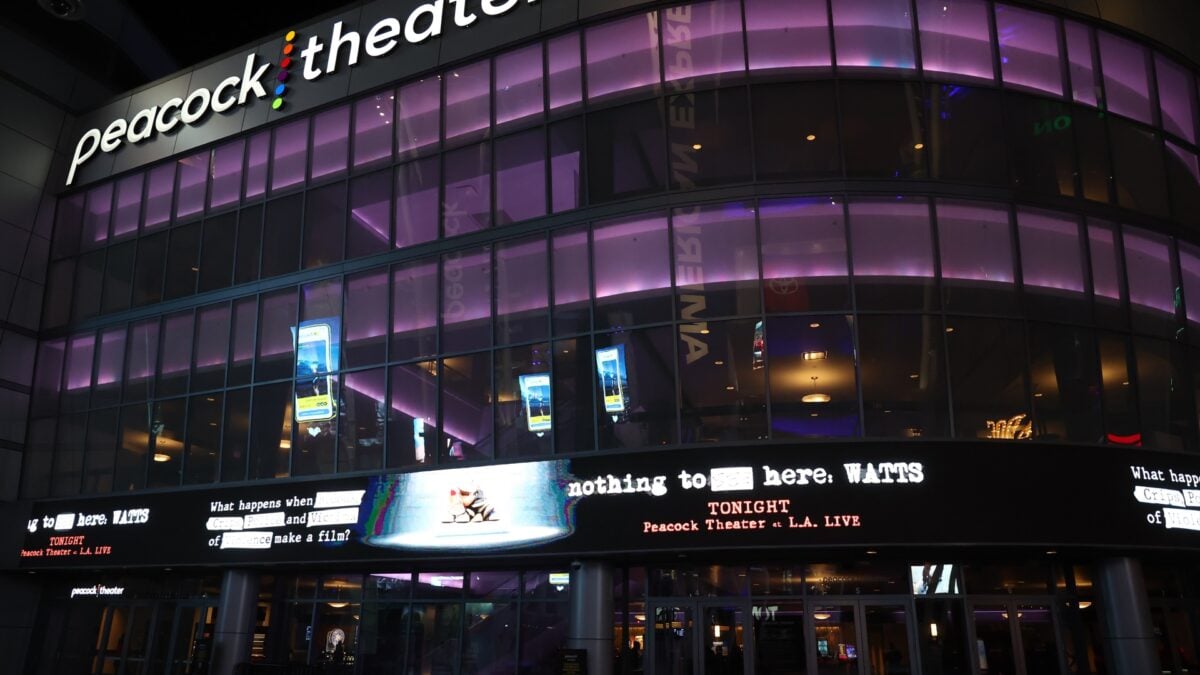
The Dolby Theatre has always photographed like a temple to old Hollywood: red velvet, gilt, and a shopping mall just outside the frame. A downtown venue—like the Peacock Theater—signals a different kind of spectacle.
Here’s what the shift could mean, reading between the lines:
- More hybrid events: Downtown L.A. is built for conventions, fan expos, and pop culture festivals. Think Oscars plus activations, live podcasts, and sponsor-driven “experiences.”
- Flexible staging: Modern arenas are wired for LED stages, AR graphics, and massive screens. The show can look less like a 20th-century telecast and more like a stadium tour with awards in the middle.
- Different audience mix: Expect fewer old-guard insiders in tuxedos and more cross-industry guests—from gamers to influencers—who already live in the downtown event ecosystem.

Cultural Stakes: What This Means for “Hollywood” as an Idea
The Oscars moving out of Hollywood is symbolically louder than it is geographically dramatic. Hollywood has always been more brand than place, but this move underlines a few trends:
- Prestige is de-centering: Awards, festivals, and critics no longer sit at the top of the culture pyramid. Online communities, box office, and algorithmic hits matter just as much.
- Global film culture is already elsewhere: From Korean cinema to Nollywood to Indian blockbusters, the most dynamic growth isn’t headquartered on Hollywood Boulevard.
- “Hollywood” now means an industry, not a neighborhood: Production is scattered across Atlanta, Vancouver, London, New Zealand—and that fragmentation is finally reflected in where and how awards happen.
“The Oscars are no longer the annual mass; they’re one node in a sprawling, year-round conversation about movies and status that mostly happens online.”
— A critic reflecting on awards season’s shrinking cultural monopoly
The Upside: Why a 2029 Reboot Could Actually Work
Beneath the hand-wringing, there are solid arguments that the 2029 Oscars shake-up could improve the show—if the Academy is brave enough to follow through.
- Better pacing, more modular storytelling: Designing the show for clips first could force tighter speeches, sharper writing, and category packages that don’t feel like filler.
- More inclusive reach: A YouTube-forward strategy makes it easier for international fans to watch legally and engage in real time, instead of relying on next-day uploads.
- Room for experimentation: A new venue and distribution model are the rare moments when legacy institutions can safely try new formats—genre performances, cross-media collaborations, or acknowledgment of games and streaming originals.

The Risks: What Could Go Wrong with a YouTube-Heavy, Downtown Oscars
Reinvention comes with trade-offs, and the Academy’s track record on “modernizing” is… uneven. There are a few obvious danger zones.
- Chasing virality over substance
Turning the show into a clip factory risks flattening it into pure spectacle. The Oscars are one of the few remaining spaces where below-the-line crafts—editing, sound, costume design—get prime-time attention. Those categories are often the first to be “streamlined.” - Over-branding the experience
A downtown arena plus aggressive digital strategy is catnip for sponsors. The line between “elevated event” and “three-hour commercial with statues” is thin, and audiences tend to notice when they’ve crossed it. - Alienating core cinephiles
There’s a passionate base that still wants the Oscars to be a bit nerdy, a bit slow, and deeply about film. If the show becomes just another variety special, that core might check out emotionally, even if they keep doom-scrolling the highlights.
How the Oscars Compare to Other Awards in the Streaming Era
The Academy isn’t operating in a vacuum. Other awards bodies have already tried different versions of this pivot:
- The Grammys embraced big-concert staging and internet-friendly collaborations early, which kept them more culturally central than their ratings alone suggest.
- The Emmys have struggled with category bloat in the age of streaming TV, but their flexible venues and formats show how live shows can adapt to new viewing habits.
- Gaming awards like The Game Awards were born digital-first, proving you can build an event brand around live streams, global premieres, and social media in real time.
The Oscars in 2029 may end up somewhere in the middle—less stiff than a black-tie telecast, but not as natively online as events that grew up on Twitch and YouTube.

What Viewers Can Expect by the 2029 Ceremony
While details will evolve as 2029 gets closer, the trajectory points to a few likely outcomes:
- More official clips and live segments on YouTube during and immediately after the show.
- Second-screen experiences on phones, including live polls, behind-the-scenes feeds, and creator-hosted side streams.
- A slightly shorter main broadcast, with some categories presented in alternative formats or time-shifted slots.
- Increased crossovers between film talent and online-native creators, from pre-show red carpet coverage to post-show breakdowns.
How gracefully all this lands will depend less on the building and more on whether the Academy accepts that it’s programming a global internet event—not just a Sunday-night TV special.
Where to Follow Official Updates and Further Reading
For accurate details as the 2029 move approaches, keep an eye on:
Final Take: The Oscars’ Next Era Will Be Won (or Lost) Online
Moving out of Hollywood and deeper into YouTube won’t magically fix the Oscars’ relevance problem, but it does acknowledge how much the ground has shifted beneath them. By 2029, the Academy will either have turned the show into a genuinely hybrid, global event—or proven that no amount of staging can force a monoculture that no longer exists.
Until then, each ceremony between now and 2029 doubles as a time capsule. Enjoy the Dolby years while they last; the next version of the Oscars is already being engineered for a world where your timeline, not your TV, decides what matters.
