
Savannah Guthrie’s Poised Return to Today Amid the Search for Her Missing Mother
Savannah Guthrie is set to return to NBC’s Today show in April, even as Arizona authorities continue the search for her missing mother, Nancy Guthrie — a case the Pima County Sheriff says appears “targeted” with a known but undisclosed motive. It’s the kind of real‑life drama that blurs the line between news anchor and news subject, and it’s unfolding in full public view.
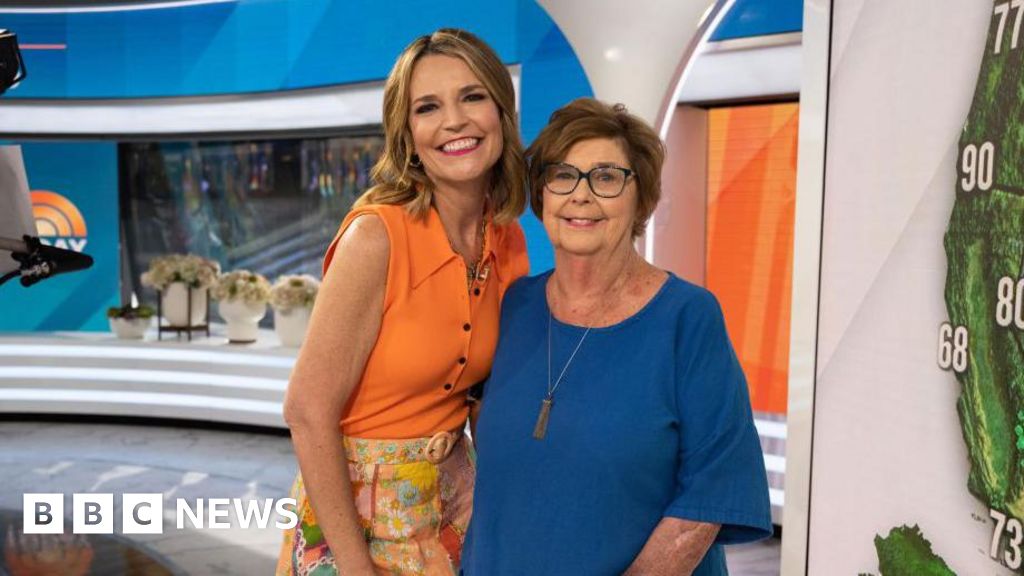
Savannah Guthrie’s Return to Today in the Middle of a Family Crisis
The decision to step back into the studio while an intensely personal investigation is still unfolding raises big questions about on‑air vulnerability, newsroom ethics, and how morning television navigates tragedy in real time. It’s also a reminder that in 2026, the stories behind our most familiar TV faces are rarely confined to off‑camera life.
From Newsroom Mainstay to News Story: Context Behind the Search
Guthrie has been a central figure on American morning television since joining Today in 2011 and becoming co‑anchor in 2012. Her public image leans “steady and empathetic” rather than flashy, which is part of why this story lands differently: the person usually guiding audiences through crises now finds herself at the center of one.
According to Pima County Sheriff Chris Nanos, investigators believe Guthrie’s mother was not a random victim:
Authorities believe Nancy Guthrie was “targeted”. Sheriff Nanos has said investigators know the motive but declined to make it public while the search is active.
That single word — “targeted” — shifts the story from a tragic disappearance to something potentially more calculated and unsettling. Yet law enforcement’s choice to withhold the motive underscores how sensitive, and possibly complex, the investigation is.

For viewers who know Guthrie primarily as the calm presence between weather hits and celebrity segments, the sudden intrusion of a criminal investigation into her personal life can feel jarring. But it also highlights something the industry often glosses over: anchors aren’t just brand ambassadors; they’re people whose lives can rupture without warning.
Why Her April Return to Today Matters for Morning TV
Morning shows like Today, Good Morning America, and CBS Mornings live on familiarity. Audiences build almost ritualistic relationships with anchors: they’re the faces people see while making coffee, getting kids ready, or doomscrolling before work. Prolonged absences — especially under tragic circumstances — disrupt that rhythm.
Guthrie’s decision to come back in April, rather than take an indefinite leave, has a few implications:
- Stability for the brand: NBC has every incentive to get one of its most recognizable faces back on screen, particularly as streaming and social platforms continue to chip away at traditional ratings.
- A test of on‑air vulnerability: Today has leaned into emotional transparency in recent years — from Al Roker’s health updates to Hoda Kotb’s family stories. Guthrie’s return will likely involve some kind of personal acknowledgment.
- Viewer trust: How the show frames her situation — how much detail, how much distance — will shape whether audiences see this as exploitative or respectfully human.
Ethics, Privacy, and the Fine Line Between Coverage and Exploitation
The Guthrie case sits at an uncomfortable intersection: true‑crime curiosity, celebrity culture, and real‑time news coverage. Morning shows have pivoted hard into the true‑crime lane over the past decade, knowing audiences are highly engaged by missing‑person cases and unsolved mysteries.
But when the victim is the anchor’s own mother, the usual playbook doesn’t neatly apply. Over‑covering the story risks looking self‑involved; under‑covering it can seem evasive or weirdly silent given its newsworthiness.
There’s a difference between inviting viewers into a difficult chapter of your life and turning that chapter into a content vertical.
From a media‑ethics standpoint, the key questions include:
- Editorial distance: Will Guthrie recuse herself from segments involving the investigation, or will the show avoid covering it altogether?
- Source pressure: How do law enforcement and family navigate intense media interest when the family includes a nationally recognized anchor?
- Public right to know vs. privacy: At what point does the audience’s legitimate concern become intrusive speculation?

The Pima County Sheriff’s choice to withhold the motive, even while confirming they believe Nancy Guthrie was targeted, suggests a deliberate effort to keep speculation in check while investigators do their work. For NBC, mirroring that restraint on‑air will be crucial if they want to avoid fueling rumor cycles.
The Cultural Impact: Why Viewers Care So Much About Morning Show Hosts
Morning anchors occupy a strange space in American culture: they are both celebrities and quasi‑family members, familiar enough to be comforting but distant enough to feel aspirational. Savannah Guthrie’s situation taps into a broader cultural shift — audiences now expect transparency from public figures, not just polish.
Over the last decade, Today has actively leaned into this intimacy. The show devotes significant airtime to the anchors’ lives, from parenting stories to health scares. Guthrie’s return will inevitably come with a narrative: a monologue, a brief statement, or at least a collective acknowledgment from the desk.
If handled thoughtfully, that moment can do a few things at once:
- Acknowledge viewers’ concern without turning the investigation into a spectacle.
- Model a kind of emotional honesty that feels rare in traditional news spaces.
- Reinforce why morning TV still matters in a streaming world: live, shared experiences still hit differently.
Strengths, Risks, and What NBC Has to Get Right
Evaluated as a media moment rather than a personal tragedy, Guthrie’s April return has both clear strengths and obvious risks for NBC and Today.
- Emotional authenticity – Viewers increasingly respond to anchors who acknowledge real life instead of pretending everything is fine on‑air. If Guthrie chooses to speak candidly, it could deepen audience loyalty.
- Continuity for the franchise – Keeping the familiar anchor lineup intact reassures advertisers and long‑time viewers at a time when TV news is under competitive pressure from digital outlets.
- Risk of overexposure – Any hint that the show is leaning on Guthrie’s personal crisis for ratings could backfire both culturally and ethically.

The most responsible path likely involves a short, unadorned acknowledgment of the situation, gratitude for public concern, and a clear line drawn around what will and won’t be discussed while the search for Nancy Guthrie continues. Anything more elaborate risks turning a family’s trauma into a serialized subplot.
Looking Ahead: A Human Story in a Hyper‑Public Era
As Guthrie prepares to step back onto the Today set, the real story isn’t ratings or network strategy; it’s whether her mother is found and how investigators ultimately explain the “targeted” nature of the case. Until then, every on‑air appearance will carry the weight of an unresolved chapter.
In a media landscape obsessed with instant reaction, there’s something quietly radical about restraint — from law enforcement holding back the motive to a show choosing empathy over exploitation. If NBC, Guthrie, and the Pima County Sheriff’s Office can keep that balance, this may become less a case study in sensationalism and more a rare example of how to handle a public figure’s private crisis with some measure of grace.

For now, viewers will tune in not just to see how Guthrie covers the news, but how she lives through it — a reminder that even in the polished world of network television, real life has a way of breaking the script.
