
The Mediterranean Diet Reinvented: Everyday Blue Zones Cooking for Longevity
Mediterranean Diet Reinvented: Blue Zones, Longevity & Everyday Super Foods
The Mediterranean and Blue Zones–style diets are having a beautiful second act. After years of whiplash from keto, detoxes, and quick-fix cleanses, more people are turning toward a way of eating that feels joyful, social, and deeply sustainable—rich in olive oil, beans, leafy greens, whole grains, and simple home cooking. Instead of chasing miracle foods, we’re celebrating everyday “super foods” that show up in the world’s longest-lived regions.
To bring this to your own kitchen, we’ll explore what makes Mediterranean and Blue Zones eating so special, then dive into a cozy, plant-forward recipe: a One-Pot Mediterranean Chickpea & Greens Stew that’s easy enough for a weeknight and nourishing enough to feel like a tiny longevity ritual in a bowl.
Why Mediterranean & Blue Zones Diets Are Trending Again
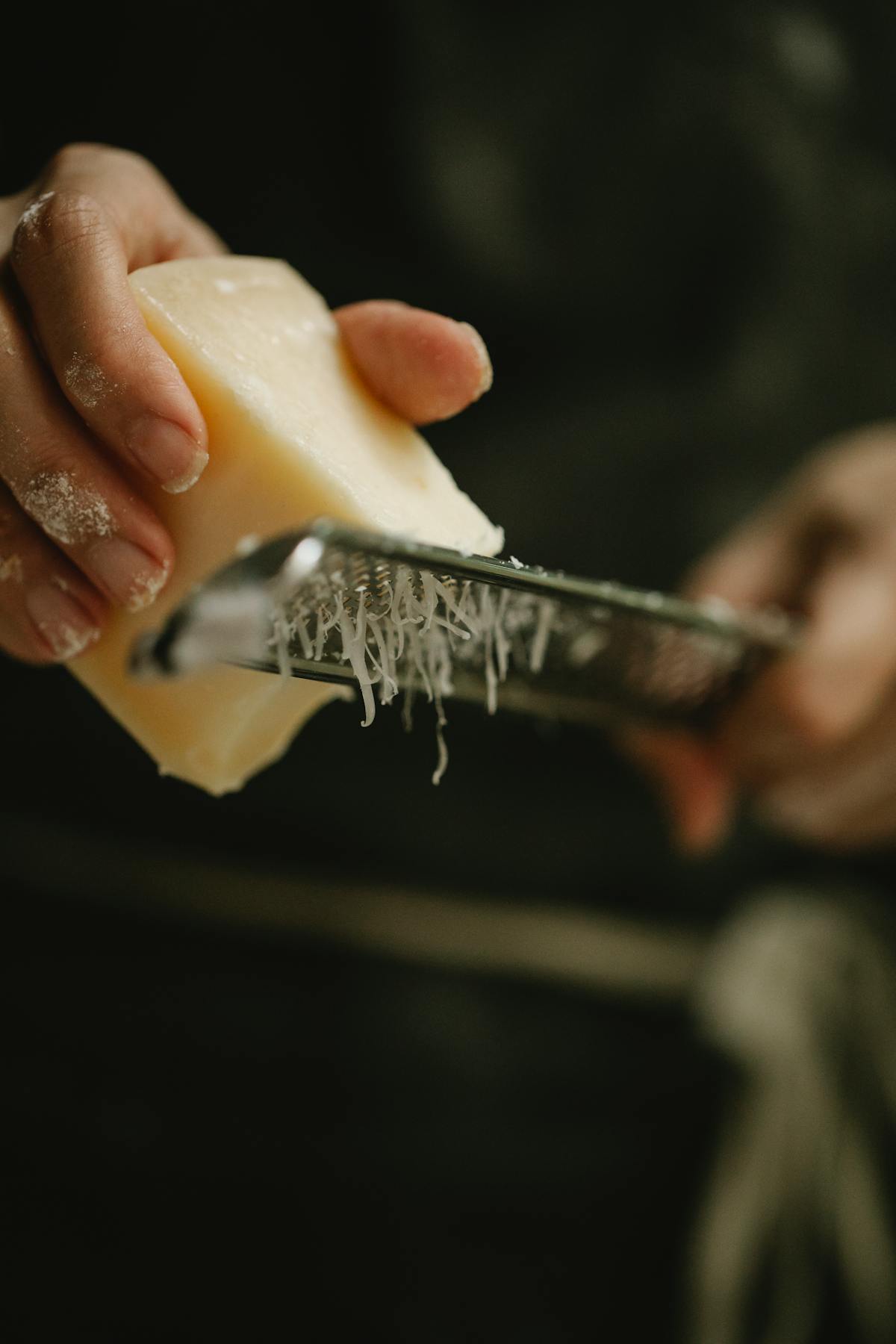
Interest in Mediterranean and Blue Zones eating has surged as conversations about longevity, healthy aging, and chronic disease prevention move from niche science circles into podcasts, documentaries, and TikTok feeds. Unlike celebrity crash diets, this pattern feels like something your grandparents might recognize: real food, shared at a real table.
- Longevity storytelling: Places like Sardinia, Ikaria, Nicoya, and Okinawa keep appearing in books and series about people who live exceptionally long, active lives. Food is always at the heart of those stories.
- Relief from restriction: After cycles of keto, carnivore, and juice cleanses, many of us crave a pattern that lets bread, pasta, and fruit back onto the plate—while still supporting heart and metabolic health.
- Super foods in real life: Olive oil, beans, nuts, onions, garlic, tomatoes, greens, and fish show up not as isolated “magic bullets,” but as familiar ingredients woven through daily meals.
Social media is full of “Mediterranean diet meal prep” videos, Blue Zones lunch bowls, and side‑by‑side swaps: chips versus roasted chickpeas, soda versus sparkling water with citrus, candy bars versus nuts and dried fruit. At its best, this trend nudges us toward simple, minimally processed foods that still feel indulgent.
Core Mediterranean & Blue Zones Eating Principles
Mediterranean and Blue Zones–style patterns differ by region, but they share a delicious core philosophy:
- Plant-forward, not plant-only: Vegetables, fruits, beans, lentils, whole grains, nuts, and seeds form the base of the plate, with modest amounts of fish, eggs, and dairy, and only occasional red meat or sweets.
- Healthy fats: Extra‑virgin olive oil, nuts, and seeds provide satisfying monounsaturated and polyunsaturated fats linked to better heart health and reduced inflammation.
- Fermented & traditional foods: Sourdough bread, olives, yogurt, aged cheeses, and fermented vegetables add complex flavor and can support gut health.
- Low ultra-processed intake: Packaged snacks and sugary drinks are occasional, not daily staples.
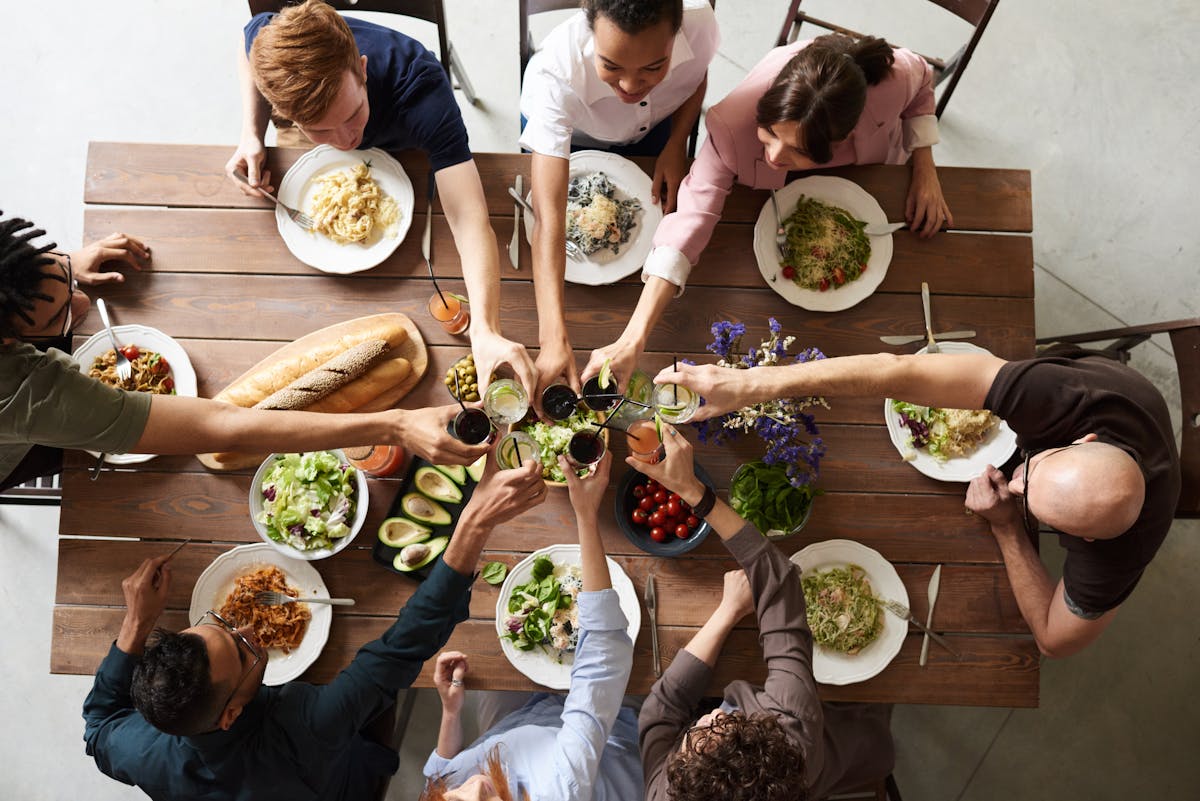
- Social & lifestyle context: Meals are often shared with family and friends, enjoyed slowly, and paired with regular movement, outdoor time, and restorative sleep.
Health Benefits: What the Research Suggests
Decades of research support a Mediterranean-style pattern for heart and metabolic health. While individual results vary and no diet can guarantee longevity, this way of eating is consistently associated with:
- Lower risk of cardiovascular disease and stroke
- Improved markers for type 2 diabetes and metabolic syndrome
- Support for healthy blood pressure and cholesterol levels
- Reduced risk of some cancers in observational studies
Major cardiology and diabetes guidelines often recommend a Mediterranean-style eating pattern because it’s both effective and enjoyable. That enjoyment matters: a diet only helps if you can love it enough to live with it.
One-Pot Mediterranean Chickpea & Greens Stew (Vegan, High-Fiber)
This cozy one-pot Mediterranean chickpea & greens stew captures the spirit of Blue Zones cooking: humble ingredients, slow-simmered into something deeply satisfying. Tender chickpeas, silky ribbons of greens, sweet onions, garlic, tomatoes, and a generous splash of extra-virgin olive oil create a broth that’s rich without being heavy, perfect ladled over toasted sourdough or spooned up just as it is.
Equipment You’ll Need
You don’t need a chef’s kitchen to cook like the Mediterranean—just a few basics:
- Large heavy-bottomed pot or Dutch oven (4–5 quart / 4–5 L)
- Cutting board and sharp chef’s knife
- Wooden spoon or heatproof spatula
- Can opener (for chickpeas and tomatoes)
- Measuring cups and spoons
- Ladle for serving

Ingredients for Mediterranean Chickpea & Greens Stew
These ingredients echo classic Blue Zones staples: legumes, greens, alliums, herbs, and a generous pour of extra‑virgin olive oil.
Pantry & Produce
- 2 tablespoons extra-virgin olive oil
- 1 medium yellow onion, finely chopped
- 3 cloves garlic, thinly sliced or minced
- 1 medium carrot, diced small
- 1 small red bell pepper, diced (optional but lovely for sweetness)
- 1 teaspoon smoked paprika (or sweet paprika)
- 1 teaspoon dried oregano
- 1/2 teaspoon dried thyme or rosemary, crumbled
- 1/4 teaspoon red pepper flakes (optional, for gentle heat)
- 2 cans (15 oz / 400 g each) chickpeas, drained and rinsed
- 1 can (14.5 oz / 400 g) crushed or diced tomatoes, unsalted if possible
- 3–4 cups (720–950 ml) low-sodium vegetable broth or water
- 4 packed cups (about 120 g) chopped leafy greens (kale, chard, or spinach)
- 1 small lemon (zest and juice)
- Salt and freshly ground black pepper, to taste
- 2 tablespoons chopped fresh parsley or basil, for serving
To Serve (Optional but Highly Recommended)
- 4 slices whole-grain or sourdough bread, toasted and rubbed with cut garlic
- Extra drizzle of extra-virgin olive oil
Step-by-Step Cooking Instructions
Follow these steps for a fragrant, gently simmered stew with chickpeas that are tender and a broth that tastes like it’s been cooking all afternoon.
- Build the aromatic base.
Warm the olive oil in your pot over medium heat. Add the chopped onion, carrot, and red bell pepper (if using). Cook, stirring occasionally, for 6–8 minutes, until the vegetables soften and the onion turns translucent and sweet-smelling. - Bloom the garlic and spices.
Add the garlic, smoked paprika, oregano, thyme (or rosemary), and red pepper flakes. Stir for 30–60 seconds, just until very fragrant. This step “blooms” the spices in the oil, deepening their flavor. - Add chickpeas and tomatoes.
Stir in the rinsed chickpeas and canned tomatoes. Let everything simmer together for 2–3 minutes so the chickpeas start to soak up the aromatic base. - Pour in broth and simmer.
Add 3 cups (720 ml) of vegetable broth or water, along with 1/2 teaspoon salt and several grinds of black pepper. Bring to a gentle boil, then reduce heat to a steady simmer. Cook uncovered for 15–20 minutes, stirring occasionally, until the flavors meld and the broth thickens slightly. If it looks too thick, add the remaining 1/2–1 cup broth as needed. - Stir in the greens.
Add the chopped leafy greens. Simmer for another 5–8 minutes, until they’re tender but still bright. Spinach will wilt quickly; kale and chard may need a couple of extra minutes. - Brighten with lemon.
Remove the pot from the heat. Stir in the lemon zest and juice, then taste and adjust with more salt, pepper, or lemon as desired. The stew should taste lively, not flat—lemon and salt are your best friends here. - Serve with olive oil and herbs.
Ladle the stew into warm bowls. Drizzle each serving with a little extra-virgin olive oil and sprinkle with fresh parsley or basil. Serve with toasted whole-grain or sourdough bread for dipping.

Ingredient Substitutions & Dietary Adaptations
Mediterranean and Blue Zones cooking is wonderfully flexible. Use what you have and what’s in season.
- Other legumes: Swap chickpeas for cannellini beans, lentils, or a mix of beans.
- Greens: Use spinach, kale, Swiss chard, collards, or even beet greens. Tougher greens just need a few extra minutes.
- Gluten-free: The stew is naturally gluten-free; simply pair with gluten-free bread, brown rice, or quinoa instead of wheat bread.
- Herbs & spices: No smoked paprika? Try regular paprika and a pinch of cumin. Fresh herbs can replace dried (use about 3x the amount).
- Not strictly vegan: Add a spoonful of plain Greek yogurt or a sprinkle of crumbled feta on top, if it fits your eating pattern.
- Lower-sodium version: Choose low-sodium canned beans and broth, and rely on lemon juice and herbs for extra flavor.
Storage, Meal Prep & Reheating Tips
This stew is a fantastic make-ahead recipe; in true Blue Zones fashion, it tastes even better the next day as the flavors mingle.
- Refrigerator: Cool completely, then store in an airtight container for up to 4 days.
- Freezer: Portion into freezer-safe containers and freeze for up to 2–3 months. Leave a little headspace for expansion.
- Reheating on the stove: Warm over medium-low heat, adding a splash of water or broth if it’s too thick. Stir occasionally until heated through.
- Microwave: Reheat in a microwave-safe bowl in 60–90 second intervals, stirring in between.
- Freshen the flavors: After reheating, brighten with a squeeze of lemon and a drizzle of olive oil to wake everything back up.
Serving Ideas & Mediterranean Meal Pairings
Turn this stew into a full Mediterranean-inspired meal with simple, colorful sides:
- Simple salad: Mixed greens or chopped cucumbers and tomatoes with olive oil, lemon, and a pinch of sea salt.
- Whole grains: Serve the stew over farro, barley, or brown rice for extra fiber and staying power.
- Olives & nuts: A small dish of olives, roasted almonds, or walnuts echoes classic Mediterranean “mezze.”
- Yogurt (if not vegan): Plain Greek yogurt with a drizzle of olive oil, garlic, and herbs makes a lovely, protein-rich side.
- Fruit for dessert: Finish like many Blue Zones residents do—with seasonal fresh fruit instead of heavy sweets.
Bringing Blue Zones Wisdom Into Everyday Cooking
The magic of the Mediterranean and Blue Zones diets doesn’t come from a single super food—it comes from a pattern, repeated over and over, with joy. Beans simmering on a Sunday afternoon. A pot of stew shared at a crowded kitchen table. A simple lunch of bread, olives, and ripe tomatoes eaten in the sun.
When you cook something like this chickpea & greens stew, you’re not just making dinner; you’re practicing a way of eating that has nourished communities for generations. Let olive oil shine, keep vegetables at the center, invite beans to the party often, and—most importantly—sit down and savor the meal, ideally with someone whose company you love.
“In the longest-lived kitchens, recipes are less about restriction and more about repetition—simple, satisfying meals cooked again and again, until they feel like home.”
Whether you’re new to cooking or already seasoned at the stove, this Mediterranean-inspired stew is a gentle, delicious step toward a way of eating that supports both pleasure and long-term health.
