
Gut Health 2.0: How Fermented Foods and Fiber Diversity Are Redefining the Microbiome Diet
Gut Health 2.0: Fermented Foods, Fiber Diversity, and the Modern Microbiome Diet
Updated for current gut health research and nutrition trends
Gut health has gone from a quiet niche to a full-blown food movement, and it’s only getting smarter. Instead of chasing one magic probiotic pill, more people are embracing a “microbiome diet” built around fiber diversity, everyday fermented foods, and colorful, minimally processed plants. Think big bowls of beans and grains, tangy kimchi on the side, creamy yogurt or kefir, and herbs and spices that make your microbes just as happy as your taste buds.

Why Gut Health Is Still Trending (and Getting More Sophisticated)
Gut health content now fills social feeds, cookbooks, and podcasts, but the message has shifted. Instead of “take this probiotic,” the focus is on patterns of eating that nourish your microbiome over time. This new wave of gut-health enthusiasm is driven by a mix of real-life digestive struggles and fast-moving microbiome science.
- Chronic digestive issues are common: Many people battle bloating, IBS-like symptoms, gas, and reflux. They turn to the internet for answers, where they encounter everything from elimination diets and low-FODMAP plans to soothing gut-friendly recipes.
- Microbiome science is mainstream: Popular books and documentaries highlight how gut microbes influence immunity, mood, metabolism, and even skin health. Food suddenly feels like a way to “feed your microbes,” not just your body.
- Fermented foods are having a renaissance: Kimchi, sauerkraut, tempeh, kefir, kombucha, miso, and live-culture yogurt now star in TikTok and YouTube “What I eat in a day for gut health” videos.
Gut health 2.0 isn’t about perfection. It’s about diversity, balance, and gentle, sustainable changes you can actually live with.
The Core of the Microbiome Diet: Diversity, Ferments, and Fewer Ultra-Processed Foods
At the heart of the modern gut-health trend is a simple idea: your gut thrives on variety and minimally processed foods. Here are the pillars that show up again and again in evidence-informed gut-health conversations.
1. Fiber Diversity: 20–30 Plant Foods a Week
Instead of just saying “eat more fiber,” creators and dietitians often encourage aiming for 20–30 different plant foods per week. Each plant brings its own mix of fibers and polyphenols, which can feed different microbial species.
This includes:
- Vegetables (leafy greens, roots, crucifers)
- Fruits (especially with skins and seeds when edible)
- Whole grains (oats, barley, quinoa, brown rice)
- Legumes (beans, lentils, chickpeas, peas)
- Nuts and seeds (almonds, walnuts, flax, chia, pumpkin seeds)
- Herbs and spices (parsley, cilantro, turmeric, cumin, oregano)
2. Everyday Fermented Foods
Fermented foods bring living microbes and flavorful, tangy complexity into your meals. Small daily servings can be a gentle, real-food way to enrich your gut environment.
Popular gut-healthy ferments include:
- Kimchi – spicy, garlicky, crunchy napa cabbage or radishes
- Sauerkraut – sour, salty, shredded cabbage with a pleasant bite
- Yogurt & kefir – creamy, tangy dairy or plant-based options
- Tempeh – nutty, firm fermented soy that crisps beautifully in a pan
- Miso – deeply savory pastes for soups, dressings, and marinades
- Kombucha – lightly fizzy, tart-sweet fermented tea
3. Cutting Back on Ultra-Processed Foods
Many modern diets lean heavily on ultra-processed foods rich in refined starches, sugars, emulsifiers, and flavor enhancers. Emerging research suggests that, in some people, these can disrupt the gut environment or contribute to low-grade inflammation.
Gut-friendly approaches often align with Mediterranean-style or traditional diets—built around vegetables, fruits, beans, whole grains, olive oil, nuts, seeds, fish, and fermented foods, with ultra-processed snacks and sweets as occasional extras rather than daily staples.
4. Personalization and Going Slow
Not every gut tolerates high-fiber or highly fermented foods right away. People with IBS, IBD, SIBO, or sensitive digestion often do better with a staged approach—increasing fiber and ferments slowly, sometimes after a structured low-FODMAP phase guided by a professional.
Beyond Digestion: Gut–Brain Axis, Immunity, and Skin
Microbiome content now reaches far beyond bloating talk. Creators and clinicians alike highlight the gut–brain axis—the communication network linking your digestive system, nervous system, and immune system.
- Mood and mental health: Gut microbes interact with brain-signaling pathways and may influence mood, stress responses, and even sleep.
- Immunity: A large share of the immune system lives in and around the gut. A diverse, well-fed microbiome may support more balanced immune responses.
- Skin health: Some people notice changes in acne, rosacea, or eczema when they shift to more plant-forward, fiber-rich, low ultra-processed eating patterns.
Many “30-day gut reset” challenges online now include not only food changes, but also gentle lifestyle shifts: walking, stress reduction, and sleep hygiene, acknowledging that the gut doesn’t exist in isolation.
A 7-Day Gut-Healthy Eating Challenge (Microbiome Diet Style)
Here’s a friendly, flexible mini-challenge inspired by current “gut reset” trends—without extremes or strict rules. Use it as a template for building your own microbiome-supportive routine.
- Start the day with high-fiber breakfasts: Rotate options like overnight oats with chia and berries, whole-grain toast with avocado and seeds, or a smoothie with spinach, flax, and frozen fruit.
- Build lunch bowls around legumes: Try lentil salads, chickpea grain bowls, or bean-and-brown-rice burrito bowls topped with herbs and salsa.
- Add a fermented side to dinner: A spoonful of kimchi or sauerkraut, a bowl of miso soup, or a dollop of yogurt sauce can transform a simple meal.
- Hit 20–30 plant foods by the end of the week: Keep a list on your fridge and tally each new fruit, vegetable, grain, nut, seed, herb, or spice.
- Prioritize hydration: Sip water, herbal teas, or diluted kombucha and keep alcohol and sugary drinks modest.
- Dial back ultra-processed snacks: Swap packaged sweets and chips for nuts, seeds, fruit, hummus, and plain yogurt.
Recipe: Gut-Healthy Kimchi & Tempeh Grain Bowl with 30-Plant-Week Power
This vibrant kimchi and tempeh grain bowl is a perfect example of the microbiome diet in action: fiber diversity from whole grains, legumes, vegetables, nuts, and seeds; fermented kimchi and yogurt for live cultures; and bold, satisfying flavors that make gut-friendly eating feel like a treat, not a chore.
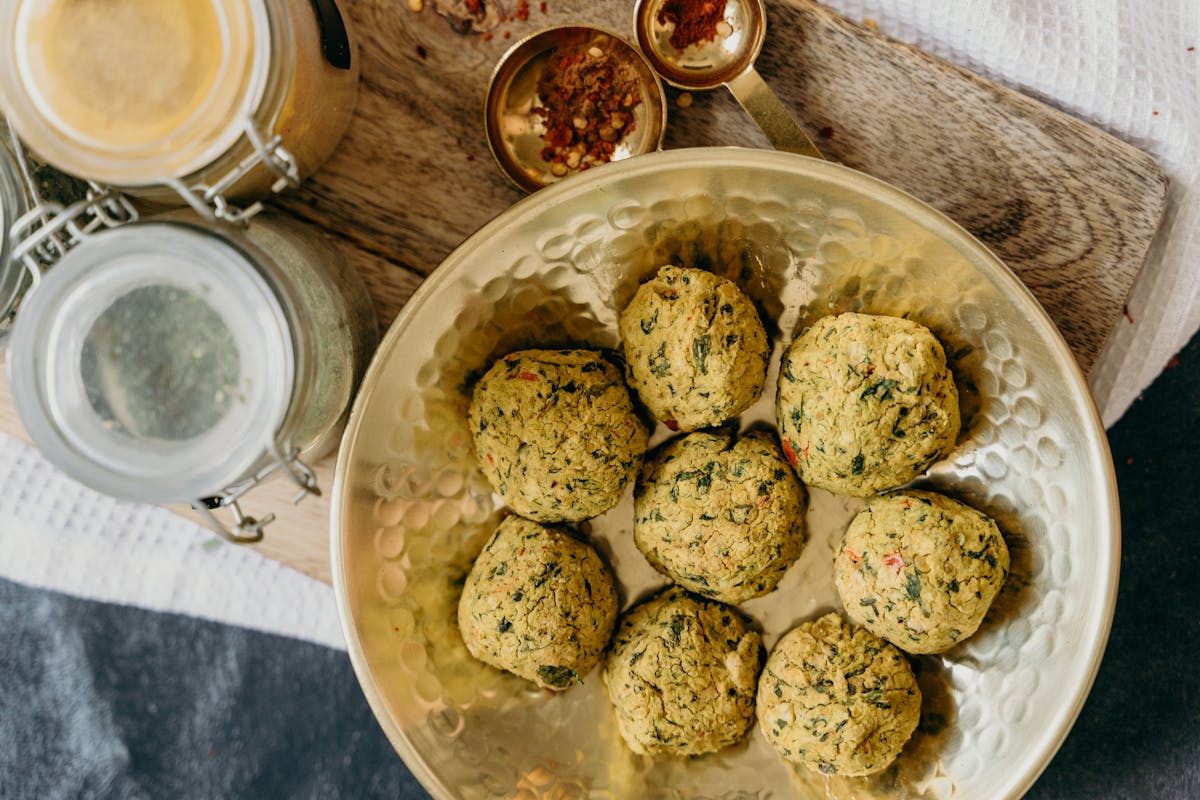
Quick Recipe Overview
Prep time: 20 minutes
Cook time: 25 minutes
Total time: 45 minutes
Servings: 4 bowls
Difficulty: Easy–Moderate
Dietary: High-fiber, fermented, vegetarian (easily vegan & gluten-free)
Ingredients for Kimchi & Tempeh Gut-Healthy Grain Bowl
For the Grain & Legume Base
- 1 cup (200 g) dry short-grain brown rice or quinoa, rinsed
- 2 cups (480 ml) water or low-sodium vegetable broth
- 1 cup (170 g) cooked lentils (brown or green), drained and rinsed if canned
- 1 tablespoon extra-virgin olive oil
- 1/2 teaspoon fine sea salt, or to taste
For the Savory Tempeh
- 8 oz (225 g) tempeh, cut into 1 cm cubes or thin strips
- 2 tablespoons tamari or low-sodium soy sauce (use tamari for gluten-free)
- 1 tablespoon rice vinegar or apple cider vinegar
- 1 tablespoon toasted sesame oil
- 1 teaspoon maple syrup or honey
- 1 clove garlic, finely grated
- 1/2 teaspoon freshly grated ginger
- 1 tablespoon neutral oil (avocado, grapeseed, or light olive) for searing
For the Colorful Veg & Fermented Toppings
- 1 cup (about 120 g) kimchi, chopped if pieces are large
- 1 cup (90 g) shredded red cabbage
- 1 cup (80 g) carrot, julienned or grated
- 1 small cucumber, thinly sliced
- 1 ripe avocado, sliced or diced
- 2 green onions, thinly sliced
- 1/4 cup (10 g) chopped fresh cilantro or parsley
- 2 tablespoons toasted sesame seeds (white, black, or mixed)
- 1/4 cup (30 g) chopped almonds or cashews
For the Gut-Healthy Yogurt–Miso Dressing
- 1/2 cup (120 g) plain yogurt (dairy or unsweetened plant-based)
- 1 tablespoon white or yellow miso paste
- 1 tablespoon lemon juice or rice vinegar
- 1 tablespoon extra-virgin olive oil
- 1 teaspoon maple syrup or honey (optional)
- 1–2 tablespoons water to thin, as needed
- Freshly ground black pepper, to taste
Optional Extras for More Fiber Diversity
- 1 tablespoon ground flaxseed
- 1 tablespoon chia seeds
- 1/4 cup (40 g) edamame or other cooked beans per bowl
- A handful of leafy greens (spinach, arugula, or mixed salad greens) per bowl
Equipment You’ll Need
- Medium saucepan with lid (for grains)
- Non-stick or cast-iron skillet (for tempeh)
- Mixing bowl (for marinade and dressing)
- Sharp knife and cutting board
- Measuring cups and spoons
- Whisk or fork for dressing
- 4 serving bowls

Step-by-Step Instructions
- Cook the whole grains.
Rinse the brown rice (or quinoa) under cold water. In a medium saucepan, combine grains with water or broth and salt. Bring to a boil, then reduce heat to low, cover, and simmer until tender (about 25 minutes for brown rice; 15 minutes for quinoa). Remove from heat and let stand, covered, for 5–10 minutes, then fluff with a fork. - Marinate the tempeh.
While the grains cook, whisk tamari, rice vinegar, sesame oil, maple syrup, garlic, and ginger in a small bowl. Add the tempeh pieces and toss gently to coat. Let marinate for at least 10–15 minutes, stirring once or twice. - Prepare the vegetables and toppings.
Shred the red cabbage, julienne or grate the carrot, slice the cucumber and avocado, chop the herbs and nuts, and slice the green onions. Keep the kimchi handy, draining excess liquid if very wet. - Make the yogurt–miso dressing.
In a small bowl, whisk together yogurt, miso, lemon juice, olive oil, and maple syrup (if using) until smooth. Add water 1 tablespoon at a time until the dressing is pourable but still creamy. Season with black pepper to taste. Adjust acidity with more lemon or miso, if you like. - Sear the tempeh.
Heat the neutral oil in a non-stick or cast-iron skillet over medium heat. Add the marinated tempeh in a single layer (reserve extra marinade). Cook 3–4 minutes per side, until deeply golden and crisp at the edges. If desired, pour the remaining marinade into the pan in the last minute and let it bubble and coat the tempeh. - Warm the lentils.
If your lentils are cold, warm them gently in a small saucepan with a splash of water or broth, or in the microwave, until just heated through. Season lightly with salt and a drizzle of olive oil. - Assemble the bowls.
Divide the warm grains among 4 bowls. Top each with a scoop of lentils, a handful of cabbage, carrot, and cucumber, a portion of tempeh, a few slices of avocado, and a generous spoonful of kimchi. Sprinkle with green onions, herbs, nuts, sesame seeds, and any optional seeds or beans. - Finish with dressing and serve.
Drizzle each bowl with the yogurt–miso dressing and serve immediately. Taste and adjust at the table with extra kimchi, herbs, or a squeeze of lemon.

Tips, Variations, and Dietary Adaptations
Dietary Swaps
- Vegan: Use plant-based yogurt and maple syrup instead of honey.
- Gluten-free: Choose quinoa or brown rice, tamari instead of soy sauce, and ensure your tempeh and miso are certified gluten-free.
- Soy-free: Swap tempeh for crispy chickpeas or roasted tofu made from chickpea flour; use chickpea miso instead of soy miso.
- Lower spice: Use mild kimchi or swap for plain sauerkraut if you’re heat-sensitive.
Flavor Variations
- Mediterranean twist: Swap kimchi for fermented pickles, use olive-based dressing with oregano, and add roasted eggplant and cherry tomatoes.
- Mexican-inspired: Use black beans, corn, salsa, and cabbage slaw; add a spoonful of fermented jalapeños or curtido.
- Breakfast bowl: Serve the warm grains with a soft-boiled egg, yogurt, sauerkraut, avocado, and seeds for a savory gut-friendly breakfast.
Storage and Reheating
This bowl is excellent for meal prep and keeps well with a few simple tweaks.
- Grains & lentils: Store in an airtight container in the refrigerator for up to 4 days. Reheat gently in the microwave or on the stovetop with a splash of water.
- Tempeh: Keep cooked tempeh in a sealed container in the refrigerator for up to 3 days. Reheat in a skillet over medium heat until warmed and re-crisped, or in the microwave.
- Veggies & herbs: Store prepped vegetables separately in airtight containers for 2–3 days to maintain crunch. Slice avocado fresh just before serving.
- Kimchi & ferments: Store in their own jars; they keep for weeks or longer when refrigerated. Avoid heating them if you want to preserve live cultures.
- Dressing: Refrigerate in a small jar for up to 3 days. Thin with a splash of water or lemon juice if it thickens.
For best texture, reheat only the grains, lentils, and tempeh, then top with fresh veggies, kimchi, and dressing right before eating.
Serving Suggestions and Complementary Gut-Healthy Dishes
Turn this grain bowl into the centerpiece of a microbiome-friendly menu by pairing it with other simple, fermented and fiber-rich recipes.
- Starter: A small cup of miso soup with seaweed and tofu, or a simple salad of mixed greens, radishes, and a lemon–olive oil dressing.
- Side: Extra fermented vegetables—sauerkraut, pickled carrots, or fermented radishes—to offer different flavor and microbial profiles.
- Drink: A small glass of kombucha, kefir water, or herbal tea like peppermint or ginger to support gentle digestion.
- Dessert: Plain yogurt or coconut yogurt topped with berries, a sprinkle of ground flaxseed, and a few chopped nuts.
Staying Balanced: Evidence-Based Gut Health Without the Hype
As inspiring as gut-health content can be, it sometimes veers into oversimplification or extreme restriction. Self-diagnosed intolerances and long lists of “off-limits” foods can make eating stressful—which isn’t great for digestion either.
Evidence-based voices—especially registered dietitians and gastroenterology teams—tend to emphasize:
- Patterns over quick fixes: What you eat most days matters more than a single cleanse or 3-day reset.
- Variety over perfection: Aim to add new plant foods instead of obsessing over eliminating entire food groups without a clear medical reason.
- Personalization: The best microbiome-supportive diet is one that respects your unique body, culture, budget, and preferences.
- Professional guidance when needed: If symptoms are severe or persistent, working with a healthcare provider is important.
You don’t have to overhaul your life to support your gut. Start with one or two changes—maybe adding a fermented side at dinner, trying this kimchi and tempeh bowl once a week, or keeping a fun tally of your weekly plant count—and let your new habits grow from there.
Recipe Structured Data (SEO)
The following JSON-LD snippet describes this kimchi & tempeh grain bowl using schema.org/Recipe structured data to help search engines understand and feature the recipe.
