
Red Light, Blue Light: How ‘Eat the Rainbow’ Turned Superfoods into a Viral Kitchen Game
Red Light, Blue Light, and “Eat the Rainbow”: Color‑Based Super‑Food Diets Explained
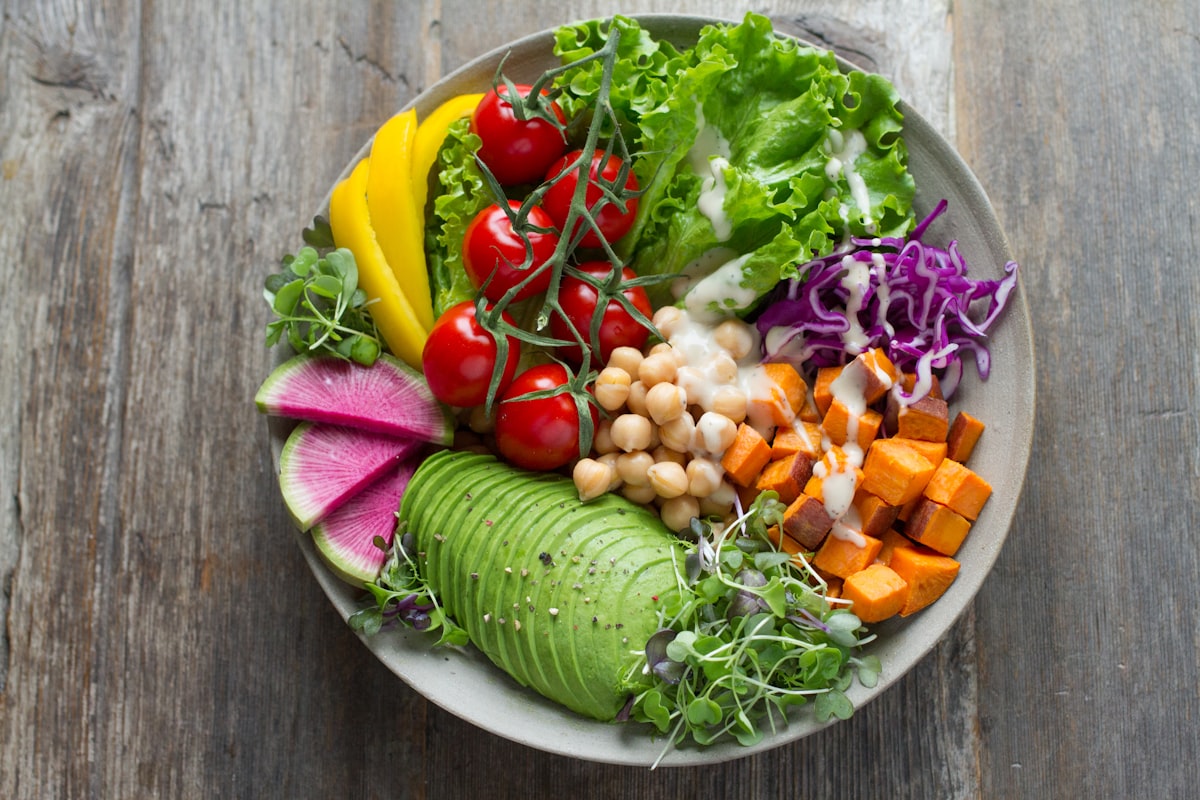
Color-based eating—especially “eat the rainbow” and bold red or blue food challenges—is having a huge moment online. Under playful hashtags like #EatTheRainbow, #RedFoodChallenge, and #BlueFoodChallenge, home cooks and creators build entire meals around one or many colors, using vibrant produce to make antioxidant‑rich, plant‑forward dishes that are as good for your camera roll as they are for your body.
At its heart, this trend is about turning nutrition science into something joyful and tangible: instead of memorizing vitamin charts, you simply ask, “How many colors can I fit on this plate?” The result is often a beautiful, phytonutrient‑dense spread of fruits, vegetables, whole grains, and herbs—exactly the kind of food that supports long‑term health, gut diversity, and steady energy.

Why Color‑Based Diets Are Trending Again
Color-based nutrition is not new—dietitians have been saying “eat more colors” for years—but social media has given the idea a fresh, gamified twist. Now, creators host 7‑day color challenges, build monochrome lunchboxes, and stack rainbow grain bowls that explode with visual contrast.
Color turns healthy eating from a lecture into a game you actually want to play.
This approach resonates because it taps into three big drivers of modern food culture:
- Visual appeal: Bright berries, leafy greens, golden mango, and ruby pomegranate seeds look stunning in short‑form video. A rainbow bowl almost edits itself.
- Simplicity: “Eat more colors” is a lot easier to remember than “consume 25–30 different plant foods a week.”
- Wellness alignment: Curiosity about longevity, brain health, and anti‑inflammatory lifestyles dovetails perfectly with plant‑diverse, minimally processed meals.
The Nutritional Logic Behind Each Color
The magic of “eating the rainbow” lies in phytonutrients—plant compounds that give foods their color and may help protect our cells. Different colors tend to signal different dominant compounds and benefits.
Red Foods: Heart‑Loving Powerhouses
Think tomatoes, watermelon, strawberries, cherries, red peppers, and beets. These crimson stars are often rich in lycopene and anthocyanins, both linked to heart health and possibly a reduced risk of certain cancers.
On the plate, red foods bring a sweet‑tart brightness and juicy crunch—perfect in salads, grain bowls, or blended into a deep ruby smoothie.
Orange & Yellow Foods: Glow‑From‑Within Carotenoids
Carrots, sweet potatoes, pumpkin, mangoes, and golden squash are loaded with beta‑carotene and other carotenoids, which the body can convert to vitamin A—key for eye health, immune function, and healthy skin.
Their naturally sweet, creamy textures caramelize beautifully in the oven, filling your kitchen with a warm, toasty aroma.
Green Foods: Everyday Detox & Mineral Support
Spinach, kale, broccoli, Brussels sprouts, green beans, and fresh herbs bring folate, vitamin K, magnesium, and a mix of antioxidants. They help support everything from blood clotting to bone health.
Texturally, greens can run the gamut: from tender baby spinach that wilts gently into warm grains, to crunchy, roasted Brussels sprouts with frizzled leaves and a nutty aroma.
Blue & Purple Foods: Brain & Vascular Allies
Blueberries, blackberries, purple cabbage, plums, and eggplant are packed with deep‑colored anthocyanins associated with brain health and vascular function.
Their inky jewel tones look dramatic in smoothie bowls, slaws, and grain salads, and they bring a mix of sweet, tangy, and pleasantly bitter notes.
White & Brown Foods: The Understated Superfoods
Garlic, onions, mushrooms, oats, cauliflower, and whole grains may not be flashy, but they’re powerful. They supply allicin (in garlic and onions) and prebiotic fibers that feed your gut microbiome.
Their mild, earthy flavors form the savory backbone of many dishes, carrying the aroma of slow‑sautéed onions or roasted cauliflower through the whole house.

How Creators Turn Color into a Wellness Game
Online, color is being used as a fun framework to nudge people toward more nutrient‑dense, plant‑forward meals. Some of the most popular formats include:
- Rainbow bowls: A base of whole grains or greens, topped with bands of beans, roasted vegetables, fresh fruit, herbs, nuts, and seeds.
- 7‑day color challenges: Each day highlights one dominant color (say, “red day”) while still encouraging overall balance and sufficient protein.
- Superfood spotlights: Creators build recipes around hero ingredients like blueberries, pomegranate, turmeric, matcha, or dark leafy greens.
The result is content that’s educational but not preachy: viewers learn that deep reds often mean lycopene, or that purple cabbage is rich in anthocyanins, without ever cracking a textbook.
Diet Quality Benefits of Eating the Rainbow
When people focus on color, a lot of positive shifts happen almost automatically. Plate by plate, you often see:
- Higher fruit and vegetable intake as meals become more plant‑centered.
- More fiber, which supports gut microbiome diversity, steadier blood sugar, and better satiety.
- Increased polyphenols and antioxidants, compounds linked with lower chronic disease risk.
- More variety overall—and variety is one of the best simple predictors of diet quality.
From a sensory perspective, it’s also more interesting. A colorful plate tends to have contrast in texture (crunchy, juicy, creamy) and flavor (sweet, bitter, tangy, umami), which keeps healthy meals from feeling monotonous.
Cautions, Nuances, and Common Missteps
While color‑based eating is a helpful tool, it’s not a complete nutrition plan on its own. A few gentle caveats:
- Not all colorful foods are nutritious. Neon candies, sodas, and artificially dyed snacks can technically “count” as colors on camera, but they don’t bring the same benefits as whole or minimally processed foods.
- Color doesn’t cover everything. You still need adequate protein, healthy fats, and whole‑grain carbohydrates—nutrients that aren’t always obvious from color alone.
- Avoid rigidity. “Eat the rainbow” is meant as a flexible guideline, not a strict rule. You don’t have to hit every color at every meal or every single day.
Recipe: Build‑Your‑Own Eat‑the‑Rainbow Superfood Bowl
To bring all of this to life, here’s a flexible, plant‑forward Eat‑the‑Rainbow Superfood Bowl. It’s naturally gluten‑free (if you choose gluten‑free grains), easily made vegan, and completely customizable based on what’s in season or in your fridge.
Quick Facts
Prep time: 20 minutes
Cook time: 20 minutes
Total time: ~40 minutes
Servings: 2 hearty bowls
Difficulty: Easy
Equipment Needed
- Medium saucepan for cooking grains
- Cutting board and sharp knife
- Large mixing bowl
- Baking sheet (if roasting vegetables)
- Small jar or bowl for dressing
Ingredients (for 2 Bowls)
Base
- 1 cup (180 g) cooked whole grains (quinoa, brown rice, or farro)
- 2 cups (about 60 g) mixed salad greens or baby spinach
Protein
- 1 cup (160 g) cooked chickpeas or black beans, drained and rinsed
- Optional: 2 boiled eggs, sliced, or 200 g baked tofu for extra protein (choose one, or skip for fully vegan)
Colorful Toppings
- Red: 1 small beet, roasted and sliced, or 1/2 cup cherry tomatoes, halved
- Orange: 1 small carrot, shredded, or 1/2 cup roasted sweet potato cubes
- Yellow: 1/2 yellow bell pepper, thinly sliced, or 1/4 cup sweet corn kernels
- Green: 1/2 avocado, sliced; plus 1/2 cup steamed or raw broccoli florets
- Blue/Purple: 1/2 cup shredded purple cabbage or a handful of blueberries
- White/Brown: 1/2 cup sautéed mushrooms or roasted cauliflower florets
Crunch & Extras
- 2 tablespoons mixed nuts or seeds (pumpkin seeds, sunflower seeds, almonds)
- Fresh herbs like parsley, cilantro, or basil, roughly chopped
Lemon‑Tahini Dressing
- 3 tablespoons tahini
- 2 tablespoons fresh lemon juice
- 1 tablespoon extra‑virgin olive oil
- 1–2 tablespoons water, to thin as needed
- 1 small garlic clove, finely minced or grated
- 1/2 teaspoon ground turmeric (for a golden hue and extra polyphenols)
- Sea salt and freshly ground black pepper, to taste
Step‑by‑Step Instructions
- Cook your grains.
If not already cooked, prepare 1/2 cup (dry) quinoa, brown rice, or farro according to package directions. Fluff with a fork and let cool slightly so it’s warm but not steaming.
- Prep colorful vegetables.
Wash and dry all produce. Slice cherry tomatoes, shred carrots, slice bell peppers, cut broccoli into small florets, shred purple cabbage, and slice avocado just before serving to keep it vibrant.
- Optional: Roast or sauté some toppings.
For deeper flavor, toss beets, sweet potato cubes, mushrooms, or cauliflower with a little olive oil, salt, and pepper. Roast on a baking sheet at 200 °C / 400 °F for 18–20 minutes, until tender and caramelized at the edges.
- Prepare the protein.
Rinse chickpeas or beans and pat dry. If you like, toss them with a pinch of salt, paprika, and olive oil, then pan‑toast for 5–7 minutes for extra texture. Slice boiled eggs or baked tofu if using.
- Mix the dressing.
In a small bowl or jar, whisk together tahini, lemon juice, olive oil, garlic, turmeric, and a pinch of salt and pepper. Add water 1 tablespoon at a time until you reach a pourable, creamy consistency. Taste and adjust seasoning.
- Build the base.
Divide salad greens between two bowls. Spoon warm grains on top, slightly off‑center so you leave room to fan out the colorful toppings.
- Arrange the rainbow.
Place your toppings in small, separate sections or stripes: reds, then oranges, yellows, greens, purples, and finally your neutral mushrooms or cauliflower. Scatter chickpeas (and eggs or tofu if using) into open spaces.
- Finish and serve.
Drizzle bowls generously with the lemon‑tahini dressing. Sprinkle with nuts or seeds and fresh herbs. Serve immediately while the roasted elements are still warm and the raw veg is crisp.
Storage & Meal Prep Tips
These rainbow bowls are perfect for meal prep, as long as you keep a few texture‑saving rules in mind.
- Store components separately. Keep grains, proteins, chopped veggies, and dressing in separate airtight containers in the fridge.
- Add delicate items last minute. Slice avocado and dress greens just before serving to keep them from browning or wilting.
- Fridge life: Most components (except avocado) keep well for 3–4 days when refrigerated promptly.
Reheating Guidelines
For the best texture and aroma:
- Grains & roasted veg: Reheat gently in a skillet over medium heat with a splash of water or broth, or in the microwave for 1–2 minutes until warm.
- Beans or tofu: Enjoy chilled, or warm briefly in a pan for a toasty edge.
- Dressing: If it thickens in the fridge, loosen with a spoonful of water or lemon juice and whisk before drizzling.
Serving Ideas & Complementary Dishes
Rainbow bowls play well with many other dishes, whether you’re cooking for one or hosting friends.
- Pair with a simple brothy soup (like miso vegetable or tomato‑lentil) on chilly days.
- Serve alongside grilled fish or chicken for guests who want extra protein.
- Add a small fruit salad—kiwi, berries, citrus—for a dessert that continues the rainbow theme.
- For brunch, turn the bowl into a rainbow breakfast with a soft‑boiled egg, roasted sweet potato, and a dollop of yogurt on top.

Everyday Tips for Eating the Rainbow Without Overthinking It
You don’t need to film a challenge to benefit from color‑based eating. A few simple habits make it second nature:
- Shop by color. At the market, challenge yourself to pick up at least one fruit or vegetable in 3–4 different colors each week.
- Color‑check your plate. Before you sit down, glance at your meal. Is it mostly beige? Add something red, green, or purple if you can.
- Batch‑prep building blocks. Roast a tray of mixed veg, cook a pot of grains, and wash some salad greens. Mix and match through the week.
- Keep it playful. Let kids (or adults!) “draft” colors for dinner and choose ingredients that fit. The more fun it is, the more likely it sticks.
Over time, these small, colorful choices add up to a diet that is richer in plants, fiber, and protective phytonutrients—without feeling restrictive or complicated.
Recipe Structured Data (SEO)
The following JSON‑LD snippet summarizes the “Eat‑the‑Rainbow Superfood Bowl” recipe for search engines and recipe apps:
{
  "@context": "https://schema.org/",
  "@type": "Recipe",
  "name": "Eat-the-Rainbow Superfood Bowl",
  "description": "A vibrant, plant-forward grain bowl built around color-based eating. Packed with antioxidant-rich vegetables, beans, and a creamy lemon-tahini dressing, this customizable recipe makes it easy to eat the rainbow at home.",
  "image": [
    "https://images.unsplash.com/photo-1517241938558-898c3afe02c5?auto=format&fit=crop&w=1200&q=80"
  ],
  "keywords": "eat the rainbow, rainbow bowl, superfood bowl, color-based diet, plant-forward, gluten-free, vegetarian, vegan option",
  "recipeCuisine": "Fusion",
  "recipeCategory": "Main course",
  "recipeYield": "2 bowls",
  "prepTime": "PT20M",
  "cookTime": "PT20M",
  "totalTime": "PT40M",
  "recipeIngredient": [
    "1 cup cooked whole grains (quinoa, brown rice, or farro)",
    "2 cups mixed salad greens or baby spinach",
    "1 cup cooked chickpeas or black beans, drained and rinsed",
    "2 boiled eggs, sliced (optional) or 200 g baked tofu (optional)",
    "1 small beet, roasted and sliced, or 1/2 cup cherry tomatoes, halved",
    "1 small carrot, shredded, or 1/2 cup roasted sweet potato cubes",
    "1/2 yellow bell pepper, thinly sliced, or 1/4 cup sweet corn kernels",
    "1/2 avocado, sliced",
    "1/2 cup steamed or raw broccoli florets",
    "1/2 cup shredded purple cabbage or blueberries",
    "1/2 cup sautéed mushrooms or roasted cauliflower florets",
    "2 tablespoons mixed nuts or seeds",
    "Fresh herbs such as parsley, cilantro, or basil",
    "3 tablespoons tahini",
    "2 tablespoons fresh lemon juice",
    "1 tablespoon extra-virgin olive oil",
    "1–2 tablespoons water, to thin",
    "1 small garlic clove, minced",
    "1/2 teaspoon ground turmeric",
    "Sea salt and black pepper, to taste"
  ],
  "recipeInstructions": [
    {
      "@type": "HowToStep",
      "name": "Cook the grains",
      "text": "Cook quinoa, brown rice, or farro according to package directions. Fluff and let cool slightly."
    },
    {
      "@type": "HowToStep",
      "name": "Prep the vegetables",
      "text": "Wash and slice or shred all colorful vegetables; cut broccoli into florets and slice avocado just before serving."
    },
    {
      "@type": "HowToStep",
      "name": "Roast or sauté toppings (optional)",
      "text": "Toss beets, sweet potato, mushrooms, or cauliflower with olive oil, salt, and pepper. Roast at 200 °C / 400 °F for 18–20 minutes."
    },
    {
      "@type": "HowToStep",
      "name": "Prepare the protein",
      "text": "Rinse chickpeas or beans and pat dry. Season and pan-toast if desired. Slice eggs or tofu if using."
    },
    {
      "@type": "HowToStep",
      "name": "Make the dressing",
      "text": "Whisk tahini, lemon juice, olive oil, garlic, turmeric, salt, and pepper. Add water until creamy and pourable."
    },
    {
      "@type": "HowToStep",
      "name": "Assemble the base",
      "text": "Divide salad greens and warm grains between two bowls."
    },
    {
      "@type": "HowToStep",
      "name": "Arrange the rainbow",
      "text": "Top bowls with vegetables and proteins arranged by color: red, orange, yellow, green, purple, and neutral."
    },
    {
      "@type": "HowToStep",
      "name": "Finish and serve",
      "text": "Drizzle with dressing, sprinkle with nuts or seeds and fresh herbs, and serve immediately."
    }
  ],
  "nutrition": {
    "@type": "NutritionInformation",
    "servingSize": "1 bowl",
    "calories": "550",
    "proteinContent": "18 g",
    "fiberContent": "13 g"
  }
}
