
Ozempic-Friendly Cooking: High-Protein Comfort Recipes for the GLP‑1 Era
Creamy Lemon Herb Chicken & Quinoa Bowl (Ozempic‑Friendly, High‑Protein)
Ozempic, Wegovy, Mounjaro, and Zepbound have quietly changed not just how much people eat, but how they think about food. With smaller appetites and sometimes touchy stomachs, every bite suddenly needs to earn its place on the plate—especially for anyone worried about muscle loss while using GLP‑1 medications. This cozy, high‑protein lemon herb chicken and quinoa bowl is designed with that new reality in mind: gentle on digestion, rich in protein, bright in flavor, and packed with nutrient‑dense ingredients in a modest, satisfying portion.
Think of this as a blueprint for an “Ozempic‑friendly” dinner: lean protein, whole grains, colorful vegetables, and a light, creamy sauce that won’t sit like a rock in your stomach. Whether you’re on a GLP‑1 medication or just looking for a high‑protein, lighter comfort meal, this bowl is designed to keep you nourished, not overwhelmed.
Why “Ozempic‑Friendly” Recipes Matter
GLP‑1 medications like Ozempic and Wegovy can dramatically reduce appetite. That can be helpful for weight loss, but it also raises a silent risk: loss of lean muscle if protein and total calories drop too low. Many people also experience nausea, reflux, or a “full” feeling quickly, which makes big, heavy meals unappealing.
Dietitians increasingly recommend:
- Prioritizing high‑quality protein at every meal (often 20–30 g per serving).
- Choosing smaller portions that are nutrient‑dense rather than “diet” foods with lots of volume but little nutrition.
- Leaning on gentle cooking methods—poaching, baking, light sautéing—to reduce grease and heaviness.
- Adding resistance training to help preserve muscle while body weight changes.
This creamy lemon herb chicken and quinoa bowl follows those principles: it packs in lean protein, whole grains, vegetables, and healthy fats in a portion size that respects a smaller appetite and can be split into two mini‑meals if needed.
Always follow your prescriber’s guidance and, if possible, work with a registered dietitian when using GLP‑1 medications. This recipe is meant as general inspiration, not medical advice.
Recipe Snapshot: High‑Protein Lemon Herb Chicken & Quinoa Bowl
Prep time: 15 minutes
Cook time: 20 minutes
Total time: 35 minutes
Servings: 2 bowls (or 3 smaller, GLP‑1‑size portions)
Difficulty: Easy
Dietary: High‑protein, gluten‑free (if using certified GF quinoa & broth)

Ingredients for Lemon Herb Chicken & Quinoa Bowl
For the Chicken & Marinade
- 2 small boneless, skinless chicken breasts (about 8 oz / 225 g total)
- 1 tbsp extra‑virgin olive oil
- 2 tbsp fresh lemon juice (about 1 small lemon)
- 1 tsp lemon zest (optional but brightens flavor)
- 1 tsp garlic powder (milder than raw garlic for sensitive stomachs)
- 1 tsp dried oregano
- 1/2 tsp dried thyme or Italian seasoning
- 1/2 tsp fine sea salt (or to taste)
- 1/4 tsp black pepper (omit or reduce if reflux is an issue)
For the Quinoa Base
- 2/3 cup (about 120 g) dry quinoa, rinsed well
- 1 1/3 cups (320 ml) low‑sodium chicken or vegetable broth (or water)
- 1 tsp olive oil or a small pat of butter
- Pinch of salt, to taste
For the Vegetables
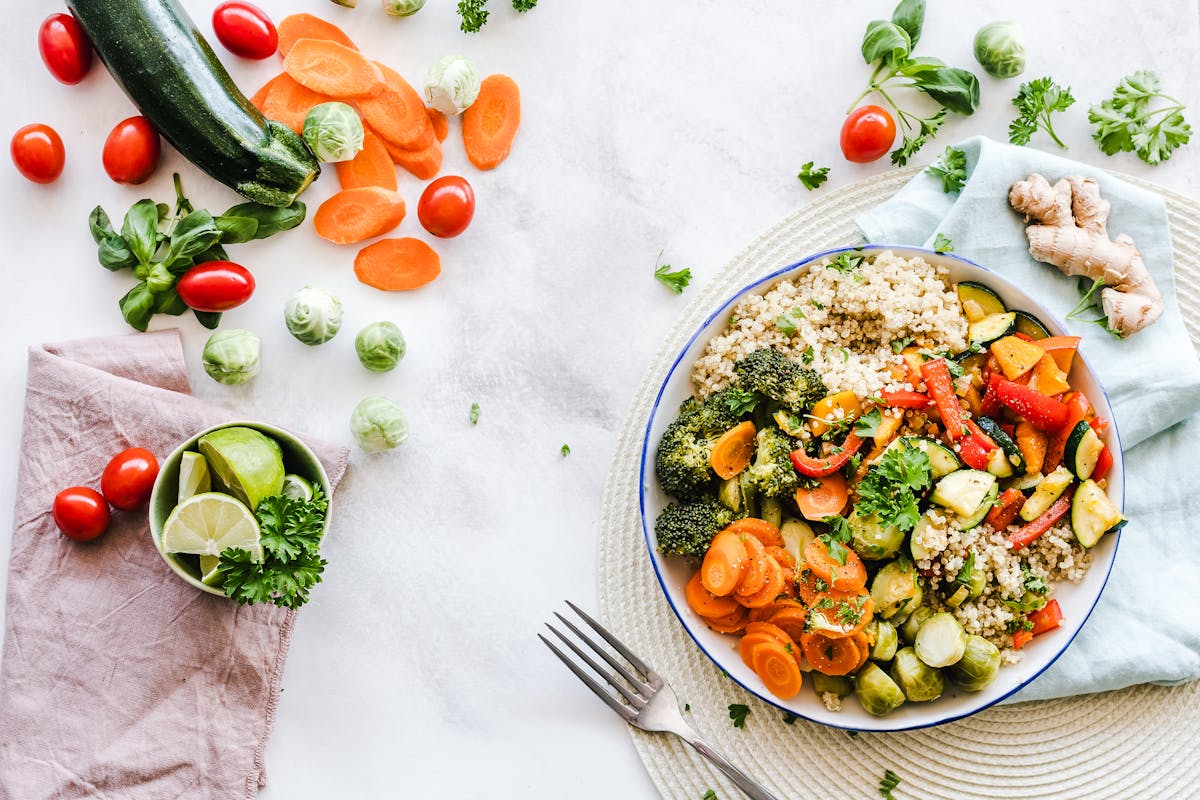
- 1 cup (about 120 g) broccoli florets, small bite‑size pieces
- 1/2 cup (about 60 g) carrot slices, thinly sliced
- 1/2 cup (about 60 g) baby spinach or chopped kale
For the Light Creamy Lemon Sauce
- 1/2 cup (120 g) plain Greek yogurt (2% or 0%—or lactose‑free as needed)
- 1–2 tbsp fresh lemon juice, to taste
- 1–2 tbsp warm water or broth, to thin
- 1 tsp extra‑virgin olive oil
- 1 tbsp fresh parsley, finely chopped (or 1 tsp dried)
- 1/4 tsp garlic powder
- 1/4 tsp salt, or to taste
Equipment You’ll Need
- Medium saucepan with lid (for quinoa)
- Large nonstick skillet or grill pan
- Small mixing bowl (for sauce)
- Cutting board and sharp knife
- Measuring cups and spoons
- Zester or fine grater (if using lemon zest)

Step‑by‑Step Instructions
1. Marinate the Chicken
In a small bowl, whisk together olive oil, lemon juice, lemon zest, garlic powder, oregano, thyme, salt, and pepper.
Place the chicken breasts in a shallow dish or resealable bag. Pour the marinade over, turning to coat evenly.
Let marinate for at least 10–15 minutes at room temperature while you start the quinoa. For more flavor, refrigerate up to 4 hours.

2. Cook the Quinoa
Rinse the quinoa under cold water in a fine‑mesh strainer to remove bitterness.
In a medium saucepan, heat 1 tsp olive oil over medium heat. Add rinsed quinoa and toast, stirring, for 1–2 minutes until slightly nutty.
Add the broth or water and a small pinch of salt. Bring to a gentle boil, then reduce to low, cover, and simmer for 15 minutes, or until liquid is absorbed.
Turn off heat and let sit, covered, for 5 minutes. Fluff with a fork.
3. Steam the Vegetables
While quinoa cooks, bring a small pot of water to a simmer or set up a steamer basket.
Add carrots and steam for 2–3 minutes, then add broccoli and steam another 3–4 minutes until just tender but still bright.
Turn off heat, add the spinach on top, cover for 1 minute until wilted. Drain any excess water.
4. Cook the Chicken
Heat a nonstick skillet over medium heat. Lightly coat with a touch of olive oil if needed.
Remove the chicken from the marinade (discard leftover marinade). Cook for 5–7 minutes per side, depending on thickness, until the internal temperature reaches 165°F / 74°C.
Transfer to a plate and let rest for 5 minutes, then slice into thin strips. Thinner slices are easier to chew and more comfortable for smaller appetites.

5. Make the Light Creamy Lemon Sauce
In a small bowl, whisk together Greek yogurt, lemon juice, olive oil, parsley, garlic powder, and salt.
Add warm water or broth 1 tablespoon at a time until the sauce is pourable but still creamy.
Taste and adjust acidity with more lemon juice or richness with a tiny splash of olive oil.
6. Assemble the Bowls
Divide the quinoa between 2 bowls (or 3 smaller ones).
Arrange the steamed vegetables on one side and the sliced chicken on the other.
Drizzle with creamy lemon sauce. Start with a smaller amount if you’re prone to nausea; you can always add more.
Garnish with extra parsley or lemon zest if you like a brighter flavor.
How to Serve This Ozempic‑Friendly High‑Protein Bowl
One of the big shifts with GLP‑1 medications is learning to honor earlier fullness cues without slipping into under‑fueling. This bowl is intentionally flexible:
- For larger appetites: Serve as written with a side of fruit, like berries or orange slices, for extra vitamins and fiber.
- For smaller appetites: Split one serving into two small bowls and eat them a few hours apart. The flavors hold up beautifully.
- For very sensitive days: Start with just the quinoa and a little chicken, plus a spoonful of sauce. Add vegetables later when your stomach feels settled.
Variations, Swaps, and Dietary Adaptations
Protein Boosts & Alternatives
- Extra protein: Add 2–3 tbsp of canned chickpeas or edamame per bowl (if tolerated) to increase protein and fiber.
- Seafood version: Swap chicken for 6–8 oz (170–225 g) salmon or cod; bake with the same marinade.
- Plant‑based: Pan‑sear marinated tofu or tempeh instead of chicken; use vegetable broth.
Carbohydrate & Fiber Adjustments
- Lower fiber days: White rice or small pasta can be easier if you’re dealing with nausea or early fullness.
- Higher fiber days: Mix quinoa with lentils or add more leafy greens and some roasted Brussels sprouts.
Flavor Twists
- Mediterranean: Add cherry tomatoes, olives, and a sprinkle of feta (if tolerated).
- Herb garden: Swap parsley for dill, basil, or cilantro depending on your mood.
- Spice‑sensitive: Skip black pepper and keep garlic powder minimal for reflux‑prone eaters.
Storage, Reheating, and Meal‑Prep Tips
Because appetite can be unpredictable on GLP‑1 medications, having gentle, ready‑to‑eat meals in the fridge can be a relief. This bowl is meal‑prep friendly with a few tweaks.
Storage
- Cooked chicken: Store in an airtight container in the refrigerator for up to 3 days.
- Quinoa and vegetables: Store together or separately in the fridge for up to 4 days.
- Sauce: Keep in a small jar in the fridge for up to 3 days. Stir before using.
Reheating
- Microwave: Combine quinoa, vegetables, and chicken in a microwave‑safe dish. Cover loosely and warm in 20–30 second bursts until just heated. Add sauce after reheating.
- Stovetop: Warm quinoa and vegetables in a nonstick pan with a splash of water or broth over low heat. Add sliced chicken at the end to prevent drying out.
- Eat cold: On days when hot food is off‑putting, this bowl can be eaten chilled with an extra spoonful of sauce for moisture.
What to Serve With Your GLP‑1‑Friendly Bowl
To round out a day of Ozempic‑friendly eating, pair this high‑protein bowl with simple, gentle sides that add nutrients without feeling heavy:
- Side salad: Tender greens (like butter lettuce) with a tiny drizzle of olive oil and lemon, if raw veggies sit well with you.
- Fermented food: A spoonful of plain yogurt, kefir, or a few bites of sauerkraut for gut health, if tolerated.
- Light dessert: A few berries, stewed apples, or a small square of dark chocolate if your stomach is calm.
- Hydration: Sip water, herbal tea, or diluted electrolyte drinks slowly through the day—rapid chugging can worsen nausea.
Beyond the Bowl: The Rise of the “Ozempic Diet” Conversation
Online, “Ozempic diet” or “GLP‑1 diet” content has exploded—fueled by celebrity stories, dramatic before‑and‑after photos, and a swirl of hopes and fears about these medications. Yet there’s no official Ozempic meal plan. Instead, nutrition pros tend to agree on a few core ideas:
- Protect your muscles: Aim for a high‑protein pattern (many active adults land around 1.6–2.2 g/kg/day, if medically appropriate).
- Respect your smaller appetite: Choose foods like this bowl that pack protein, healthy fats, and micronutrients into modest portions.
- Manage side effects: On queasy days, lean on bland, low‑grease, soft foods and split meals into tiny, frequent portions.
- Care for your relationship with food: Some people experience a welcome quieting of “food noise”; others find the appetite drop triggering. Emotional support and professional guidance matter.
Recipes like this lemon herb chicken bowl are one way to meet this new landscape with kindness and practicality: honoring your medication’s effects while still savoring real, delicious food.
Recipe Structured Data (For SEO)
The following embedded JSON‑LD helps search engines understand this Ozempic‑friendly high‑protein recipe:
