High-Protein Everything: From Cottage Cheese Ice Cream to Protein Coffee
High-Protein Everything: Why It’s Suddenly Everywhere
High-protein eating has stepped out of the gym and into everyday kitchens. Scroll through social media and you’ll see cottage cheese ice cream, foamy protein coffee (“proffee”), and overflowing Greek yogurt bowls promising satiety, muscle support, and weight management—all without giving up the joy of dessert-like flavors.
What makes this wave different from old-school “diet food” is how playful and food-forward it is. Creators are remixing comfort classics—pancakes, pasta, lattes—into high-protein, high-satisfaction versions that still feel indulgent. Think of it as the meeting point between nutrition science, fitness culture, and pure kitchen creativity.

What’s Driving the High-Protein Trend?
Behind every viral cottage cheese recipe, there’s a mash-up of science, wellness culture, and modern life shaping what we eat. High-protein recipes are getting algorithm love because they promise results—better appetite control, body recomposition, and steady energy—in quick, easy formats.
- Weight management & GLP‑1 drugs: As medications like semaglutide grow more common, dietitians emphasize protecting muscle mass and preventing under-nutrition. Protein becomes non‑negotiable, not optional.
- Satiety science: Meals with around 20–30 g of protein help people stay fuller longer, keep blood sugar steadier, and reduce those “raid the pantry” cravings.
- Fitness culture spillover: The “strong, not skinny” mindset and home strength training have carried gym habits—like tracking protein—into mainstream kitchens.
Viral High-Protein Formats Taking Over Feeds
From creamy cottage cheese desserts to protein-laced iced coffee, here are the formats you’ll see over and over—and why they work so well.
1. Cottage Cheese Everything (Especially Ice Cream)
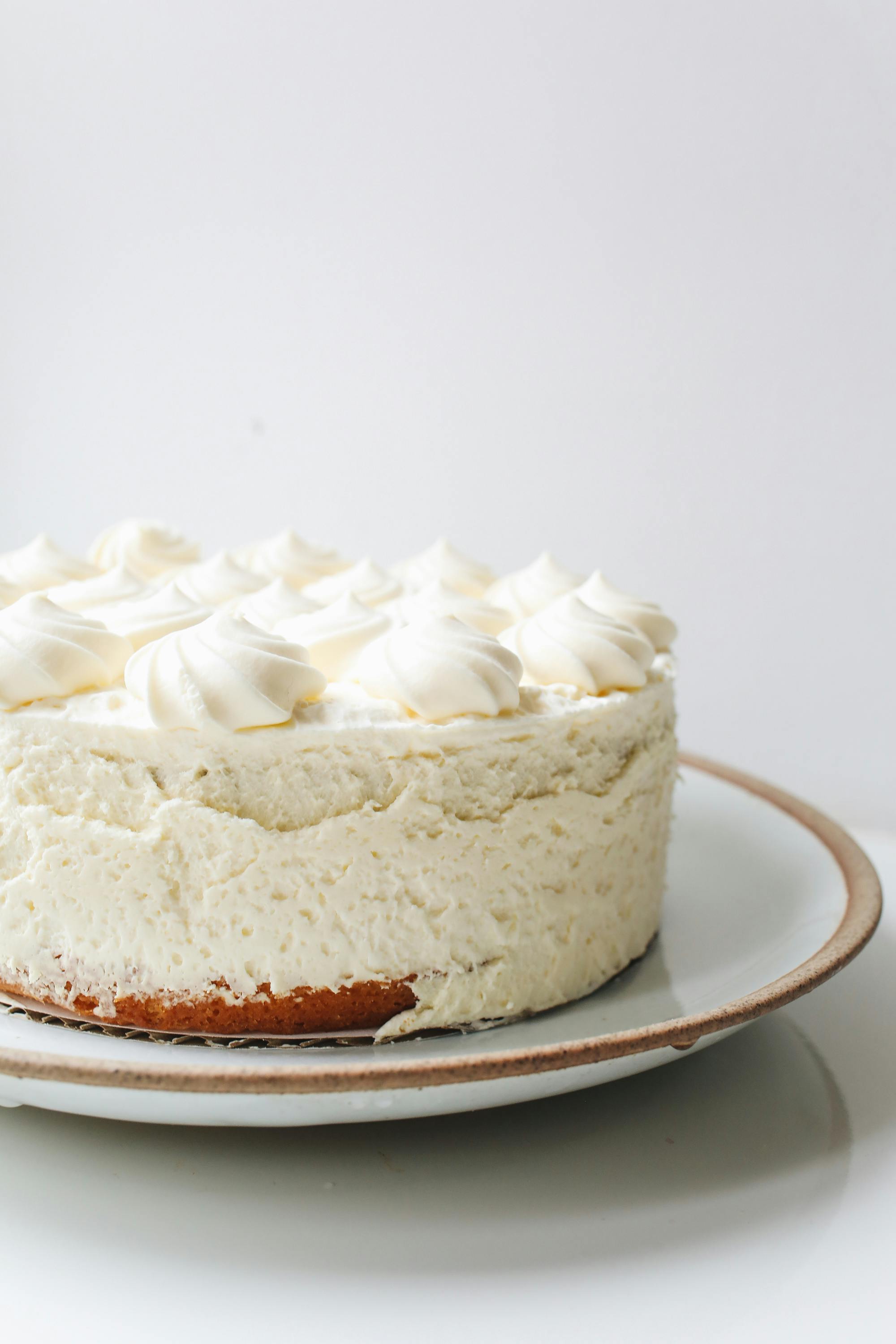
Cottage cheese has had a full glow‑up. Once a diet‑era cliché, it’s now blended silky-smooth into “ice cream,” savory dips, and lush pasta sauces. Its mild tang and naturally thick body make it the perfect chameleon.
- High in protein and calcium, with a gentle tang.
- Blends into a texture similar to soft-serve or ricotta.
- Works in both sweet recipes (ice cream, cheesecake cups) and savory ones (alfredo-style sauces, lasagna bakes).
2. Protein Coffee (“Proffee”)
Proffee marries two rituals: your morning coffee and your protein shake. Usually served iced, it’s as simple as pouring chilled coffee over ice and shaking it with a ready-to-drink protein shake or a scoop of whey or plant protein.
Imagine the aroma of freshly brewed espresso, mellowed by vanilla protein shake, with a creamy foam cap—like your favorite café drink but with staying power.

3. Greek Yogurt Bowls & Parfaits
Thick, tangy Greek yogurt is the unsung hero of high-protein desserts and breakfasts. With twice the protein of many regular yogurts, it becomes a creamy base for toppings that add crunch, color, and flavor.
- Flavor: Pleasant tang balanced by sweet fruit and drizzle of honey or flavored syrups.
- Texture: Creamy yogurt against crisp granola, juicy berries, and chewy dried fruit.
- Nutrition: Protein plus fiber, healthy fats, and antioxidants in one bowl.
4. High-Protein Convenience Foods
Grocery aisles now sparkle with protein chips, bars, puddings, and even fortified breads and pastas. They cater to busy days when cooking isn’t realistic but the desire for a higher-protein option is still there.
These products can be helpful bridges—getting you closer to your protein goals on the go—but they’re best used as supplements, not the backbone of your diet.

Nutrition Benefits of High-Protein Eating
When done thoughtfully, higher-protein eating can be deeply satisfying—not just for your taste buds, but for your entire body.
- Stronger satiety: Protein digests more slowly than simple carbs, helping reduce constant snacking and late-night fridge wanderings.
- Muscle support: Paired with resistance training, adequate protein helps maintain and build lean muscle mass, which supports metabolism and functional strength.
- Blood sugar balance: Starting meals with protein—or pairing it with carbohydrates—can blunt blood sugar spikes and crashes.
Caveats: When High-Protein Isn’t Automatically High-Quality
Not every “protein-packed” label equals a nourishing choice. Some products ride the trend without offering much in terms of overall health.
- Ultra-processed pitfalls: Many protein snacks are loaded with artificial sweeteners, sugar alcohols, sodium, and refined oils.
- Nutrient trade-offs: Focusing only on protein grams can crowd out fiber-rich vegetables, whole grains, and colorful plant foods your body also needs.
- Digestive discomfort: Some people are sensitive to certain protein powders or sugar alcohols, experiencing bloating or gas.
Listening to your body matters as much as following trends. If a particular protein coffee or bar doesn’t sit well with you, there are plenty of gentler, food-first options.
Whole-Food Protein Stars to Keep in Rotation
Think of high-protein convenience products as the supporting cast, and these whole foods as the stars of the show:
- Eggs and egg whites
- Greek yogurt, skyr, cottage cheese, and ricotta
- Chicken, turkey, lean beef, and pork
- Fish and shellfish, including canned tuna or salmon
- Tofu, tempeh, edamame, and other soy foods
- Beans, lentils, chickpeas, and peas
- Nuts, seeds, and nut/seed butters (especially when combined with other protein sources)

Creamy High-Protein Cottage Cheese “Ice Cream” Bowl
This cottage cheese “ice cream” bowl captures everything people love about the high-protein trend—lush texture, nostalgic sweetness, and impressive protein per serving—without needing an ice cream maker. It’s thick, spoonable, and just sweet enough, with swirls of fruit and crunchy toppings.
Equipment
- High-speed blender or food processor
- Measuring cups and spoons
- Rubber spatula
- 2 serving bowls
- Freezer-safe container (if you plan to chill or store)
Ingredients
- 2 cups (about 450 g) low-fat or full-fat cottage cheese
- 2–3 tablespoons maple syrup, honey, or zero-calorie sweetener, to taste
- 1 teaspoon pure vanilla extract
- 1 pinch fine sea salt (balances the sweetness)
- 1/2–1 cup frozen berries (such as strawberries, blueberries, or mixed berries)
- 2 tablespoons nut butter (peanut, almond, or cashew), optional for extra richness
- Optional toppings: fresh berries, sliced banana, chopped nuts, seeds, high-protein granola, or dark chocolate chips
Instructions
- Add base ingredients to the blender.
Scoop the cottage cheese into your blender or food processor. Add the maple syrup (or chosen sweetener), vanilla extract, and a pinch of salt. - Blend until silky smooth.
Blend on high for 30–60 seconds, scraping down the sides as needed, until the cottage cheese turns completely smooth and creamy—no curds visible. The texture should resemble soft-serve or thick Greek yogurt. - Add frozen berries and optional nut butter.
Add the frozen berries and nut butter (if using). Pulse or blend briefly until the berries are roughly incorporated. For a marbled look, pulse just a few times so streaks of berry remain. - Taste and adjust sweetness.
Taste the mixture. If you prefer it sweeter, add another spoonful of sweetener and blend again briefly. - Serve soft or chill for a firmer texture.
For an instant bowl, divide the mixture between two serving bowls and smooth the tops. For a firmer, ice-cream-like texture, transfer to a shallow, freezer-safe container and freeze for 30–60 minutes, stirring once halfway through to prevent large ice crystals. - Add toppings and enjoy.
Top each bowl with a handful of fresh berries, a sprinkle of chopped nuts or seeds, and a spoonful of high-protein granola or a few dark chocolate chips. Serve immediately for the best texture.

Substitutions & Dietary Adaptations
- Lower sugar: Use a zero-calorie sweetener or a small amount of stevia/monk fruit instead of honey or maple syrup.
- Higher protein boost: Add 1 scoop of vanilla or unflavored protein powder and a splash of milk or water to help it blend smoothly.
- Nut-free: Skip nut butter and nuts; use seed butter (like sunflower) and pumpkin or sunflower seeds instead.
- Gluten-free: Choose certified gluten-free granola or omit granola toppings in favor of nuts, seeds, and fruit.
Storage & Reheating
This high-protein cottage cheese dessert is best enjoyed fresh, but you can prepare it ahead:
- Refrigerator: Store in an airtight container for up to 2 days. Stir before serving; the texture will stay soft and creamy.
- Freezer: Freeze for up to 1 month. Let sit at room temperature for 15–20 minutes, then stir or re-blend briefly to regain creaminess. Note that ice crystals may form the longer it’s frozen.
Serving Suggestions & Pairings
To lean fully into the high-protein trend, pair this cottage cheese ice cream bowl with:
- A glass of protein coffee (proffee) for a café-style, high-protein snack combo.
- A small bowl of fresh berries or a side salad of citrus and mint for brightness.
- Whole-grain toast or a slice of high-fiber, high-protein bread if you’re enjoying it as a brunch main.
Bringing Balance to the High-Protein Wave
High-protein recipes can absolutely be delicious, creative, and satisfying—not just utilitarian. The key is remembering that protein is one piece of a bigger puzzle that also includes fiber, healthy fats, micronutrients, and sheer eating pleasure.
Use the trend as inspiration, not pressure. Let cottage cheese transform into velvety bowls, let your coffee carry a bit more staying power, and let yogurt parfaits become edible artwork. Then round your plate out with colorful vegetables, whole grains, and foods that make you genuinely excited to sit down and eat.