
Power Up with Plants: High-Protein Tofu, Tempeh & Legume Super‑Foods for Everyday Cooking
Plant‑Forward High‑Protein Cooking: Tofu, Tempeh & Legume Super‑Foods
Plant‑forward, high‑protein eating is blossoming as home cooks discover how deeply satisfying tofu, tempeh, lentils, chickpeas, and other legumes can be. These humble ingredients are stepping into the spotlight as affordable, sustainable super‑foods that keep you full, support muscle maintenance, and make weeknight dinners genuinely exciting.
Whether you’re flexitarian, fully plant‑based, or just tofu‑curious, this guide will walk you through the trend and finish with a vibrant, high‑protein Tofu & Lentil Power Bowl recipe that’s perfect for meal prep, blood‑sugar‑friendly eating, and cozy nights in.
Why High‑Protein Plant‑Forward Eating Is Trending
Over the last few years, the plant‑based conversation has shifted away from ultra‑processed meat alternatives and toward whole foods: tofu, tempeh, edamame, lentils, chickpeas, black beans, and peas. Across social feeds and meal‑prep blogs, these staples are being reframed as everyday super‑foods rather than “diet food” or a compromise.
Several forces are driving this evolution in how we eat:
- Protein‑centric mindset: From weight management and athletic performance to healthy aging, more eaters want to know, “Where’s the protein?” Creators are showcasing plant‑based days that easily hit 80–120+ g of protein using mostly tofu, tempeh, and legumes.
- Cost and accessibility: As food prices climb, a bag of lentils or a block of tofu looks incredibly attractive. Meal‑prep content frequently breaks down cost per serving beside macros, proving that high‑protein can also be budget‑friendly.
- Sustainability concerns: Many people are embracing “plant‑forward” rather than strictly vegan diets—simply swapping some red meat for soy and legumes. It’s a realistic, impactful step for the planet that doesn’t require perfection.
- Culinary creativity: Viral recipes like crispy air‑fried tofu, smoky tempeh bowls, lentil taco “meat,” chickpea “tuna” salad, and high‑protein hummus show that plant proteins can be crispy, saucy, and deeply flavorful.
Tofu, Tempeh & Legumes as High‑Protein Super‑Foods
One of the most joyful surprises for many new plant‑forward eaters is just how nutrient‑dense these staples are. A simple lentil stew or tofu stir‑fry can deliver the kind of macro balance and micronutrient richness usually associated with pricey supplements.
Protein Power
- Tofu: about 15–17 g protein per 100 g (firm/extra‑firm varieties).
- Tempeh: around 18–20 g protein per 100 g, plus fermentation adds gut‑friendly benefits.
- Lentils & beans (cooked): roughly 7–10 g protein per 100 g.
- Edamame & peas: young soybeans and peas often hit high single‑digit grams of protein per serving.
Fiber, Micronutrients & Blood Sugar Support
Legumes are naturally rich in both soluble and insoluble fiber, which can:
- Support gut health and a diverse microbiome.
- Enhance satiety—keeping you full between meals.
- Help with cholesterol management and heart health.
- Promote more stable blood sugar when paired with healthy fats and non‑starchy vegetables.
In addition, tofu, tempeh, and legumes bring iron, magnesium, potassium, folate, and a host of phytonutrients to your plate—key players for energy, recovery, and long‑term wellbeing.
Plant vs. Animal Protein: Getting the Best of Both Worlds
In trending nutrition content, you’ll often see side‑by‑side comparisons of plant and animal protein quality. The core idea: your body needs a full spectrum of amino acids, and you can absolutely get them from plants—either in one food or across the day.
Soy foods like tofu and tempeh are considered complete proteins, similar in quality to meat and dairy, while legumes pair beautifully with grains, nuts, and seeds to round out amino acids over the course of your meals.
Instead of stressing over “perfect” combinations at each bite, think in terms of your daily pattern:
- Breakfast: tofu scramble with whole‑grain toast and avocado.
- Lunch: lentil & quinoa salad with pumpkin seeds.
- Dinner: tempeh stir‑fry over brown rice with cashews.
Together, these meals deliver complete, high‑quality protein, plenty of fiber, and healthy fats—without relying on heavily processed alternatives.
High‑Protein Tofu & Lentil Power Bowl (Vegan, Meal‑Prep Friendly)
This plant‑forward, high‑protein bowl layers crispy marinated tofu, garlicky lentils, and crunchy vegetables over a bed of whole grains, finished with a creamy tahini‑lime dressing. It’s crafted to deliver 25–30 g of protein per serving while staying cozy, comforting, and weeknight‑simple.
Recipe Summary
Ingredients
For the crispy tofu
- 400 g (14 oz) extra‑firm tofu, pressed and cubed
- 1 tbsp soy sauce or tamari (use gluten‑free if needed)
- 1 tbsp olive oil or avocado oil
- 1 tbsp cornstarch or arrowroot starch
- 1 tsp smoked paprika
- 1/2 tsp garlic powder
- 1/4 tsp salt, or to taste
- Freshly ground black pepper, to taste
For the lentils & grains
- 1 cup dry green or brown lentils, rinsed
- 2 cups low‑sodium vegetable broth (or water)
- 1 cup uncooked quinoa or brown rice, rinsed
- 2 cups water or broth (for grains; adjust per package)
- 2 cloves garlic, minced
- 1 tbsp olive oil
- 1/2 tsp ground cumin
- 1/2 tsp ground coriander (optional but delicious)
- Salt and pepper, to taste
For the vegetables & toppings
- 1 medium carrot, shredded or julienned
- 1 small cucumber, sliced or diced
- 1 cup red cabbage, thinly sliced
- 1 cup edamame, shelled and cooked
- 1 small avocado, sliced (optional for extra healthy fats)
- 2 tbsp toasted sesame seeds or chopped nuts
- Fresh herbs (cilantro, parsley, or green onion), chopped
For the creamy tahini‑lime dressing
- 3 tbsp tahini
- 2 tbsp fresh lime juice (or lemon)
- 1–2 tbsp water, to thin as needed
- 1 tsp maple syrup or agave (optional)
- 1 small garlic clove, finely grated or minced
- 1/4 tsp salt, or to taste
Equipment Needed
- Chef’s knife and cutting board
- Medium saucepan with lid (for lentils)
- Second saucepan or rice cooker (for grains)
- Large mixing bowl
- Baking sheet lined with parchment or an air fryer
- Small bowl or jar for dressing
- Measuring cups and spoons
Step‑by‑Step Instructions

- Cook the grains.
Rinse the quinoa or brown rice under cold water. Add to a saucepan with the appropriate amount of water or broth (usually 2:1 liquid to grain, or per package directions). Bring to a boil, then reduce heat to low, cover, and simmer until tender. Fluff with a fork, cover, and keep warm. - Simmer the lentils.
In another saucepan, heat 1 tbsp olive oil over medium heat. Add minced garlic and sauté for 30–60 seconds until fragrant (not browned). Stir in rinsed lentils, cumin, coriander, and vegetable broth. Bring to a gentle boil, then reduce heat and simmer uncovered for 20–25 minutes, stirring occasionally, until lentils are tender but not mushy. Season with salt and pepper to taste. - Prep and marinate the tofu.
While the lentils cook, pat the pressed tofu very dry and cut into bite‑sized cubes. In a large bowl, whisk together soy sauce, 1 tbsp oil, smoked paprika, garlic powder, salt, and pepper. Add tofu and gently toss to coat. Sprinkle cornstarch over the tofu and toss again until each piece looks lightly dusted. - Crisp the tofu (oven or air fryer).
Oven: Preheat to 400°F (200°C). Spread tofu cubes on a parchment‑lined baking sheet in a single layer. Bake for 20–25 minutes, flipping halfway, until golden and crisp on the edges.
Air fryer: Arrange tofu cubes in a single layer in the basket. Air fry at 380°F (193°C) for 12–15 minutes, shaking halfway, until crisp. - Chop the vegetables.
While the tofu bakes, prepare your veggies: shred the carrot, slice cucumber and cabbage, and cook edamame if using frozen (usually 3–5 minutes in boiling water). Slice avocado and chop herbs just before serving to prevent browning. - Make the tahini‑lime dressing.
In a small bowl or jar, whisk together tahini, lime juice, garlic, salt, and maple syrup if using. Add water, 1 tbsp at a time, whisking until the dressing is smooth and pourable. Taste and adjust acidity or salt to your liking. - Assemble the power bowls.
Divide cooked grains among 4 bowls or meal‑prep containers. Spoon a generous portion of lentils on one side, then add crispy tofu on the other. Arrange carrot, cucumber, red cabbage, and edamame in colorful clusters. Top with avocado slices if using, sprinkle with sesame seeds or nuts, and scatter fresh herbs. - Drizzle & serve.
Just before eating, drizzle each bowl with tahini‑lime dressing. For meal prep, pack dressing separately and drizzle after reheating. Enjoy warm or at room temperature.


Storage, Reheating & Meal‑Prep Notes
This tofu & lentil bowl is designed with plant‑based meal prep in mind. It holds up beautifully in the fridge and makes hitting your protein goals during the week feel effortless.
- Refrigeration: Store assembled bowls (without dressing and avocado) in airtight containers for up to 4 days in the fridge.
- Dressing: Keep tahini‑lime dressing in a small jar; it will thicken slightly—just stir in a splash of water before serving.
- Reheating: Reheat grains, lentils, and tofu together in the microwave (1–2 minutes) or in a skillet with a splash of water. Add fresh veggies, avocado, and dressing after warming.
- Freezing: Cooked lentils and grains freeze well for up to 2–3 months. Tofu texture changes when frozen but some people enjoy the chewier bite; freeze separately if you’d like to experiment.
Serving Ideas & Complementary Dishes
Think of this high‑protein bowl as a template—once you’re comfortable, you can riff endlessly with whatever’s in your pantry or seasonal at the market.
- Fresh sides: Pair with a simple green salad dressed in lemon and olive oil, or roasted seasonal vegetables (broccoli, Brussels sprouts, or squash).
- Snack pairings: High‑protein hummus with veggie sticks, roasted chickpeas, or edamame pods sprinkled with sea salt.
- Breakfast twist: Use leftover tofu and lentils in a savory breakfast bowl with sautéed greens and a spoonful of salsa.
- Entertaining: Set up a “build‑your‑own” plant‑protein bowl bar with multiple legumes (black beans, chickpeas, lentils), grains, sauces, and toppings so guests can customize.
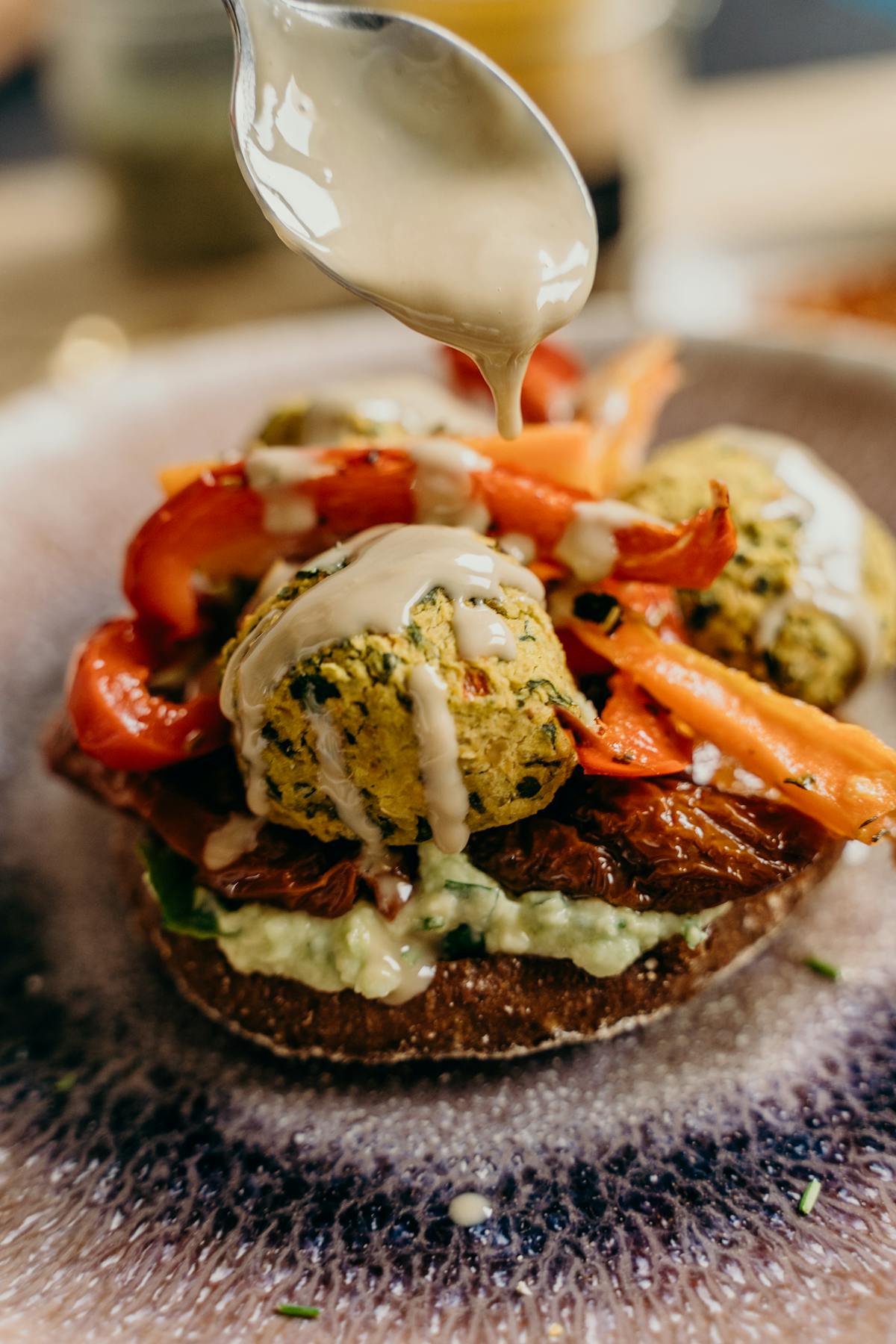
With a little practice, these tofu, tempeh, and legume‑centered meals become second nature—affordable, nourishing, and deeply comforting. Keep experimenting, trust your taste buds, and let your plant‑forward kitchen evolve with you.
