
Mediterranean 2.0: A Flavor‑Packed Anti‑Inflammatory Lifestyle (Plus a Vibrant Salmon Grain Bowl Recipe)
Mediterranean‑Inspired Anti‑Inflammatory Eating 2.0
Mediterranean‑inspired, anti‑inflammatory eating 2.0 is less about rules and more about rhythm: colorful vegetables piled high, generous splashes of extra‑virgin olive oil, slow meals with friends, and food that feels as good as it tastes. Instead of a strict “diet,” it’s a flexible, plant‑forward way of eating that research consistently links with better heart health, steadier energy, and long‑term wellness.
Below you’ll find a quick guide to this Mediterranean‑meets‑longevity trend—and a vibrant anti‑inflammatory Mediterranean salmon grain bowl recipe you can bring to your table tonight.

What Is “Mediterranean 2.0” Anti‑Inflammatory Eating?
The classic Mediterranean diet has long been celebrated for supporting cardiovascular health and longevity. In 2025–2026, it’s been refreshed and folded into the broader conversation about anti‑inflammatory and longevity eating. On social feeds, it shows up as:
- Meal‑prep videos with sheet‑pan salmon, roasted vegetables, and quinoa or farro.
- “Blood sugar friendly” Mediterranean plates that pair carbs with fiber, protein, and healthy fats.
- “Blue Zones” inspired content looking at how long‑lived communities—from Ikaria to Okinawa—eat day to day.
Instead of cutting out bread or pasta, the focus is on quality and overall pattern: more plants, more color, more healthy fats, and fewer ultra‑processed foods. Wine, bread, and dessert can still fit—just in mindful portions and within a lifestyle that values movement, sleep, and stress management alongside good food.
In other words, Mediterranean 2.0 is less “diet culture” and more “how do I actually want to eat and live for the next 20 years?”
Core Pillars of Mediterranean‑Inspired Anti‑Inflammatory Eating
Think of this as your everyday blueprint rather than a strict checklist. Aim to build most meals around these elements:
- Whole, Minimally Processed Plants
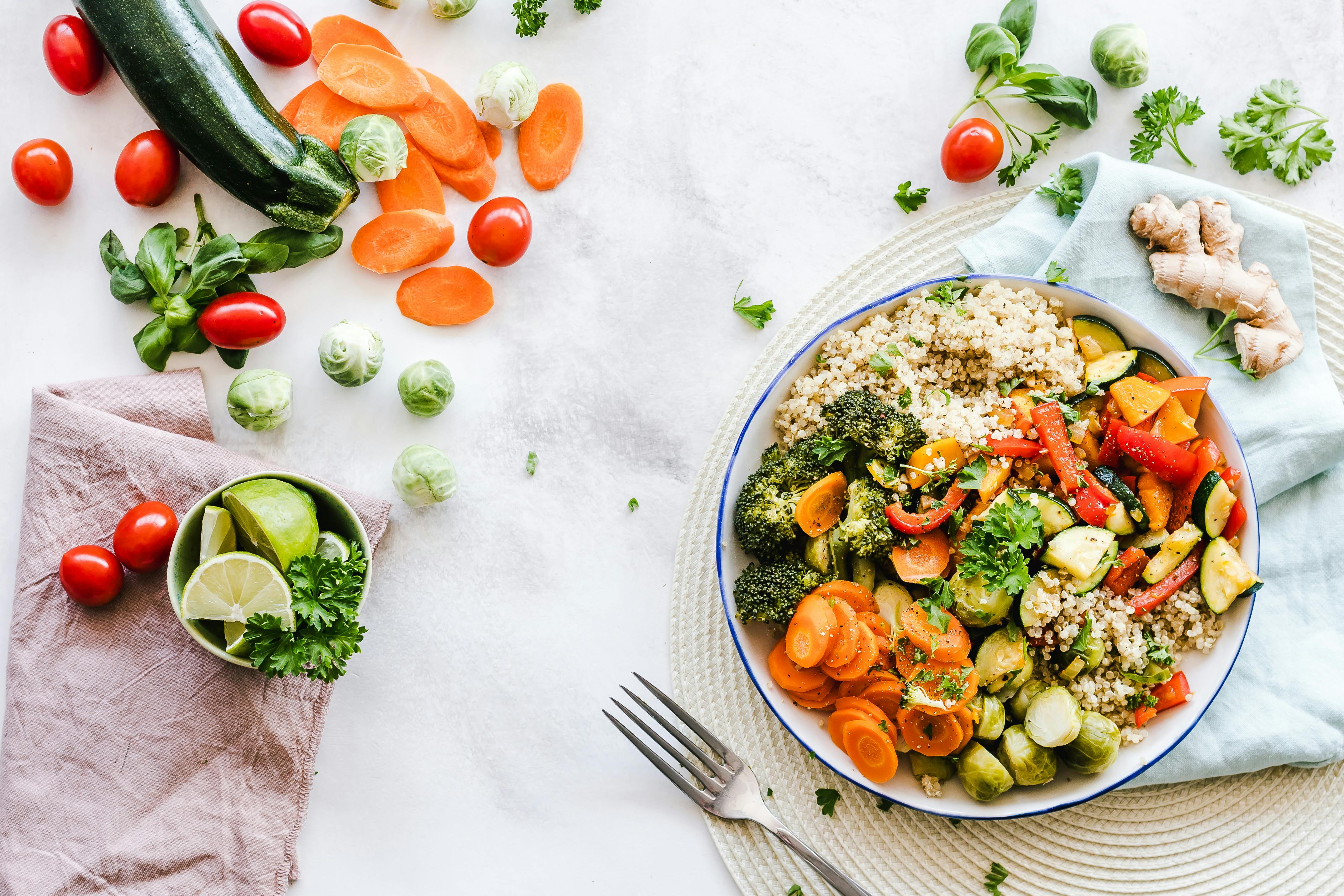
Fill half your plate with colorful vegetables and fruits, then add legumes (chickpeas, lentils, beans), whole grains (farro, barley, oats, quinoa), nuts, and seeds. These deliver fiber, vitamins, minerals, and a spectrum of phytonutrients that may help modulate inflammation. - Healthy Fats (Especially Extra‑Virgin Olive Oil)
Extra‑virgin olive oil (EVOO) stars in this trend—drizzled on salads, grain bowls, roasted veggies, and even used as a finishing drizzle on soups. Its monounsaturated fats and polyphenols are consistently highlighted in research and in modern “olive oil shot” videos. - Seafood and Plant Proteins Over Red Meat
Fish—especially fatty fish like salmon, mackerel, sardines, and trout—provides omega‑3 fats. Beans, lentils, tofu, and tempeh show up often, while red and processed meats take a supporting role instead of center stage. - Herbs, Spices, and Bitter Greens
Oregano, rosemary, thyme, turmeric, garlic, onions, and bitter greens like arugula and radicchio add flavor while contributing additional antioxidant and anti‑inflammatory compounds. Think “herb‑heavy” rather than just a sprinkle. - Lifestyle Context
Many Mediterranean 2.0 creators pair recipes with walking, strength training, sunlight, social meals, stress‑reduction practices, and good sleep hygiene. The message: food matters, but it’s part of a bigger picture.
Recipe: Anti‑Inflammatory Mediterranean Salmon Grain Bowl
This vibrant Mediterranean salmon grain bowl captures everything exciting about Mediterranean 2.0: colorful plants, hearty whole grains, luscious olive oil, crunchy nuts, and zesty herbs. It’s perfect for meal prep, anti‑inflammatory lunch boxes, or a quick weeknight dinner that feels like a mini seaside vacation.
Quick Summary
- Prep Time: 20 minutes
- Cook Time: 20 minutes
- Total Time: 40 minutes
- Servings: 4 bowls
- Difficulty: Easy–Moderate
Dietary Notes
- Mediterranean‑style, anti‑inflammatory focus
- Gluten‑free if made with quinoa, brown rice, or millet
- High in fiber, healthy fats, and omega‑3s
Equipment You’ll Need
- Large baking sheet or roasting pan
- Medium saucepan with lid (for grains)
- Cutting board and sharp chef’s knife
- Mixing bowls (one large, one small)
- Measuring cups and spoons
- Whisk or fork (for dressing)
- Spatula or fish spatula
- Meal‑prep containers (optional, for storing bowls)
Ingredients
All measurements are for 4 hearty bowls. Feel free to scale up for weekly meal prep.
For the Salmon
- 4 salmon fillets (about 140–170 g / 5–6 oz each), skin on or off
- 2 tbsp extra‑virgin olive oil
- 1 tbsp fresh lemon juice
- 2 cloves garlic, finely minced
- 1 tsp dried oregano
- 1 tsp dried thyme or rosemary
- 1/2 tsp ground turmeric (optional, for extra anti‑inflammatory support)
- 1/2 tsp sea salt (or to taste)
- 1/4 tsp freshly ground black pepper
- Lemon slices, for roasting and serving (optional)
For the Grain Base
- 1 cup dry farro, barley, or quinoa (use quinoa or brown rice for gluten‑free)
- 2–2.5 cups water or low‑sodium vegetable broth
- Pinch of sea salt
For the Vegetable & Legume Mix
- 1 can (400 g / 14 oz) chickpeas, drained and rinsed
- 1 cup cherry or grape tomatoes, halved
- 1 medium cucumber, diced
- 1 small red onion or 2–3 spring onions, finely sliced
- 2 cups mixed leafy greens (arugula, baby spinach, radicchio, etc.)
- 1/2 cup pitted Kalamata or mixed olives, halved
- 1/4 cup fresh parsley, chopped
- 1/4 cup fresh mint or basil, chopped (optional but delicious)
For the Lemon‑Tahini Olive Oil Dressing
- 3 tbsp extra‑virgin olive oil
- 2 tbsp tahini (sesame paste)
- 2–3 tbsp fresh lemon juice (to taste)
- 1 tsp Dijon mustard
- 1 small clove garlic, very finely minced or grated
- 1–2 tbsp water to thin, as needed
- 1/4 tsp sea salt, plus more to taste
- Freshly ground black pepper, to taste
Toppings (Optional but Recommended)
- 1/4 cup toasted nuts or seeds (almonds, walnuts, pistachios, pumpkin seeds)
- 1/4 cup crumbled feta cheese (omit for vegan or dairy‑free)
- Lemon wedges, for serving
- Extra herbs (parsley, dill, or mint) for garnish
Step‑by‑Step Instructions
Follow these steps in order for smooth, efficient cooking. While the grains simmer, you’ll prep the vegetables and roast the salmon.
1. Cook the Grains
- Rinse your chosen grain under cool water in a fine‑mesh strainer to remove excess starch and any dust.
- In a medium saucepan, combine 1 cup grain with 2–2.5 cups water or broth (check package directions). Add a pinch of salt.
- Bring to a boil over medium‑high heat, then reduce to a gentle simmer, cover, and cook until tender:
- Quinoa: about 15 minutes
- Brown rice: 30–35 minutes
- Farro/barley: 25–30 minutes
- Once cooked, fluff with a fork, cover, and let stand off the heat while you finish the other components.
2. Season and Roast the Salmon
- Preheat your oven to 200 °C / 400 °F.
- Line a baking sheet with parchment paper for easier cleanup.
- In a small bowl, whisk together:
- 2 tbsp extra‑virgin olive oil
- 1 tbsp lemon juice
- 2 cloves minced garlic
- 1 tsp dried oregano
- 1 tsp dried thyme or rosemary
- 1/2 tsp turmeric (if using)
- 1/2 tsp sea salt and 1/4 tsp black pepper
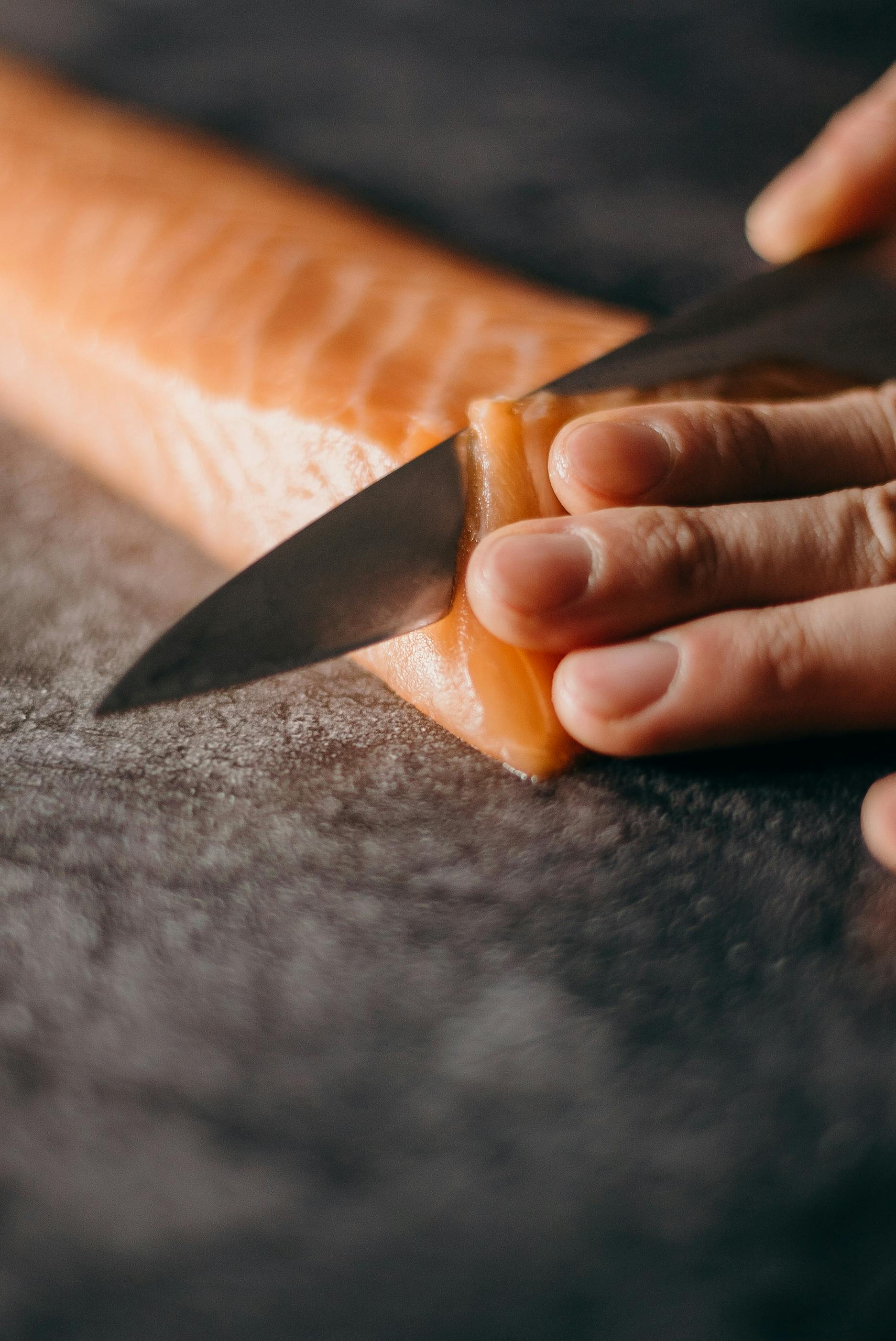
- Place salmon fillets on the baking sheet, skin side down if using skin. Spoon or brush the herb‑garlic mixture evenly over each fillet.
- Top with a few lemon slices if you like, then roast for 10–14 minutes, depending on thickness, until the salmon flakes easily with a fork and is just opaque in the center.
- Rest the salmon for 3–5 minutes out of the oven; the residual heat will finish cooking it gently, keeping it moist and tender.
3. Prep the Vegetables & Chickpeas
- While the salmon roasts, prepare the vegetables.
- In a large bowl, combine:
- Chickpeas
- Halved cherry tomatoes
- Diced cucumber
- Sliced red or spring onions
- Olives
- Chopped parsley and mint/basil
- Toss gently to mix. Add a tiny drizzle of olive oil and a pinch of salt if you’d like to “wake up” the flavors.
- Keep the leafy greens (arugula, spinach, etc.) separate until just before serving to prevent wilting, especially if meal‑prepping.

4. Make the Lemon‑Tahini Olive Oil Dressing
- In a small bowl or jar, whisk together:
- 3 tbsp extra‑virgin olive oil
- 2 tbsp tahini
- 2–3 tbsp lemon juice
- 1 tsp Dijon mustard
- Garlic, salt, and pepper
- Add 1–2 tbsp water, a little at a time, until the dressing is creamy but pourable. Taste and adjust seasoning—add more lemon for brightness, olive oil for richness, or a pinch of salt if needed.
5. Assemble the Mediterranean Grain Bowls
- Divide the warm grains between 4 shallow bowls or containers.
- Top each with a generous handful of leafy greens.
- Spoon the chickpea‑vegetable mixture over the greens, leaving space for the salmon so each component is visible and tempting.
- Place a roasted salmon fillet on each bowl. Drizzle everything with the lemon‑tahini dressing.
- Finish with nuts or seeds, crumbled feta (if using), extra herbs, and a squeeze of fresh lemon.

Variations, Dietary Adaptations & Meal Prep Tips
Make It Vegan or Vegetarian
- Swap salmon for roasted tofu, tempeh, or a double portion of chickpeas and lentils.
- Skip the feta or use a plant‑based feta alternative.
- Boost umami with a sprinkle of nutritional yeast or toasted nuts and seeds.
Make It Gluten‑Free
- Use quinoa, brown rice, millet, or buckwheat instead of farro, barley, or bulgur.
- Double‑check labels on mustard and tahini if you’re highly sensitive.
Meal Prep & Storage
- Store grains, chickpea‑veg mix, salmon, and dressing separately for best texture.
- Refrigerate in airtight containers for up to 3 days.
- Add leafy greens and dressing just before eating to keep them fresh and crisp.
- For grab‑and‑go lunches, layer in jars: dressing on the bottom, grains and chickpeas in the middle, leaves on top, and salmon added just before serving.
Reheating Guidelines
- Salmon: Reheat gently in a 150 °C / 300 °F oven for 8–10 minutes, or in a covered skillet over low heat with a splash of water or broth, just until warmed.
- Grains: Warm in the microwave with a teaspoon of water or a drizzle of olive oil to re‑fluff.
- Enjoy cold: This bowl is also lovely chilled or at room temperature— drizzle with a bit of extra lemon and olive oil before serving.
Serving Suggestions & Complementary Dishes
This Mediterranean grain bowl is a complete meal on its own, but you can easily build it into a fuller anti‑inflammatory Mediterranean spread:
- Starter: A simple tomato and cucumber salad with red onion, olive oil, and vinegar.
- Side: Roasted vegetables (eggplant, zucchini, peppers) with garlic and herbs.
- Extra protein: A small bowl of lentil soup or white bean purée.
- Finishing touch: Fresh orange or berries with a drizzle of olive oil and chopped nuts for dessert.
- Drink pairing: Still or sparkling water with citrus slices, or a modest glass of red wine if it fits your preferences and health needs.
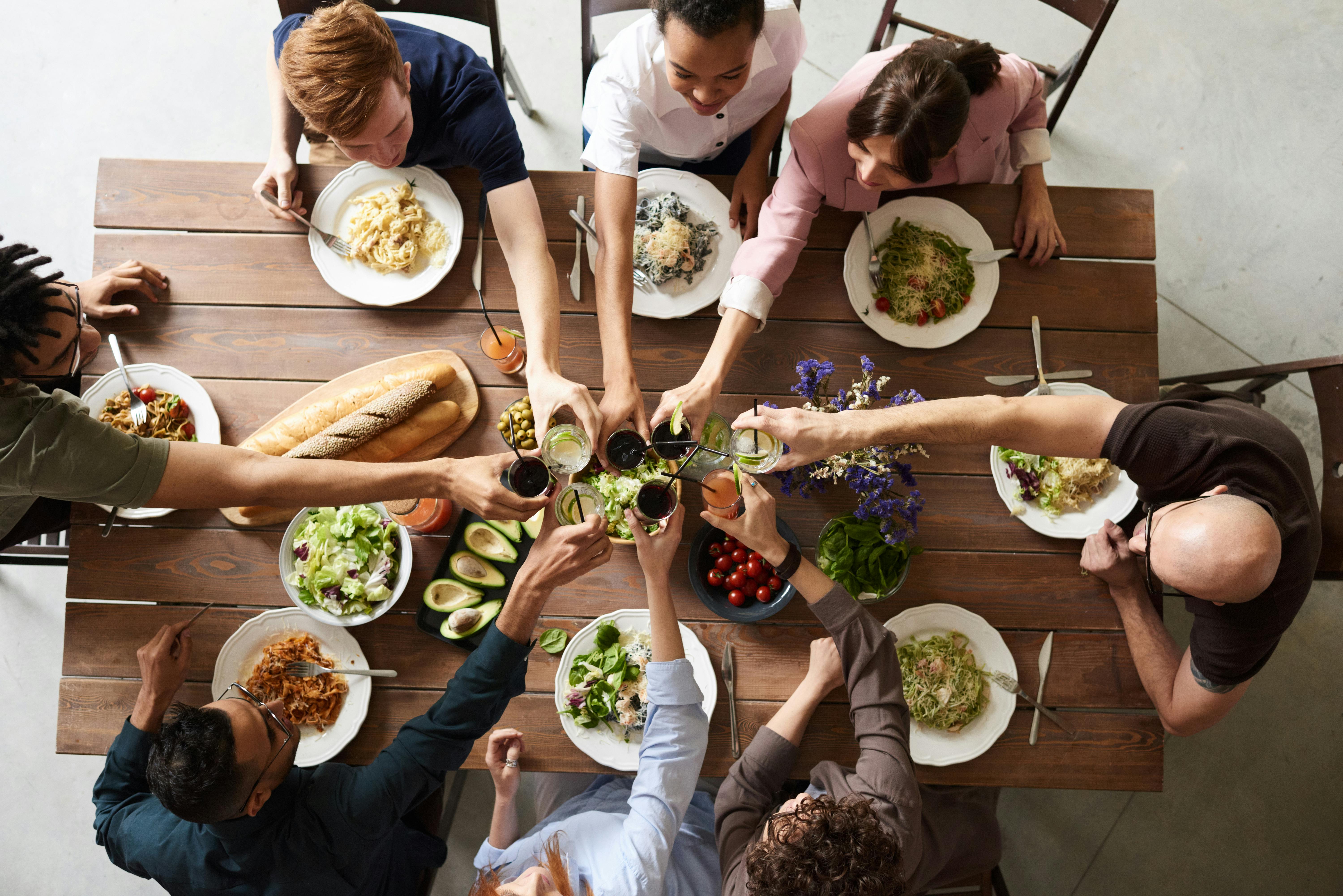
Bringing Mediterranean 2.0 into Everyday Life
Mediterranean‑inspired, anti‑inflammatory eating doesn’t have to be perfect to be powerful. If you cook this salmon grain bowl once a week, drizzle a bit more olive oil on your vegetables, swap one meat‑heavy dinner for beans and greens, and make time to sit down and savor your meals, you’re already stepping into that Mediterranean 2.0 lifestyle.
Use this recipe as a template: change the grain, swap the protein, play with seasonal produce, and keep the core principles—plants, healthy fats, herbs, and pleasure—at the heart of your plate. Your future self will be very glad you did.
Recipe Metadata (Schema.org)
The following JSON‑LD markup helps search engines understand this Mediterranean salmon grain bowl recipe for better SEO and rich recipe results.
