
Ozempic, Wegovy & the ‘Skinny Shot’ Era: How GLP‑1 Drugs Are Rewriting Diet Culture, Nutrition & Body Image
Ozempic, Wegovy & the Rise of GLP‑1 ‘Skinny Shot’ Diet Culture
Prescription GLP‑1 weight‑loss drugs like Ozempic, Wegovy, Mounjaro and Zepbound are quietly—and sometimes not so quietly—rewriting the rules of diet culture. Originally developed for type 2 diabetes, these medications can dramatically reduce appetite, slow how quickly your stomach empties, and steady blood sugar. For many people, that translates into rapid, clinically significant weight loss, while also transforming their day‑to‑day relationship with food.
At the same time, this “skinny shot” era raises complicated questions: How do we nourish a body that suddenly wants far less food? What happens to muscle and long‑term health? And how do we protect ourselves from a new wave of pressure, shame and unrealistic beauty standards?
How GLP‑1 Medications Work—and Why They’re So Disruptive
GLP‑1 receptor agonists like semaglutide (Ozempic, Wegovy) and tirzepatide (Mounjaro, Zepbound) mimic hormones your gut naturally releases after you eat. These hormones:
- Signal your brain that you’re satisfied sooner and for longer
- Slow gastric emptying, so food lingers in your stomach and keeps you full
- Help regulate blood sugar by promoting insulin release and reducing glucagon
In clinical trials and real‑world use, many people lose 10–20% of their body weight—levels that used to be possible mainly through bariatric surgery. That alone is seismic. But the deeper disruption is psychological: people who have fought hunger their whole lives suddenly describe a quiet brain, a plate that feels “enough,” and the freedom to walk past the pantry without an internal war.
“For the first time in my life, food isn’t shouting at me,” is a common refrain in GLP‑1 support groups.
Celebrity, Influencers & the ‘Skinny Shot’ Narrative
On TikTok, Instagram and YouTube, GLP‑1s are everywhere: weekly injection videos, dramatic before‑and‑afters, “size‑down” clothing hauls. Rumors about celebrity use swirl across entertainment media, framing these medications as the latest shortcut to a narrow “Hollywood body.”
This visibility has a double edge:
- Pressure & comparison: Rapid transformations can make slower, lifestyle‑based changes feel pointless, especially for people who can’t access or tolerate these drugs.
- Body image whiplash: Gains in body‑positivity and weight‑neutral health messaging risk being overshadowed by a renewed obsession with thinness.
- Stigma shift, not resolution: Instead of asking whether weight should define worth at all, the narrative sometimes becomes, “If you’re bigger, why aren’t you on the shot?”
If you’re on GLP‑1s, it’s easy to feel like you “cheated.” If you’re not, it’s easy to feel left behind. Both feelings miss the point: these are medical tools addressing a complex chronic condition, not a moral scoreboard.
From Willpower to Biology: Rethinking What Drives Weight
One quiet revolution of GLP‑1 medications is how they challenge the old story that weight is purely about willpower. When a single injection makes intrusive food thoughts evaporate for someone who has battled them since childhood, it becomes much harder to argue that they simply “weren’t trying hard enough” before.
More people—and more clinicians—are now openly talking about:
- The role of genetics and family history in body size
- How hormones and gut‑brain signaling shape hunger and cravings
- The way chronic dieting can alter metabolism over time
This shift from blame to biology can be deeply healing. At the same time, it raises new questions: If biology matters so much, are we moving toward lifelong pharmacologic management of weight, the way we do for blood pressure and cholesterol? And where do food, movement and self‑care fit into that picture?
Eating Well on GLP‑1s: How to Stay Nourished When You’re Just Not Hungry
One of the most common experiences on GLP‑1 drugs is a suddenly tiny appetite. For weight loss, that sounds ideal. For nutrition, it can be a trap. Dietitians are increasingly worried not only about how much people eat on these medications, but what they eat.
When every bite counts, the quality of your food matters more than ever.
1. Protect Your Muscle with Adequate Protein
Rapid weight loss can strip away muscle as well as fat. To guard against that, many clinicians now recommend around 1.6–2.2 g of protein per kilogram of body weight per day, especially if you’re losing weight quickly or are in midlife or older.
- Animal proteins: chicken, turkey, lean beef, eggs, Greek yogurt, cottage cheese, fish and seafood
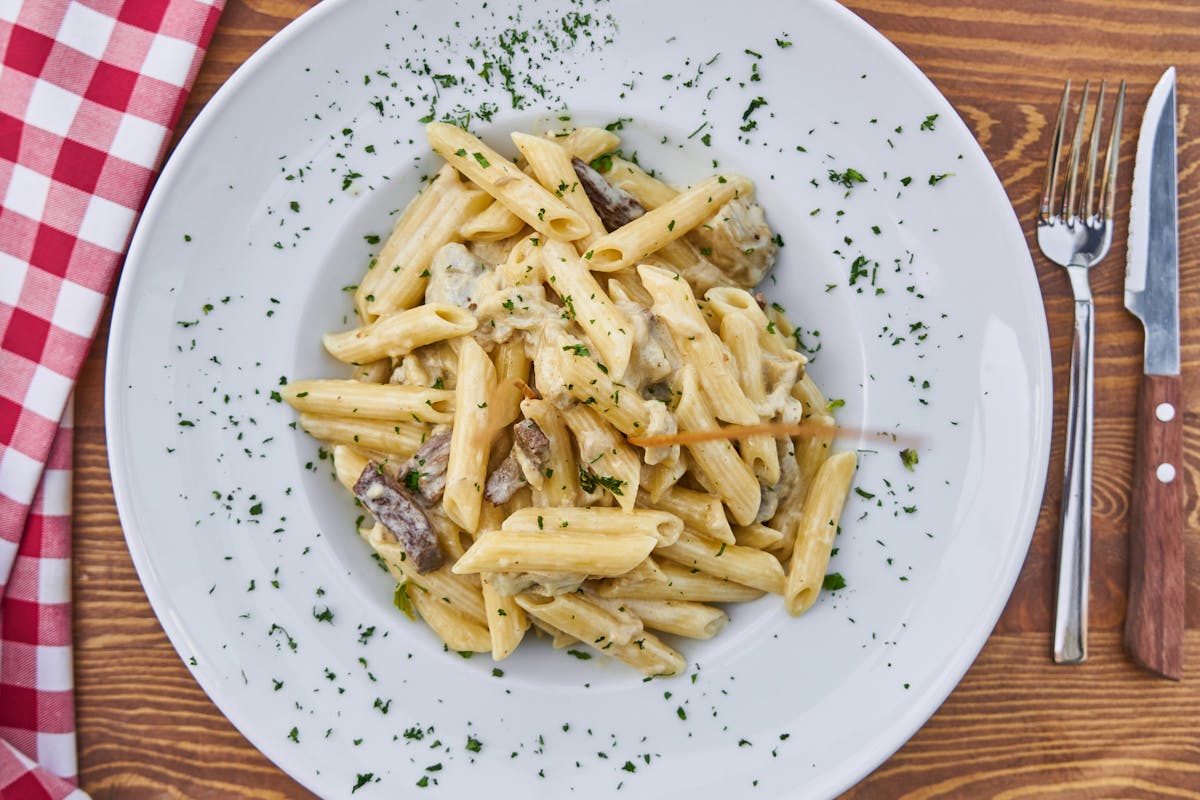
- Plant proteins: tofu, tempeh, edamame, lentils, chickpeas, beans, soy yogurt, high‑protein whole‑grain breads and pastas
2. Go for Nutrient‑Dense, Not Just Low‑Calorie
When you’re satisfied by just a few bites, a plate of plain crackers might meet your calorie needs for the moment—but not your body’s needs for vitamins, minerals and fiber. Aim to make each small meal or snack count:
- Swap sugary drinks for water, herbal tea, or sparkling water with citrus
- Pair carbs (like whole grains or fruit) with protein or healthy fats for stable energy
- Include colorful vegetables where you can—soups, stir‑fries, omelets, blended into sauces
3. Gentle on the Stomach: Managing Nausea & GI Side Effects
Nausea, reflux, constipation, and sometimes diarrhea are widely reported on GLP‑1s, especially when doses escalate. Food texture and fat content can make a big difference in how you feel.
Many people feel better when they:
- Eat smaller, more frequent meals rather than large ones
- Favor lower‑fat, low‑grease foods over heavy fried items
- Choose soft, moist textures—think soups, stews, yogurt, mashed beans, smoothies
- Stay well‑hydrated and include gentle fibers (like oats, cooked veggies, kiwi, chia puddings)
Muscle, Metabolism & Movement: Why Strength Training Matters
GLP‑1 medications can make movement feel easier by lightening the load on your joints and improving blood sugar. But they can also quietly erode muscle if you’re under‑eating protein or calories. Since muscle is key for metabolism, balance, and strength as you age, protecting it is crucial.
The most effective combination for long‑term health appears to be:
- Resistance training 2–4 times per week (weights, resistance bands, bodyweight exercises)
- Regular walking or low‑impact cardio for heart health and mood
- Adequate protein and overall calories, even if your appetite is below your old normal
Long‑Term Use, Regain & the Future of “Dieting”
Studies and real‑world experiences suggest that when many people stop GLP‑1 medications, a significant portion of lost weight returns. Hunger comes back, food noise returns, and old patterns can re‑emerge. This doesn’t mean you’ve failed; it means the medication was addressing a biological driver that’s now reasserting itself.
This has sparked big questions:
- Are GLP‑1s becoming a chronic therapy like statins or blood‑pressure meds?
- How can we build habits around food, movement, sleep and stress that support health whether you stay on the drug or not?
- What does “maintenance” look like when appetite and weight are partly medication‑dependent?
Many clinicians now talk less about a “diet” and more about a long‑term care plan. That might mean staying on GLP‑1s for years, tapering to a lower dose, or eventually discontinuing—ideally with support from a multidisciplinary team that includes medical, nutrition, and mental health professionals.
Ethics, Access & Who Gets Treated
As GLP‑1s have exploded in popularity, so have conversations about fairness. In various countries, high list prices and inconsistent insurance coverage mean that only some people can access these medications long term. Meanwhile, periodic shortages have forced patients with diabetes to scramble when off‑label weight‑loss prescribing surges.
Ethical debates now swirl around:
- Whether obesity should be universally covered as a treatable medical condition
- How to prioritize access when supplies are limited
- How stigma influences which bodies are viewed as “worth” treating
None of these questions have simple answers. But they’re crucial if we want a future where weight‑related care is guided by compassion, evidence and equity instead of trends and celebrity headlines.
Practical Nutrition & Lifestyle Tips If You’re on a GLP‑1
If you’re currently using a GLP‑1 medication—or considering it with your healthcare provider—food can feel confusing. You’re less hungry, sometimes queasy, maybe worried about “doing it wrong.” Think of this as a season of gentle, intentional nourishment rather than strict dieting.
Daily Food & Movement Checklist
- Include a source of protein at each meal (even if the meal is small).
- Choose soft, hydrating foods on tough GI days: soups, smoothies, stews, yogurt, oatmeal.
- Sip water regularly throughout the day; add electrolytes if recommended.
- Move your body gently most days—walks, stretching, light cycling or swimming.
- Schedule regular check‑ins with your prescriber and, ideally, a dietitian.
Looking Ahead: Beyond the ‘Skinny Shot’ Story
GLP‑1 drugs are not the end of dieting, and they’re not the villain of the story either. They’re powerful tools that expose how oversimplified our old narratives about weight, willpower and health really were.
The opportunity now is to use this moment wisely: to pair medication with smart, compassionate nutrition and movement; to center muscle, micronutrients and mental health as much as the number on the scale; and to keep pushing for a culture where every body is treated with dignity, regardless of size or prescription status.

Whether you’re on a GLP‑1 medication, considering one, or simply watching the headlines, you deserve care that honors your whole self—not just your size.
