
Why 2024 Feels So Hot: El Niño, Record Ocean Heat, and the New Era of Extreme Weather
This article unpacks how El Niño interacts with long-term warming, why oceans are so hot, what this means for hurricanes, heat domes, coral reefs, food security, and health, and how cutting-edge models and satellites are helping society adapt in a fast-changing climate.
Over the past year, the planet has repeatedly smashed temperature records. Global average surface temperatures have stayed at or near all-time highs, driven by a powerful El Niño in the tropical Pacific layered on top of decades of human-caused warming. Oceans have absorbed more than 90% of the excess heat trapped by greenhouse gases, pushing sea surface temperatures in parts of the Atlantic and Pacific to unprecedented levels and fueling marine heatwaves, supercharged storms, and widespread coral bleaching.
Climate scientists and meteorologists are racing to interpret these extremes: rapid intensification of tropical cyclones, multi-continent heatwaves, devastating floods in some regions and record drought in others. Rapid-attribution studies are now able to estimate within days how much more likely or intense an event has become because of human influence on the climate, and their findings increasingly shape public debate, insurance markets, and government policy.
Mission Overview: What Makes Recent Heat and El Niño So Unusual?
El Niño is a natural climate pattern characterized by sustained warming of sea surface temperatures in the central and eastern tropical Pacific. Historically, strong El Niño events have reshaped global weather patterns every 2–7 years. What is different now is that El Niño is acting on top of an already warmed climate, raising global mean temperatures and shifting the odds of extremes.
Since mid-2023 and continuing into 2024, several indicators have pushed into record territory:
- Global mean surface temperature exceeded the 1.5 °C threshold above pre-industrial levels for multiple months (though not yet as a long-term average).
- North Atlantic sea surface temperatures reached record highs, even outside the typical hurricane season.
- Large swaths of the Pacific, Atlantic, and Indian Oceans experienced persistent marine heatwaves, some classified as “extreme” or “severe.”
- Multiple continents reported unprecedented heatwaves, with nighttime temperatures failing to provide relief.
According to the World Meteorological Organization and analyses from agencies like NOAA and the Copernicus Climate Change Service, these conditions are consistent with projections from climate models that long warned of compounding impacts when strong El Niño events coincide with elevated greenhouse gas concentrations.
“Every increment of warming increases the frequency and intensity of hot extremes, heavy precipitation, and droughts in some regions.” — IPCC Sixth Assessment Report (2021)
Technology: How We Detect, Model, and Attribute Extreme Weather
Understanding why the planet is so hot now relies on an integrated observing and modeling system. Advances since the early 2000s have transformed climate and weather analysis into a high-resolution, data-rich science.
Satellite Observations and Ocean Monitoring
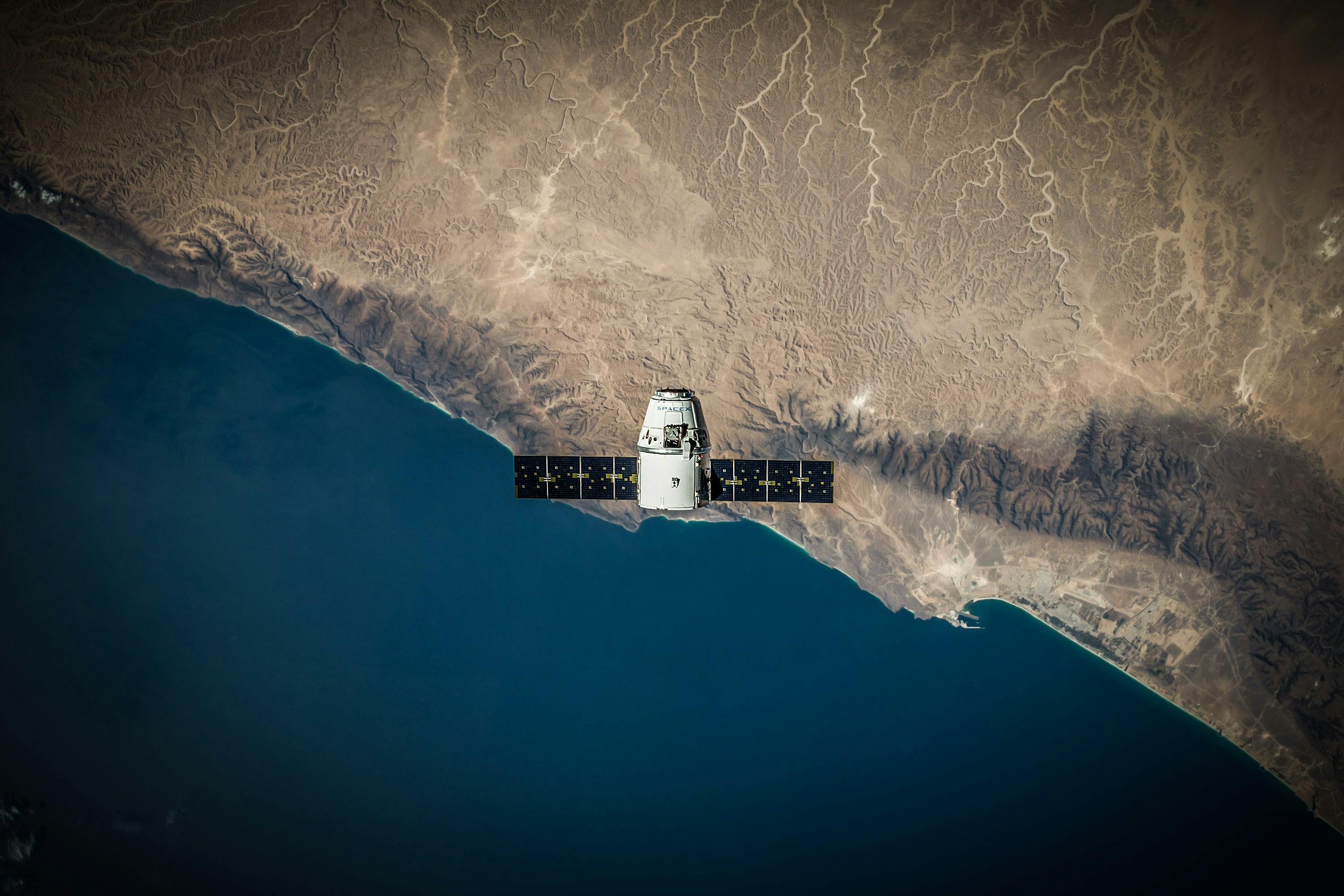
Satellites from NASA, NOAA, ESA, JAXA, and others monitor key variables such as sea surface temperature, cloud cover, water vapor, soil moisture, and ice sheet mass. Combined with in situ data from the global Argo float network and ship- and buoy-based measurements, scientists can track ocean heat content, a fundamental metric for long-term warming.
- Argo floats: More than 3,000 profiling floats measure temperature and salinity down to 2,000 m, mapping how heat is stored and transported in the ocean interior.
- Geostationary satellites (e.g., GOES series): Provide near-real-time imagery of storm development, lightning, and cloud-top temperatures, critical for forecasting severe weather.
- Passive microwave sensors: Observe rainfall rates, snow cover, and sea ice concentration—even through clouds.
High-Resolution Climate and Weather Models
Numerical models solve the fundamental equations of fluid dynamics, thermodynamics, and radiation to simulate the atmosphere–ocean system. Two broad categories are especially relevant:
- Global climate models (GCMs) and Earth System Models (ESMs): Used for long-term projections of temperature, precipitation, and extremes under various greenhouse gas scenarios.
- Global and regional numerical weather prediction (NWP) models: Provide forecasts from hours to a few weeks, increasingly at kilometer-scale resolution that can explicitly simulate convection, squall lines, and tropical cyclone structure.
Recent innovations include AI-assisted modeling, such as deep-learning weather models that can generate skillful global forecasts at high resolution in seconds. These models are being tested for forecasting atmospheric rivers, heatwaves, and rapid cyclone intensification.
Rapid-Attribution Science
Event attribution applies climate models and observational data to ask: How did human-induced climate change affect the probability and intensity of this specific event? Research groups such as World Weather Attribution run large ensembles of model simulations with and without anthropogenic emissions to quantify changes in risk.
Examples of recent rapid-attribution findings (2023–2025) include:
- Multi-continent heatwaves made “at least several times more likely” and significantly hotter than they would have been in a pre-industrial climate.
- Extreme rainfall events in parts of Asia and Europe showing clear fingerprints of warmer air holding more moisture, increasing rainfall intensity.
- Marine heatwaves around major coral reef systems whose likelihood has increased dramatically, leading to repeated bleaching-level temperatures.
Scientific Significance: Shifting Extremes in a Warming World
The combination of El Niño and background warming illustrates a core concept in climate science: shifting probability distributions. Even if natural variability continues, the baseline has moved, so “once-in-100-year” events can occur far more often.
Heatwaves and Wet-Bulb Temperatures
Heatwaves are among the deadliest climate-related hazards. In recent years, several regions—from the Mediterranean to North America and South Asia—have experienced heat events with record-breaking warm nights and high humidity. When temperature and humidity combine to push the wet-bulb temperature toward ~35 °C, the human body’s ability to cool via sweating collapses, posing severe health risks even for healthy individuals.
Empirical analyses show:
- Heatwaves are becoming longer, hotter, and more frequent on every inhabited continent.
- Urban “heat islands” amplify risk, especially for low-income communities with limited access to air conditioning and green space.
- High nighttime temperatures reduce physiological recovery, increasing hospital admissions, energy demand, and strain on power grids.
Extreme Rainfall, Floods, and Storms
A warmer atmosphere can hold about 7% more water vapor per degree Celsius of warming (Clausius–Clapeyron relationship). When conditions trigger convection or frontal lifting, more moisture is available to condense and fall as intense rainfall.
Consequences include:
- Short-duration, high-intensity rainfall that overwhelms urban drainage systems, leading to flash floods.
- Stronger atmospheric rivers delivering massive water volumes to the U.S. West Coast, parts of South America, and New Zealand.
- Cases of rapid intensification in tropical cyclones, where storms jump from moderate to severe categories in less than 24 hours over anomalously warm waters.
“In a warming climate, we expect tropical cyclones that do form to be more intense and to produce heavier rainfall, even if their overall frequency does not increase globally.” — NOAA Geophysical Fluid Dynamics Laboratory
Ecological and Ocean Impacts
Ecologically, sustained ocean and land heat extremes are reshaping ecosystems:
- Coral bleaching: Prolonged marine heatwaves cause corals to expel symbiotic algae, leading to mass bleaching events across the Great Barrier Reef, the Caribbean, and Indo-Pacific reefs.
- Species redistribution: Marine species migrate poleward or deeper to stay within thermal niches, disrupting fisheries and local economies.
- Terrestrial impacts: Drought and heat stress vegetation, elevating wildfire risk and contributing to crop failures in rainfed agricultural regions.

Ocean heat also accelerates deoxygenation and acidification, stressing marine life further. Combined with overfishing and pollution, these stressors create compound risks for coastal communities.
Milestones: Record-Breaking Indicators From 2023–2025
Several “firsts” and “worsts” in the observational record highlight how extraordinary the recent period has been. While exact rankings can be updated as new data comes in, the pattern is unmistakable.
Key Climate and Weather Milestones
- Multiple agencies (NASA, NOAA, Copernicus) identifying 2023 and/or 2024 as among the warmest years on record globally.
- Sustained global surface temperatures hovering near or above 1.5 °C above late-1800s baselines for many consecutive months.
- Record-high sea surface temperatures in parts of the North Atlantic, with anomalies several degrees above the 1982–2011 average.
- Exceptional marine heat in the tropical Pacific associated with a strong El Niño, contributing to global temperature spikes.
- Notable instances of record-breaking heat in winter and early spring in regions like Europe and North America, altering snowpack and water resources.
Scientific and Technological Milestones
- Operational integration of new-generation geostationary satellites and hyperspectral sounders, enhancing severe weather detection and climate monitoring.
- Deployment of higher-density Argo networks including deep Argo floats reaching 6,000 m, improving estimates of full-depth ocean heat content.
- Ramp-up of AI-based forecasting systems and their experimental use by national meteorological services.
These milestones are not just record-keeping curiosities—they provide essential constraints for climate models and for assessing whether the world is on track with Paris Agreement goals.
Challenges: Predicting, Communicating, and Adapting to Intensified Extremes
While scientific understanding of extremes has advanced rapidly, several challenges limit our ability to fully manage the risks posed by record-breaking heat and strong El Niño events.
Uncertainty in Regional Impacts
Global trends are clear, but local outcomes remain complex. El Niño typically brings wetter conditions to parts of the Americas and drier conditions to Australia and Southeast Asia, yet each event has unique “flavors” depending on where maximum sea surface warming occurs (e.g., Eastern Pacific vs. Central Pacific El Niño).
This leads to:
- Uncertainty in seasonal rainfall for farmers and water managers.
- Complex interactions with other modes of variability, such as the Indian Ocean Dipole and North Atlantic Oscillation.
- Difficulties in planning infrastructure and disaster preparedness on multi-year timescales.
Communicating Compound and Cascading Risks
Extreme events rarely occur in isolation. Heatwaves can coincide with droughts and wildfires; coastal storms can interact with sea-level rise and high tides to produce unprecedented flood heights. Communicating these compound risks to the public and decision-makers without causing paralysis is an ongoing challenge.
“People don’t live in averages—they live in extremes. Our communication must reflect the risks of the tails of the distribution, not just the mean.” — Paraphrased perspective from climate risk analysts
Adaptation, Infrastructure, and Inequity
The burden of record-breaking heat and extreme weather falls disproportionately on vulnerable populations: outdoor workers, elderly people, children, and communities with limited financial resources. Urban areas with minimal tree cover and inadequate housing are particularly exposed.
Key adaptation challenges include:
- Retrofitting buildings and urban spaces to reduce heat exposure (cool roofs, shade trees, ventilation).
- Scaling up early warning systems for heatwaves, floods, and storms, including multilingual alerts and accessible formats.
- Financing climate-resilient infrastructure, especially in low- and middle-income countries facing recurring disasters.
Policy debates at UN climate conferences increasingly center on loss and damage—how to support countries suffering irreversible harms, such as land loss from sea-level rise or permanent ecosystem damage.
Technology and Tools for Monitoring and Personal Preparedness
While much of the discussion focuses on global systems, individuals and organizations now have access to sophisticated tools to monitor extreme weather and prepare for impacts.
Consumer-Accessible Weather and Air-Quality Tech
Modern home weather stations and sensors can provide granular local data that complements official forecasts. For example, the Ambient Weather WS-2902C WiFi Smart Weather Station offers real-time temperature, humidity, wind, and rainfall measurements accessible via smartphone—useful for tracking heatwaves and heavy rain at the neighborhood scale.
Portable air-quality monitors and smart thermostats likewise help households manage smoke from wildfires and indoor temperatures during heat events, aligning personal behavior with larger-scale warnings issued by agencies like the National Weather Service.
Online Platforms, Apps, and Visualization
Several platforms make global climate and weather data accessible and visually compelling:
- NASA Global Climate Change for interactive graphs of CO2, temperature anomalies, and ice mass loss.
- Copernicus Climate Change Service for up-to-date reanalysis and climate indicators.
- High-quality explainer videos on YouTube from channels such as Yale Climate Connections or PBS NewsHour, which frequently cover extreme events and attribution studies.

Meteorologists and climate scientists also use social media platforms such as X (Twitter), LinkedIn, and TikTok to share rapid updates and map-based explainers of jet stream anomalies, heat domes, and long-range forecasts, making complex dynamics more understandable to a broad audience.
Policy, Society, and the Road Ahead
Record-breaking heat and El Niño-related extremes are catalyzing broader conversations about mitigation, adaptation, and climate justice. As more people directly experience heat domes, smoky skies, or “once-in-a-century” floods happening twice in a decade, demand grows for robust policy responses.
Mitigation: Limiting Future Warming
The root driver of long-term warming is the accumulation of greenhouse gases, primarily from burning fossil fuels, deforestation, and industrial processes. Core mitigation strategies include:
- Rapid deployment of renewable energy (solar, wind, geothermal) and storage.
- Electrification of transport and heating, combined with highly efficient buildings.
- Protection and restoration of forests, wetlands, and mangroves as carbon sinks.
- Development and responsible deployment of low-carbon industrial processes, including green hydrogen and carbon capture for hard-to-abate sectors.
Long-term, aggressive mitigation is what will determine whether today’s extremes become the new normal or are surpassed by even more severe conditions later in the century.
Adaptation and Early Warning Systems
Even with deep emissions cuts, further warming in the near term is inevitable due to existing greenhouse gas concentrations. That makes adaptation essential:
- Expanding multi-hazard early warning systems for heat, floods, storms, and wildfire smoke.
- Climate-proofing infrastructure: roads, bridges, power grids, and water systems designed for future extremes, not past averages.
- Health system preparedness, including cooling centers, public communication plans, and protection for outdoor workers.
International initiatives such as the UN’s “Early Warnings for All” aim to ensure every person on Earth is protected by an early warning system by 2027, leveraging satellite data, mobile networks, and local knowledge.
Conclusion: Living in a World of Amplified Extremes
The recent surge in record-breaking heat, ocean temperatures, and extreme weather is not a temporary anomaly—it is a preview of the climate system’s response to continued warming, intensified in the short term by a strong El Niño. The science is clear that human-driven greenhouse gas emissions have shifted the baseline, making heatwaves, heavy rainfall, intense storms, and ecological disruptions more likely and more damaging.
Yet the same scientific and technological advances that reveal these changes also equip us with tools to respond. High-resolution models, global satellites, rapid-attribution methods, and widely accessible apps allow societies to anticipate risks and plan for them. Whether the world succeeds in stabilizing the climate and limiting damage will depend on how quickly we translate this knowledge into coordinated action.
For individuals, staying informed, supporting evidence-based policy, and reducing personal and organizational carbon footprints are meaningful contributions. For governments and businesses, aligning investments with a climate-resilient and low-carbon future is no longer optional—it is a prerequisite for stability and prosperity in an era of amplified extremes.
Additional Resources and Further Reading
To dive deeper into the links between El Niño, record-breaking heat, and extreme weather, consider exploring the following resources:
- NOAA Climate.gov – El Niño and La Niña explained
- World Meteorological Organization – Global climate updates
- IPCC AR6 Working Group I – The Physical Science Basis
- World Weather Attribution – Event attribution studies
- UNEP Emissions Gap Reports for tracking progress on emissions reductions.
For educators and students, interactive climate dashboards and open datasets from NASA, NOAA, and Copernicus provide valuable material for coursework and research projects—ranging from analyzing local heatwave trends to modeling how El Niño influences rainfall patterns in specific regions.
References / Sources
Selected reputable sources on recent heat records, El Niño, and extreme weather:
