
Ozempic Diet Reality Check: Eating Well on GLP‑1 Medications Without Losing the Joy of Food
Ozempic, GLP‑1 Drugs, and the Rise of the “Ozempic Diet”: What to Eat, What to Skip, and How to Still Love Food
GLP‑1 medications like Ozempic, Wegovy, Mounjaro, and Zepbound have reshaped the weight‑loss conversation—and with them has come an explosion of “Ozempic diet” posts, “What I eat in a day on GLP‑1s” videos, and side‑effect survival guides. Beneath the hype, there’s a real, practical question many people are asking: how do you eat in a way that’s gentle on your stomach, protects your muscles, and still feels joyful when your appetite has shrunk?
Think of this as a calm, food‑loving guide to that new landscape—rooted in what physicians and dietitians are recommending in 2026, but written for real home cooks who want to keep their meals delicious, satisfying, and kind to their bodies.

Why “Ozempic Diet” Content Is Everywhere Right Now
As prescriptions for GLP‑1 receptor agonists have soared, so has curiosity about what—and how—to eat on them. On TikTok, Instagram, and YouTube, creators share before‑and‑after photos, tiny plates of food, and quick clips of “What I eat in a day on Ozempic.” Behind those videos are a few big forces:
- Massive user base: More people are on semaglutide (Ozempic, Wegovy) and tirzepatide (Mounjaro, Zepbound) than ever before, and they’re hungry (sometimes literally) for guidance.
- Celebrity visibility: Public speculation and confirmed use by high‑profile figures make these drugs feel mainstream—and fuel endless online chatter.
- New appetite patterns: Many people suddenly feel comfortably full on very small portions and want to know how to get enough protein, fiber, and vitamins when each bite really counts.
- Side‑effect worries: Nausea, constipation, reflux, and bloating are common early on. People are searching for food strategies that help, not hurt.
For anyone who genuinely loves cooking and eating, the emotional shift can be surprising: a lifelong “foodie” may suddenly feel indifferent toward food or even a little queasy around rich meals. That’s where a gentler, more strategic style of cooking—what many call an “Ozempic‑friendly” or “GLP‑1‑friendly” way of eating—comes in.
How GLP‑1 Medications Change Appetite—and Why Your Plate Should Change Too
GLP‑1 receptor agonists (like semaglutide) and dual GIP/GLP‑1 agonists (like tirzepatide) work in several ways that directly affect how you experience food:
- They slow gastric emptying: Food lingers longer in your stomach, so smaller meals feel satisfying for longer—but large, heavy meals can feel painfully over‑filling.
- They dial down hunger signals in the brain: That constant “food noise” so many people describe often quiets dramatically.
- They can alter taste and reward: Some people lose their desire for sweets or rich foods; others just feel more neutral about eating in general.
The upside is that many find it easier to eat less without white‑knuckle willpower. The downside is that it becomes surprisingly easy to undereat, under‑nourish, and lose muscle along with fat.
Core Principles of an “Ozempic‑Friendly” Way of Eating
When you strip away the dramatic before‑and‑after reels, evidence‑based advice for eating on GLP‑1s comes down to a few themes. Think of these as gentle guardrails, not strict rules.
1. Protein first to protect your muscle
With smaller appetites, your body still needs enough protein to maintain lean mass, support your immune system, and keep your hair, skin, and nails healthy. Many dietitians suggest aiming for about 20–30 g of protein per meal if possible.
- Eggs and egg whites (a scrambled egg with extra whites for a gentler, high‑protein meal)
- Greek yogurt or skyr, cottage cheese, and reduced‑fat cheeses
- Chicken or turkey breast, lean ground meats, fish, and shrimp
- Tofu, tempeh, edamame, lentils, beans, and soy‑based crumbles
- Protein powders and ready‑to‑drink shakes for days when cooking feels like too much
2. Smaller, more frequent, gentler meals
Instead of the classic “three big meals,” many people on Ozempic or Mounjaro feel best with 4–6 mini‑meals or snacks spaced through the day. Each one is light, but thoughtfully composed:
- A little protein for staying power
- A gentle carb for energy (oats, rice, potatoes, fruit, whole‑grain crackers)
- Fiber and fluid when you can tolerate it
3. Lower‑fat, low‑grease cooking methods
Because your stomach empties more slowly, very fatty or fried foods can sit like a brick. They’re also more likely to trigger nausea, reflux, or abdominal discomfort. Many GLP‑1‑friendly recipes lean on:
- Grilling, baking, air‑frying with a light spray of oil
- Poaching, steaming, and simmering in broth
- Using flavorful herbs, spices, citrus, and small amounts of heart‑healthy oils instead of heavy cream sauces
4. Fiber and hydration to fight constipation
Constipation is one of the most common GLP‑1 side effects. To keep your system moving:
- Include fruit (berries, kiwi, pears, prunes), vegetables, and whole grains as tolerated.
- Sprinkle chia, ground flaxseed, or oats into yogurt, soups, or smoothies.
- Sip fluids throughout the day—water, herbal tea, broths, or electrolyte drinks if your clinician recommends them.
5. Respect your new alcohol tolerance
Many people on GLP‑1s report feeling drunk more quickly, with worse hangovers, even from small amounts of alcohol. Health professionals increasingly recommend cutting way back or avoiding alcohol while on these medications, especially if you have liver issues or are on other medications.
A Gentle, Realistic “Day of Eating” on Ozempic or Mounjaro
Trends change quickly, but one pattern shows up again and again in 2026 GLP‑1 content: smaller, protein‑forward meals that feel cozy rather than overwhelming. Here’s a sample day inspired by what many dietitians and evidence‑based creators are sharing:
Breakfast (small; high‑protein)
- Half‑portion of oatmeal made with milk or a fortified plant milk, stirred with a scoop of protein powder, topped with a few berries.
- OR a small Greek yogurt parfait with fruit and a spoonful of oats or granola.
Mid‑morning snack
- A ready‑to‑drink protein shake sipped slowly, or a small bowl of cottage cheese with pineapple, peaches, or berries.
Lunch (soupy, soothing, and light)
- A small bowl of chicken, turkey, or lentil soup with soft vegetables.
- A few whole‑grain crackers on the side if hungry.
Afternoon bite
- One boiled egg, plus a handful of baby carrots or cucumber slices.
Dinner (simple protein + soft veg + small carb)
- A small piece of baked fish or marinated tofu.
- Steamed vegetables such as zucchini, green beans, or carrots.
- A modest portion of rice, potatoes, or quinoa.

Red Flags in “Ozempic Diet” Content: What to Be Careful About
Not all GLP‑1 content is created equal. Alongside thoughtful dietitians and obesity‑medicine physicians, you’ll also find extreme restriction and quick‑fix promises. Be cautious around:
- Very low‑calorie days (<800–1000 kcal) pushed as “normal” or “ideal”, especially with comments like “you just won’t be hungry—take advantage of it.” Chronic undereating raises the risk of nutrient deficiencies, fatigue, and serious loss of muscle mass.
- Unregulated supplements claiming to “mimic Ozempic” or “boost GLP‑1 naturally” in extreme ways. Many are untested or poorly regulated.
- Shaming language around body size, food choices, or “willpower.” GLP‑1s address complex biology, not moral character.
- Content that discourages movement and strength training. Medications work best combined with resistance exercise to help preserve muscle.
“GLP‑1s are tools, not magic. They’re most powerful when paired with a nutrient‑dense, protein‑forward diet, movement you enjoy, and realistic, long‑term habits.”
If a creator’s advice makes you feel afraid of food, guilty, or pushed toward extremes, step back and seek out registered dietitians, physicians, or organizations specializing in obesity medicine instead.
GLP‑1‑Friendly Cooking Ideas: Keep It Delicious, Not Just “Diet”
Eating on Ozempic or Mounjaro doesn’t have to mean lifeless chicken and plain rice forever. The key is keeping flavors bright and textures gentle, while leaning into lean proteins, softer vegetables, and moderate portions of carbs and fats.
Breakfast and snack ideas
- Mini veggie egg bites: Eggs, egg whites, a little reduced‑fat cheese, and finely chopped spinach or peppers, baked in a muffin tin so you can eat one or two at a time.
- Silky yogurt bowls: Greek yogurt thinned with a splash of milk for a lighter texture, topped with mashed berries and a spoonful of oats or chia seeds.
- Fruit + nut butter “dippers”: Apple or pear slices lightly spread with peanut or almond butter—rich but portion‑controlled.
Lunch and dinner ideas
- Brothy bean and vegetable soup: White beans, carrots, zucchini, and spinach in a light, herby broth—gentle, high in fiber and protein, and easy to reheat.
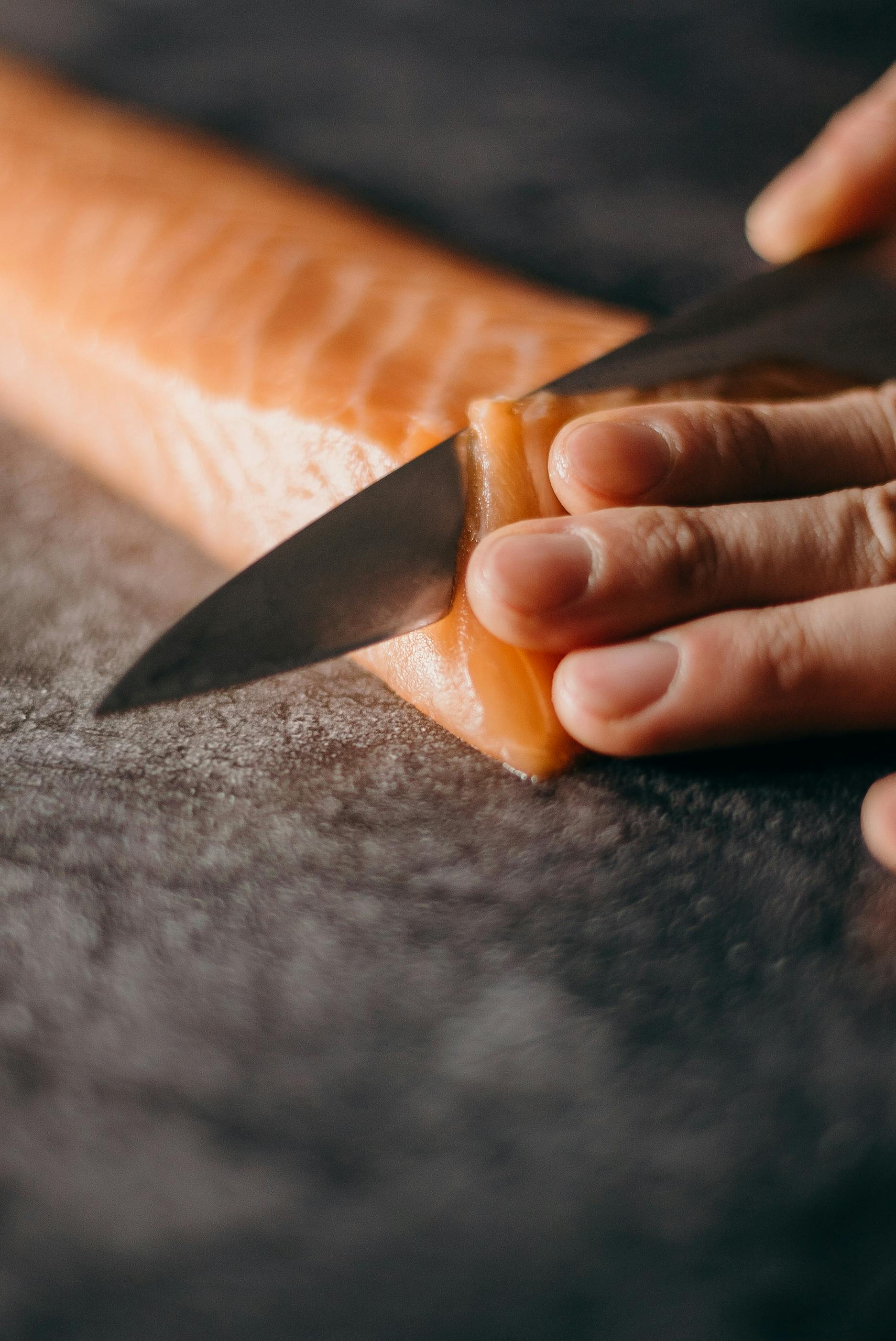
- Baked fish packets: Cod or salmon baked in foil with lemon, herbs, and a few thin potato slices, so the whole meal steams together and stays moist.
- Soft tofu stir‑fry: Silken or soft tofu gently cooked with thin‑sliced vegetables in a light soy‑ginger sauce, served with a scoop of rice.
The 2026 Evidence‑Based Message: Tools, Not Magic
By 2026, the tone of responsible GLP‑1 content has matured. The initial excitement has given way to more realistic conversations from physicians, registered dietitians, and obesity‑medicine specialists:
- GLP‑1s are powerful, but not the whole story. They work best alongside nutrient‑dense eating, regular activity, adequate sleep, and mental‑health support.
- Protein and resistance training are non‑negotiable allies. They help preserve muscle as your weight changes.
- Slow, sustainable weight loss is safer. Trying to “hack” the medication for extreme, rapid loss increases health risks.
- Long‑term habits matter. Many people will need long‑term or even lifelong therapy; building reasonable, enjoyable routines now helps for the future, whether you stay on the medication or not.
If you’re on a GLP‑1 or considering one, you deserve care that honors both your health and your humanity—food that nourishes you, fits your new appetite, and still brings a bit of pleasure to the table.

Practical Tips for Cooking and Eating Well on GLP‑1 Medications
To bring everything together, here’s a quick checklist you can keep on your fridge or phone as you navigate Ozempic, Wegovy, Mounjaro, or Zepbound:
- Plan protein first. Build each meal around a protein source, then add gentle carbs and vegetables.
- Cook in small batches. Prepare soups, stews, and mini portions so you’re not overwhelmed by huge leftovers.
- Use smaller plates and bowls. Visually satisfying portions help you honor both satiety and nutrition.
- Prioritize “soft and saucy.” Moist, tender foods are usually easier on a slower stomach.
- Sip fluids throughout the day. Especially if constipation is an issue, don’t wait to feel thirsty.
- Move your body. Gentle walking and light strength training can ease constipation, support mood, and protect muscle.
- Stay in touch with your care team. Report severe nausea, vomiting, abdominal pain, or signs of dehydration promptly.
