From Girl Dinner to Balanced Snack Plate: How to Build a Low-Effort, High-Satisfaction Meal
The ‘Girl Dinner’ vs. ‘Balanced Snack Plate’ Debate (With a Simple Recipe You’ll Actually Make)
The viral “girl dinner” trend—those low-effort, snacky plates of crackers, cheese, olives, and whatever-else-is-in-the-fridge—has become more than a joke on TikTok. It’s turned into a deep conversation about realistic meals, gentle nutrition, burnout, and how to nourish yourself when you’re tired or just not in the mood to cook.
Instead of shaming snack-style meals, many creators (especially dietitians) are nudging the trend toward something more satisfying: the balanced snack plate—still fun and casual, but with enough protein, fiber, and energy to leave you truly full and cared for.
Quick Recipe Snapshot: Balanced Snack Plate (Girl Dinner Upgrade)
Prep time: 10 minutes
Cook time: 0–8 minutes (optional for eggs/toast)
Total time: 10–15 minutes
Servings: 1 balanced plate (easily scaled)
Difficulty: Easy (beginner-friendly)
This “adult snack plate” keeps the cozy, pick-and-choose feeling of girl dinner, but anchors your meal with protein, colorful produce, slow-digesting carbs, and satisfying fats. Think: a tiny, no-pressure tasting table you can throw together any night of the week.
What Is “Girl Dinner”… and Why Did It Blow Up?
“Girl dinner” started on TikTok as a playful way to describe those lazy, snack-board dinners many of us secretly love: a handful of crackers, a few slices of cheese, maybe some olives, a little fruit—basically an impromptu charcuterie board built from fridge odds and ends.
It resonated because it felt:
- Realistic: After a long day, standing over a stove can feel impossible. A snack plate? Totally doable.
- Pretty: Small bites, little bowls, bright colors—very “Pinterest meets I’m exhausted.”
- Validating: It said out loud what many of us already do: sometimes dinner is just snacks, and that’s okay.
But as the trend grew, dietitians and mental health professionals noticed a pattern: many viral plates were very low in protein, fiber, and overall energy—sometimes barely enough for a snack, let alone dinner. That’s where the conversation shifted.
A low-effort meal can absolutely be nourishing—if we give it just a bit of intention.
From Viral Aesthetic to Gentle Nutrition
As “girl dinner” took off, a wave of “dietitian reacts” and stitched videos followed. The main concerns weren’t about individual plates, but about patterns over time:
- Protein gaps: Many plates leaned heavy on crackers, bread, and cheese, with little to truly keep you full.
- Low fiber: Without veggies or fruit, you miss out on fiber that supports digestion, blood sugar balance, and satiety.
- Energy shortfall: Some dinners were likely under 400 kcal—fine occasionally, but not enough night after night for most adults.
In response, creators started sharing “balanced snack plates” or “adult lunchables” that keep the same snacky format but aim for:
- A clear protein anchor (like eggs, cottage cheese, tofu, beans, or canned fish).
- Colorful produce for fiber, vitamins, and crunch.
- Satisfying fats from nuts, seeds, cheese, or olive oil.
- Carbs you actually enjoy (bread, crackers, fruit, or grains) for energy.
Underneath it all is a mental health message: your dinner doesn’t have to be impressive to be worthy. Low-effort is fine; undernourished doesn’t have to be.
Balanced Snack Plate Recipe (Customizable “Girl Dinner”
Think of this as a flexible formula, not a rigid recipe. We’ll build a plate with: 1 protein + 1–2 veggies + 1 fruit + 1 carb + 1 fat. Swap and play based on what you have.

Ingredients for One Balanced Snack Plate
Use this list as a mix-and-match template. Choose one option from each line (or more, if you’re extra hungry).
Protein (pick 1–2)
- 2 large boiled eggs, peeled
- ½ cup (120 g) cottage cheese or Greek yogurt
- 1 small can (85–100 g) sardines, tuna, or salmon, drained
- ½ cup (90 g) hummus or bean dip
- 100 g (3.5 oz) firm tofu, cubed or pan-seared
- 3–4 slices (60–80 g) deli turkey or chicken
Veggies (aim for 1–2 cups total)
- Handful of baby carrots
- 1 small cucumber, sliced into rounds or sticks
- 8–10 cherry tomatoes
- ½ bell pepper, sliced
- A few radishes, halved
Fruit (pick 1)
- 1 small apple or pear, sliced
- 1 clementine or small orange, peeled
- ½ cup (75 g) berries (strawberries, blueberries, raspberries)
- ½ grapefruit, segmented
Carbohydrates (pick 1)
- 6–8 whole-grain crackers
- 1 small slice (40–50 g) sourdough or whole-grain bread, toasted if you like
- ½ cup cooked quinoa or brown rice (served chilled or room temp)
- 1 small pita (or ½ large) cut into wedges
Fats & Extras (pick 1–2)
- Small handful (15–20 g) of nuts (almonds, walnuts, pistachios)
- 1–2 tbsp seeds (pumpkin, sunflower) sprinkled over dips or yogurt
- 20–30 g (¾–1 oz) cheese (feta, cheddar, goat cheese)
- 1–2 tsp olive oil drizzled over veggies or protein
- Pickles or olives for a salty bite (count as an extra, not a veggie)
Equipment You’ll Need
- 1 medium or large plate or small board (for serving)
- 1 small bowl for dips, cottage cheese, or yogurt
- Knife and cutting board for slicing fruit and veg
- Optional: small pot for boiling eggs or cooking grains
Step-by-Step: How to Build a Balanced Snack Plate
You can assemble this in 10 minutes or less, especially if you keep a few ready-to-eat proteins on hand.

- Pick your protein anchor.
Decide what sounds good and what you have energy for: eggs, cottage cheese, canned fish, hummus, tofu, deli meat—whatever feels easiest. - Prep the protein (if needed).
Boil eggs, sear tofu, or simply open and drain a can of fish. Spoon cottage cheese, yogurt, or hummus into a small bowl and place it on your plate. - Add 1–2 cups of veggies.
Rinse and slice your vegetables. Arrange baby carrots, cucumber sticks, cherry tomatoes, or bell pepper slices in clusters around the protein. - Add a piece of fruit.
Slice an apple or pear, peel a clementine, or rinse some berries. Tuck them into a corner of the plate for sweetness and color. - Choose your carb.
Add a small slice of bread, a pile of whole-grain crackers, or a scoop of chilled grains. Place them near your protein or dip so you can mix and match bites. - Finish with fats and extras.
Scatter nuts or seeds, add a few cubes of cheese, or drizzle a little olive oil over your veggies. If you love briny flavors, add a couple of olives or pickles. - Check in with your hunger.
Pause and ask: Does this look like enough for me right now? If it feels light, add another protein portion, more crackers, or an extra handful of nuts. - Serve and enjoy—no perfection required.
Sit down, take a breath, and let this be enough. Eat the components in whatever order feels fun and satisfying.
Tips, Variations & Dietary Swaps
High-Protein Girl Dinner Ideas
- Cottage cheese + cherry tomatoes + cucumbers + whole-grain crackers + pistachios
- Canned tuna mixed with olive oil + bell pepper strips + apple slices + sourdough toast
- Hummus + roasted chickpeas + carrots + pita wedges + olives
Vegetarian & Vegan Snack Plate Swaps
- Use hummus, bean dips, tofu, tempeh, or lentil salad as your protein base.
- Swap cheese for roasted nuts, seeds, or avocado slices for healthy fats.
- Pair whole-grain crackers or bread with nut butter and fruit for a sweet-leaning plate.
Gluten-Free Options
- Choose gluten-free crackers or seed crackers.
- Use corn tortillas cut into wedges instead of pita or bread.
- Rely on potatoes (pre-roasted), quinoa, or rice as your carb base.
Make-Ahead, Storage & Reheating
Snack plates are perfect for meal prep because most components are great cold.
- Prep ahead: Wash and cut veggies, boil eggs, cook grains, and portion nuts into small jars or containers once or twice a week.
- Fridge storage: Store ingredients separately in airtight containers for 3–4 days. Keep cut fruit in its own container to prevent sogginess.
- Reheating: Most components are eaten chilled or room temp. Toast bread or warm grains right before serving if you enjoy a temperature contrast.
- Grab-and-go: Assemble snack-plate “bento boxes” in advance with compartments for protein, veg, fruit, and carbs for easy lunches.
Serving Ideas & Complementary Dishes
A balanced snack plate can be:
- A light but filling summer dinner when it’s too hot to cook
- A cozy solo movie-night meal you can graze on slowly
- A work-from-home lunch that feels fun instead of fussy

To make it more substantial or social:
- Pair with a simple brothy soup or side salad.
- Make a large board and let friends build their own balanced girl dinners.
- Add a small dessert—like a square of dark chocolate or a cookie—if that makes the meal feel complete to you.
What This Trend Says About How We Eat Now
“Girl dinner” has become a kind of cultural mirror. It reflects:
- Time scarcity: Many of us are juggling work, care, and life—and elaborate dinners aren’t always realistic.
- Body image pressures: Some plates, intentionally or not, echoed patterns of under-eating and restriction.
- A desire for ease and play: Snack plates feel low-stakes, customizable, and a bit whimsical.
The evolution into “balanced snack plates” and “adult lunchables” shows a hopeful shift: we’re allowed to want convenience and aesthetics, and we’re allowed to want enough food.

Balanced Snack Plate Formula (At-a-Glance)
When in doubt, build your “girl dinner” using this simple template:
- 1 protein: eggs, cottage cheese, yogurt, hummus, beans, tofu, fish, or deli meat
- 1–2 veggies: crunchy, colorful, and easy to dip or snack on
- 1 fruit: fresh, juicy, or bite-sized
- 1 carb: whole-grain crackers, bread, rice, quinoa, or potatoes
- 1 fat: nuts, seeds, cheese, avocado, olives, or olive oil
From there, adjust the portions to your hunger, your schedule, and your mood. The goal isn’t perfection—it’s caring for yourself with the energy you have.
Visual Inspiration: Balanced Snack Plates
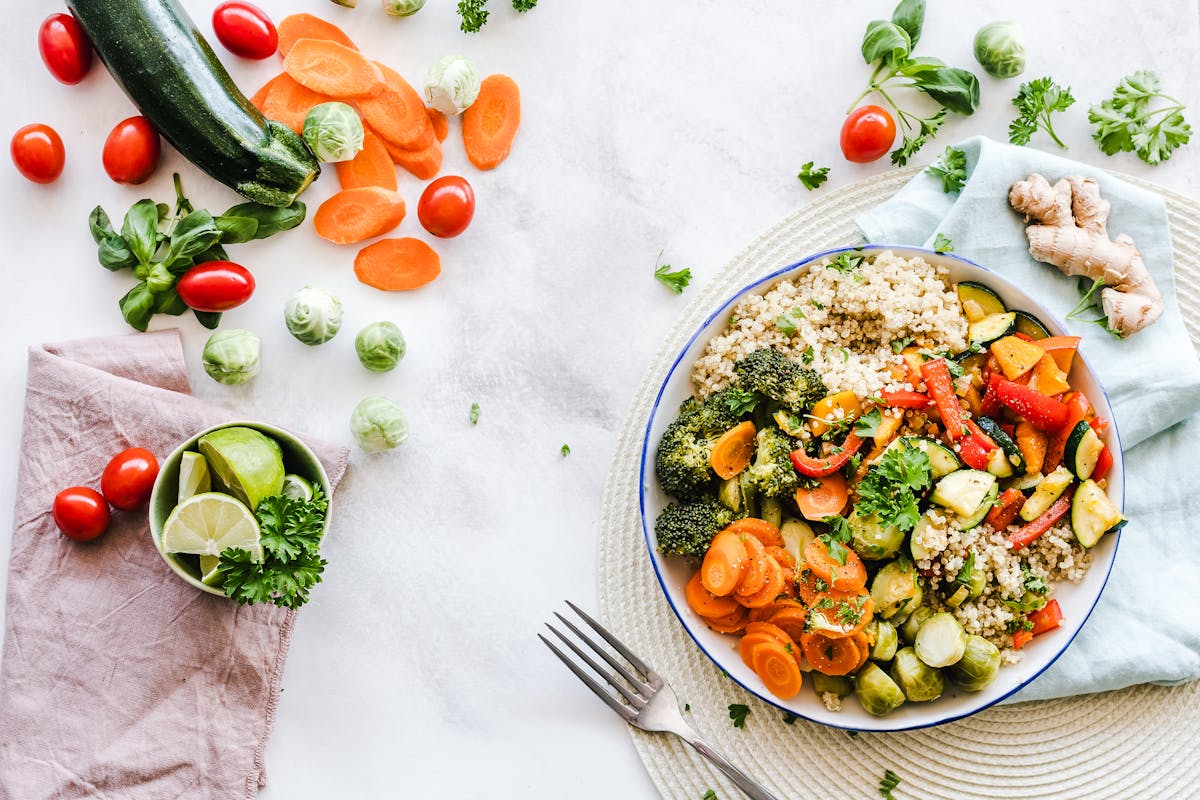
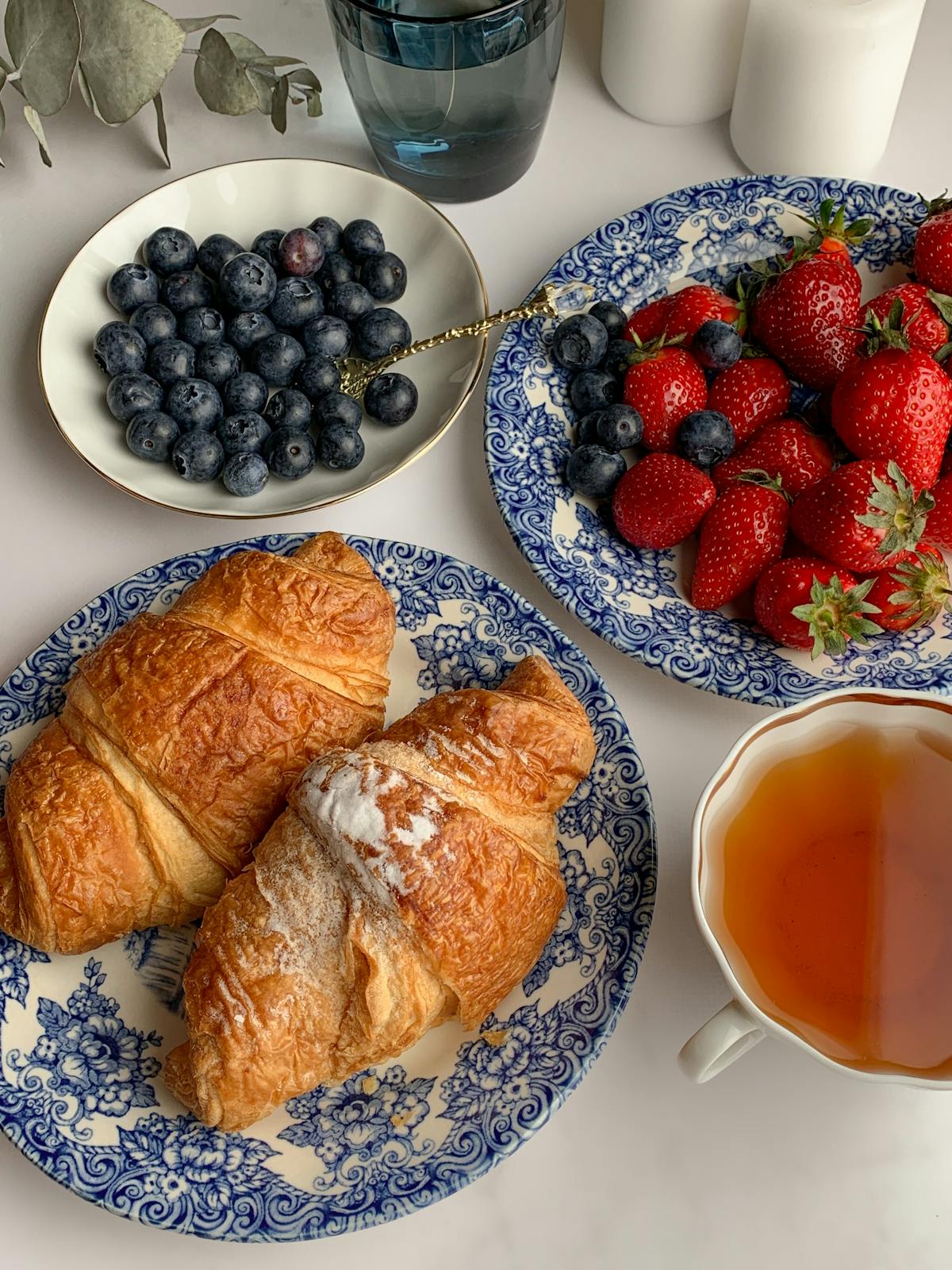
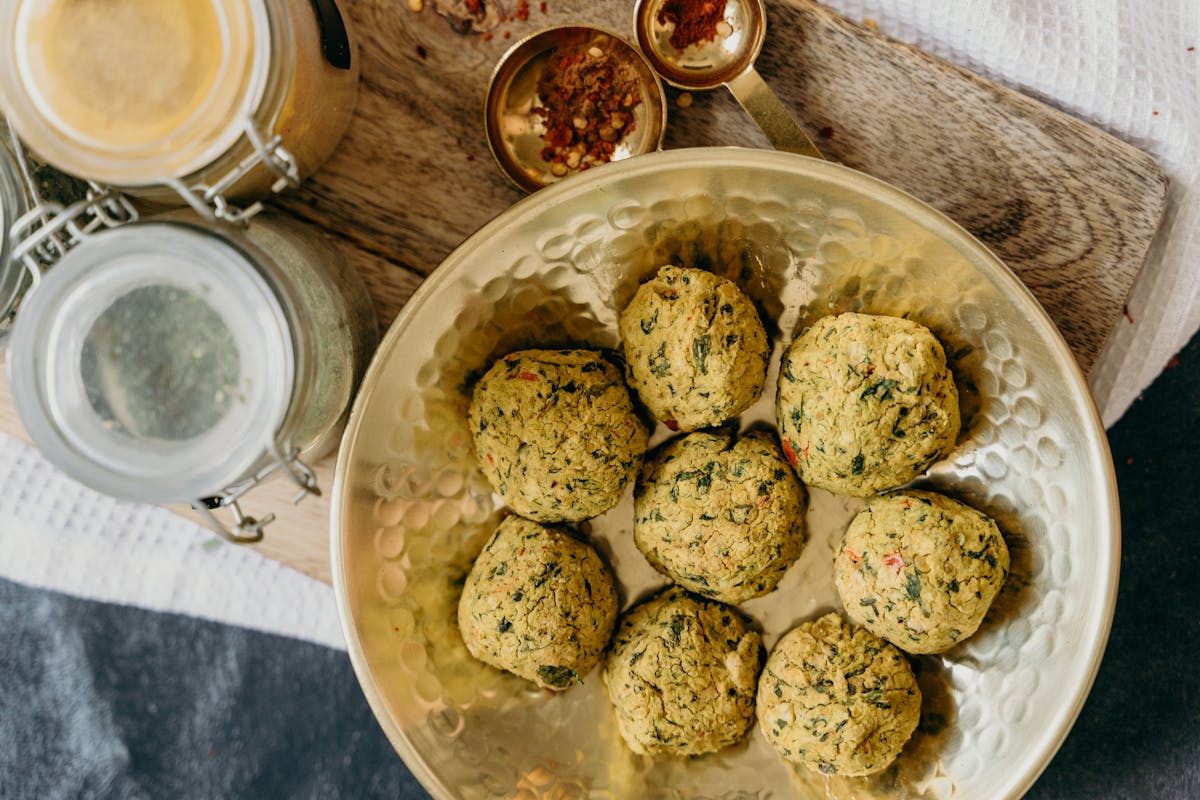
Here are a few more ideas to spark your creativity the next time you open the fridge and think, “Dinner… but make it snacks.”