Protein-First Cooking: High-Protein, Comfort-Food Recipes for a Metabolic Reset
The Rise of the Protein‑First Kitchen
The “protein‑first” diet is having a real moment in home kitchens: instead of obsessing over cutting every gram of carbohydrate, you simply make sure protein takes center stage on your plate, then round things out with colorful vegetables, fiber‑rich carbs, and healthy fats. It’s a warm, practical middle ground between strict keto and old‑school low‑fat diets, and it pairs beautifully with comforting, home‑cooked recipes.
Think of it as a gentle metabolic reset rather than a 30‑day punishment: you aim for a daily protein target (often in the range of 1.6–2.2 g per kilogram of body weight, ideally tailored with professional guidance), build satisfying meals around lean protein, and let your hunger cues calm down as your muscles and blood sugar thank you.

Below, you’ll find a complete, high‑protein, moderate‑carb dinner recipe designed for the protein‑first lifestyle, plus plenty of tips, substitutions, and storage advice to keep things stress‑free for home cooks at every level.
Why the Protein‑First Diet Is Trending
Across social media, fitness channels, and nutrition podcasts, you’ll hear the same refrain: people are exhausted by extreme restriction. Keto, OMAD (one‑meal‑a‑day), and ultra low‑carb plans often work quickly, but many find they’re hard to live with long‑term. Protein‑first eating offers a softer, more sustainable structure.
- Sustainability over extremes: You can still enjoy fruit, whole grains, and the occasional dessert while keeping protein and overall calories in check.
- Better body composition: Higher protein supports lean‑mass preservation during weight loss and can aid “body recomposition” when paired with resistance training.
- Natural appetite control: The protein leverage hypothesis suggests we eat until our protein needs are met. Front‑loading protein often quiets snacky cravings without rigid macro counting.
- Metabolic support: Higher protein and fiber, and starting meals with protein, can help blunt blood‑sugar spikes—especially relevant for people managing prediabetes, PCOS, and midlife weight changes.
Recipe: Protein‑First Lemon Garlic Chicken Bowls (High‑Protein, Moderate‑Carb)
This vibrant, high‑protein bowl is built exactly the way a protein‑first plate should be: a generous bed of lean chicken, a big, colorful pile of vegetables, and a moderate scoop of hearty carbs for energy. The lemon‑garlic marinade perfumes the kitchen as it cooks, giving you juicy, golden‑brown chicken with minimal effort.
I like to batch‑cook a tray of this on Sunday evening; by Monday, the fridge is stocked with delicious grab‑and‑reheat lunches that feel more like a cozy café meal than “diet food.”
Prep time: 20 minutes
Cook time: 25–30 minutes
Total time: ~45–50 minutes
Servings: 4 bowls
Difficulty: Easy–Intermediate
Diet: High‑protein, moderate‑carb, gluten‑free (with GF soy sauce or tamari)
Ingredients
These amounts make about 4 generous protein‑first bowls. Feel free to scale up for meal prep.
For the Lemon Garlic Chicken
- 800 g (about 1.75 lb) boneless, skinless chicken breast or thighs, trimmed
- 2 tbsp extra‑virgin olive oil
- 3 tbsp fresh lemon juice (about 1 large lemon)
- 1 tsp finely grated lemon zest (optional but very aromatic)
- 3–4 cloves garlic, finely minced or grated
- 1.5 tsp fine sea salt (divided; adjust to taste)
- 0.5 tsp freshly ground black pepper
- 1 tsp dried oregano or Italian seasoning
- 0.5 tsp smoked paprika (for color and depth)
For the Vegetables
- 2 medium bell peppers (any color), sliced into strips
- 1 medium red onion, sliced into wedges
- 200 g (about 7 oz) broccoli florets
- 1 medium zucchini, sliced into half‑moons
- 1–1.5 tbsp olive oil
- 0.5 tsp sea salt
- 0.25 tsp black pepper
- 0.5 tsp garlic powder or granules
For the Moderate‑Carb Base
- 1 cup (raw) brown rice, quinoa, or a 50:50 mix (makes about 3 cups cooked)
- Pinch of salt for cooking water or broth
Optional High‑Protein Toppings
- 150 g (about 5 oz) plain non‑fat Greek yogurt or skyr
- 1 tbsp lemon juice
- 1 small garlic clove, grated
- Fresh herbs (parsley, dill, or cilantro), chopped
- 1–2 tbsp crumbled feta or grated hard cheese (optional)
Equipment Needed
- Cutting board and sharp knife
- Mixing bowl for marinade
- Measuring spoons and cups or a kitchen scale
- Large baking sheet (or two) for roasting
- Parchment paper or a silicone baking mat (optional, for easier cleanup)
- Medium saucepan with lid for rice/quinoa
- Tongs or a spatula
- Food thermometer (recommended for safe chicken cooking)
Step‑by‑Step Instructions
Follow these numbered steps for a smooth, stress‑free cook. The photos illustrate key moments so you can check your textures and doneness.

- Cook the rice or quinoa.
Rinse 1 cup of brown rice or quinoa under cold water. Add to a saucepan with 2 cups water (or broth) and a pinch of salt. Bring to a boil, then reduce heat to low, cover, and simmer:- Brown rice: about 35–40 minutes
- Quinoa: about 15 minutes
- Prepare the lemon‑garlic marinade.
In a large bowl, whisk together olive oil, lemon juice, lemon zest, minced garlic, 1 tsp of the salt, black pepper, oregano, and smoked paprika until well combined. - Marinate the chicken.
Pat the chicken dry with paper towels. Cut into large bite‑sized chunks or leave breasts/thighs whole if you prefer slicing after cooking. Add the chicken to the bowl, toss to coat thoroughly, and let sit for at least 15 minutes at room temperature (or cover and refrigerate up to 6–8 hours). - Preheat your oven.
Preheat to 220 °C / 425 °F. Line a baking sheet with parchment for easier cleanup. - Prep the vegetables.
While the oven heats and the chicken marinates, slice the bell peppers, red onion, broccoli, and zucchini. In a separate bowl, toss vegetables with 1–1.5 tbsp olive oil, remaining 0.5 tsp salt, pepper, and garlic powder. - Arrange on the baking sheet.
Spread the vegetables out over two‑thirds of the baking sheet in a single layer. Place the marinated chicken pieces on the remaining space, leaving a little room between pieces so they roast instead of steam. - Roast until golden and cooked through.
Roast for 20–25 minutes, stirring vegetables halfway. If using larger whole chicken breasts or thighs, you may need 5–10 minutes more. Use a food thermometer to ensure the thickest part of the chicken reaches 74 °C / 165 °F. - Optional: Broil for extra char.
For slightly crispy edges and deeper flavor, switch to broil for 2–3 minutes at the end, watching closely to avoid burning. - Make the high‑protein yogurt drizzle.
In a small bowl, stir together Greek yogurt, lemon juice, grated garlic, a pinch of salt, and chopped herbs until smooth. Taste and adjust salt or lemon. - Assemble the protein‑first bowls.
To each bowl, add:- About 3/4 cup cooked rice or quinoa (moderate carb base)
- A generous scoop of roasted vegetables
- 120–150 g (about 4–5 oz) cooked chicken
- Taste and adjust.
This is your moment: if it needs more brightness, add a squeeze of lemon; if it tastes a bit flat, a pinch of salt can wake everything up. Serve warm.

Protein‑First Cooking Tips & Variations
Once you understand the protein‑first framework, you can riff endlessly. Here’s how to adapt this recipe to your tastes, dietary needs, and what’s in your fridge.
Protein Swaps
- Tofu or tempeh (vegetarian/vegan): Use 400–500 g firm tofu or tempeh. Press tofu to remove excess moisture, then marinate and roast as described. Swap Greek yogurt sauce for a tahini‑lemon drizzle to keep it vegan.
- Fish: Thick white fish fillets or salmon work beautifully. Reduce roasting time to 12–18 minutes depending on thickness.
- Legume boost: Add 0.5 cup cooked chickpeas or lentils to each bowl for extra fiber and plant protein.
Carb Adjustments (Moderate‑Carb to Lower‑Carb)
- Moderate‑carb: Stick with about 3/4 cup cooked rice or quinoa per bowl.
- Lower‑carb: Halve the grains and add extra vegetables or cauliflower rice.
- Higher‑carb (for athletes): Increase grains to 1–1.25 cups cooked per serving if you’re very active and need more fuel.
Flavor Variations
- Mediterranean: Add olives, cherry tomatoes, and extra oregano; use feta and fresh parsley on top.
- Spicy chili‑garlic: Add red pepper flakes or a spoon of chili paste to the marinade.
- Herb‑garden style: Toss in basil, dill, or cilantro at the end for a burst of freshness.
How This Fits a Protein‑First, Metabolic‑Friendly Diet
A well‑built protein‑first bowl like this one checks off several nutritional boxes at once:
- High protein: A typical serving with chicken and Greek yogurt easily delivers 35–45 g protein, supporting muscle preservation and satiety.
- Moderate carbs: Whole‑grain rice or quinoa provides steady energy and fiber without the blood‑sugar roller coaster of refined starches.
- Healthy fats: Olive oil and optional feta or nuts help with hormone health and keep the meal satisfying.
- Micronutrients & fiber: A rainbow of vegetables brings vitamins, minerals, and gut‑loving fiber for digestion and fullness.
Many people find that when they prioritize a solid hit of protein at each meal, they naturally snack less and feel calmer around food—without needing to weigh every bite.
Storage & Reheating
This recipe was designed with meal prep in mind—perfect for a protein‑first week.
- Fridge: Store cooked chicken, vegetables, and grains in separate airtight containers for up to 3–4 days. Keep the yogurt sauce covered and chilled and use within 3–4 days.
- Freezer: You can freeze the cooked chicken and grains (without yogurt sauce) for up to 2–3 months. Vegetables may soften but are still tasty in reheated bowls.
- Reheating: Reheat chicken and grains in the microwave (1–2 minutes, stirring halfway) or in a covered pan with a splash of water over medium heat until hot. Add fresh or reheated veggies, then finish with cold yogurt sauce on top for a nice contrast.
Serving Suggestions & Complementary Dishes
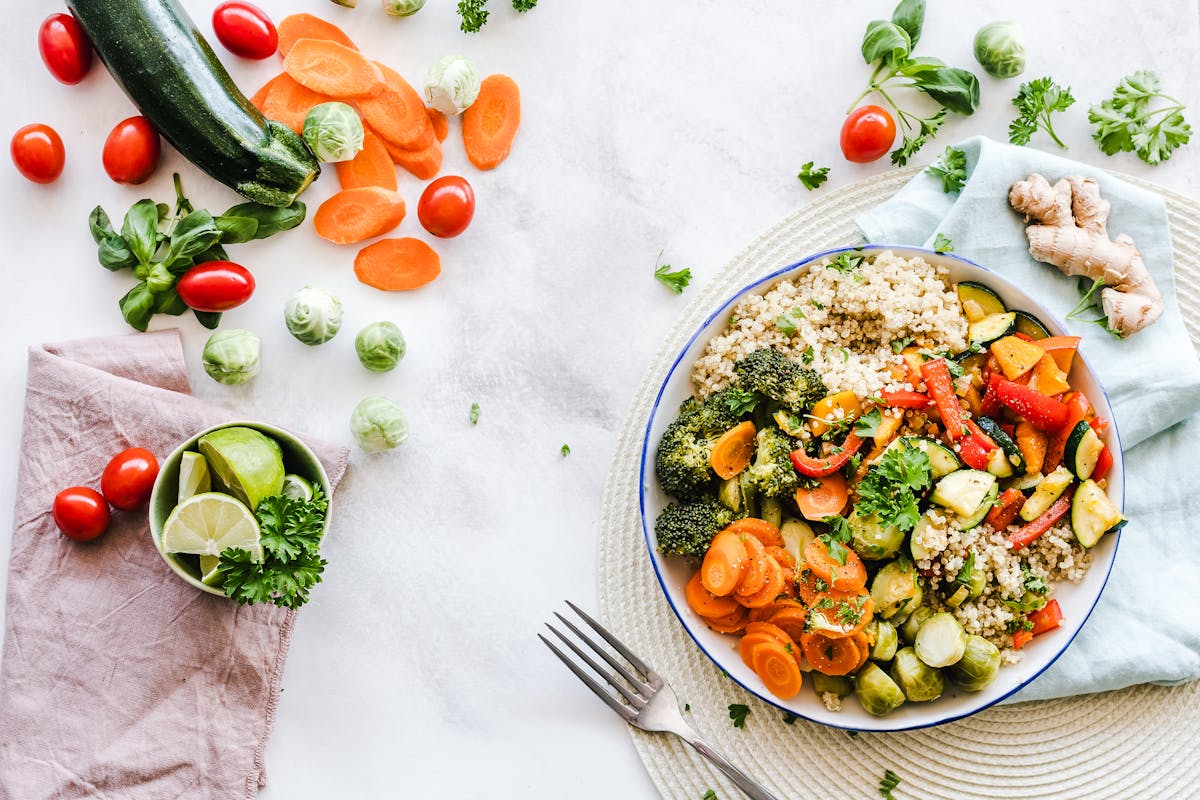
To turn this bowl into a full protein‑first menu for the day or for guests, try pairing it with:
- Starter: A simple green salad with a light vinaigrette, or a small bowl of vegetable soup.
- Side: Steamed green beans with slivered almonds, or roasted cauliflower for extra veggies.
- Protein‑friendly dessert: Greek yogurt with berries and a sprinkle of chia seeds or a small square of dark chocolate.
- Breakfast idea: Keep the protein‑first theme going with high‑protein yogurt bowls, scrambled eggs with egg whites, or protein oatmeal made with added whey or plant protein.
However you serve it, let protein be your anchor—then enjoy playing with flavors, colors, and textures on the rest of your plate.