
Nothing Can Go Wrong at Symphony Hall? Why One Letter Has Boston’s Classical Scene Talking
A sharply worded audience letter about Symphony Hall and the Boston Symphony Orchestra (BSO) has gone semi-viral in classical music circles, capturing public frustration with management while spotlighting the fragile bond between loyal subscribers and the institutions they support.
Nothing Can Go Wrong at Symphony Hall? Inside the Audience Backlash Behind Slipped Disc’s Latest Viral Letter
When a classical audience member is annoyed enough to write to a local newspaper, and that letter ends up on Norman Lebrecht’s influential blog Slipped Disc, you know something’s brewing in Symphony Hall. The piece titled “Nothing can go wrong when you’re in Symphony Hall? An audience member writes …” has become a lightning rod for debate about how orchestras treat their core supporters in 2026.
The letter—short, witty, and clearly written by a long-time subscriber—takes aim not at the music itself, but at the experience around it: communication missteps, perceived indifference from management, and the creeping sense that loyal patrons are being taken for granted.
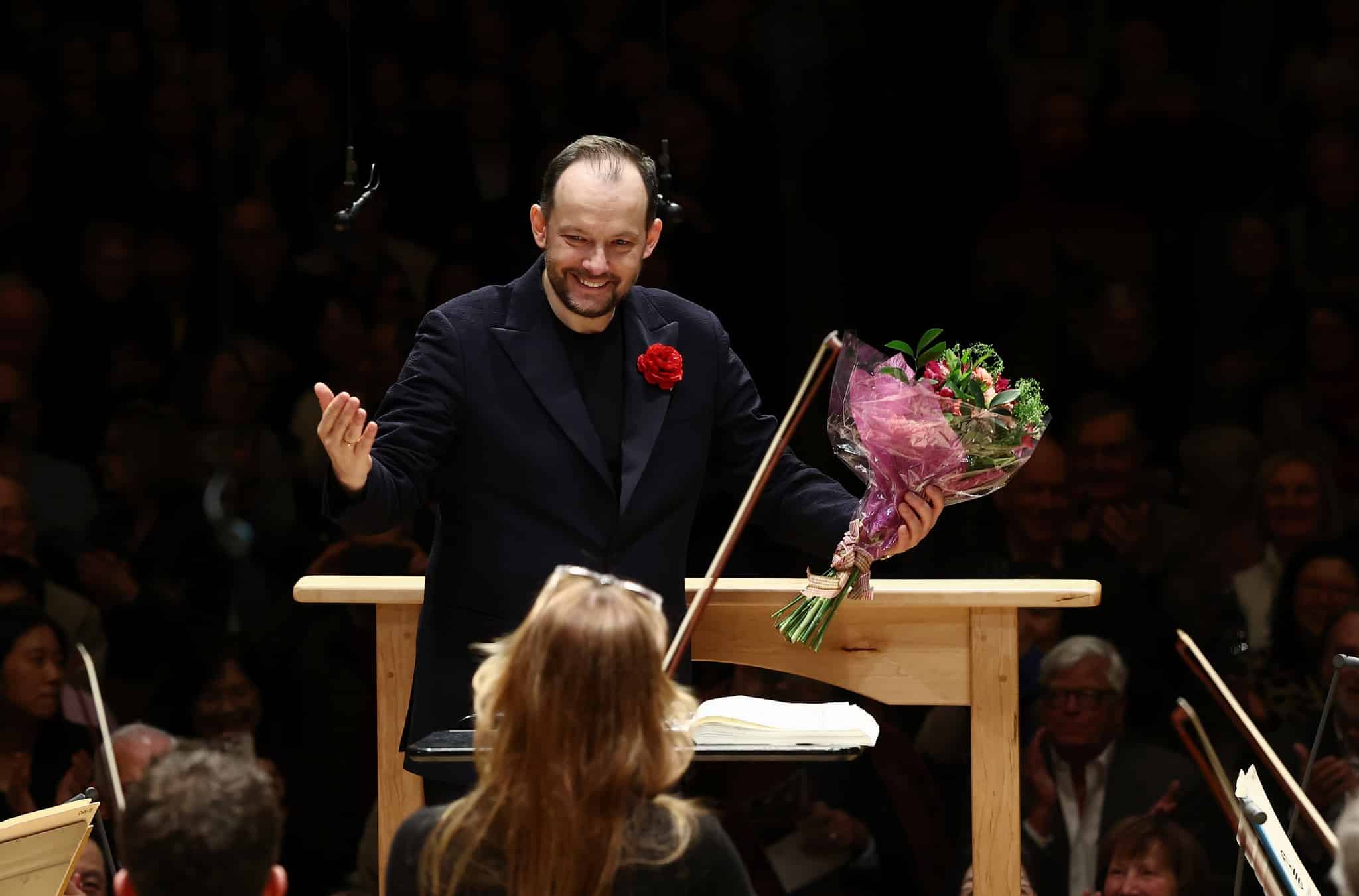
What Sparked the Symphony Hall Uproar?
The Slipped Disc post references a letter published in a local Boston-area newspaper, now circulating online, which channels the mood of what the blog calls “a public that feels pushed around.” While the full text isn’t reproduced in the snippet, the framing tells us plenty:
The Trustees must be receiving a shoal of protest mail from loyal subscribers but the following communication, published in a local newspaper, captures with concision and wit the mood of a public that…
Read between the lines and you can reconstruct the situation. This is almost certainly about:
- Subscribers angered by perceived tone-deaf decisions by the BSO Trustees.
- Changes to programming, seating, pricing, or policies rolled out with minimal consultation.
- A feeling that the “loyal core” of classical audiences—often older, long-standing donors—is being sidelined in the rush to modernize.
In other words, it’s less about whether Mahler was played well and more about whether the people paying to hear Mahler feel respected. And that’s where this blows up from a local spat into something industry-wide.
The Power of the Well‑Written Complaint: Why This Letter Landed
Classical music fans write angry emails all the time. What made this one rise to the surface is its tone: wry, concise, and clearly written by someone who knows the institution inside out. That combination is catnip for a site like Slipped Disc, which thrives on airing tensions inside the classical world.
Letters like this matter because they come from the audience segment that orchestras can’t afford to lose:
- Long-term subscribers who renew season after season.
- Middle- and high-tier donors who quietly underwrite programming.
- Informal ambassadors who bring friends, family, and co-workers to Symphony Hall.
When that group starts writing public letters, it’s a warning flare: the “relationship capital” between hall and audience is being spent faster than it’s being rebuilt.
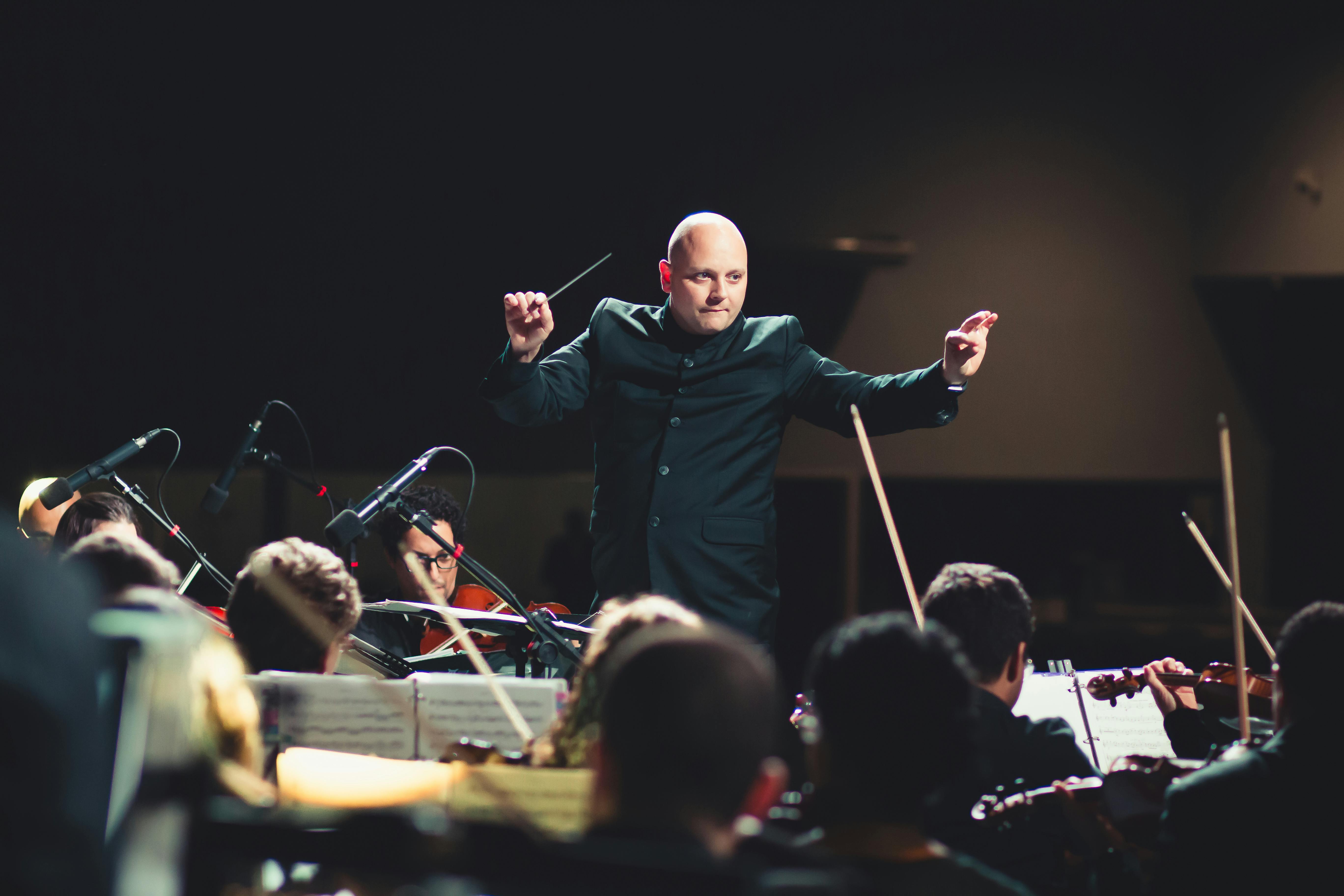
Orchestral Politics 101: Trustees, Management, and the Loyal Subscriber
The mention of “Trustees” is a crucial detail. In the orchestral ecosystem, Trustees sit at the uneasy intersection of art, money, and ego. They’re the people tasked with:
- Approving budgets and major hires (including music directors).
- Balancing tradition with the push for new audiences.
- Keeping major donors happy while also maintaining public goodwill.
A wave of protest letters suggests that some recent decision—possibly around programming, pricing, or even handling of controversial repertoire or guest artists—has alienated a vocal slice of the BSO community.
“The most dangerous phrase in the language is ‘Our audience will put up with it.’”
— a line that could have been lifted from any number of orchestra strategy meetings over the past decade.
The broader pattern, seen from London to Los Angeles, is that when boards underestimate how much emotional ownership subscribers feel, backlash is swift—and very public.

Slipped Disc’s Role: Amplifier, Agitator, or Both?
Norman Lebrecht’s Slipped Disc has long occupied a peculiar niche in the classical ecosystem: part gossip column, part industry trade, part public square. When it highlights an audience letter, it’s not just reporting; it’s curating a mood.
Over the past decade, the blog has:
- Chronicled orchestra strikes, conductor controversies, and programming battles.
- Platformed anonymous insiders and disillusioned patrons.
- Influenced how insiders talk about institutions like the BSO, Berlin Philharmonic, or New York Philharmonic.
That doesn’t mean every take is gospel. Critics argue that the site can inflame rather than clarify. But in this case, highlighting a smartly written letter is squarely in the public-interest camp: it forces a major institution to hear the people who fund it—not just the donors in the front row, but the subscribers in the cheap seats.
When the Hall Is Perfect but the Experience Isn’t
The irony is baked into the headline: “Nothing can go wrong when you’re in Symphony Hall” is almost certainly meant to be ironic. Acoustically, the place is near-perfect. But the 2026 concert experience is about far more than sound:
- Ticketing: opaque fees, seat changes, or confusing subscription rules.
- Communication: last-minute program swaps, COVID-era policy shifts, or vague emails.
- Audience policies: attitudes to late seating, phones, and dress that can feel either too strict or too lax.
- Programming shifts: new-music champions vs. traditionalists, and how those tensions are handled.
If this letter is hitting a nerve, it’s because it suggests that even a temple of high culture like Symphony Hall isn’t immune to the same customer-experience complaints that plague airlines, streaming services, or sports franchises.

Strengths and Weaknesses of the Public Backlash
As cathartic as these letters can be, they’re not unproblematic. A balanced look at the “Symphony Hall letter” moment reveals both upsides and drawbacks:
What this backlash gets right
- Accountability: It reminds Trustees and management that audiences are paying close attention.
- Clarity: A concise, well-argued letter can cut through PR language and say what many are thinking.
- Visibility: By landing on Slipped Disc, an otherwise local issue gets international scrutiny.
Where it risks missing the mark
- Lack of full context: Without the full decision-making background, outside readers fill in gaps with assumptions.
- Echo-chamber effect: Online commenters tend to be the angriest voices, which can distort the perceived consensus.
- Short-term heat vs. long-term change: Public shaming can provoke quick fixes but doesn’t always lead to deeper structural reform.
“Orchestras are not just cultural institutions; they’re relationships. If you ignore one party long enough, they will eventually start shouting.”
— A common refrain among arts marketers in the 2020s.
A Wider Pattern: From Boston to the Global Classical Stage
Zoom out from Boston and this is part of a global storyline in classical music:
- London orchestras have wrestled with venue upheavals, funding cuts, and the politics of state support.
- American ensembles have faced strikes, pandemic hangovers, and the pressure to diversify programming without alienating legacy patrons.
- Continental European halls are negotiating generational shifts—how to keep younger listeners coming without turning every concert into a crossover spectacular.
The Boston Symphony Orchestra, with its prestige, touring profile, and Grammy-winning discography, often serves as a bellwether for the American orchestral scene. If its subscribers are this restless, it’s a warning to smaller organizations that don’t have the BSO’s endowment to fall back on.
Where Symphony Hall Goes From Here
So what does this mini-uproar actually change? In the short term, probably some intense email chains between Trustees, management, and the BSO’s communications team. But if institutions are paying attention, they’ll see this as an opportunity rather than just bad press.
- Radical transparency: Explain the “why” behind unpopular decisions, not just the “what.”
- Subscriber listening sessions: Treat loyal audience members like stakeholders, not just customers.
- Two-way communication: Make it easy to give feedback—and be seen responding to it.
The romance of Symphony Hall has always been that once you’re inside, the outside world falls away. The lesson of this letter is that, in 2026, that’s no longer quite true. Digital discourse, governance transparency, and audience expectations all now follow you right into the hall.
If Boston—and institutions like it—can channel this moment into more open, respectful dialogue with their most loyal listeners, the result could be a stronger, not weaker, bond between orchestra and audience. If they don’t, expect more letters, more headlines, and more questions about who classical music’s grandest halls are really for.

Metadata
Below is structured data in JSON-LD format for search engines and entertainment news aggregators.
