
Bill Cosby’s $60 Million Civil Verdict: What the Landmark Case Means for Hollywood and #MeToo
A Southern California jury has awarded nearly $60 million to a woman who says Bill Cosby sexually abused her more than five decades ago. The civil verdict, announced on Monday, is one of the largest financial judgments yet tied to the once-revered entertainer, and it lands in a Hollywood still reckoning with the long tail of the #MeToo movement and the power structures that protected big-name stars for generations.
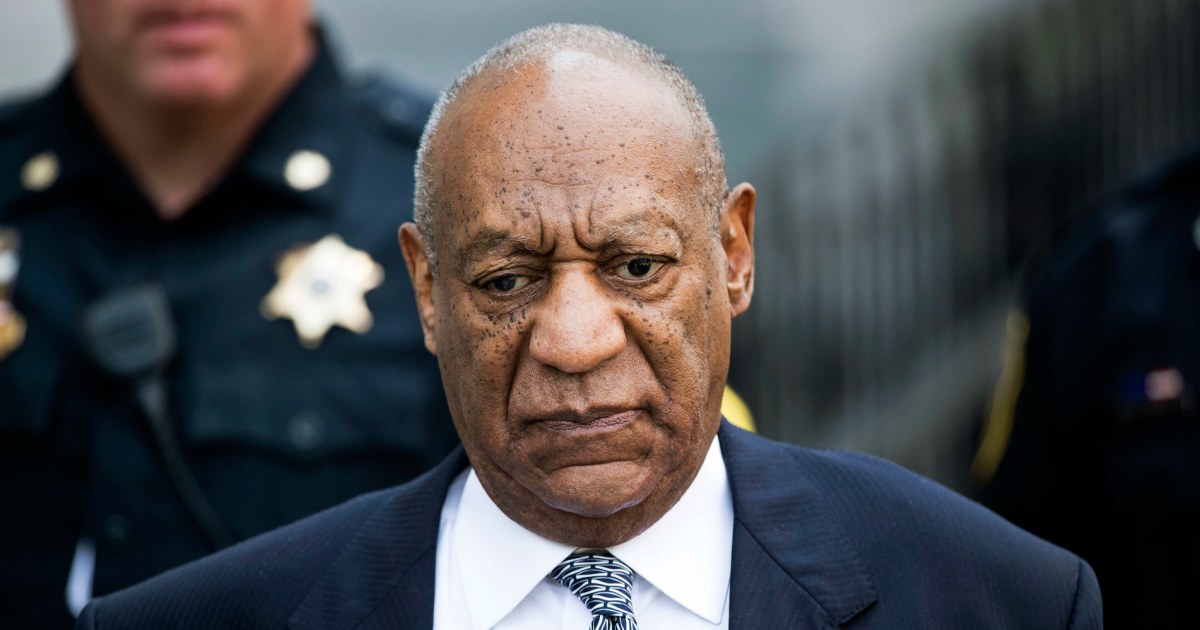
A landmark civil verdict in the long-running Bill Cosby saga
More than fifty years after the alleged assault, the jury’s decision doesn’t just add another chapter to Cosby’s legal history; it also raises fresh questions about how entertainment icons are remembered, how civil courts handle historical abuse cases, and what meaningful “justice” can look like this long after the fact.
Bill Cosby’s fall from “America’s Dad” to serial-accusation headline
For much of the 1980s and 1990s, Bill Cosby was safe, family-friendly primetime TV. The Cosby Show helped define network sitcoms, and his public persona as a paternal moral guide made him one of the most trusted figures in American entertainment. That image began to fracture publicly in the mid-2000s, and then imploded around 2014, when a wave of women came forward with remarkably similar accounts of alleged drug-facilitated sexual assaults dating back decades.
Cosby was criminally convicted in Pennsylvania in 2018 of aggravated indecent assault, only to have that conviction overturned in 2021 on due-process grounds related to a prior non-prosecution agreement. He left prison but walked into a patchwork of civil lawsuits in multiple states, the latest of which has now resulted in this massive California verdict.
“Cosby’s legal odyssey is less about one man and more about how the system historically treated accusations against powerful entertainers. These civil verdicts are a delayed echo of cultural conversations that were muted for decades.”
— Entertainment law analyst, quoted in recent coverage
Understanding this new verdict means zooming out: it’s not happening in a vacuum but at the intersection of changing statutes of limitations, post–#MeToo accountability, and Hollywood’s ongoing PR battle over who it chooses to platform, protect or quietly sideline.
Inside the nearly $60 million verdict: what the jury actually decided
The Southern California jury’s award—approaching $60 million—signals that they found the plaintiff’s account credible and the harm extensive, even half a century later. While the detailed breakdown of compensatory versus punitive damages will matter on appeal, the headline number alone functions as a cultural message: the cost of alleged abuse by a powerful star is no longer just reputational; it’s financial, and it can be staggering.
- Sexual battery finding: The jury determined that Cosby was liable for sexual battery tied to conduct alleged to have occurred more than 50 years ago.
- Emotional and long-term harm: Testimony focused on decades of psychological impact rather than purely physical injury.
- Pattern evidence: Jurors were exposed to evidence and testimony that framed this case alongside a broader alleged pattern of similar behavior.
Civil trials like this operate on a “preponderance of the evidence” standard—meaning jurors had to believe it was more likely than not that the abuse occurred. That threshold is lower than “beyond a reasonable doubt” in criminal court, which explains why civil suits can succeed even where criminal charges are impossible due to time limits or technical issues.
How changing laws made this decades-old case possible
A key piece of the story is timing. Traditionally, survivors of sexual assault faced strict statutes of limitations: if they didn’t file within a narrow window, their claims were gone, no matter how compelling. In recent years, several states—California among them—have passed “lookback window” laws that temporarily reopen the ability to file civil claims from long ago.
These reforms were directly influenced by high-profile abuse scandals, from Harvey Weinstein to the music industry, organized sports and religious institutions. Legislators began to recognize how power, career fears and trauma can delay reporting, especially when the alleged abuser is a household name with a PR machine behind them.
- Extended civil windows: Survivors gain a finite period—sometimes a year or two—to bring older claims.
- Institutional accountability: Laws increasingly allow suits not just against individuals, but the companies and institutions that allegedly enabled them.
- Cultural shift: High-profile verdicts feed back into legislative debates, reinforcing the idea that justice shouldn’t be strictly time-barred in cases of serious abuse.

This new Cosby verdict sits squarely within that legal evolution, underscoring how policy changes driven by cultural movements can have very concrete consequences years later.
What this means for Hollywood: residuals, reruns and reputational risk
Long before this verdict, Cosby’s professional world had already contracted. Reruns of The Cosby Show were pulled from several U.S. networks, comedy tours stalled, and his once near-universal brand appeal evaporated. But a civil award this large nudges the conversation from cancellation into the realm of long-term financial liability for studios, networks and insurers.
- Insurance and contracts: Studios may increasingly draft morality clauses and insurance policies with historic abuse claims in mind.
- Catalog curation: Streamers already weigh whether the value of keeping a disgraced star’s work available outweighs potential backlash.
- Due diligence: Casting and greenlighting decisions now routinely include reputational risk assessments—especially for legacy figures.
“The days of ‘we had no idea’ are over. If you’re building a show, a tour or a franchise around someone with longstanding, widely reported allegations, you’re making a conscious business decision. Juries, advertisers and audiences are noticing.”
— Veteran TV producer, speaking to trade press about post–#MeToo risk

That doesn’t mean every project involving Cosby will vanish from circulation—cultural history is messy, and there’s real debate over how to treat influential work created by deeply compromised people. But verdicts of this magnitude make it harder for entertainment companies to pretend the issue is purely symbolic.
#MeToo’s long tail: accountability, belief and the limits of the courtroom
The Cosby story is often cited as a pre-#MeToo precursor: a moment when social media and stand-up comedy (Hannibal Buress’s viral bit calling Cosby a “rapist”) cracked open what had been whispered for years. But this new civil verdict arrives at a time when the #MeToo backlash is also very real. Some critics argue the movement has gone too far; others say it hasn’t gone nearly far enough.
In that climate, the California jury’s decision functions as a concrete datapoint amid a lot of abstract discourse. You can disagree over how the industry should respond to old allegations; you can debate whether civil damages decades later feel like closure or simply symbolic. But a group of ordinary citizens, hearing evidence in a courtroom, concluded that Cosby was liable and that the harm warranted a life-changing sum.

It’s also worth acknowledging the limits of what any verdict can do. No payment, however large, can rewind a life or erase trauma. What it can do is validate a survivor’s account in a formal way, discourage future misconduct, and send a message to institutions that looked away for too long.
Strengths and critiques of the verdict’s impact
From a cultural and industry perspective, the verdict has both clear strengths and points of tension.
- Strength – Accountability with teeth: The size of the award pushes back against the historic pattern of quiet settlements and non-disclosure agreements that kept allegations invisible.
- Strength – Visibility for older cases: It highlights that allegations from the 1960s and 1970s still matter, challenging the idea that time alone resolves harm.
- Concern – Evidence over distance: Critics worry that civil cases about very old events can become battles of memory, with key witnesses gone and documentation scarce, raising fair-process questions even as they seek justice.
- Concern – Polarized reaction: In an already fractured media environment, high-profile cases can harden existing views rather than change minds, turning survivors’ stories into culture-war fodder.

Navigating those tensions requires being able to hold multiple truths at once: that the legal system historically failed survivors, that due process still matters, and that the entertainment industry has to confront its own complicity without simply rewriting history in hindsight.
Where the Cosby story goes from here
Appeals are almost certain, and the nearly $60 million figure may change on review. Cosby’s legal team has consistently denied wrongdoing and framed the wave of lawsuits as opportunistic. But whatever happens in the next round of briefs and hearings, the cultural verdict is already in: the era when Bill Cosby could be primarily remembered as “America’s Dad” is long over.
For Hollywood, the case is another reminder that reputational risk doesn’t have an expiration date. For lawmakers, it’s fresh evidence that extended civil windows aren’t just symbolic. And for survivors watching from the sidelines, it’s a signal—imperfect and delayed, but real—that even the most powerful names in entertainment can face consequences, however belated.
As streaming platforms, studios and audiences continue to renegotiate which stories get told and who gets to tell them, the Cosby verdict will sit in the background—an expensive, uncomfortable reminder that the cultural costs of looking away are far higher than anyone once admitted.
About this coverage
This article provides cultural and industry analysis of a high-profile civil verdict involving Bill Cosby. It is not legal advice and is based on publicly reported information and ongoing coverage from reputable news outlets as of March 25, 2026.
