
New ‘Cicada’ COVID Variant: What to Know Now and How to Protect Yourself
What We Know So Far About the New ‘Cicada’ COVID Variant
A new COVID-19 variant, informally referred to as Cicada, is being closely monitored by the World Health Organization (WHO) and the U.S. Centers for Disease Control and Prevention (CDC). It has been detected in more than 20 countries and at least 20 U.S. states, and early reports suggest it may be contributing to a rise in cases.
If you’re feeling a mix of “not this again” and “should I be worried?”, you’re not alone. The goal of this guide is to explain, in plain language, what experts know so far, what’s still uncertain, and what you can realistically do to protect yourself and the people you care about—without sliding into fear or fatigue.
Why the Cicada Variant Matters—and Why It’s Being Tracked
WHO and CDC routinely track new variants. Most never make headlines. Cicada is drawing attention because:
- Spread: It has been detected in at least 23 countries and more than 20 U.S. states, suggesting efficient transmission.
- Case trends: Some regions are seeing small but noticeable increases in COVID-19 cases that coincide with the rise of Cicada.
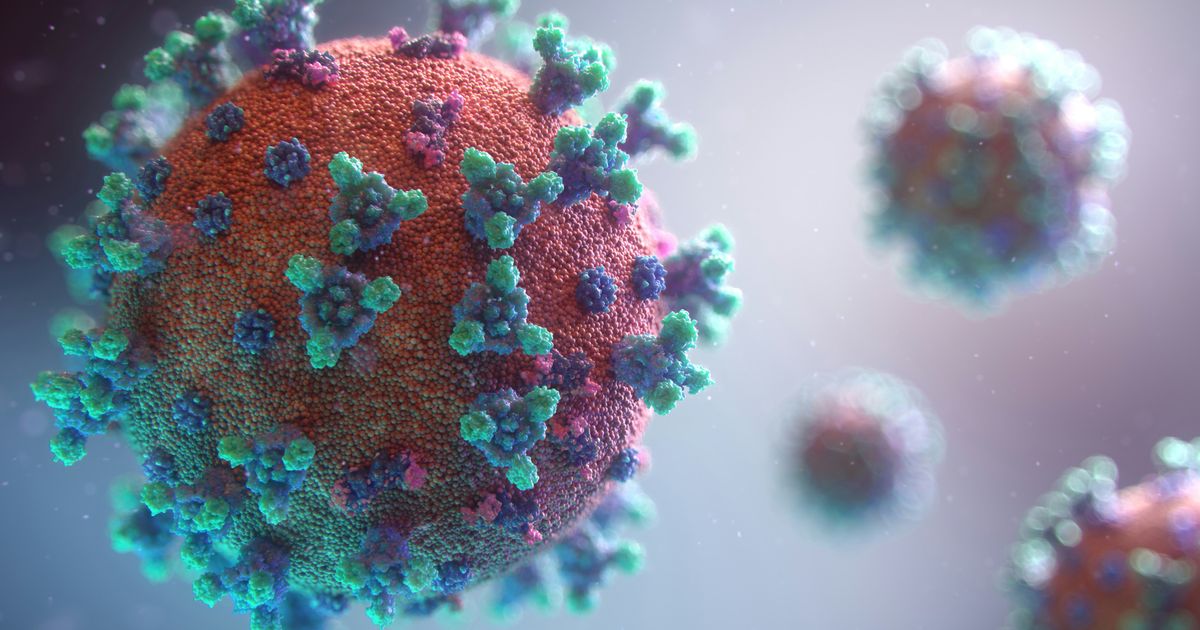
- Mutations: Cicada carries changes in the virus’s spike protein—the part that helps it enter human cells—which can affect how easily it spreads and how well immunity holds up.
At this stage, Cicada is considered a variant under monitoring (or a similar watch category) rather than a “variant of concern.” That means scientists see signals worth watching, but they do not yet have clear evidence that it causes more severe disease or large-scale vaccine escape.
“Early in the life of a variant, data are incomplete and sometimes conflicting. We look at transmission, severity, and immune escape in combination. No single mutation tells the whole story.”
— Infectious disease epidemiologist, WHO technical briefing (2026)
What Is the Cicada COVID Variant, Exactly?
Cicada is a nickname used in media reports for a specific genetic lineage of SARS‑CoV‑2. Like previous variants (Delta, Omicron and their sublineages), it’s defined by a distinct pattern of mutations in the virus’s genome.
As of late March 2026:
- Genomic surveillance has identified Cicada in multiple world regions, including North America, Europe, and parts of Asia.
- Preliminary lab work suggests higher binding affinity of its spike protein to human ACE2 receptors, which can be associated with easier spread.
- Neutralization studies (tests of how well antibodies block the virus) indicate a modest reduction in antibody effectiveness compared with some earlier variants, but not complete escape.
Symptoms of the Cicada Variant: How Different Is It?
Current reports suggest that Cicada’s symptom profile is similar to recent Omicron‑line variants. Most people experience:
- Sore throat or scratchy throat
- Runny or congested nose
- Cough
- Fever or chills
- Headache and fatigue
- Body aches
- Occasionally, loss of taste or smell
As with previous variants, risk is highest for older adults, people with chronic conditions (such as heart disease, diabetes, lung disease, or immune compromise), and those who are unvaccinated or not up to date on boosters.
How the Cicada Variant Spreads—and What That Means for Daily Life
Cicada appears to spread the same way as other COVID‑19 variants:
- Airborne particles: Tiny respiratory particles that can linger in the air, especially in poorly ventilated indoor spaces.
- Droplets: Larger droplets from coughing, sneezing, or speaking at close range.
- Close contact: Prolonged contact with someone who is infected, particularly without masks or ventilation.
Because Cicada may be more transmissible than some earlier variants, indoor crowding becomes a bigger driver of spread. However, basic precautions—ventilation, well‑fitting masks, testing when ill—still cut risk meaningfully.

Do Current Vaccines and Boosters Work Against Cicada?
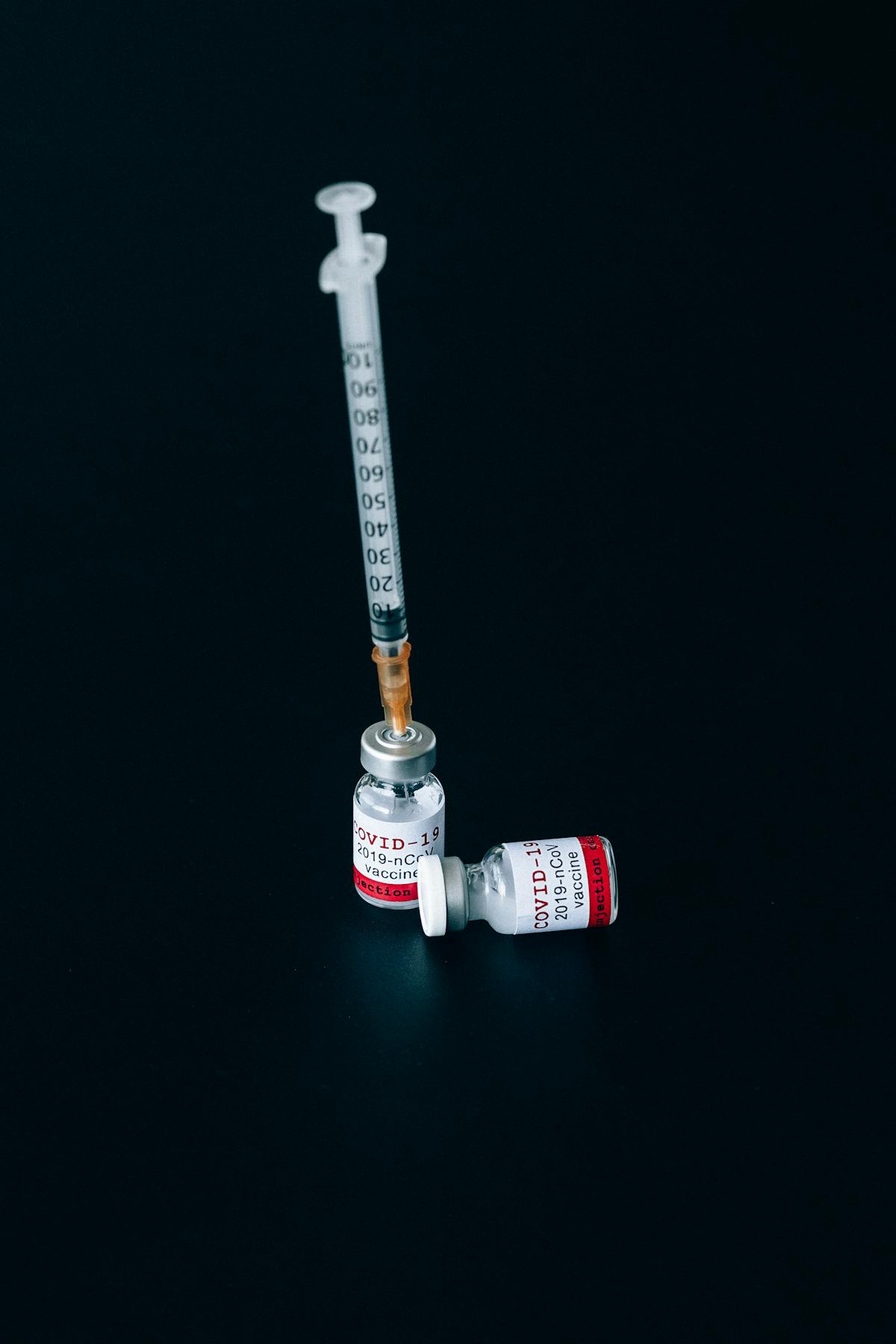
Early lab studies suggest that existing updated COVID‑19 vaccines still provide protection against severe disease from Cicada, though antibody levels may be somewhat lower compared with earlier variants.
This pattern—slightly reduced protection against infection but preserved protection against hospitalization and death—has been seen with many past variants. Real‑world data usually confirm that people who are vaccinated and boosted fare significantly better than those who are not.
- If you’re up to date: You likely retain meaningful protection against severe illness, but can still get a mild infection.
- If you’re not up to date: Now is a strong time to talk with a healthcare professional about catching up, especially if you’re in a high‑risk group.
- For immunocompromised people: You may be eligible for additional doses or preventive treatments—ask your specialist for individualized guidance.
“No vaccine is perfect, but across variant waves, the pattern has been consistent: vaccinated people end up in the ICU far less often. That’s still true with newer lineages like Cicada based on the data we have so far.”
— Pulmonary and critical care physician, U.S. academic medical center
Practical Steps to Protect Yourself from the Cicada Variant
You don’t need a brand‑new playbook for Cicada. Instead, think about upgrading the habits you already know:
- Stay current with vaccines
If it’s been several months since your last dose, ask a healthcare professional whether you’re due for an updated formulation that targets recent variants.
- Improve indoor air
- Open windows on opposite sides of a room when possible.
- Use HEPA filters or certified air cleaners in frequently used rooms.
- Run HVAC fans on “on” rather than “auto” during gatherings.
- Use high‑quality masks in higher‑risk settings
Consider a well‑fitting respirator (like N95/FFP2‑equivalent) on public transport, in crowded indoor spaces, or when visiting vulnerable friends or relatives.
- Test when sick or after exposure
Rapid antigen tests still pick up many infections, especially when used correctly and repeated over several days. Follow local isolation guidance if you test positive.
- Have a care plan if you’re high‑risk
Talk ahead of time with your clinician about:
- Which antiviral treatments you qualify for
- How quickly you can get tested if you develop symptoms
- What to watch for at home and when to seek in‑person care
COVID Fatigue Is Real: Overcoming Common Obstacles
Many people feel worn down by years of changing guidance and new variant names. That exhaustion is understandable and very human. Instead of aiming for “perfect” behavior, focus on small, sustainable adjustments:
- Obstacle: “I’m tired of masking.”
Adjustment: Save higher‑grade masking for the riskiest situations—crowded indoor spaces, public transport, and visits to vulnerable loved ones. - Obstacle: “I can’t afford air purifiers.”
Adjustment: Use DIY options like “Corsi‑Rosenthal” box filters where feasible, or simply prioritize opening windows and meeting outdoors when possible. - Obstacle: “I’m confused by changing rules.”
Adjustment: Follow a few trusted sources (such as your local health department, WHO, or CDC) rather than trying to track every headline.
At‑a‑Glance: Cicada Variant Risk Layers
Think of protection against Cicada as layers. Each layer adds some protection; combined, they significantly reduce your risk of severe outcomes:
- Layer 1: Vaccination and boosters
- Layer 2: Ventilation and air filtration
- Layer 3: Masks in high‑risk indoor settings
- Layer 4: Testing and staying home when sick
- Layer 5: Early treatment if you’re eligible

Where to Find Reliable, Up‑to‑Date Information
Because the situation with Cicada is still evolving, details may change as more data become available. For the most current, evidence‑based information, refer to:
- World Health Organization COVID‑19 dashboard and variant updates
- CDC: SARS‑CoV‑2 variants
- Your national or regional public health agency’s website
- Trusted local healthcare systems or academic medical centers
Moving Forward with Caution—Not Panic
The emergence of the Cicada variant is a reminder that COVID‑19 is still with us, evolving slowly rather than disappearing overnight. That doesn’t mean we’re back at square one. It means we’re in a new phase: living with the virus while using smarter tools.
You don’t have to overhaul your life to respond thoughtfully:
- Review your vaccination status and update it if needed.
- Make a plan for what you’ll do if you or a family member tests positive.
- Choose one or two simple upgrades—like better airflow at home or masking on public transport—that feel realistic for you.
Small, consistent steps are far more powerful than short bursts of perfection. As more is learned about Cicada, staying informed and flexible will help you navigate this chapter with steadiness rather than fear.
If you’re unsure about your personal risk or the best next step, consider scheduling a brief appointment with your primary care provider or a local clinic. Bring your questions about Cicada, your vaccination history, and any concerns about medications or chronic conditions. A tailored plan beats generic advice every time.
