
How Drug Repurposing Could Quietly Revolutionize Rare Disease Treatment
Rare disease patients often wait years for treatments that may never come, but a new approach to drug repurposing led by Every Cure and Dr. David Fajgenbaum is trying to change that by systematically matching existing medicines to overlooked conditions. This article explains how their data-driven strategy works, what makes it different from traditional research, and what it could mean for the future of rare disease care.

A Different Kind of Hope for Rare Disease Patients
If you or someone you love lives with a rare disease, you probably know the feeling of searching late at night for anything that might help, only to find that clinical trials are scarce and approved treatments are even rarer. It can feel like the system simply was not built with you in mind.
Every Cure, a nonprofit co-founded by physician–researcher and rare disease survivor Dr. David Fajgenbaum, is trying to rewrite that story. Instead of waiting decades for new drugs to be invented, their strategy is to uncover new uses for existing medicines hiding in plain sight.
This is not about “miracle cures” or self-experimentation. It is about using large-scale data, rigorous science, and smarter incentives to systematically match already-approved drugs to diseases that have been overlooked.
The Problem: Why Rare Diseases Are Left Behind
There are an estimated 7,000–10,000 rare diseases worldwide, affecting hundreds of millions of people. Yet only a small fraction have FDA-approved therapies. Traditional drug development is slow, expensive, and designed to favor conditions that affect large markets.
- High cost: Developing a new drug from scratch can cost over a billion dollars and take more than a decade.
- Small patient populations: Many rare diseases affect only a few thousand people globally, making it hard for companies to recoup investments.
- Fragmented data: Medical records, research papers, and trial results are scattered across systems that do not easily talk to each other.
- Underpowered trials: With so few patients, it is difficult to run large, definitive clinical trials in the traditional mold.
In this environment, even promising ideas can stall. Patients often turn to off-label use of drugs, guided by case reports and small studies, without a systematic way to know which medicines are most likely to help—or harm—them.
Every Cure’s Strategy: Drug Repurposing, but Not the Way You Think
Drug repurposing is not new. Oncologists, neurologists, and immunologists have been testing existing drugs for new uses for years. What makes Every Cure different is its ambition and its method: build a comprehensive “map” of all possible drug–disease matches, then prioritize the most promising ones in an open, data-driven way.
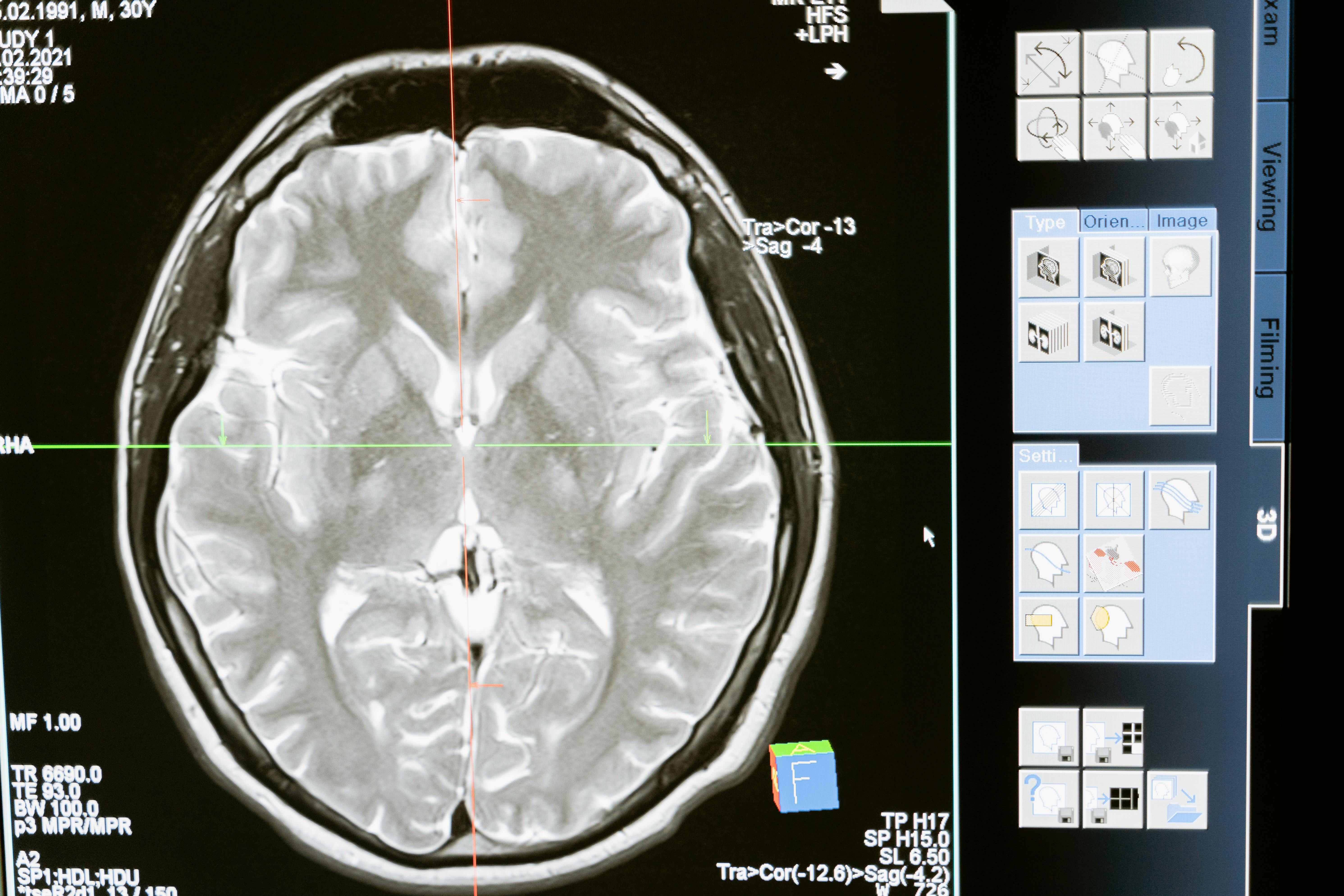
According to CNBC’s reporting, the organization is building algorithms that ingest:
- Biological pathway data (how drugs act on cells and proteins)
- Electronic health records and outcomes data
- Published clinical trials and case reports
- Adverse event and safety databases
The goal is to move from “one-off hunches” to a systematic search. Instead of a single lab betting years on one idea, Every Cure is trying to compute all plausible ideas, rank them, and then test the best candidates in a rigorous but lean way.
“There are thousands of existing drugs, and we believe many of them can treat multiple diseases—they just have not been matched yet. Our mission is to find every cure for every disease we possibly can.”
From Patient to Researcher: Dr. David Fajgenbaum’s Personal Journey
Dr. David Fajgenbaum’s story is one reason this effort resonates so deeply with patients. As a young medical student, he nearly died multiple times from a rare immune condition called idiopathic multicentric Castleman disease. Standard therapies failed him.
Refusing to accept that there were no options, he dug into the scientific literature himself, analyzing immune pathways and comparing them against the mechanisms of existing drugs. He identified an off-label medicine—sirolimus—that targeted a pathway he suspected was driving his disease. Under careful medical supervision, he tried it. His disease stabilized, and he has remained in remission for years.
His experience is not proof that all rare diseases can be treated with current drugs. But it is proof that systematic, biologically informed repurposing can alter the course of at least some conditions. Every Cure is, in many ways, an attempt to industrialize that approach.
How Every Cure’s Data-Driven Drug Repurposing Works
While exact technical details continue to evolve, CNBC’s coverage and Every Cure’s public statements describe a multi-step strategy with an emphasis on scale, transparency, and collaboration.
- Aggregate massive datasets.
They pull in biomedical literature, clinical trial data, real-world patient outcomes, and biological pathway maps. The ambition is to create one of the most comprehensive drug–disease knowledge graphs available.
- Model drug–disease relationships.
Using machine learning and network analysis, the team looks for signals that a drug affecting a given pathway may alter the course of a disease involving the same pathway, even if no one has tested that link formally.
- Prioritize the best candidates.
Potential matches are ranked based on strength of evidence, biological plausibility, unmet need, and practical feasibility (for example, drug availability, safety profile, trial design).
- Design pragmatic trials or observational studies.
Instead of only pursuing large, traditional randomized controlled trials, they also consider adaptive trials, registry-based studies, and carefully analyzed real-world evidence to move faster while still protecting patients.
- Share insights broadly.
A key part of the model is openness—working with academic centers, patient groups, and regulators so that promising signals can spread quickly, not just sit inside a single organization.
What Drug Repurposing Can—and Cannot—Do
It is easy to hear “drug repurposing” and imagine a quick fix for every rare disease. The reality is more nuanced. Repurposing offers real advantages, but it also has limits and risks.
Potential Advantages
- Known safety profiles: Approved drugs have already been tested for safety in humans, which can shorten timelines.
- Lower development cost: Repurposing typically costs less than discovering an entirely new molecule.
- Faster path to patients: In some cases, evidence can accumulate quickly enough to update guidelines or secure new indications.
Key Limitations
- Not all mechanisms fit: Many rare diseases are driven by mechanisms for which no existing drug is a good match.
- Dosing and safety can change: A drug that is safe at one dose for one disease might behave differently in another context.
- Economic and regulatory hurdles: Off-patent drugs may lack commercial incentives for large trials, even if biologically promising.
Repurposing is not a guarantee of a cure—it is a way of making better use of what we already have, while we continue to develop new therapies.
Common Obstacles Patients Face—and How This Approach Helps
If you are navigating a rare disease, you may run into recurring challenges. Every Cure’s model does not solve all of them, but it is designed with several of these pain points in mind.
- Obstacle: “There is no treatment for my disease.”
Often this really means “no approved, on-label therapy exists.” In some cases, existing drugs may help, but the evidence is buried in case reports or scattered studies.
- Obstacle: “My doctor has limited time to comb through all the literature.”
Clinicians are under enormous time pressure. A system that pre-computes and ranks plausible drug options can give them a better starting point for discussion and further investigation.
- Obstacle: “I feel like I am starting from zero at every appointment.”
Centralized, openly shared repurposing data can help create a common reference for patients, clinicians, and researchers, reducing duplication of effort.
None of this replaces the relationship with a trusted specialist. But it does aim to give that specialist better tools and a clearer map of what is worth testing next.
Practical Steps for Patients and Families Interested in Drug Repurposing
If the idea of drug repurposing resonates with you, it is important to approach it safely and systematically. Here are steps many rare disease families find helpful.
- Work with a specialist who knows your disease.
A physician experienced in your condition is best positioned to evaluate repurposed-drug ideas, balance risks and benefits, and monitor for side effects.
- Ask specifically about clinical trials and registries.
Trials and disease registries are often where repurposing research happens first. ClinicalTrials.gov and patient advocacy groups can be useful starting points.
- Engage with reputable patient organizations.
Many foundations track emerging science, including off-label and repurposed therapies, and can help you interpret what is credible versus speculative.
- Keep a detailed health record.
Symptom diaries, lab results, imaging, and medication histories can make it easier for researchers and clinicians to evaluate how a repurposed therapy is working.
- Be cautious with anecdotal reports online.
It is understandable to be drawn to patient stories. Use them as prompts for discussion with your care team, not as instructions for self-treatment.

The Future of Rare Disease Treatment: Building a Global Repurposing Ecosystem
Every Cure is not working in isolation. Their efforts intersect with broader trends in medicine: the use of real-world evidence, AI-assisted drug discovery, and global data-sharing initiatives. If these forces align, the way we think about “approved uses” for medicines could shift substantially over the next decade.
- Regulators are exploring ways to incorporate real-world data into decisions about new indications.
- Health systems are gradually standardizing electronic health records, making large-scale outcomes analysis more feasible.
- Patient groups are increasingly sophisticated partners, co-designing studies and advocating for repurposing research.

In that context, Every Cure’s systematized approach to drug repurposing is less a standalone project and more a blueprint—a way of asking, on a global scale: “What are we missing, and how quickly can we find it?”
Moving Forward with Informed Hope
Living with a rare disease often means learning to carry uncertainty while still searching for possibilities. Drug repurposing, especially in the data-driven form championed by Every Cure, does not erase that uncertainty—but it can change the odds that an overlooked medicine might help.
If you are a patient or caregiver, your next step might be as simple as bringing up repurposed therapies at your next appointment, asking whether any trials or registries might be relevant, or connecting with a disease-specific foundation that tracks emerging science.
For clinicians, researchers, and policymakers, the call to action is broader: support infrastructures that make it easier to share data, run pragmatic studies, and reward the discovery of new uses for old drugs—even when they do not fit neatly into traditional commercial models.
Change in medicine is often slower than any of us would like. But with organized efforts like Every Cure’s drug repurposing strategy, the future of rare disease treatment may be less about waiting for the next miracle drug and more about finally seeing the potential of the medicines we already have.
