
Mushroom-Powered Superfoods: Lion’s Mane, Reishi & Functional Coffee Explained
Mushroom‑Powered Superfoods: Lion’s Mane, Reishi, and Functional Coffee
Functional mushrooms have quietly moved from herbal shops into our morning mugs—especially as mushroom coffee, lattes, and superfood powders—promising calmer focus, steadier energy, and a little extra immune and stress support. Let’s unpack the trend, separate hype from evidence, and explore delicious ways to bring these earthy, aromatic ingredients into your kitchen.

At‑a‑Glance: Mushroom‑Powered Superfoods
- Focus & clarity: Lion’s mane is often used as a gentle nootropic for concentration.
- Stress & sleep support: Reishi shows up in evening lattes and calming elixirs.
- Immunity: Chaga and turkey tail are marketed for immune and antioxidant support.
- Common formats: Coffee blends, lattes, powders, capsules, snack bars, and hot chocolate mixes.
- Best for: Curious home cooks, coffee lovers, and wellness enthusiasts who enjoy experimenting with plant‑based, functional ingredients.
From Ancient Forests to TikTok: How Functional Mushrooms Went Viral
Long before they landed in productivity vlogs and “what I drink in a day” videos, mushrooms like reishi, chaga, and cordyceps were staples of traditional East Asian and Siberian herbal practices. They were simmered into broths, tonics, and teas, valued less as everyday vegetables and more as slow, steady companions for resilience and longevity.
Around the early 2020s, interest in brain health, immunity, and stress relief exploded online. Searches for phrases like “lion’s mane benefits,” “mushroom coffee side effects,” and “reishi sleep” surged on Google Trends and Exploding Topics. By the mid‑2020s, these mushrooms were starring in:
- YouTube taste tests and deep‑dives from dietitians and biohackers
- TikTok morning routines featuring lion’s mane lattes for focus
- Spotify wellness podcasts discussing adaptogens and nootropics
Cultural traditions met modern marketing: instead of decoctions and herbal clinics, we now see sleek tins of mushroom coffee on minimalist kitchen counters, promising “calm energy” and “laser focus” with a single scoop.
What Exactly Are “Functional Mushrooms”?
Functional mushrooms are varieties prized less for their culinary texture and more for their bioactive compounds. You’ll rarely see hefty slices of lion’s mane or reishi on a weeknight stir‑fry; instead, they appear as:
- Dried whole mushrooms
- Powdered mushrooms
- Hot water or dual (water + alcohol) extracts, often standardized
- Convenient blends added to coffee, cocoa, smoothies, and snacks
Their superstar components include:
- Beta‑glucans – fibers known for immune modulation
- Triterpenes – especially rich in reishi, often linked to calming and anti‑inflammatory effects in lab studies
- Antioxidants – compounds that help counter oxidative stress in cells
Research is active and evolving. Early human trials hint at possible benefits for immune function, mood, and cognition, but study sizes tend to be small and not yet definitive. These mushrooms are better seen as supportive foods, not miracle cures.
Lion’s Mane: The Brainy, Nootropic Mushroom
Lion’s mane (Hericium erinaceus) looks like a snow‑white pom‑pom and tastes faintly like sweet crab or scallops when sautéed. Online, though, it’s most famous for its nootropic (brain‑supporting) reputation.
Influencers and biohackers often reference early research suggesting lion’s mane may influence nerve growth factor (NGF), a protein involved in nerve cell growth and maintenance. Small clinical studies have explored its effects on:
- Mild cognitive impairment and memory
-
- Subjective focus and mental clarity
While the evidence isn’t conclusive yet, many people enjoy lion’s mane in their morning coffee or matcha, describing the effect as a clearer, smoother focus compared to caffeine alone.
Reishi: The Calming, Night‑Time Mushroom
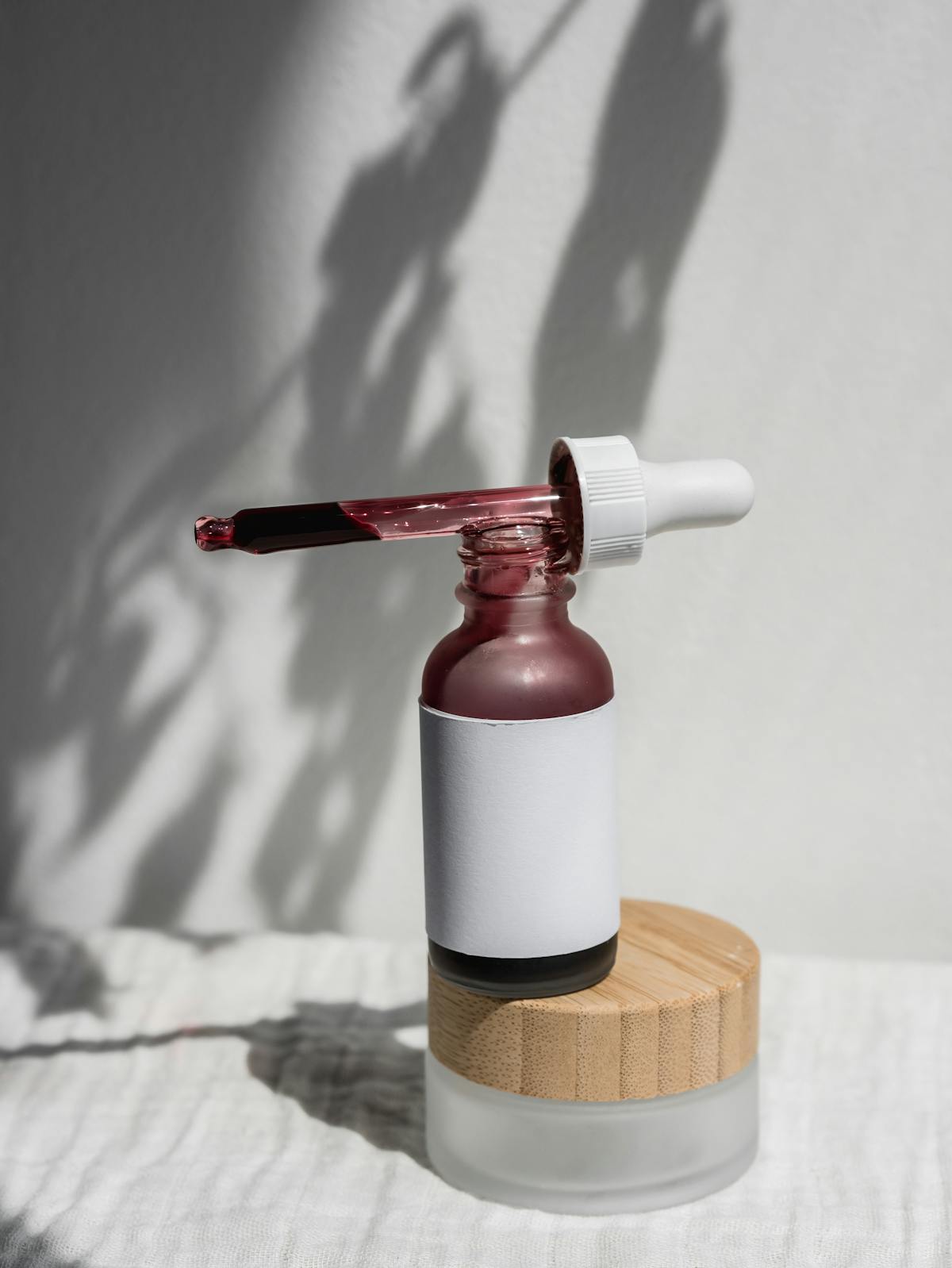
Reishi (Ganoderma lucidum) is often called the “mushroom of immortality” in traditional East Asian texts. In the modern wellness world, it’s the star of:
- “Sleepy girl” mocktails and night‑time elixirs
- Decaf reishi hot chocolate blends
- Adaptogenic latte powders mixed with oat or almond milk
Its flavor is distinctly bitter, woody, and earthy, so it’s rarely eaten whole. Instead, it’s simmered or extracted and then sweetened or blended with spices like cacao, cinnamon, and vanilla.
Early studies have explored reishi’s potential roles in stress response, sleep quality, and immune modulation. People often describe it as “grounding” or “relaxing,” though responses vary widely and more human research is needed.
Chaga & Turkey Tail: Immune‑Focused Forest Allies
Chaga and turkey tail may not have the glamor of lion’s mane or the mystique of reishi on social media, but they quietly power many immune‑support mushroom blends.
Chaga grows like a dark, cracked mass on birch trees in cold climates. It brews into a deep mahogany tea with a mild, vanilla‑earthy flavor and is rich in antioxidants. You’ll see it in:
- Mushroom coffee blends (often paired with lion’s mane)
- Black tea‑style infusions
- Powders added to smoothies and hot chocolate
Turkey tail (Trametes versicolor) fans out like a tiny forest rainbow on logs and stumps. It’s tough and not eaten like a typical mushroom, but its extracts have been studied for immune modulation, including as support alongside certain medical treatments in supervised settings.
Mushroom Coffee & Lattes: Taste, Texture, and the “Feel”

The heart of the trend is mushroom coffee—usually regular coffee blended with powdered lion’s mane, chaga, and sometimes other functional mushrooms. Brands and creators often describe the experience as:
- Smoother energy: Many people report fewer jitters and less of a mid‑afternoon crash.
- Earthy depth: A subtle, roasted, almost cocoa‑like earthiness beneath the coffee’s usual aroma.
- Creamy mouthfeel: Some blends feel slightly thicker or silkier than plain brewed coffee.
On TikTok and YouTube, you’ll see:
- Productivity vlogs highlighting mushroom lattes as part of deep‑work rituals
- Skeptical taste tests comparing flavor and effects to normal coffee
- DIY recipes where home cooks whisk mushroom powders into their favorite beans
Flavor varies wildly by brand, but a well‑balanced blend should still taste primarily like good coffee, with the mushrooms adding a soft, grounding earthiness rather than a strong “mushroom soup” note.
What Does the Science Say—and What Are the Caveats?
By 2026, functional mushrooms have inspired a growing body of lab, animal, and early human research. You’ll see headlines about:
- Immune modulation and changes in certain immune markers
- Potential effects on inflammation and oxidative stress
- Exploratory trials on mood, fatigue, and cognition
However, evidence‑focused dietitians and medical professionals consistently highlight that:
- Many human studies are small, short‑term, or use high‑dose extracts.
- Results don’t always translate to everyday, lower‑dose coffees and snacks.
- Effects can differ greatly from person to person.
Leading nutrition and herbal experts generally treat functional mushrooms as:
Potentially helpful adjuncts to a healthy lifestyle, but not substitutes for medical care, balanced nutrition, sleep, movement, and stress management.
Recipe: Cozy Lion’s Mane & Reishi Mushroom Latte (Caffeinated or Caffeine‑Free)

Quick Recipe Overview
- Prep time: 5 minutes
- Cook time: 5 minutes
- Total time: 10 minutes
- Servings: 1 large mug (about 300 ml / 10 fl oz)
- Difficulty: Easy
- Dietary: Easily made vegan, dairy‑free, and gluten‑free
Ingredients
For the base:
- 180 ml (¾ cup) hot brewed coffee or strong black tea or hot water for a fully caffeine‑free version
- 120 ml (½ cup) milk of choice (oat, almond, soy, or dairy all work)
Mushroom superfood blend:
- ½–1 tsp lion’s mane powder (start with ½ tsp if you’re new)
- ¼–½ tsp reishi powder
- Optional: ¼ tsp chaga powder for extra depth
Flavor & sweetness:
- 1–2 tsp maple syrup, honey, or date syrup (to taste)
- ¼ tsp ground cinnamon
- Pinch of sea salt (enhances sweetness and rounds flavors)
- Optional: ⅛ tsp vanilla extract or pinch of ground cardamom
Equipment
- Small saucepan or microwave‑safe jug
- Hand whisk, milk frother, or blender
- Heat‑proof mug
- Measuring spoons
Step‑by‑Step Instructions
- Brew your base.
Prepare 180 ml (¾ cup) of hot coffee, tea, or hot water. Pour it into your heat‑proof mug, leaving room for milk. - Mix the mushroom blend.
In a small bowl or jug, whisk together the lion’s mane, reishi, and optional chaga with a splash (1–2 tbsp) of the hot liquid to form a smooth paste. This helps prevent clumps. - Warm and froth the milk.
Heat your milk gently in a saucepan or microwave until steaming but not boiling. If you have a frother, froth until silky and foamy; otherwise, whisk vigorously. - Combine and season.
Stir the mushroom paste into your mug of coffee/tea/hot water until fully dissolved. Add cinnamon, sea salt, vanilla or cardamom (if using), and your chosen sweetener to taste. - Finish with milk.
Pour the warm, frothed milk over the mushroom coffee base. Give it a gentle stir, letting the foam sit on top. - Garnish and enjoy.
Dust lightly with extra cinnamon or cacao powder. Inhale the aroma—roasty, gently spiced, with a whisper of forest earthiness—then sip slowly, noticing how the texture feels creamy and comforting rather than sharp or overly bitter.
Variations & Dietary Adaptations
Storage & Reheating
This latte tastes best fresh, but you can keep leftovers in a sealed jar in the refrigerator for up to 24 hours. The mushrooms may settle slightly.
- To reheat: Warm gently on the stove or in the microwave, then whisk or froth briefly to restore the foam.
- To avoid waste: If you know you’ll be short on time, mix a small jar of the dry powder blend in advance (mushrooms + spices + salt). Then each day, scoop what you need and add liquid.
How to Choose Quality Functional Mushroom Products
Not all mushroom coffees and powders are created equal. Some rely heavily on starches or grain fillers, while others use concentrated fruiting‑body extracts with clearly labeled beta‑glucan content.
When shopping, look for labels or brand information that mention:
- Which part of the mushroom is used (fruiting body vs. mycelium on grain)
- Extraction method (hot water, dual extract) and standardization details
- Third‑party testing for heavy metals, pesticides, and microbial contamination
- Actual active compounds listed (e.g., % beta‑glucans) rather than just “polysaccharides”
Don’t worry about finding “perfect” products right away. Start with what’s accessible, pay attention to how your body and sleep patterns respond, and adjust as needed. Consistency and self‑awareness matter more than chasing the most hyped brand.
Serving Ideas: What to Eat with Mushroom Coffee & Lattes
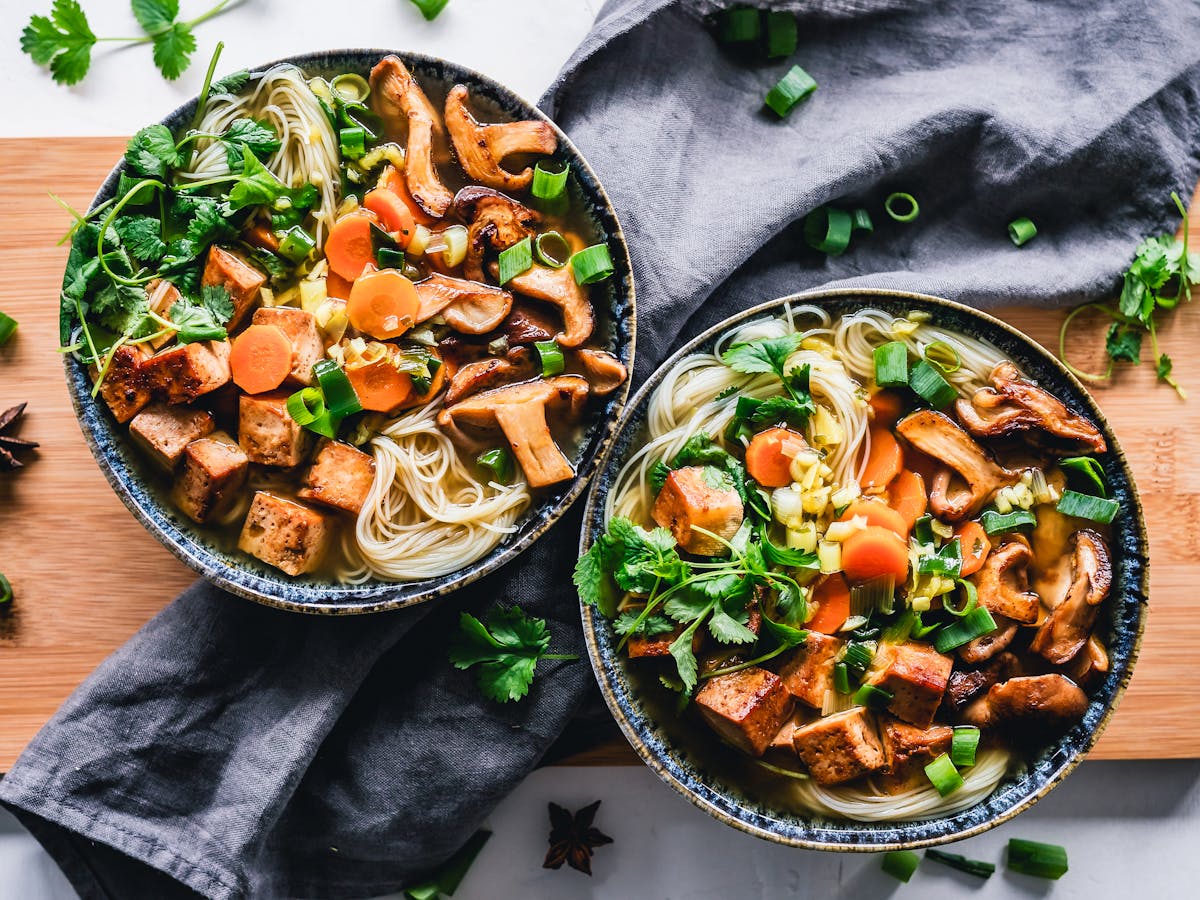
A mushroom latte or coffee feels most satisfying when it’s part of a small, nourishing ritual. Try pairing it with:
- Breakfast: Seedy sourdough toast with avocado, soft‑scrambled eggs, or tofu scramble
- Light snacks: Energy bites made with oats, nut butter, cacao, and a pinch of mushroom powder
- Evening wind‑down: Reishi hot chocolate alongside fresh berries or a square of dark chocolate
- Weekend brunch: Savory sautéed mushrooms on toast, to echo the foresty flavor in your cup
The goal isn’t to build a “perfect” wellness routine—just to create small, pleasurable moments that support how you want to feel throughout the day.
Bringing Mushroom‑Powered Superfoods into Your Everyday Life
Functional mushrooms sit at a fascinating crossroads of ancient herbal wisdom and modern wellness culture. Whether you’re curious about lion’s mane for focus, reishi for unwinding at night, or chaga for a cozy cold‑weather brew, the most meaningful benefits often come from simple, repeatable habits—not dramatic overnight changes.
Start small: try a half‑teaspoon in your usual coffee, sip slowly, and notice how you feel over a couple of weeks. Explore different brands, brewing methods, and spices until you discover a mug that feels like yours—aromatic, comforting, and aligned with your body and routine.
Above all, remember that these are supporting players in your wellness story. Paired with good sleep, nourishing meals, movement, and connection, mushroom‑powered superfoods can add depth, warmth, and a touch of forest magic to your daily cup.
