
From TikTok Girl Dinner to Balanced Snack Plates: How to Build Satisfying Mini‑Meals
The ‘Girl Dinner’ Evolution: From Chaotic Snack Plate to Balanced Mini‑Meal
“Girl dinner” started as a playful TikTok joke—think a few crackers, some cheese, a couple of olives, maybe a handful of grapes thrown on a plate. But by 2025–2026, that meme has blossomed into something much richer: beautiful, balanced snack plates that can genuinely stand in for dinner, packed with protein, color, crunch, and satisfaction. This guide walks you through the evolution of girl dinner and gives you a practical, flexible recipe to build your own nourishing mini‑meals at home.
From Meme to Mini‑Meal: How ‘Girl Dinner’ Changed
When girl dinner first appeared on TikTok, the charm was its chaos. People shared whatever they could assemble in under a minute: maybe a slice of cheese, a pickle, and a lone chocolate truffle on a plate. It was funny, relatable, and—if we’re honest—looked a lot like the “I’m too tired to cook” meals many of us quietly ate.
But as the trend exploded, dietitians, therapists, and everyday cooks jumped in. Some posts raised red flags for being extremely low in calories. Others sparked great conversations about intuitive eating, honoring hunger, and the reality that not every dinner has to be a full hot entrée with sides. By 2025–2026, girl dinner had turned into something more thoughtful: balanced snack plates that are quick to assemble, visually gorgeous, and nutritionally satisfying.
Instead of “just vibes,” modern girl dinners aim for enough energy, protein, fiber, and color to actually function as a meal—without losing that easy, snacky feel.
Why Balanced Snack Plates Are So Popular
Girl dinner in its new form taps into how many of us really live and eat. It’s not just a trend; it reflects a shift toward flexible meal structures, working from home, and embracing “good enough” dinners.
- Time‑saving & low‑effort: No long recipes, no sink full of dishes. You can assemble a snack plate in 5–10 minutes from what you already have in the fridge and pantry.
- Intuitive eating friendly: You choose what actually sounds good—crunchy, creamy, salty, sweet—and build a plate that feels emotionally and physically satisfying.
- Educational: Dietitians on TikTok, Instagram, and YouTube now use the girl dinner concept as a teaching tool to explain protein needs, blood sugar balance, and how to round out a plate.
- Highly aesthetic: Snack plates photograph beautifully. Colorful produce, little bowls of dips, neat rows of crackers—it all performs well in short‑form video and carousel posts.
The key difference now? The goal isn’t a dainty, “aesthetic” nibble—it’s a mini‑meal that fuels you, supports steady energy, and still feels delightfully snacky.
Nutrition Basics: What Makes a Snack Plate a Real Meal?
The modern girl dinner formula is simple and flexible. Think of your plate as four quadrants you can mix and match:

- Protein (target 20–30 g): boiled eggs, Greek yogurt, cottage cheese, hummus, sliced turkey or chicken, tofu cubes, edamame, smoked salmon, beans or lentil salad.
- Healthy fats: nuts, seeds, nut butter, avocado, olives, pesto, extra virgin olive oil drizzle, cheese in moderate portions.
- Fiber‑rich carbohydrates: whole‑grain crackers, sourdough bread, seeded crispbreads, roasted chickpeas, bean‑based chips, quinoa salad, oats, or granola clusters.
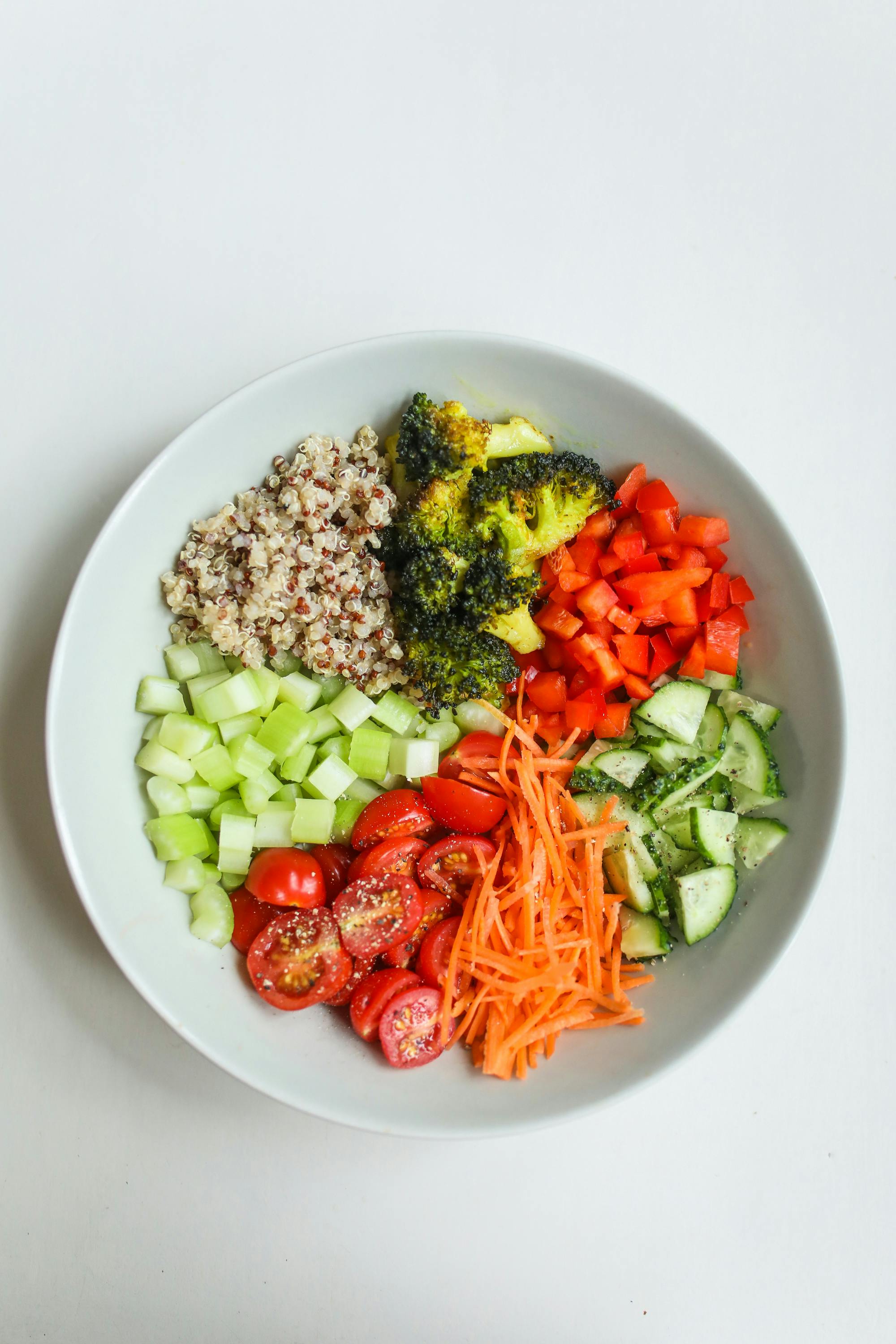
- Colorful produce: carrot sticks, cucumber rounds, bell pepper strips, cherry tomatoes, radishes, berries, grapes, orange slices, apple wedges.
When those four elements land on your plate together, you get a meal that’s more filling, more stable for your blood sugar, and more fun to eat.
Build‑Your‑Own Balanced Girl Dinner Snack Plate (Recipe Template)
Think of this as a “no‑cook dinner recipe” that you can customize endlessly. Use it as a formula rather than a rigid set of rules—swap in what you love and what you have on hand.
Quick Recipe Summary
Prep time: 10 minutes
Cook time: 0 minutes
Total time: 10 minutes
Servings: 1 hungry person (scale as needed)
Difficulty: Very easy (beginner‑friendly)
Equipment Needed
- 1 medium or large plate, board, or platter
- Small bowls or ramekins for dips and small items (optional but fun)
- Sharp knife and cutting board
- Spoon for scooping yogurt, cottage cheese, or dips
Ingredient Formula (Per Person)
Choose at least one item from each category. The quantities below are approximate; adjust to your appetite.
Protein (aim for 20–30 g total)
- 2 large boiled eggs, halved (about 12 g protein)
- 150 g (about 2/3 cup) Greek yogurt or skyr (15–18 g)
- 120 g (about 1/2 cup) cottage cheese (14–16 g)
- 75–90 g sliced turkey, chicken, or tofu (about 15–20 g)
- 100 g hummus (about 8 g) + 30 g roasted chickpeas (about 6 g)
Healthy Fats
- 30 g (about 1 oz or a small handful) mixed nuts or seeds
- 30 g cheese (1–2 slices or small wedge)
- 1/2 medium avocado, sliced
- 10–12 olives
- 1–2 tbsp nut butter or pesto
Fiber‑Rich Carbohydrates
- 4–8 whole‑grain or seeded crackers (about 25–30 g)
- 1 slice whole‑grain or sourdough bread, toasted
- 60 g roasted chickpeas or bean‑based crisps
- 1/2 cup cooked quinoa, brown rice, or lentil salad
Colorful Produce (aim for 2–3 colors)
- 1 small carrot, cut into sticks
- 1/4 cucumber, sliced
- 1/2 bell pepper, sliced
- 8–10 cherry tomatoes
- Handful of berries, grapes, or sliced seasonal fruit
Step‑by‑Step Instructions
- Gather your ingredients.
Open the fridge and pantry and pull out potential components from each category: protein, fats, carbs, and produce. Don’t overthink it—this is meant to be low‑pressure and fun. - Prep your produce.
Rinse and dry fruits and vegetables. Slice cucumbers and peppers, cut carrots into sticks, halve cherry tomatoes, and slice any larger fruits. Aim for bite‑sized, dippable pieces. - Portion your protein.
Add your chosen proteins to the plate first: arrange boiled egg halves, dollop or spoon Greek yogurt or cottage cheese into a small bowl, or fan out slices of turkey, tofu, or smoked salmon. - Add healthy fats.
Place nuts, seeds, olives, avocado slices, or cheese on the plate. If you’re using dips like hummus, pesto, or nut butter, spoon them into small bowls or directly onto the plate with space for scooping. - Fill in with carbs.
Tuck crackers or toast along one side, or add a scoop of grain or bean salad in a small bowl. These should feel generous enough to leave you satisfied, not like an afterthought. - Finish with color.
Use your fruits and veggies to fill any gaps on the plate. Aim for reds, oranges, greens, and purples. This not only boosts nutrients but makes your snack plate look crave‑worthy. - Season and garnish (optional but lovely).
Sprinkle with flaky salt, black pepper, chili flakes, or fresh herbs. Drizzle a little olive oil over tomatoes or avocado for extra richness and shine. - Check for balance.
Step back and ask: Do I have a solid source of protein, a satisfying amount of carbs, some fats, and at least two colors of produce? If something feels skimpy, add a bit more. - Enjoy mindfully.
Sit down (yes, really), take a breath, and eat without scrolling if you can. Notice the different textures: crisp veggies, creamy dips, chewy bread, juicy fruit.

Flavor Variations for Every Mood
One of the joys of girl dinner is how easily it adapts to your cravings, cultural food traditions, and what’s in season. Here are a few themed ideas:
1. Mediterranean Girl Dinner
- Hummus and/or tzatziki
- Olives and feta cheese
- Cherry tomatoes, cucumber, bell peppers
- Whole‑grain pita or seeded flatbread
- Optional: grilled chicken strips or falafel for added protein
2. Cozy Cheese & Fruit Board (With Balance)
- 1–2 types of cheese in small portions
- Prosciutto, turkey, or smoked tofu slices
- Grapes, apple slices, and berries
- Whole‑grain crackers or rustic bread
- Handful of nuts for extra protein and crunch
3. High‑Protein Vegetarian Snack Plate
- Greek yogurt or cottage cheese with herbs
- Roasted chickpeas or lentil salad
- Carrot sticks, cucumbers, and cherry tomatoes
- Whole‑grain crackers or a slice of toasted sourdough
- Avocado slices or a small handful of nuts
4. Budget‑Friendly Pantry Girl Dinner
- Canned beans (rinsed) tossed with olive oil, salt, and lemon or vinegar
- Frozen veggies, quickly steamed or sautéed
- Crackers, rice cakes, or toast
- Peanut butter or another nut/seed butter
- Any fresh fruit you have—or even canned fruit in juice, drained

Dietary Adaptations: Vegan, Gluten‑Free & More
Girl dinner snack plates are naturally easy to adapt for different dietary needs. Here’s how to keep them balanced while respecting your preferences or allergies.
Vegan Girl Dinner
- Proteins: hummus, edamame, roasted chickpeas, marinated tofu, tempeh strips, bean dip, lentil salad
- Fats: nuts, seeds, tahini, avocado, olive oil, vegan cheeses (look for protein‑added varieties when possible)
- Carbs: whole‑grain crackers, bread, rice cakes, quinoa, couscous, roasted potatoes or sweet potatoes
- Produce: any fruits and veggies you love—aim for a rainbow
Gluten‑Free Girl Dinner
- Use gluten‑free crackers, rice cakes, or corn tortillas instead of regular bread
- Build carbs from potatoes, sweet potatoes, brown rice, quinoa, or gluten‑free grain salads
- Check labels on dips, processed meats, and sauces for hidden gluten
Higher‑Protein Focus
- Double up on one protein (for example, eggs and Greek yogurt, or hummus and roasted chickpeas)
- Add a protein‑rich drink on the side (a glass of milk, soy milk, or a small protein shake)
- Choose higher‑protein crackers or breads made with seeds, lentils, or chickpeas
Make‑Ahead, Storage & Reheating Tips
While girl dinner is often thrown together in the moment, a tiny bit of prep can make balanced snack plates even easier on busy days.
- Prep ahead: Wash and cut veggies for 2–3 days at a time and store them in airtight containers with a paper towel to absorb moisture.
- Cook once, snack twice: Boil a batch of eggs, roast a tray of chickpeas, or bake extra chicken or tofu to keep in the fridge.
- Store components separately: Keep crackers and bread at room temperature to stay crisp, and store wet items (yogurt, dips, cut fruit) in the fridge in sealed containers.
- Fridge life: Most cooked proteins and dips keep 3–4 days in the refrigerator; cut veggies usually last 2–4 days depending on the type.
- Reheating: Most snack plates are delicious cold or at room temperature. If you prefer warm elements (like toasted bread or warmed leftover chicken), heat those just before assembling the plate so textures stay fresh.
Serving Ideas & Pairings
Your snack plate can absolutely be a standalone dinner, but you can also pair it with simple sides or treats for a more complete experience.
- Soup & snack plate: Pair a bowl of tomato, lentil, or vegetable soup with a smaller plate of cheese, crackers, and veggies.
- Girl dinner for guests: Turn the concept into a big grazing board—double or triple the amounts and let everyone build their own plate.
- Breakfast‑for‑dinner version: Include hard‑boiled eggs, yogurt, granola, berries, and toast with nut butter.
- Cozy add‑ons: Add a mug of tea, sparkling water with lemon, or a small dessert like a square of dark chocolate or a cookie.
The Mindset Shift: From “Barely a Meal” to “Fully Valid Dinner”
The most powerful part of the girl dinner evolution might not be the food itself, but the mindset it represents. It gives us permission to say:
- Dinner doesn’t have to be a hot, plated entrée.
- Low‑effort meals can still be nourishing and intentional.
- Listening to what actually sounds good is part of healthy eating.
As long as your plate offers enough energy, protein, and variety, there’s nothing “lazy” about a snack‑style dinner. In fact, it can be a practical, joyful way to feed yourself well on your busiest days.
Structured Recipe Data
The following embedded structured data helps search engines understand this balanced girl dinner snack plate recipe:
