
Muscle-Preserving High-Protein Diets: Eat More, Lose Fat, Keep Your Strength
High-Protein ‘Muscle-Preserving’ Diets for Sustainable Weight Loss
High-protein, muscle-preserving diets are changing the way we think about weight loss. Instead of chasing the smallest number on the scale, these “body recomposition” approaches focus on losing body fat while protecting—and often building—lean muscle. The result feels very different from the crash diets of the past: better energy, steadier hunger, and a body that’s not just lighter, but stronger.
This shift is driven by science-savvy fitness creators, growing awareness of age-related muscle loss, and the GLP-1 medication boom, which has highlighted how easy it is to lose muscle along with fat if protein and strength training are ignored. When done well, high-protein diets can be flavorful, flexible, and surprisingly satisfying.
Below, we’ll walk through the core principles of these diets, how they differ from older trends, and how to build delicious, protein-rich meals that support both fat loss and strength—without obsessing over restriction.
Why High-Protein, Muscle-Focused Diets Are Trending
On TikTok, YouTube, and Instagram, “high-protein what I eat in a day” videos and muscle-preserving meal plans have exploded. You’ll see creators proudly piling their plates with Greek yogurt, lentil pasta, chicken thighs, tofu stir-fries, and cottage cheese bowls instead of the tiny salads and rice cakes that dominated the diet culture of the 1990s and early 2000s.
The new goal isn’t to be smaller at any cost—it’s to be stronger, more energetic, and leaner without sacrificing muscle.
Several forces are driving this shift:
- Evidence-based fitness influencers are popularizing research-backed protein targets and strength training plans.
- Concern about sarcopenia (age-related muscle loss) is pushing people in midlife and beyond to prioritize resistance training and protein.
- GLP-1 drugs (like semaglutide) have raised awareness that rapid weight loss can include unwanted muscle loss unless protein and lifting are emphasized.

For many people—especially women in midlife and older adults—this is a refreshing change from decades of “eat less, move more” advice that often led to losing muscle, feeling exhausted, and regaining weight.
Core Principles of a Muscle-Preserving High-Protein Diet
While everyone’s exact plan will look a bit different, most muscle-preserving high-protein diets share four key pillars: elevated protein intake, a moderate calorie deficit, consistent resistance training, and smart carb and fat choices.
1. Elevated Protein Intake
The research-backed “sweet spot” for most active adults aiming for fat loss with muscle retention is:
1.6–2.2 grams of protein per kilogram of body weight per day (about 0.7–1.0 grams per pound).
For a 70 kg (154 lb) person, that’s roughly 110–155 grams of protein daily—spread over 2–4 meals and, if helpful, a snack.
Common protein sources include:
- Lean meats (chicken, turkey, lean beef or pork)
- Fish and seafood (salmon, tuna, shrimp, white fish)
- Eggs and egg whites
- Greek yogurt, skyr, and cottage cheese
- Tofu, tempeh, seitan, and edamame
- Beans, lentils, chickpeas, and peas
- Protein powders (whey, casein, or plant-based blends)
2. Moderate Calorie Deficit
Extreme restriction often backfires, leading to intense hunger, sluggish workouts, and higher risk of muscle loss. Instead, many coaches and dietitians recommend a modest deficit of about 300–500 kcal per day.
This usually produces a sustainable weight loss rate of about 0.25–0.75% of body weight per week, allowing your body to tap into fat stores while still recovering from strength training.
3. Resistance Training as a Non-Negotiable
Muscle isn’t just about looks—it acts like a metabolic engine, burns calories even at rest, supports joint health, and protects against frailty. To keep it, your body needs a signal: resistance training.
Most programs emphasize:
- 3–5 sessions per week of weight lifting or challenging bodyweight workouts
- Compound movements like squats, deadlifts, rows, presses, and pulls
- Progressive overload—gradually adding weight, reps, or sets over time
4. Smart Carbs and Healthy Fats
In these plans, carbs are not the enemy—they’re treated as performance fuel. Whole, minimally processed carb sources support training and recovery:
- Whole grains like oats, quinoa, brown rice, and whole-wheat bread or wraps
- Starchy vegetables such as potatoes, sweet potatoes, and squash
- Fruits—especially berries and seasonal options
Fats focus on heart and hormone health:
- Extra-virgin olive oil, avocado, and olives
- Nuts, seeds, and nut butters
- Fatty fish like salmon, mackerel, and sardines
What These High-Protein Diets Look Like in Real Life
Watch a few “day of eating” reels and a pattern emerges: high-protein breakfasts, simple lunches built around leftovers, and hearty bowls or stir-fries at dinner. Convenience foods like high-protein wraps, skyr, and lentil pasta make appearances, but so do plenty of fruits and vegetables.

Common high-protein, muscle-preserving meals include:
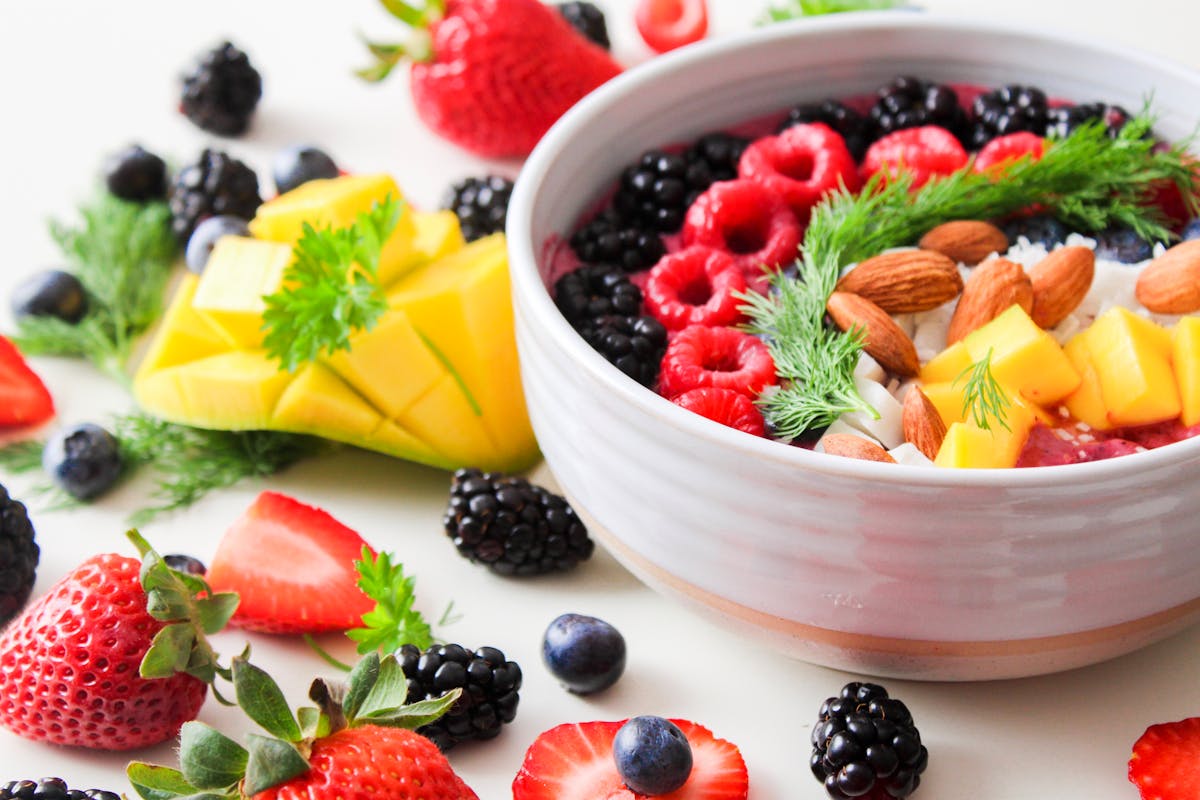
- Greek yogurt bowls with berries, chia seeds, and nut butter—cool and creamy, with a satisfying crunch.
- Egg-white and whole-egg omelets folded around peppers, onions, spinach, and a sprinkle of feta for a savory, fluffy start to the day.
- Lentil or chickpea pasta tossed in tomato sauce with grilled chicken or crispy tofu—comfort food with staying power.
- Cottage cheese blended into smoothies or pancake batter for a surprisingly silky texture and extra protein.
For many home cooks, this style of eating doesn’t feel like being “on a diet.” It’s more like learning to anchor every meal around a satisfying protein, then layering on colorful plants and enough carbs and fats to support training and satiety.
Who Benefits Most from Muscle-Preserving High-Protein Diets?
While nearly anyone trying to improve body composition can benefit from prioritizing protein and resistance training, a few groups are especially well-served by this approach.
Midlife Women and Older Adults
Hormonal shifts, slower recovery, and decades of low-calorie messaging have left many women and older adults under-muscled and under-fueled. A high-protein, strength-focused plan can:
- Help maintain or rebuild lean mass
- Support bone density when combined with lifting
- Stabilize appetite and energy across the day
People Using GLP-1 Medications
GLP-1 medications, used for type 2 diabetes and weight loss, can dramatically reduce appetite. Without careful planning, it’s easy to eat too little overall and lose muscle along with fat. Combining:
- Intentional high-protein meals
- 2–4 resistance training sessions per week
- Enough calories to support basic function
can help preserve strength and metabolic health as weight comes down. Always coordinate this with a healthcare team.
Active People Seeking “Recomp”
For lifters, athletes, and recreational exercisers who want to look more defined without extreme dieting, recomp-style eating—slight deficit, high protein, and structured training—is often more sustainable than crash dieting. Progress may be slower on the scale, but visual and strength changes can be dramatic.
Common Pitfalls and Criticisms of High-Protein Diet Trends
As with any trend, the muscle-preserving, high-protein movement isn’t perfect. Dietitians and researchers have raised a few thoughtful critiques.
- Overreliance on ultra-processed “protein snacks” – Bars, cookies, puddings, and chips with added protein can crowd out whole foods and still be high in sugar, salt, or additives.
- The “more protein is always better” myth – Most people don’t benefit from going far above evidence-based ranges; beyond a point, more isn’t more, especially if it displaces fiber-rich plants.
- Neglect of fiber and phytonutrients – Focusing only on protein and calories can sideline vegetables, fruits, and whole grains that support gut, heart, and long-term metabolic health.
Sample High-Protein, Muscle-Preserving Day of Eating
Here’s how a balanced, high-protein weight-loss day might look for an active adult. Adjust portions based on your appetite, body size, and activity levels.
Breakfast: Greek Yogurt Power Bowl
Thick, tangy Greek yogurt forms a creamy base, topped with sweet, juicy berries, crunchy nuts, and a whisper of cinnamon. It’s cool, refreshing, and surprisingly filling.
- 1 cup (225 g) nonfat or 2% Greek yogurt
- ½ cup mixed berries
- 1 tbsp chia seeds
- 1–2 tbsp chopped almonds or walnuts
- Drizzle of honey or a few drops of stevia (optional)
Lunch: High-Protein Wrap with Veggies
A soft, high-fiber wrap layered with grilled chicken or tofu, crisp lettuce, tomato, cucumber, and a tangy yogurt-based sauce—easy to pack, easy to love.
- High-protein or whole-wheat wrap
- 3–4 oz (85–115 g) grilled chicken breast or marinated tofu
- Lettuce, tomato, cucumber, and onion slices
- 2 tbsp hummus or Greek yogurt sauce
Snack: Cottage Cheese & Fruit
Smooth, slightly salty cottage cheese paired with juicy pineapple or melon hits that sweet-and-savory spot while adding a hefty protein punch.
Dinner: Lentil Pasta with Tomato Sauce & Chicken or Tofu
Al dente lentil pasta soaks up a garlicky tomato sauce, mingling with tender chicken strips or golden tofu cubes. Add sautéed spinach or roasted vegetables for color and texture.
High-Protein Greek Yogurt & Berry Power Bowl (Muscle-Preserving Breakfast)
Prep time:
Cook time:
Total time:
Servings: 1 bowl
Difficulty: Easy
This high-protein Greek yogurt & berry bowl is a quick, no-cook breakfast designed for muscle-preserving weight loss. With around 30–40 grams of protein (depending on your yogurt), juicy berries, and crunchy nuts and seeds, it keeps you full for hours while supporting strength training and fat loss.
Ingredients
- 1 cup (225 g) plain nonfat or 2% Greek yogurt or skyr
- ½ cup mixed berries (fresh or frozen, thawed)
- 1 tbsp chia seeds or ground flaxseed
- 1–2 tbsp chopped nuts (almonds, walnuts, or pecans)
- 1 tbsp pumpkin or sunflower seeds (optional, for extra crunch)
- ½–1 tbsp honey, maple syrup, or 3–4 drops of liquid sweetener, to taste
- ¼ tsp ground cinnamon or cardamom (optional)
- 2–3 tbsp high-protein granola (optional, adjust for calories)
- Optional boost: ½ scoop (10–15 g) vanilla or unflavored protein powder, if needed to reach your target
Equipment
- Medium mixing bowl
- Spoon or small whisk
- Serving bowl
- Measuring cups and spoons
Step-by-Step Instructions
- Prep your yogurt base. In a medium bowl, add the Greek yogurt. If using protein powder, sprinkle it over the top. Stir thoroughly until smooth and creamy, with no dry pockets of powder.
- Sweeten and spice. Add honey, maple syrup, or your chosen sweetener, plus cinnamon or cardamom if you like a warm, cozy flavor. Stir again and taste, adjusting sweetness to your preference.
- Layer for texture. Spoon the yogurt into your serving bowl. Scatter the berries over the top so their juices can mingle with the yogurt.
- Add crunch and healthy fats. Sprinkle chia or ground flaxseed, chopped nuts, and seeds evenly over the bowl. If using granola, add it last so it stays pleasantly crunchy.
- Rest briefly (optional). Let the bowl sit for 5–10 minutes if you used chia seeds; they’ll start to plump slightly, giving the bowl a thicker, pudding-like texture.
- Serve and enjoy. Eat immediately, savoring the contrast of cool yogurt, juicy berries, and nutty crunch. Pair with coffee, tea, or water before a morning strength session or as a satisfying post-workout meal.

Variations & Dietary Adaptations
Storage & Meal Prep Tips
For busy weeks, you can batch-prep 3–4 bowls at once:
- Portion yogurt (and protein powder, if using) into single-serve containers and keep refrigerated for up to 4 days.
- Store nuts, seeds, and granola separately in a small container or bag so they stay crunchy.
- Add berries the night before or just before serving. Frozen berries can be added directly; they’ll thaw by morning.
This recipe is best enjoyed chilled and doesn’t require reheating.
Serving Suggestions & Complementary Dishes
To turn this bowl into part of a complete muscle-preserving day of eating, pair it with:
- A mid-morning snack of sliced veggies with hummus
- A lunch featuring grilled chicken or tofu over a big salad with whole grains
- A dinner of salmon, sweet potato, and roasted broccoli
Together, these meals can easily bring you into the 1.6–2.2 g/kg protein range many studies suggest for preserving muscle during fat loss.
The Big Picture: Why Muscle-Preserving Diets Are a Step Forward
High-protein, muscle-preserving diets mark a meaningful evolution away from deprivation and toward performance, vitality, and long-term health. Instead of treating your body like a math problem, they invite you to treat it like an athlete in training—even if you’re just lifting dumbbells in your living room.
When built on a foundation of lean proteins, vibrant plants, healthy fats, and regular strength training, this approach aligns closely with current research on appetite, metabolism, and long-term weight management. It encourages you to eat in a way that supports the life you want to live—strong, capable, and well-fed—rather than just chasing the lowest possible calorie count.
If you’re a home cook at any skill level, you don’t need perfection to benefit. Start by nudging each meal a little higher in protein, adding an extra vegetable, and lifting something heavy a few times a week. Over time, those small, delicious choices can add up to a body that isn’t just smaller, but stronger and more resilient.
