
Ozempic-Style ‘Skinny Jab’ Culture: GLP‑1 Diet Backlash, Risks, and How to Eat Well on Weight‑Loss Injections
Ozempic-Style ‘Skinny Jab’ Culture and the GLP‑1 Diet Backlash
Prescription GLP‑1 weight‑loss drugs like Ozempic, Wegovy, Mounjaro, and Zepbound have moved from quiet diabetes clinics into the center of pop culture. They’re splashed across social media as “skinny jabs,” whispered about in celebrity gossip, and debated in doctor’s offices and group chats alike. This new wave of pharmacological weight management is reshaping diet culture—shifting the focus from willpower and restrictive meal plans to injections that can dramatically blunt appetite.
At the same time, there’s a powerful backlash brewing. Nutritionists, doctors, therapists, and long‑time dieters are asking hard questions: What happens to our relationship with food when hunger almost disappears? How do we protect muscle, metabolism, and mental health during rapid weight loss? And how do we build nourishing, satisfying meals when a few bites might be all you want?
A New Kind of Diet Culture in One Picture
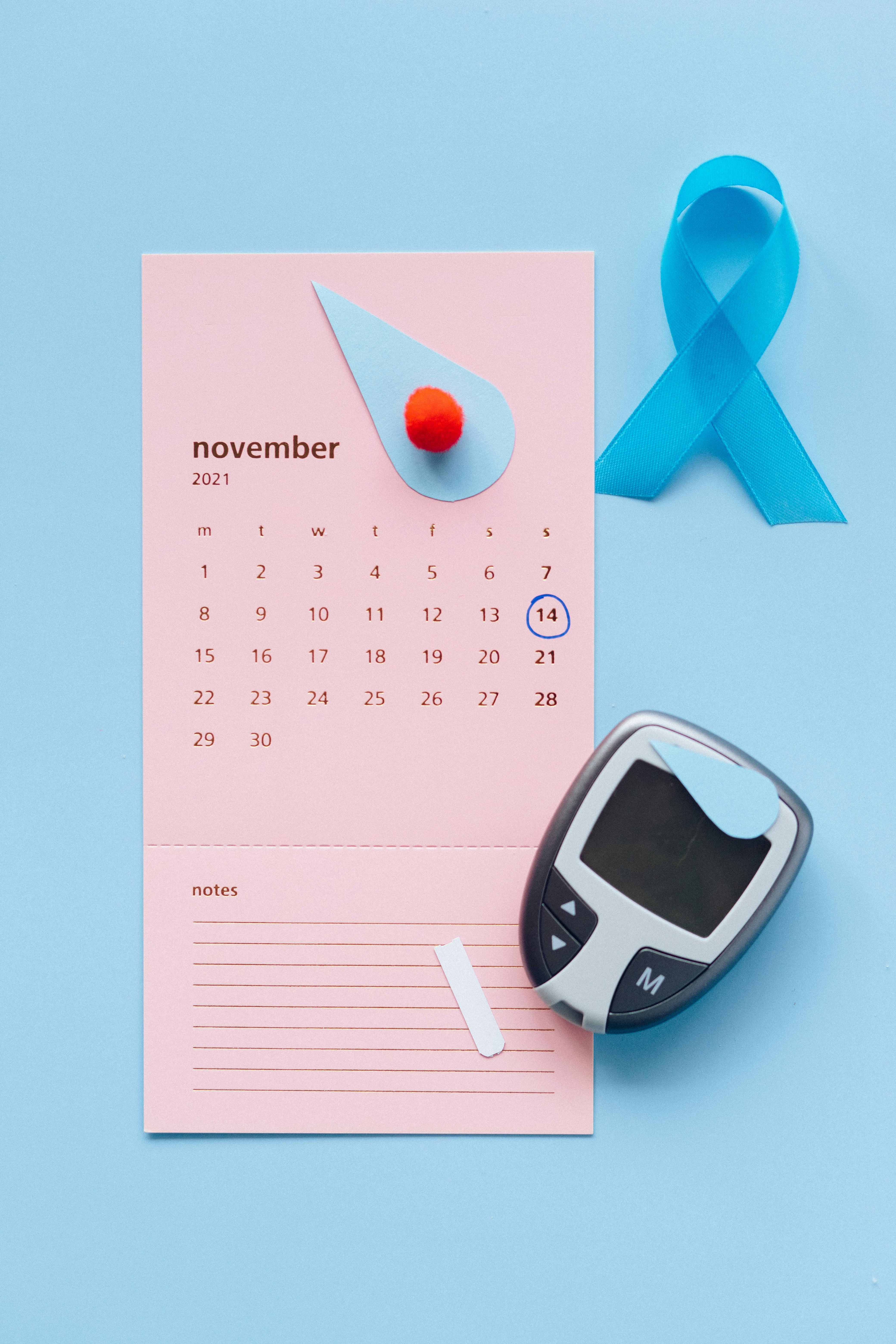
The image so many people now recognize: a neat injection pen beside salad greens, a glass of water, maybe a protein shake. It captures the tension of the GLP‑1 era—powerful medical tools sitting right next to the everyday food choices that still quietly shape our health.
What Are GLP‑1 Drugs Like Ozempic, Wegovy, Mounjaro, and Zepbound?
GLP‑1 agonist medications were originally developed to treat type 2 diabetes. Today, specific versions—with higher doses and strict medical criteria—are approved and prescribed for chronic weight management as well. Online, they’re often lumped together as “Ozempic-style” drugs or “skinny jabs,” but they are not lifestyle accessories; they’re prescription medicines that act on powerful metabolic pathways.
These medications mimic or enhance hormones such as GLP‑1 (and for some drugs, GIP) that:
- Slow gastric emptying, so food stays in the stomach longer.
- Increase feelings of fullness and satisfaction after relatively small meals.
- Help regulate blood sugar by stimulating insulin and reducing glucagon.
- Blunt cravings and “food noise” for many users.
Under medical supervision, some people lose 15–20% or more of their body weight in about a year. For individuals with obesity and weight‑related conditions, this can be life‑changing. But weight loss is only part of the picture.
How “Skinny Jab” Culture Took Over Social Media
Open almost any social platform and you’ll find it: “What I eat on Ozempic” vlogs, dramatic before‑and‑after photos, unboxing videos of injection pens, and endless speculation about which celebrity “secretly” uses Wegovy or Mounjaro. The narrative is seductive—rapid transformation, shrinking clothing sizes, compliments rolling in.
The trend has been fueled by:
- Viral success stories with striking photos and fast timelines.
- Celebrity rumors that glamorize pharmacological weight loss.
- Targeted marketing from pharmaceutical companies and clinics.
- New diet templates like “GLP‑1-friendly” or “Ozempic diets.”
Behind each glossy clip, though, is a real body adapting to rapid metabolic change, and a real person renegotiating their relationship with food, hunger, and self‑image.
The GLP‑1 Backlash: Risks, Side Effects, and Ethical Questions
As quickly as enthusiasm has grown, so has concern. Many clinicians and ethics experts are wary of how casually “skinny jabs” are discussed online, especially when posts gloss over risks or treat injections like a shortcut anyone can (or should) take.
Reported side effects can include:
- Nausea, vomiting, and sometimes severe loss of appetite.
- Constipation, diarrhea, bloating, and abdominal discomfort.
- Gallbladder issues and, rarely, more serious complications.
- Potential loss of lean muscle and bone when weight drops quickly.
There are also wider ethical and social issues:
- Drug shortages that can impact people with diabetes who rely on these medications for blood‑sugar control.
- High costs and unequal access, with many people paying steep out‑of‑pocket prices.
- Workplace and aesthetic pressure, especially in public‑facing industries, to be thinner at any cost.

What Is a “GLP‑1‑Friendly” Diet?
As more people are prescribed GLP‑1 medications long term, dietitians are seeing a new challenge: people who are finally losing weight—but struggling to eat enough of the right things. When your appetite plunges, every bite matters.
The emerging evidence‑based guidance focuses on:
- Protein prioritization
Many active users may benefit from about 1.6–2.2 g of protein per kilogram of body weight (or individualized guidance from a dietitian) to help preserve muscle while appetite is suppressed. - Nutrient density over volume
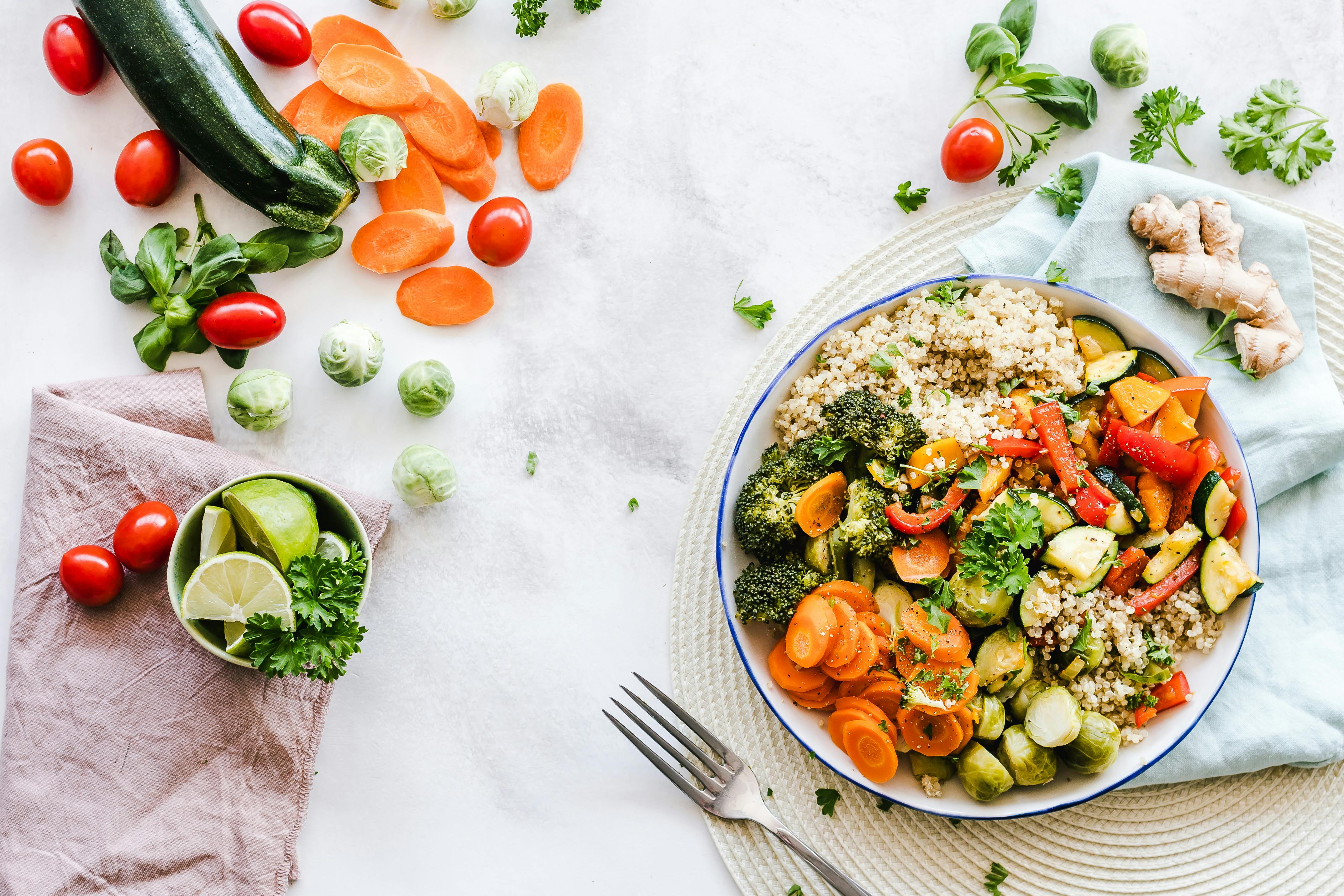
Smaller portions should be packed with vitamins, minerals, and healthy fats: think eggs, fish, legumes, leafy greens, nuts, seeds, and fermented foods rather than ultra‑processed snacks. - Fiber and gut health
Because GLP‑1 drugs slow digestion, constipation is common. Gradually increasing fiber from vegetables, fruits, whole grains, and prebiotic foods—alongside adequate hydration—can support bowel regularity and gut health. - Movement and strength training
Lifting weights or doing resistance exercise 2–4 times a week helps protect lean mass and bone density, which are especially vulnerable during rapid weight loss.
The Psychological Side: Hunger, Identity, and Old Diet Wounds
One of the most surprising experiences people describe on GLP‑1 drugs is the sudden quieting of “food noise”—the constant thinking about what to eat next, the cravings that used to feel overwhelming. For some, this feels liberating. For others, it’s unsettling, as though a part of their identity has gone silent.
Therapists and intuitive eating practitioners are raising thoughtful questions:
- What does it mean to “trust your body” when your hunger signals are pharmacologically altered?
- How do you process rapid body changes after years of stable weight or chronic dieting?
- Can using GLP‑1 medications trigger or mask disordered eating patterns?
Many people discover that the emotional reasons they turned to food—comfort, stress relief, distraction—don’t disappear just because their appetite has. Without support, this can lead to new struggles, like relying more heavily on alcohol, overwork, or other coping mechanisms.
Medication can change what’s on your plate, but it doesn’t automatically heal your relationship with food, your body, or your past diet trauma.
Beyond Hype and Backlash: A More Balanced Perspective
The GLP‑1 wave marks a profound shift: from willpower‑driven diets to pharmacologically assisted weight management. For many people with obesity and related conditions, these drugs are not vanity tools—they are part of serious, evidence‑based treatment plans that can improve blood sugar, blood pressure, sleep apnea, and more.
At the same time, framing them as a quick fix or social status symbol is risky. Long‑term success stories tend to share a pattern:
- Regular follow‑up with healthcare providers, including lab work and dose adjustments.
- Intentional, protein‑rich, nutrient‑dense eating patterns—despite reduced appetite.
- Consistent movement and strength training to preserve metabolic health.
- Emotional and psychological support, whether via therapy, support groups, or trusted communities.

Practical Tips for Eating Well on GLP‑1 Medications
If you and your healthcare provider decide that a GLP‑1 medication is right for you, a few simple, food‑centered strategies can help protect your health as the scale moves.
- Start meals with protein
Think Greek yogurt with nuts, eggs with sautéed spinach, tofu stir‑fry, or grilled fish. This supports muscle retention and steady energy. - Embrace small, frequent, gentle meals
Heavy, greasy foods can feel especially uncomfortable when gastric emptying is slowed. Lighter, well‑chewed portions are often better tolerated. - Hydrate mindfully
Sip water or herbal teas throughout the day; avoid chugging large volumes with meals to reduce bloating and nausea. - Focus on texture and comfort
Soft, moist foods (like stewed lentils, soups, or slow‑cooked meats) often sit more comfortably than dry or very dense items. - Plan for fiber
Include a mix of soluble fiber (oats, beans, chia seeds) and insoluble fiber (vegetable skins, whole grains) to support digestion—introducing changes slowly. - Check in with your feelings
Notice any changes in mood, body image, or coping habits as your appetite and body evolve. Reaching out for support is a sign of strength, not failure.

Moving Forward: Choosing Care, Not Just Thinness
The story of Ozempic‑style drugs is still being written. As research grows and more long‑term data emerge, our understanding of benefits, risks, and best practices will deepen. In the meantime, we can resist the pull of “miracle fix” thinking and the shame‑based language of old diet culture.
Whether you use GLP‑1 medications or not, the most sustainable path tends to look surprisingly familiar: meals that truly nourish, movement that feels doable, enough sleep, and a kinder way of talking to yourself about your body. Medications can be powerful tools, but they’re most helpful when they support—not replace—these fundamentals.
