
Mediterranean‑Plus Magic: How Blue Zone Eating and Celebrity Buzz Are Reinventing the Classic Mediterranean Diet
The “Mediterranean‑Plus” Diet: Longevity, Blue Zones, and Modern Mediterranean Cooking
There’s a new wave of Mediterranean eating washing over our feeds and kitchens—“Mediterranean‑plus,” a modern, flexible way of cooking that blends beloved Mediterranean flavors with Blue Zone longevity wisdom. Think olive oil shimmering over roasted vegetables, slow‑simmered lentils, whole grains, and plenty of herbs, eaten around a table with people you love rather than in front of a screen.
Instead of a strict “diet,” Mediterranean‑plus is more like a joyful lifestyle: colorful, mostly plant‑based meals, relaxed portions of seafood and dairy, and very little ultra‑processed food. It’s being championed by researchers, celebrated by celebrities, and explored in streaming documentaries that follow long‑lived communities from Sardinia to Ikaria. Let’s unpack what it really looks like on the plate—and then bring it to life with a vibrant, Blue Zone‑inspired Mediterranean Power Bowl recipe you can make tonight.
Quick Recipe Snapshot: Blue Zone‑Inspired Mediterranean Power Bowl
- Prep time: 20 minutes
- Cook time: 25 minutes
- Total time: ~45 minutes
- Servings: 4 bowls
- Difficulty: Easy
- Diet: Mediterranean, vegetarian, high‑fiber (vegan‑friendly)
What Is the “Mediterranean‑Plus” Diet?
Mediterranean‑plus is a refreshed Mediterranean diet pattern that folds in Blue Zone concepts and updated nutrition science. At its heart, it still celebrates the traditional foods of coastal regions like Greece, Southern Italy, and parts of Spain—plenty of vegetables, fruits, legumes, whole grains, nuts, seeds, olive oil, and herbs—while dialing up plant diversity and fiber, and dialing down ultra‑processed foods.
Streaming series and documentaries filmed in places like Sardinia and Ikaria have helped many home cooks see this not as a weight‑loss scheme, but as a way to “eat for 90+”—supporting long‑term heart health, brain health, and metabolic well‑being through everyday food and lifestyle choices.
“Mediterranean‑plus is less about restriction and more about repetition—repeating a pattern of colorful, fiber‑rich, minimally processed meals, day in and day out, in the company of others.”
Core Features of Mediterranean‑Plus Eating
If you peek into the pantry and fridge of someone following a Mediterranean‑plus pattern, you’ll find a few delicious themes:
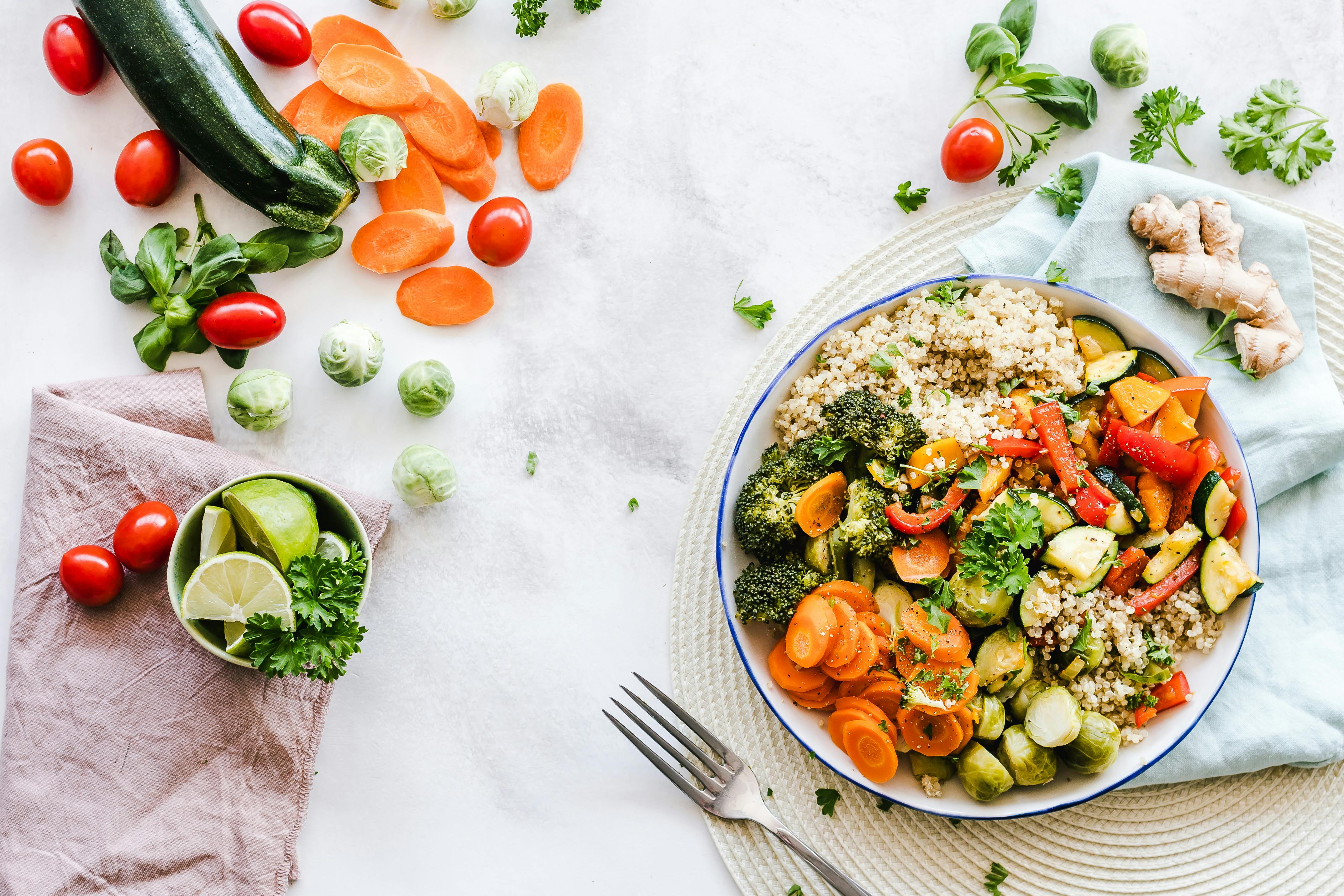
- Plant‑forward plates: Vegetables, fruits, legumes (like lentils, chickpeas, beans), whole grains, nuts, and seeds form the base of most meals.
- Olive oil as the star fat: Extra‑virgin olive oil replaces butter and many refined oils, bringing peppery aroma and heart‑healthy monounsaturated fats.
- Moderate animal foods: Fish and seafood appear a few times a week, poultry and eggs occasionally, and red or processed meats only rarely.
- Low ultra‑processed foods: Minimal packaged snacks, sugary drinks, and sweets; desserts often lean on fruit, nuts, and yogurt.
- Optional, modest alcohol: Some traditional patterns include small amounts of wine with meals, though many modern Mediterranean‑plus approaches skip alcohol entirely.
- Blue Zone “plus” factors: Higher pulse (legume) intake, conscious plant diversity to feed a healthy gut microbiome, and sometimes gentle time‑restricted eating (like 12:12 or 14:10) for those who find it helpful.
- Lifestyle on the side: Regular movement, strong social connections, unhurried meals, and good sleep are treated as part of the “recipe.”
Longevity, Blue Zones, and Why Mediterranean‑Plus Matters
Research over decades has consistently linked Mediterranean‑style diets with lower risk of heart disease, some cancers, type 2 diabetes, and overall mortality. The Mediterranean‑plus approach builds on this by borrowing from Blue Zones—regions where people often live into their 90s and beyond with surprisingly low rates of chronic disease.
In places like Sardinia (Italy) and Ikaria (Greece), food is only one piece of the puzzle. Daily walking up steep hills, gardening, close‑knit communities, and regular shared meals all contribute to longevity. Mediterranean‑plus aims to capture this larger picture: not just what you eat, but how and with whom.
From a nutrient perspective, Mediterranean‑plus meals tend to be:
- Rich in monounsaturated fats from olive oil, nuts, and seeds that support healthy cholesterol profiles.
- Supportive of brain and heart health via omega‑3s from fish, walnuts, and some seeds.
- Packed with antioxidants and polyphenols from herbs, spices, vegetables, fruit, coffee, and tea.
- High in fiber from legumes and whole grains, which stabilizes blood sugar and feeds beneficial gut bacteria.
Celebrity Endorsements and Streaming Buzz
Mediterranean‑plus eating has been embraced by a growing list of public figures who describe it as their “non‑diet” diet: flexible enough for red‑carpet schedules, but grounded in evidence. Instead of obsessing over calories, they highlight big salad bowls, grilled fish, legumes, and olive‑oil‑drenched vegetables as their go‑to staples.
Streaming platforms and documentary series that explore Sardinia, Ikaria, and other Blue Zones have amplified this, showcasing families sitting down to simple, slow‑cooked bean stews, minestrone, or vegetable‑heavy pastas. This media spotlight has helped shift the conversation from “How can I lose 10 pounds quickly?” to “How can I still be walking the hills at 90?”
For home cooks, the biggest benefit of this trend is inspiration. Social media is now overflowing with approachable Mediterranean‑plus recipes:
- Roasted vegetable and chickpea sheet‑pan dinners showered with herbs.
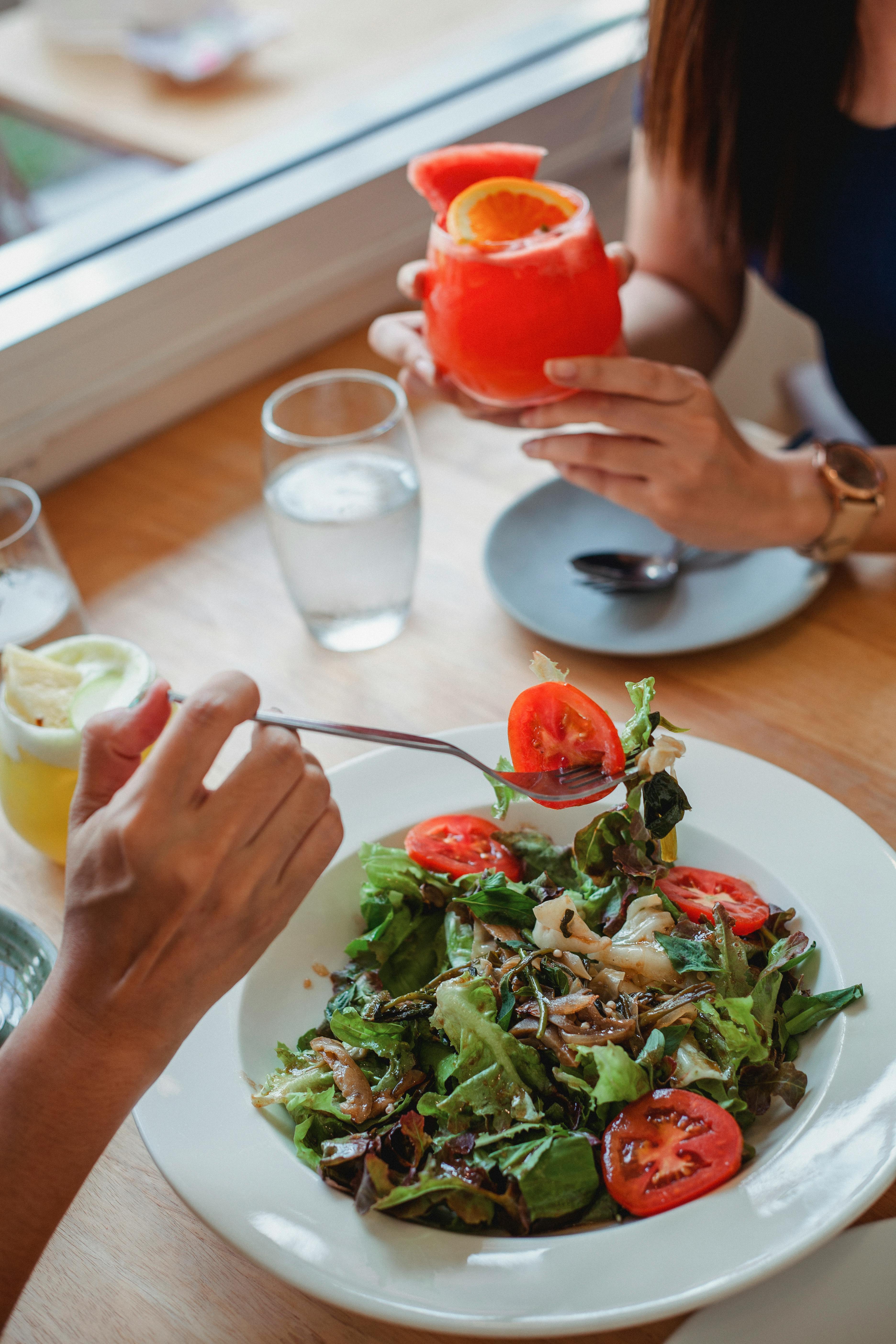
- Greek‑style salads layered with cucumbers, tomatoes, olives, and feta.
- Lentil and bean soups or minestrone that taste better the next day.
- Whole‑grain bowls topped with grilled fish, tahini drizzle, and piles of greens.
Blue Zone‑Inspired Mediterranean Power Bowl
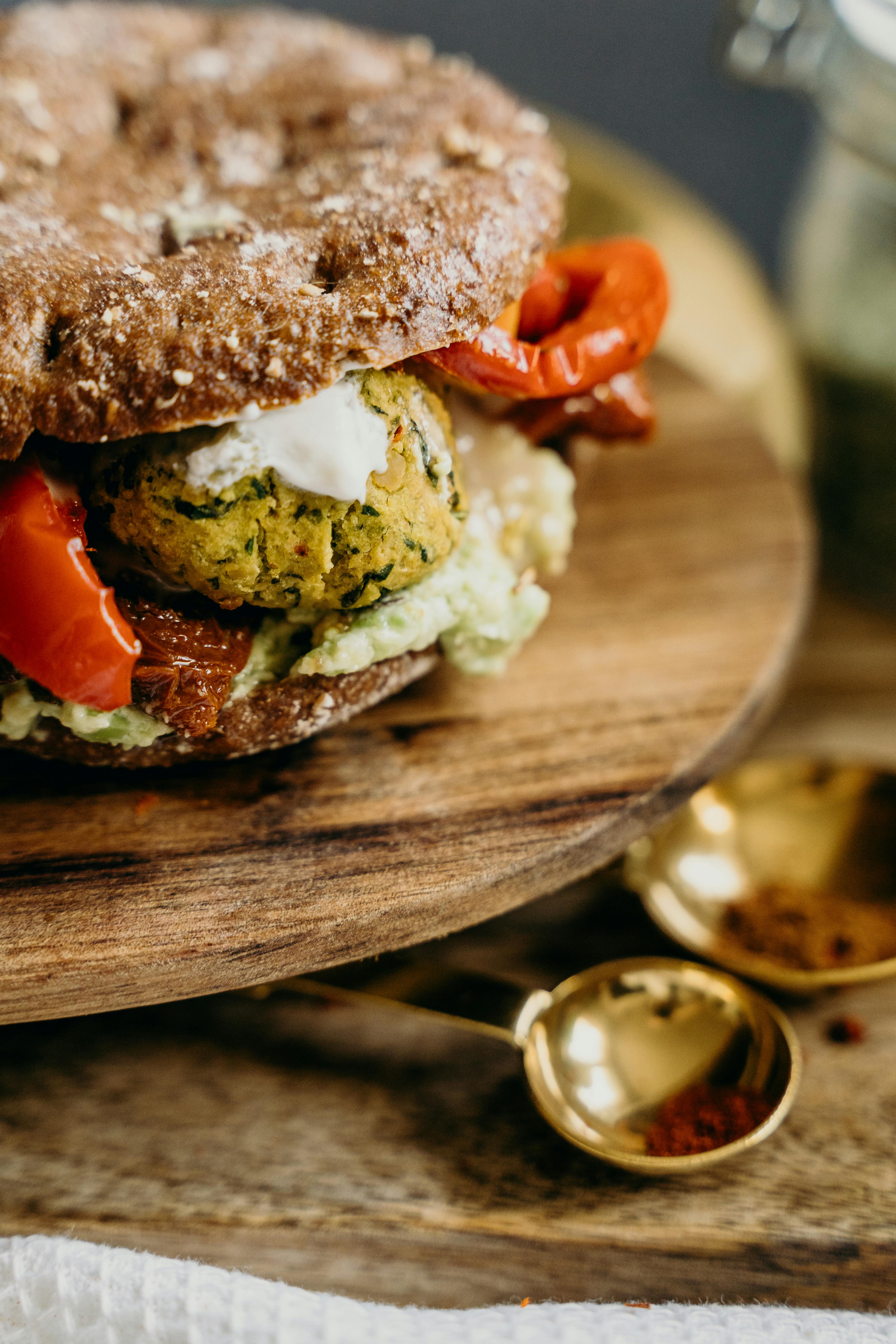
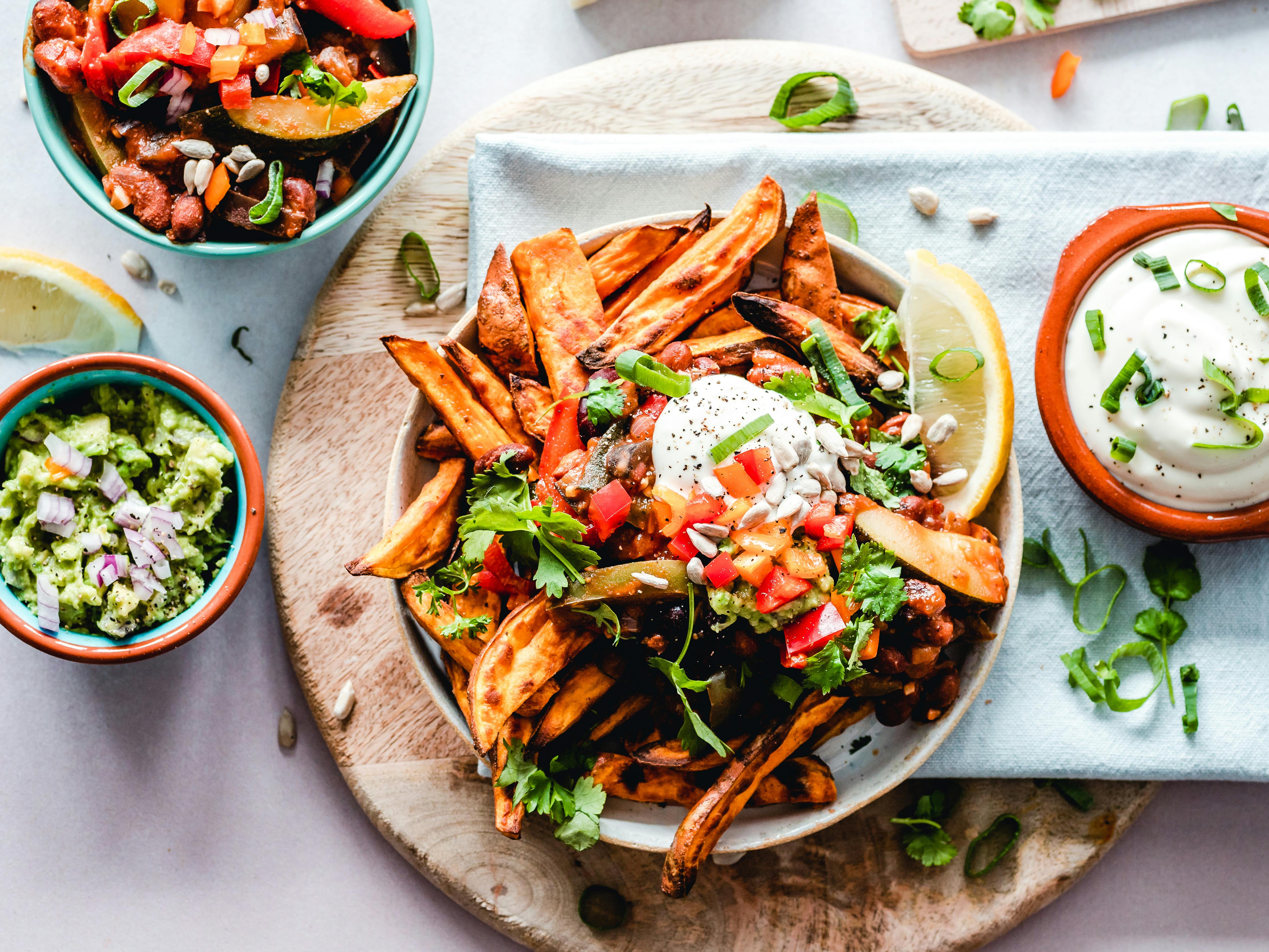
This Blue Zone‑inspired Mediterranean Power Bowl layers chewy whole grains, lemony chickpeas, smoky roasted vegetables, crisp greens, and a creamy tahini‑yogurt sauce. It’s a one‑bowl expression of Mediterranean‑plus cooking: plant‑forward, fiber‑rich, deeply aromatic, and endlessly adaptable for vegan, vegetarian, or pescatarian eaters.
At a Glance
- Prep time:
- Cook time:
- Total time:
- Serves: 4
- Difficulty: Easy
Equipment
- 1 large baking sheet (or 2 smaller, for better browning)
- Mixing bowls (medium and small)
- Chef’s knife and cutting board
- Fine‑mesh strainer (for rinsing grains and chickpeas)
- Medium saucepan with lid (for cooking grains)
- Whisk or fork (for the sauce)
Ingredients
For the grain base
- 1 cup (190 g) dry cooked whole grain such as farro, barley, or brown rice (about 3 cups cooked)
- 2 cups (480 ml) water or low‑sodium vegetable broth
- 1/4 teaspoon sea salt
For the roasted vegetables & chickpeas
- 1 medium red onion, cut into thick wedges
- 1 large red or yellow bell pepper, sliced into strips
- 1 medium zucchini, halved lengthwise and sliced into half‑moons
- 1 small eggplant, cut into 2.5 cm (1‑inch) cubes (optional but very Mediterranean)
- 1 1/2 cups (about 250 g) cherry tomatoes, left whole
- 1 can (15 oz / 425 g) chickpeas, drained and rinsed
- 3 tablespoons extra‑virgin olive oil
- 1 teaspoon smoked paprika
- 1 teaspoon dried oregano
- 1/2 teaspoon ground cumin
- 1/2 teaspoon sea salt, plus more to taste
- Freshly ground black pepper, to taste
For the greens & fresh toppings
- 4 packed cups mixed leafy greens (baby spinach, arugula, or romaine)
- 1 small cucumber, diced
- 1/4 cup pitted Kalamata olives, halved
- 1/4 cup crumbled feta cheese (omit or use plant‑based for vegan)
- 1/4 cup toasted nuts or seeds (walnuts, almonds, or pumpkin seeds)
- 1 small bunch fresh parsley or basil, roughly chopped
- 1–2 lemons, cut into wedges, for serving
For the lemon‑tahini yogurt sauce
- 3 tablespoons tahini (sesame paste)
- 1/3 cup (80 g) plain Greek yogurt or unsweetened plant yogurt
- 2 tablespoons freshly squeezed lemon juice
- 1 small garlic clove, finely grated or minced
- 2–4 tablespoons water, to thin
- 1 tablespoon extra‑virgin olive oil
- 1/4 teaspoon sea salt, or to taste
Step‑by‑Step Instructions
- Cook the whole grains.
Rinse the grain of your choice under cool water using a fine‑mesh strainer. In a medium saucepan, bring 2 cups (480 ml) water or broth and 1/4 teaspoon salt to a boil. Add the grain, reduce heat to low, cover, and simmer until tender (about 20–25 minutes for brown rice or farro; check package directions). Fluff with a fork and keep covered off the heat. - Preheat the oven and prep the vegetables.
Preheat your oven to 220°C (425°F). Line a large baking sheet with parchment paper for easy cleanup. Place the onion wedges, bell pepper strips, zucchini slices, eggplant cubes (if using), cherry tomatoes, and chickpeas on the sheet. - Season and roast.
Drizzle the vegetables and chickpeas with 3 tablespoons olive oil. Sprinkle with smoked paprika, dried oregano, cumin, 1/2 teaspoon salt, and black pepper. Toss directly on the tray until everything is well coated, then spread into an even layer. Roast for 20–25 minutes, stirring once halfway, until the vegetables are tender with caramelized edges and the chickpeas are just crisped. - Prepare the greens and fresh toppings.
While the vegetables roast, rinse and dry the leafy greens. Dice the cucumber, halve the olives, crumble the feta, and roughly chop the parsley or basil. Toast the nuts or seeds in a dry skillet over medium heat for 3–4 minutes, stirring frequently, until fragrant and lightly golden. Set aside to cool. - Make the lemon‑tahini yogurt sauce.
In a small bowl, whisk together the tahini, Greek yogurt, lemon juice, grated garlic, and olive oil. Add 2 tablespoons of water, whisking until smooth and pourable. If the sauce is too thick, gradually whisk in more water, 1 tablespoon at a time. Season with 1/4 teaspoon salt and adjust lemon or salt to taste. The flavor should be bright, nutty, and gently garlicky. - Build your Mediterranean‑plus bowls.
Divide the cooked grains among 4 bowls. Add a generous handful of leafy greens to each. Top with the roasted vegetables and chickpeas, then scatter cucumber, olives, feta, and toasted nuts or seeds over the top. Drizzle each bowl with the lemon‑tahini yogurt sauce. - Finish with herbs and lemon.
Shower the bowls with chopped parsley or basil and add lemon wedges on the side. Squeeze lemon over the bowl just before eating for a fresh, zesty lift. Taste and add a pinch more salt or a swirl of olive oil if desired.
Tips, Variations, and Dietary Swaps

Storage and Reheating
One of the secrets of long‑lived cultures is cooking once and eating multiple times. This recipe is perfect for that.
- Refrigeration: Store cooked grains and roasted vegetables/chickpeas in separate airtight containers in the fridge for up to 4 days. Keep sauce, greens, and fresh toppings in their own containers.
- Reheating: Warm grains and roasted vegetables in a skillet over medium heat with a splash of water or broth, or in the microwave until hot. Assemble with fresh greens and cold sauce for contrast.
- Freezing: Grains and roasted vegetables freeze well for up to 2 months. Thaw overnight in the fridge and reheat gently; add fresh greens and sauce just before serving.
- Meal‑prep bowls: For grab‑and‑go lunches, pack grains and roasted veg together, keep the sauce and greens separate, and combine just before eating to maintain texture.
Serving Suggestions and Complementary Dishes
To build a full Mediterranean‑plus meal around these bowls, you can:
- Add a simple side salad of tomato, cucumber, red onion, and olives dressed with olive oil and red wine vinegar.
- Serve with a small portion of whole‑grain bread or toasted sourdough for dipping into extra sauce and olive oil.
- Finish with a fruit‑forward dessert like orange slices with a drizzle of honey and chopped pistachios, or fresh berries with a spoonful of yogurt.
- Enjoy alongside herbal tea or unsweetened coffee, both rich in polyphenols and beloved in many Mediterranean and Blue Zone communities.

Bringing Mediterranean‑Plus into Your Everyday Cooking
You don’t need to live on a sun‑drenched hillside to eat like a Blue Zone. Start by centering most meals around plants, reaching for olive oil instead of butter, and planning a couple of legume‑based dishes each week. Let recipes like this Mediterranean Power Bowl become part of your rotation—easy, forgiving templates that you can tweak with whatever’s in season.
Every time you toss chickpeas with olive oil and paprika, roast a pan of vegetables, or sit down to a colorful bowl with someone you care about, you’re practicing Mediterranean‑plus living. It’s a pattern built not on perfection, but on delicious, repeatable habits—and your kitchen is the perfect place to begin.
