
Microbiome Eating: How High‑Protein, High‑Fiber “Gut‑Healthy” Meals Are Taking Over Our Plates
High‑Protein, High‑Fiber “Gut‑Healthy” Diets & the Rise of Microbiome Eating
Gut health has moved from a niche wellness topic to a central pillar of everyday eating. All over TikTok, YouTube, and podcasts, home cooks are building high‑protein, high‑fiber “gut‑healthy” meals—bowls piled with beans, crunchy veggies, creamy yogurt, and tangy ferments—because they’re hearing that what we feed our microbiome can shape everything from digestion and mood to immunity and energy.
In this guide, we’ll unpack why microbiome‑focused eating is trending, what a gut‑supportive plate actually looks like, and how you can bring this science to life in your kitchen with satisfying, flavor‑packed food rather than restriction.

Why Gut‑Healthy, Microbiome‑Friendly Eating Is Surging
Over the past few years, the gut microbiome—the trillions of bacteria and other microorganisms in our digestive tract—has become a celebrity in nutrition conversations. Modern research, popular science books, and accessible podcasts have translated dense microbiology into simple kitchen rules: eat more plants, more fiber, and fewer ultra‑processed foods.
For many people dealing with bloating, IBS‑like symptoms, reflux, or irregularity, this is deeply practical. Instead of only turning to medication, they’re experimenting with food‑first approaches: swapping refined snacks for nuts and fruit, building bean‑heavy dinners, and choosing slow‑fermented breads.
“Eat for your gut first; energy, mood, and weight will follow” has quietly replaced the old, weight‑only diet culture narrative for a growing number of home cooks.
- Popular science communication: Books, Netflix‑style series, and expert‑hosted podcasts make microbiome science sound like a friendly kitchen project.
- Everyday digestive issues: Bloating and discomfort are so common that “bloat‑friendly meals” and “IBS‑sensitive recipes” now trend regularly.
- Social media virality: “Gut‑healthy recipes,” “microbiome‑boosting breakfasts,” and “high‑fiber high‑protein bowls” are video formats in their own right.

What a Gut‑Healthy, High‑Protein, High‑Fiber Plate Really Looks Like
At its best, “eating for your microbiome” is less about obscure supplements and more about everyday ingredients arranged a bit more thoughtfully. The emphasis is on fibers, plant diversity, and balanced protein—foods that keep you full, steady your blood sugar, and keep your microbes well‑fed.
1. High, Diverse Fiber Intake
Instead of obsessing over a single “superfood,” gut‑healthy diets prioritize variety:
- Colorful vegetables: leafy greens, brassicas (like broccoli), carrots, peppers, squash.
- Fruits: berries, apples, pears, citrus, kiwi, pomegranate.
- Whole grains: oats, barley, quinoa, bulgur, brown rice, whole‑wheat pasta.
- Legumes: lentils, chickpeas, black beans, kidney beans, soybeans.
- Nuts & seeds: almonds, walnuts, chia, flax, pumpkin seeds, sunflower seeds.
Many microbiome researchers now talk about a “plant points” style goal—aiming for 20–30+ different plant foods per week. Each new plant offers a slightly different blend of fibers and phytochemicals, which feed different microbial species.
2. Fermented Foods With Live Cultures
Fermented foods are like tiny probiotic festivals in your fridge. You’ll often see:
- Yogurt and kefir (dairy or plant‑based, with live and active cultures)
- Kimchi and sauerkraut (uncooked and refrigerated to preserve live microbes)
- Miso and tempeh for deep umami notes in soups, marinades, and bowls
- Some kombuchas and other cultured drinks, ideally with limited added sugar
3. Resistant Starches
Resistant starch is a special kind of carbohydrate that “resists” digestion in the small intestine, landing in the colon where microbes happily ferment it into beneficial short‑chain fatty acids. Everyday sources include:
- Cooled potatoes (think potato salad with olive oil and herbs)
- Cooked, cooled rice or pasta used in salads and grain bowls
- Green‑ish bananas and some plantains
- Oats and beans, especially when cooked and cooled
4. Adequate, Mostly Whole‑Food Protein
High‑protein gut‑healthy diets usually lean into whole protein sources rather than ultra‑processed protein snacks. Popular choices include:
- Legumes (lentils, beans, chickpeas) that offer both protein and fiber
- Eggs, fish, poultry, and moderate amounts of lean meat
- Soy foods like tofu and tempeh
- Greek yogurt, skyr, or fortified plant yogurts
- Nuts, seeds, and minimally processed protein powders when needed
From Overnight Oats to Grain Bowls: Microbiome Eating in Everyday Meals
On social media, creators rarely talk about “short‑chain fatty acids” or “bifidobacteria.” Instead, they share colorful recipes that just happen to tick all the microbiome boxes. Here are some of the most common gut‑healthy meal formats:
Fiber‑Rich Breakfasts
- Overnight oats with chia or flax seeds, mixed berries, and a dollop of yogurt.
- High‑fiber smoothies with greens, fruit, oats, and nut butter instead of just fruit juice.
- Toast on slow‑fermented sourdough topped with avocado, smoked salmon, or hummus and seeds.
High‑Protein, High‑Fiber Bowls
Grain bowls have become the poster child of microbiome eating. A typical bowl layers:
- A base of whole grains (quinoa, farro, barley, brown rice)
- A hearty scoop of beans, lentils, tofu, or grilled chicken
- At least 2–3 vegetables in different colors (roasted, raw, or pickled)
- Fermented accents like kimchi, sauerkraut, or miso‑tahini dressing
- A finishing sprinkle of nuts, seeds, or herbs
Snack Swaps & Sourdough Love
Many people ease into gut‑healthy eating simply by trading ultra‑processed snacks for:
- Fruit with a handful of nuts
- Veggies and hummus
- Yogurt parfaits with granola and seeds
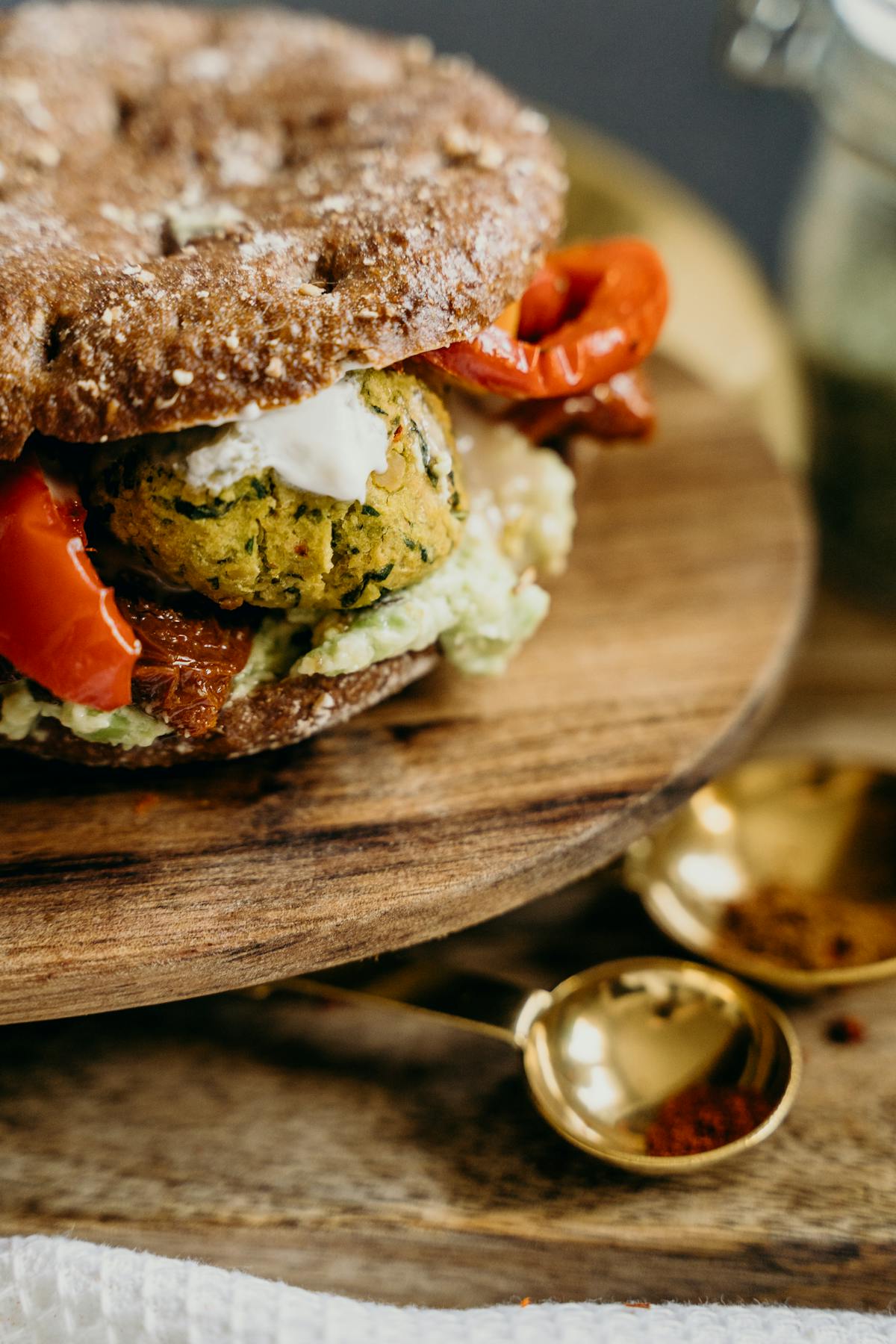
Slow‑fermented sourdough has also become a favorite replacement for white bread. While it isn’t magically “low‑carb,” its fermentation process can make it gentler for some people and adds nuance to both flavor and texture.
The Gut–Brain Axis: Mood, Energy & Microbiome Eating
One of the most compelling reasons people stick with gut‑healthy, high‑fiber eating is how they feel: steadier energy, less afternoon crash, and sometimes improvements in mood and anxiety. This is often framed under the umbrella of the gut–brain axis—the two‑way communication between your digestive system and your nervous system.
While research is still evolving, it appears that fibers and fermented foods may help support the production of short‑chain fatty acids and other compounds involved in inflammation and neurotransmitter pathways. For many home cooks, the science is a bonus; what they notice day‑to‑day is that balanced, minimally processed meals leave them feeling more grounded and satisfied than ultra‑processed convenience foods.

How Supermarkets Are Responding: Prebiotic Sodas, Fiber Snacks & Label‑Reading
As interest in gut‑healthy and microbiome‑supportive diets has grown, supermarket shelves have quickly followed. You’ll now find:
- Prebiotic sodas that blend sparkling water with fibers like inulin or chicory root.
- High‑fiber snack bars promising “gut health” with added prebiotics.
- Yogurts with specific probiotic strains and boosted fiber content.
- Cereals and crackers boasting “good source of fiber” or “supports digestion” claims.
Consumers have started paying closer attention to fiber and added sugars on labels rather than just calories. That said, not every “gut‑health” stamp is meaningful. Some products rely on tiny amounts of added fiber or probiotics while still being high in sugar or ultra‑processed.
Moving Beyond Weight‑Only Diets: The Promise & Pitfalls of Gut‑Centric Eating
One of the healthiest shifts within the microbiome movement is its focus on nourishment over punishment. Many creators talk about eating enough—enough fiber, enough protein, enough color—rather than shaming specific body sizes. “Feed your gut” feels kinder than “shrink yourself.”
Still, there are risks. It’s easy for well‑intentioned gut‑health advice to morph into overly restrictive rules, especially around gluten, grains, FODMAPs, or entire food groups. For most people without a diagnosed condition like celiac disease, blanket eliminations aren’t necessary and can even reduce the diversity of the microbiome in the long run.
- Helpful trends: more plants, more cooking at home, less ultra‑processed food, more attention to fiber and fermented foods.
- Potential pitfalls: unmonitored elimination diets, fear of normal digestive sensations, and overreliance on expensive probiotic products.
Simple Ways to Start a High‑Protein, High‑Fiber, Gut‑Healthy Routine
You don’t need a perfectly curated “microbiome meal plan” to support gut health. A few small, tasty tweaks to your weekly routine can make a noticeable difference—without demanding hours in the kitchen.
- Add, don’t just remove. Before cutting anything out, focus on adding one extra plant‑based food to each meal: a side of beans, a handful of berries, a sprinkle of seeds.
- Upgrade your breakfast. Trade refined pastries or sugary cereal for overnight oats, yogurt bowls, or eggs with whole‑grain toast and veggies.
- Cook one big pot of legumes weekly. A batch of lentils or chickpeas can anchor soups, salads, grain bowls, and wraps.
- Keep a fermented “condiment” on hand. A jar of kimchi, sauerkraut, or miso paste turns simple dishes into microbiome‑friendly meals.
- Build balanced bowls. Aim for a pattern: whole‑grain base + protein + 2–3 veggies + healthy fat + optional ferment.
- Hydrate and move. Fiber works best with enough water and some gentle movement—both support comfortable digestion.
Meal Prep, Storage & Reheating for Gut‑Friendly Food
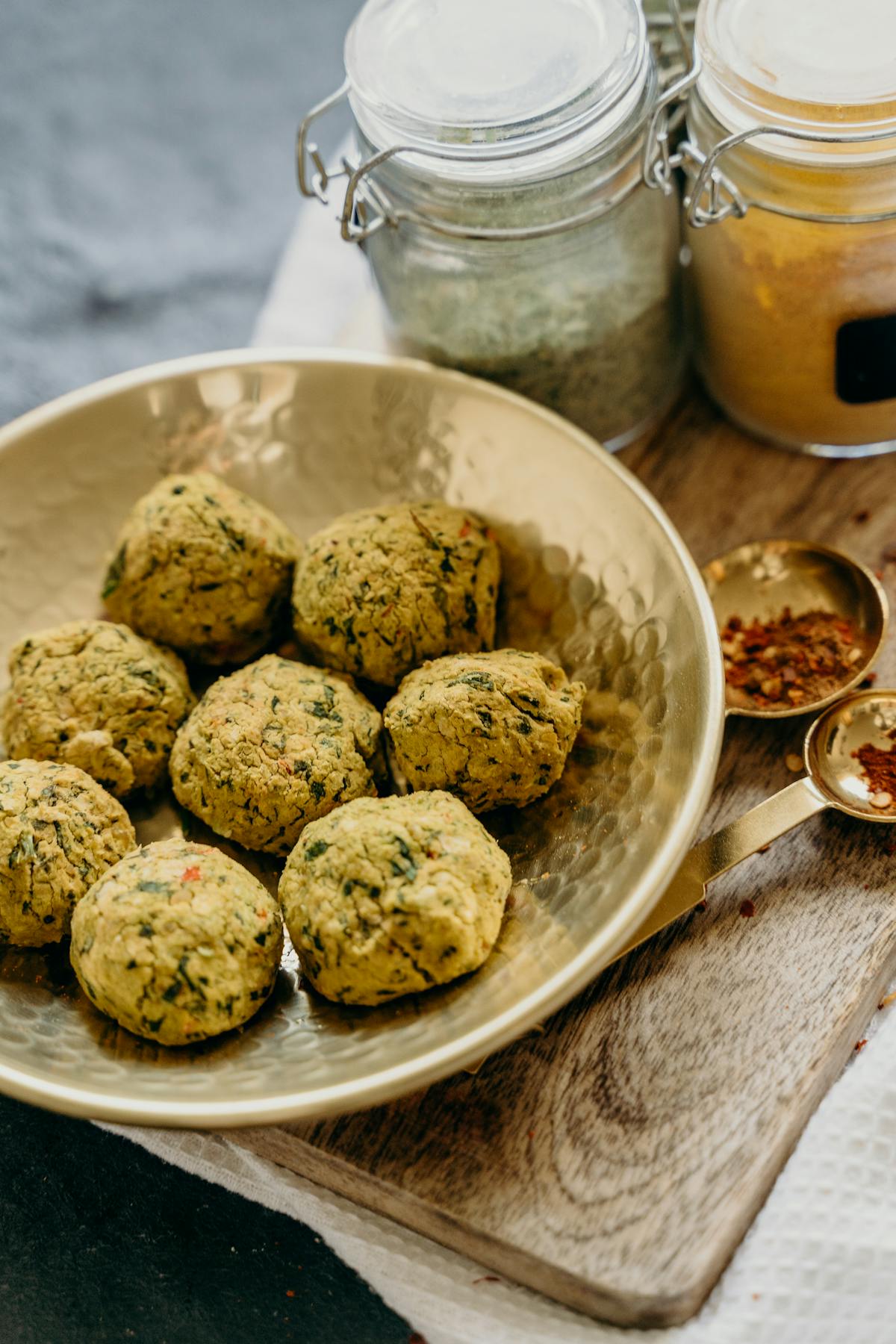
One hidden perk of microbiome‑friendly eating is how well many of these foods lend themselves to batch cooking and meal prep. Grains, legumes, and roasted vegetables all keep beautifully, and some even develop more resistant starch after chilling.
Storage Basics
- Cooked grains & legumes: Store in airtight containers in the fridge for 3–4 days, or freeze portions for 2–3 months.
- Roasted vegetables: Refrigerate up to 3–4 days; briefly re‑roast or pan‑sear to refresh texture.
- Fermented foods: Keep refrigerated, tightly sealed, and use clean utensils to avoid contamination.
- Yogurt & dairy: Keep cold and covered; check use‑by dates and discard if odors or textures change.
Reheating Tips
Gentle reheating in a skillet or the oven can preserve texture better than microwaving, but microwaves are perfectly safe and convenient. If you want to maximize resistant starch, you can enjoy some grains and potatoes cooled in salads and bowls rather than always reheating them.
Serving Ideas: Building Gut‑Healthy Meals for Any Time of Day
To spark your creativity, here are a few simple ways to pull these ideas together into balanced, microbiome‑friendly plates:
- Breakfast: Greek yogurt or soy yogurt bowl topped with oats, chia, berries, and chopped nuts; or scrambled eggs with sautéed spinach, mushrooms, and whole‑grain toast.
- Lunch: Quinoa and lentil salad with roasted vegetables, arugula, a spoonful of sauerkraut, and lemon‑tahini dressing.
- Dinner: Baked salmon or tofu with roasted sweet potato, steamed broccoli, a side of mixed beans, and a drizzle of miso‑ginger sauce.
- Snacks: Sliced apple with peanut butter; carrot sticks with hummus; a small portion of trail mix made with nuts, seeds, and a bit of dried fruit.
Bringing It All Together: A Kinder, More Flavorful Way to Eat
High‑protein, high‑fiber gut‑healthy diets and microbiome‑focused eating aren’t about chasing perfection or endorsing every trend that hits your feed. At their core, they invite us to cook more, explore more plants, embrace fermented flavors, and step away from ultra‑processed habits that leave us sluggish and unsatisfied.
If you remember only one “rule,” let it be this: build meals that taste good, keep you comfortably full, and include a rainbow of mostly whole foods most of the time. Your gut microbes—and your future self—will thank you.
Wherever you’re starting from, you’re completely welcome here. Begin with one extra plant, one higher‑fiber swap, or one cozy, home‑cooked bowl—and let your gut‑healthy journey grow gently from there.
