
Mediterranean Longevity Bowl: A Blue‑Zone Inspired One‑Pot Chickpea & Veg Dinner
Mediterranean Longevity Chickpea Stew (Blue Zone–Inspired One‑Pot Dinner)
This Mediterranean‑inspired one‑pot chickpea and vegetable stew is my love letter to the Blue Zone “longevity diet” style of eating: humble beans, silky extra‑virgin olive oil, mountains of vegetables, and slow, cozy cooking. It’s the kind of plant‑forward, nutrient‑dense meal you find in coastal villages of Greece or Italy—fragrant with herbs, deeply savory, and designed to nourish you for the long run, not just fit a short‑term diet trend.
Ladled into a warm bowl, this stew is soft and brothy around the edges, with chickpeas that are creamy in the center, ribbons of tender greens, and sweet bursts of tomato. A final drizzle of grassy olive oil and a squeeze of lemon wakes everything up. It’s naturally vegetarian, high‑fiber, and Mediterranean‑diet friendly, and easy to adapt for vegan, gluten‑free, or pescatarian tables.
Quick Recipe Summary
Prep Time: 15 minutes
Cook Time: 30–35 minutes
Total Time: 45–50 minutes
Servings: 4 generous bowls
Difficulty: Easy (beginner‑friendly)
This one‑pot Mediterranean chickpea stew is ideal for busy weeknights, meal prep, or gentle Sunday cooking. It keeps beautifully and actually tastes even better the next day as the flavors meld.
The structured data above helps search engines understand this longevity‑focused Mediterranean recipe, improving SEO and discoverability for terms like “Blue Zone chickpea stew” and “healthy Mediterranean one‑pot dinner.”
Ingredients for Mediterranean Longevity Chickpea Stew
This recipe uses simple pantry staples you’ll see again and again in Mediterranean and Blue Zone longevity diets: beans, olive oil, seasonal vegetables, and herbs. Measurements are given for about 4 servings.
Core Ingredients
- 3 tablespoons extra‑virgin olive oil, plus more for drizzling
- 1 medium yellow onion, finely chopped
- 2 medium carrots, diced
- 2 celery stalks, diced
- 3 cloves garlic, minced
- 1 teaspoon fine sea salt, plus more to taste
- 1/2 teaspoon freshly ground black pepper
Spices & Herbs
- 1 teaspoon smoked or sweet paprika
- 1 teaspoon dried oregano or thyme
- 1/2 teaspoon ground cumin (optional, for warmth)
- 1 bay leaf
- Pinch of red pepper flakes (optional, for gentle heat)
- 2 tablespoons chopped fresh parsley or cilantro
- 2 tablespoons chopped fresh basil or dill (optional, for brightness)
Beans, Vegetables & Broth
- 1 can (14–15 oz / 400 g) crushed or diced tomatoes, preferably fire‑roasted
- 2 cans (14–15 oz / 400 g each) chickpeas, drained and rinsed (about 3 cups cooked)
- 4 cups (1 liter) low‑sodium vegetable broth or water
- 2 cups (about 60–80 g) chopped leafy greens (kale, chard, or spinach)
- 1 small zucchini, diced (optional, for extra veg)
Finishing Touches
- 1–2 tablespoons freshly squeezed lemon juice, or to taste
- Extra olive oil for drizzling when serving
Equipment You’ll Need
No special gadgets required—just classic, Blue Zone‑style home cooking tools:
- Large heavy‑bottomed pot or Dutch oven with lid
- Cutting board and sharp chef’s knife
- Wooden spoon or heat‑safe spatula
- Measuring cups and spoons
- Ladle for serving
Step‑by‑Step Instructions
Follow these steps for a deeply flavorful yet weeknight‑friendly longevity stew. Each stage builds layers of aroma and taste.
- Prep your vegetables.
Dice the onion, carrots, celery, and zucchini (if using). Mince the garlic. Having everything ready before you start cooking keeps this relaxed and enjoyable. - Sauté the aromatics.
Warm the olive oil in your pot over medium heat. Add the onion, carrots, and celery plus a pinch of salt. Cook for 6–8 minutes, stirring occasionally, until the onions are translucent and the vegetables smell sweet and slightly caramelized around the edges. - Bloom garlic and spices.
Stir in the garlic, black pepper, paprika, oregano or thyme, cumin (if using), and the bay leaf. Sauté for 1–2 minutes, stirring constantly, just until everything is very fragrant. This “blooming” step helps release the spices’ oils for a fuller, rounder flavor. - Build the stew base.
Pour in the tomatoes, chickpeas, and vegetable broth. Scrape the bottom of the pot to loosen any browned bits—that’s pure flavor. Bring to a gentle boil over medium‑high heat. - Simmer slowly.
Reduce the heat to low, partially cover the pot, and let it simmer for 20–25 minutes. The broth will thicken a little, the chickpeas will soak up flavor, and the aromatics will become meltingly tender. Taste and adjust with more salt if needed. - Add greens and extra vegetables.
Stir in the chopped leafy greens and zucchini (if you haven’t already). Simmer uncovered for 5–10 minutes, until the greens are soft but still vibrant and the zucchini is just tender. - Brighten and finish.
Turn off the heat. Remove the bay leaf. Stir in lemon juice, fresh herbs, and a generous drizzle of olive oil. Taste again and adjust the seasoning—add more lemon for brightness, more pepper for warmth, or a pinch of salt if it tastes flat. - Serve the longevity bowls.
Ladle the stew into warm bowls. Top with extra herbs, a thread of olive oil, and a sprinkle of red pepper flakes if you like a little heat. Enjoy slowly, ideally with good company—very much in the spirit of how people eat in Blue Zones.
How to Serve This Blue Zone–Inspired Stew
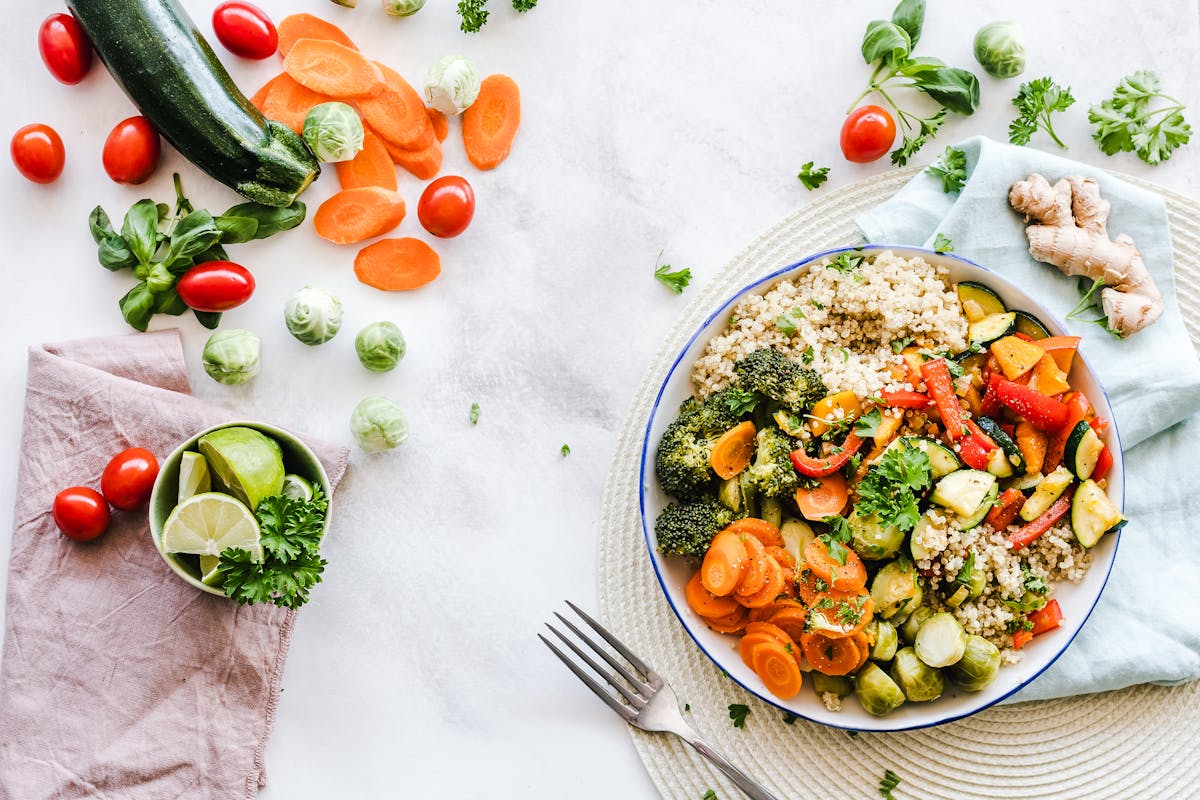
In longevity‑focused Mediterranean homes, meals tend to be vegetable‑ and bean‑centered, with simple sides that make the table feel abundant without being heavy.
Serving Ideas
- With a slice of whole‑grain sourdough or rustic country bread for dipping.
- Over a scoop of cooked barley, farro, or brown rice for extra whole grains and fiber.
- Alongside a simple green salad dressed with olive oil, lemon, and herbs.
- With a spoonful of plain yogurt (or coconut yogurt for vegan) for creaminess.
“Eat food, not too much, mostly plants” fits this stew perfectly. Beans, vegetables, and olive oil do the heavy lifting, while smaller add‑ons—yogurt, bread, or a little fish—customize it for your lifestyle.

Longevity Diet Notes: Why This Recipe Fits Mediterranean & Blue Zone Eating
This dish weaves together many of the core principles of modern longevity diets modeled on Mediterranean and Blue Zone patterns:
- Plant‑forward, not strictly vegan: Beans, vegetables, and herbs are the main event. Animal foods are optional toppings, not the base.
- Healthy fats: Extra‑virgin olive oil supplies heart‑friendly monounsaturated fats and flavorful polyphenols.
- High in legumes: Chickpeas offer fiber, plant protein, and minerals—exactly the kind of daily bean intake seen in Blue Zones.
- Minimal ultra‑processed ingredients: The recipe leans on whole, recognizable foods: vegetables, beans, herbs, and simple broth.
- Supportive of cardiometabolic & brain health: Olive oil, leafy greens, and beans are all highlighted in Mediterranean and MIND‑style diets for heart and cognitive benefits.
Enjoying this kind of stew a few times a week—alongside movement, social connection, and good sleep—aligns closely with how people in traditional Blue Zones support a long healthspan, not just a long lifespan.
Dietary Adaptations & Variations
One of the strengths of longevity‑focused Mediterranean eating is how flexible it is. This stew plays well with many dietary preferences.
Vegan & Vegetarian
- The base recipe is naturally vegan if you use vegetable broth and skip any dairy toppings.
- For extra plant protein, stir in a cup of cooked lentils or add a spoonful of hummus to each bowl.
Gluten‑Free
- The stew itself is gluten‑free; just pair it with gluten‑free bread or grains like rice, millet, or quinoa.
Higher‑Protein or Pescatarian
- Add a handful of flaked sardines, mackerel, or salmon to individual bowls for an omega‑3 boost, echoing coastal Mediterranean traditions.
- Top with a dollop of Greek yogurt or a sprinkle of crumbled feta if dairy suits you.
More Vegetable‑Heavy
- Add diced fennel, bell pepper, or eggplant with the carrots and celery for even more color and phytonutrients.
- Stir in extra greens at the end for a “super‑green” version.
Storage, Meal Prep & Reheating Tips
Like many bean stews, this Mediterranean chickpea stew tastes even better the next day— perfect for healthful meal prep.
Refrigeration
- Cool completely, then transfer to an airtight container.
- Store in the refrigerator for up to 4–5 days.
Freezing
- Portion into freezer‑safe containers, leaving a little space at the top.
- Freeze for up to 3 months.
- Thaw overnight in the fridge, or gently reheat from frozen with a splash of water or broth.
Reheating
- Stovetop: Warm over low–medium heat, stirring occasionally and adding a bit of water or broth if it’s too thick.
- Microwave: Heat in 60–90 second bursts, stirring between, until hot throughout.
- Finish with a fresh drizzle of olive oil, new herbs, and a squeeze of lemon to revive the flavors.
Mediterranean & Blue Zone Eating: The Longevity Diet Trend
As of 2026, interest in longevity‑focused eating—especially Mediterranean‑style and Blue Zone‑inspired diets—continues to surge. Instead of short‑term weight‑loss fads, more people are asking: “How can I eat to feel energetic and protect my heart and brain for decades?”
Documentaries, podcasts, and social media have brought images of active centenarians into everyday life, showcasing patterns that this stew embodies:
- Daily legumes: Beans or lentils appear in 2–4 meals per week or more.
- Olive oil over butter: Extra‑virgin olive oil is the primary fat for cooking and finishing.
- Vegetable‑heavy plates: Large salads, cooked greens, and vegetable stews anchor most meals.
- Modest portions & minimal snacking: Many Blue Zone cultures eat until just pleasantly full, with lighter dinners.
This chickpea stew is a practical, cozy way to bring those principles into your everyday routine—no strict rules, just a deeply satisfying bowl that happens to be good for your healthspan.

Bringing Longevity Cooking Into Your Kitchen
You don’t need to overhaul your entire diet to start eating in a more Mediterranean, Blue Zone‑inspired way. Start with one simple ritual: make a big pot of bean‑and‑vegetable stew like this once a week. Let it carry you through lunches, quick dinners, and cozy evenings when you want something warm but don’t feel like fussing.
Whether you’re a brand‑new home cook or an old pro, this recipe is forgiving. Taste as you go, adjust the lemon and herbs to your liking, and remember: the goal isn’t perfection, it’s a pattern of simple, joyful, plant‑forward meals that you actually look forward to eating.
Make it your own, share it with someone you care about, and enjoy every spoonful—your future self will thank you.
