
Gut Health 2.0: Flavor-Packed Fermented Recipes to Feed Your Microbiome
Gut Health 2.0: Fermented Foods, Polyphenols, and the Microbiome Kitchen
Gut health has moved far beyond basic probiotic capsules. Today, the spotlight is on colorful, food-first microbiome diets built around fermented foods, diverse plant fiber, and polyphenol-rich “superfoods” that make your plate—and your microbes—truly happy.
Think crunchy kimchi tucked into grain bowls, silky yogurt swirled with berries and extra-virgin olive oil, and bright green herb dressings over beans and roasted veggies. These aren’t just delicious; they help nourish the trillions of microbes that support digestion, immunity, mood, and even skin health.
A thriving gut microbiome loves variety: different plants, regular fermented foods, and minimally processed ingredients.
Below you’ll find an in-depth look at the Gut Health 2.0 trend plus a microbiome-friendly, flavor-packed recipe: a Fermented Veggie & Polyphenol Power Bowl that’s easy enough for a weeknight but impressive enough to share on social media.
Why Gut Health Is Still Trending (and Getting Smarter)
The gut health conversation has grown up. Instead of just “take a probiotic,” people are asking, “What can I cook that feeds my good bacteria?” Three big shifts are driving this:
- Mainstream microbiome awareness: Books, podcasts, and documentaries have brought phrases like “diverse microbiome” and “short-chain fatty acids” into everyday wellness chats.
- Personalized testing & apps: At-home microbiome tests and nutrition apps encourage people to notice which foods make them feel energized, less bloated, and more regular.
- Fermented & polyphenol-rich foods: Kimchi, sauerkraut, kefir, miso, tempeh, berries, green tea, dark chocolate, and extra-virgin olive oil are taking center stage in recipes and reels.
Nutrition science still emphasizes the basics: a high-fiber, minimally processed, plant-rich diet with regular fermented foods, while going gentler on ultra-processed snacks and additives that may stress the gut barrier in some people.
Core Elements of a Modern Gut-Health Diet
When you build meals for your microbiome, you’re really thinking about how to feed a bustling, diverse community. Here’s what that community loves:
1. High Fiber from Diverse Plants
Many experts now suggest aiming for about 30 different plant foods per week—fruits, vegetables, whole grains, legumes, nuts, seeds, herbs, and spices. Each different plant offers a slightly different “buffet” of fibers and polyphenols.
In the recipe below, you’ll see how easy it is to rack up variety with small touches: mixed herbs instead of just one, a sprinkle of seeds, and colorful veg on the same plate.
2. Fermented Foods with Live Cultures
Regular intake of live-culture foods—yogurt with active cultures, kefir, kimchi, sauerkraut, kombucha, miso, tempeh—has been linked to increased microbial diversity and lower markers of inflammation.
Many cultures have long relied on these foods: fiery Korean kimchi, tangy Central European sauerkraut, Japanese miso, Indonesian tempeh. Now we’re weaving them into grain bowls, tacos, toasts, and even breakfast.
3. Prebiotic-Rich Ingredients
Prebiotics are fibers that your good bacteria especially love. Common sources include:
- Garlic, onions, leeks
- Asparagus, Jerusalem artichokes, chicory root
- Oats, barley
- Green (under-ripe) bananas
You’ll see some of these sneak into the recipe as aromatics and whole grains that quietly support your microbes while adding flavor.
4. Polyphenol-Rich Superfoods
Polyphenols are plant compounds with antioxidant and microbiome-modulating effects. They’re abundant in:
- Berries, pomegranate, cherries
- Green tea, coffee, cocoa, dark chocolate
- Extra-virgin olive oil
- Herbs like rosemary, oregano, thyme
- Deeply colored vegetables
In your everyday cooking, that can look like a drizzle of olive oil on everything, fresh berries on breakfast bowls, and herb-loaded dressings rather than plain salt and pepper.
Recipe: Fermented Veggie & Polyphenol Power Bowl
This bowl is a vibrant, gut-friendly meal built around three pillars: fiber-rich whole grains and beans, tangy fermented vegetables, and a polyphenol-packed herb and olive oil dressing. The result: a rainbow on your plate with contrasting textures—warm, nutty grains; creamy beans; crisp vegetables; and a bright, funky pop from kimchi or sauerkraut.
Prep time: 20 minutes
Cook time: 25–30 minutes
Total time: ~45–50 minutes
Servings: 2 generous bowls
Difficulty: Easy–Moderate
Diet: Vegetarian, easily vegan & gluten-free
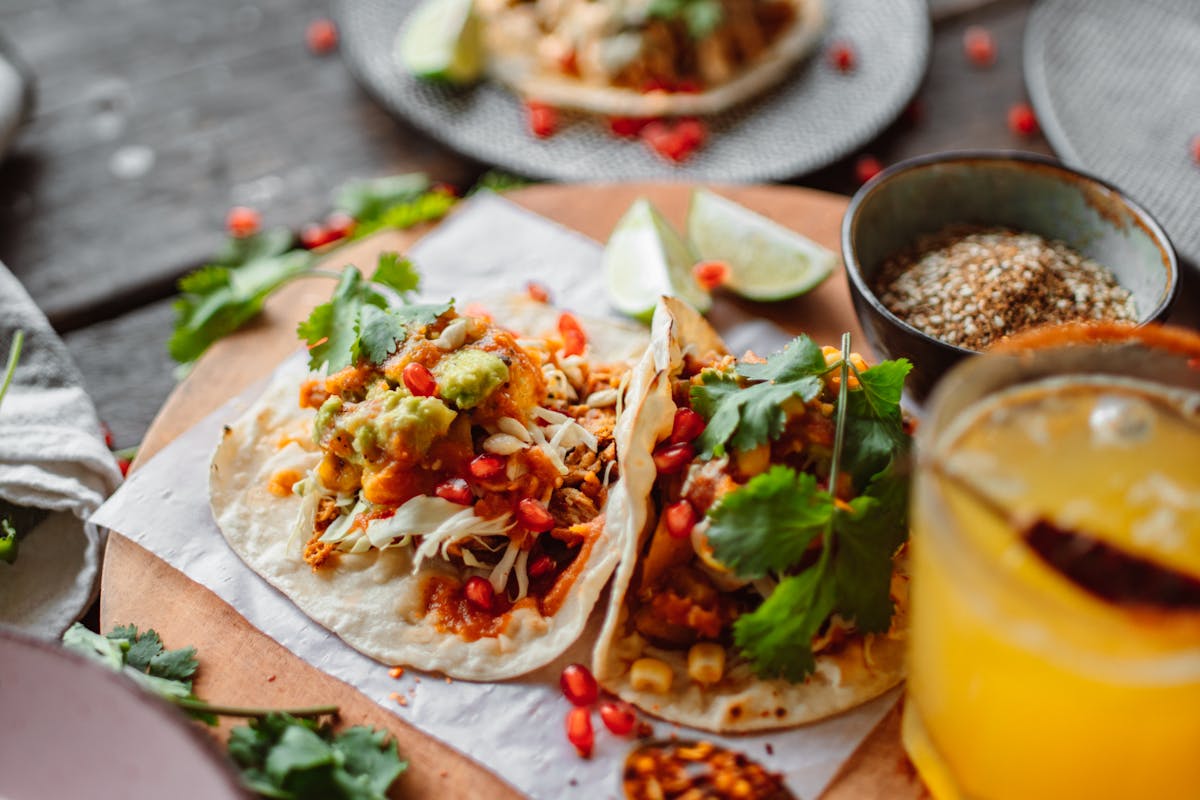
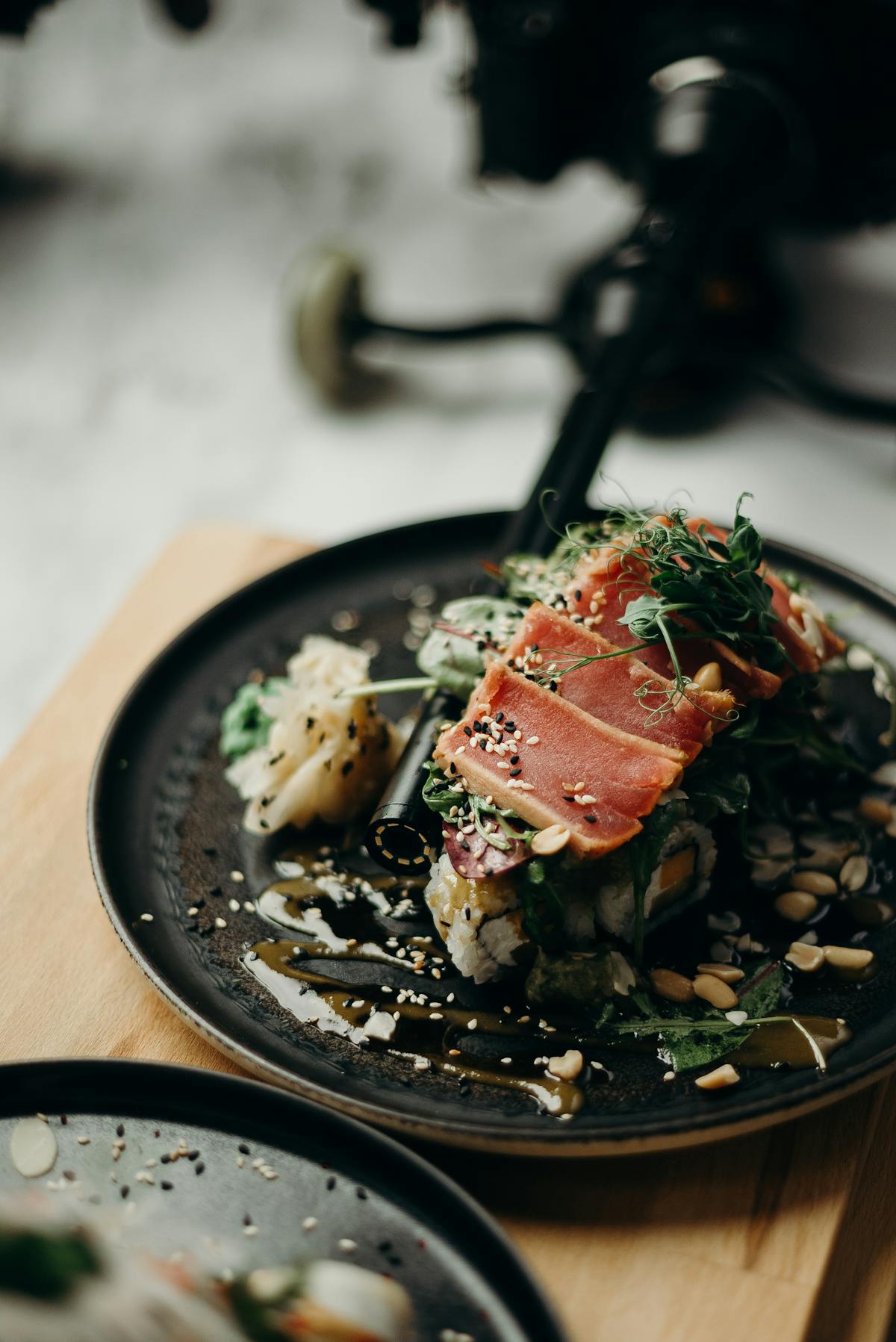
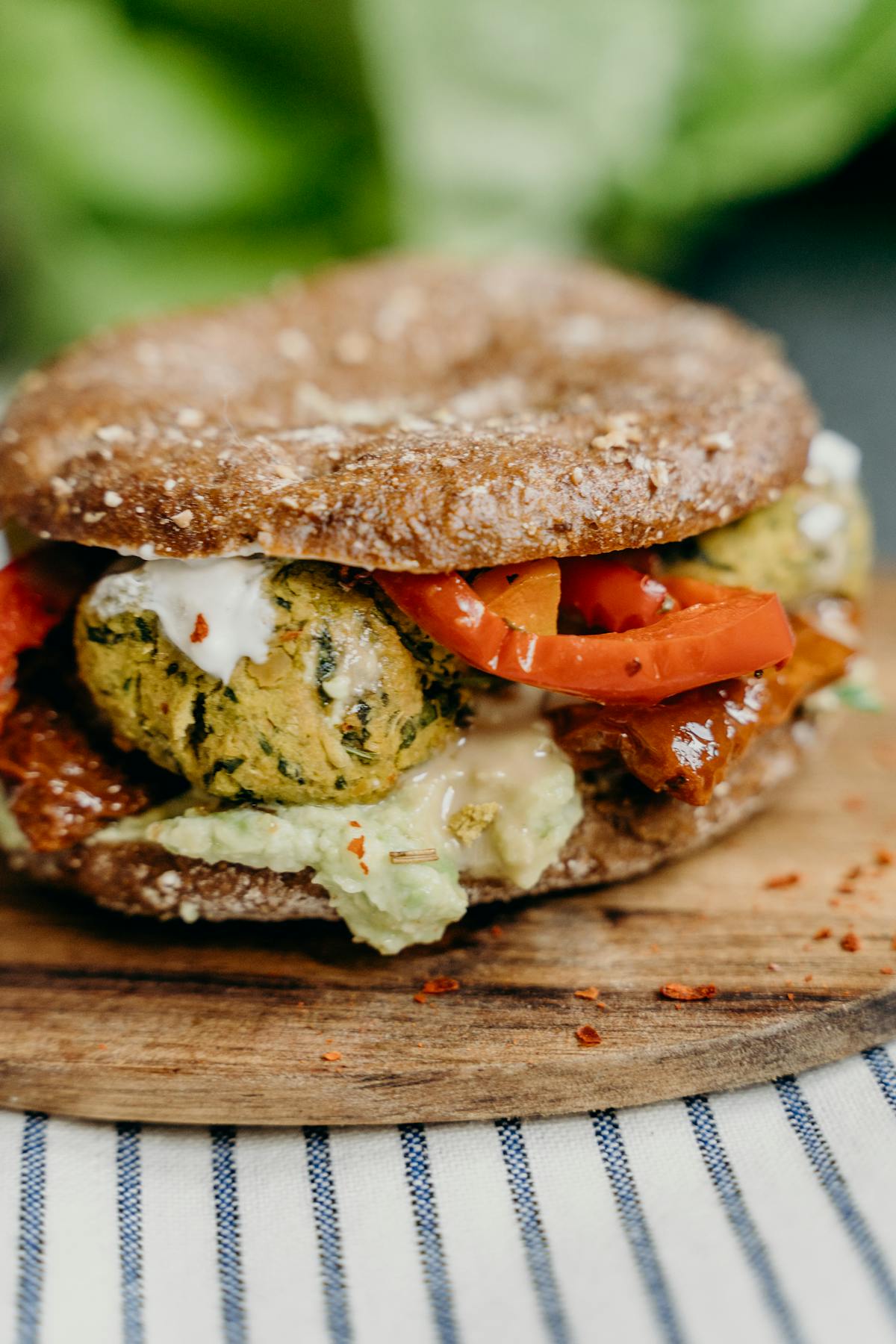
Visual Guide: Building Your Gut-Health Bowl

Ingredients
This recipe is very forgiving—treat the ingredients as a framework. Aim for diversity: different colors, textures, and plant families.
For the Gut-Health Bowl
- 1/2 cup (90 g) dry whole grains (e.g., quinoa, barley, brown rice, or a mix)
- 1 cup (240 ml) water or low-sodium vegetable broth
- 1 cup (170 g) cooked beans or lentils (chickpeas, black beans, or green lentils), rinsed and drained if canned
- 1 cup (about 60 g) shredded or chopped leafy greens (kale, spinach, or mixed salad greens)
- 1 small carrot, grated or julienned
- 1/2 small cucumber, thinly sliced
- 1/2 small red onion or 2–3 spring onions, finely sliced
- 1/2 cup (75 g) chopped red cabbage or purple coleslaw mix
- 1/2 small avocado, sliced (for creaminess and healthy fats)
- 1/3–1/2 cup (50–75 g) fermented vegetables such as kimchi or sauerkraut (look for “live cultures” on the label)
- 2 tbsp mixed nuts or seeds (pumpkin seeds, sunflower seeds, chopped walnuts, or almonds)
- Optional: 2 tbsp plain yogurt or kefir (dairy or plant-based with live cultures) for drizzling
For the Polyphenol-Rich Herb Dressing
- 3 tbsp extra-virgin olive oil
- 1 tbsp lemon juice or apple cider vinegar
- 1 tsp Dijon mustard (optional, for creaminess and emulsification)
- 1 small garlic clove, finely grated or minced (omit or reduce if sensitive to FODMAPs)
- 2–3 tbsp finely chopped fresh herbs (parsley, cilantro, dill, basil, mint, or a mix)
- 1 tsp finely chopped fresh rosemary or thyme (or 1/2 tsp dried)
- 1–2 tsp honey or maple syrup (optional, to balance acidity)
- Sea salt and freshly ground black pepper, to taste
Equipment
- Medium saucepan with lid (for cooking grains)
- Cutting board and sharp knife
- Small jar with lid or small bowl and whisk (for dressing)
- Grater or julienne peeler (for carrot and garlic)
- 2 serving bowls (wide, shallow bowls work best)
Step-by-Step Instructions
- Cook the whole grains.
Rinse the grains under cold water if needed. Add to a saucepan with the water or broth and a pinch of salt. Bring to a boil, then reduce to a gentle simmer, cover, and cook until tender (typically 12–25 minutes, depending on the grain). When done, turn off the heat and let sit, covered, for 5 minutes, then fluff with a fork. - Prep the vegetables and herbs.
While the grains cook, wash and chop the leafy greens, cucumber, cabbage, carrots, onions, and herbs. Aim for bite-sized pieces so every forkful carries a mix of textures. - Make the herb dressing.
In a small jar or bowl, combine extra-virgin olive oil, lemon juice or vinegar, mustard (if using), minced garlic, chopped herbs, honey or maple syrup, salt, and pepper. Shake well or whisk until emulsified. Taste and adjust seasoning—you're looking for bright, tangy, and herbaceous. - Season the beans.
Place the cooked beans or lentils in a small bowl. Add 1–2 teaspoons of the dressing and a pinch of salt and pepper. Toss gently so they’re lightly coated and flavorful, not bland. - Lightly dress the greens and crunchy veg.
In a mixing bowl, combine leafy greens, cabbage, carrots, cucumber, and onion. Add 1–2 tablespoons of the dressing and toss until just glistening. This keeps everything juicy and well-seasoned without drowning it. - Assemble the power bowls.
Divide the warm grains between two bowls. Arrange the dressed vegetables, beans, avocado slices, and fermented vegetables in separate sections on top of the grains, creating a colorful “pie chart” effect. - Add toppings and drizzle.
Sprinkle with nuts or seeds for crunch and extra fiber. Drizzle each bowl with more dressing and, if you like, a spoonful of yogurt or kefir. Finish with a twist of black pepper. - Taste and adjust.
Take a small bite with a bit of everything—if it needs more brightness, add a squeeze of lemon; if it needs more richness, an extra trickle of olive oil; if it feels flat, a few grains of salt can wake it up.
Variations, Substitutions & Dietary Adaptations
Make It Work for Your Diet
- Vegan: Skip yogurt or use a plant-based yogurt or kefir with live cultures. Ensure your kimchi is made without fish sauce.
- Gluten-free: Choose quinoa, brown rice, or certified gluten-free oats; avoid barley and some mixed grain blends.
- Low-FODMAP-inspired: Use smaller amounts of onion and garlic or replace with green tops of spring onions and garlic-infused oil. Choose firm tofu or tempeh instead of some beans, and start with a small portion of fermented veg to see how you feel.
- Higher protein: Add grilled tempeh, marinated tofu, a soft-boiled egg, or extra beans and seeds.
Flavor Twists
- Mediterranean: Use chickpeas, cucumber, tomato, olives, and a lemon-oregano dressing with plenty of parsley and mint. Top with sauerkraut and a sprinkle of feta if tolerated.
- East Asian-inspired: Swap the dressing for a tamari, rice vinegar, and sesame oil combo. Use napa cabbage, edamame, and kimchi; top with toasted sesame seeds.
- Spiced comfort bowl: Warm the beans and grains with turmeric, cumin, and smoked paprika before assembling; pair with a mild sauerkraut and creamy yogurt drizzle.
Storage & Reheating
These bowls are perfect for meal prep—as long as you store components smartly to keep textures and live cultures at their best.
- Cooked grains and beans: Store in airtight containers in the fridge for up to 4 days. Reheat gently on the stovetop or in the microwave with a splash of water, or enjoy cold.
- Chopped vegetables and greens: Store separately in containers lined with a paper towel to absorb excess moisture. Use within 2–3 days.
- Fermented vegetables: Keep in their jar, tightly sealed, in the fridge. Always use a clean utensil to avoid contamination. They often last weeks or months depending on the product.
- Dressing: Refrigerate in a jar for up to 5 days. Shake well before using as the oil will separate.
- Assembled bowls: If you assemble in advance, keep the dressing and ferments separate and add just before eating to preserve crunch and beneficial cultures.
For reheating, warm only the grains and beans. Add fresh vegetables and ferments afterward so they stay crisp and lively.
Serving Suggestions & Complementary Dishes
This microbiome-friendly bowl makes a satisfying lunch or light dinner on its own, but you can turn it into a full “gut health menu” by pairing it with:
- A small cup of green tea or unsweetened herbal tea for extra polyphenols
- A side of roasted root vegetables (carrots, beets, sweet potatoes) tossed in olive oil and rosemary
- A simple yogurt and berry parfait for dessert with a sprinkle of oats, cocoa nibs, or dark chocolate shavings
- A glass of chilled kombucha (moderate portion, as it can be fizzy and strong for sensitive stomachs)
For a cozy evening, you might enjoy this bowl slightly warm, with steamed greens and hearty beans; on hot days, keep everything cool and add extra crunchy, hydrating vegetables.
The Science Snapshot: Why This Bowl Loves Your Microbiome
From a research standpoint, the most consistent gut-health recommendations align beautifully with this recipe:
- High fiber, plant-rich base: Whole grains, beans, and vegetables deliver fermentable fibers that your microbes turn into short-chain fatty acids like butyrate, which helps support the gut lining.
- Fermented foods: Kimchi, sauerkraut, yogurt, and kefir introduce live microbes and signals that may boost microbial diversity and modulate inflammation.
- Polyphenols: Herbs, extra-virgin olive oil, colorful vegetables, and optional berries or cocoa act as fuel and signaling molecules for beneficial microbes.
- Minimally processed: This bowl avoids ultra-processed ingredients and emulsifiers that may negatively affect the gut barrier in some people.
While no single meal is a magic fix, regularly eating this way builds a friendly environment for your gut ecosystem—supporting not just digestion, but potentially mood, immunity, and even skin health over time.
Bringing Gut Health 2.0 into Your Everyday Cooking
The beauty of Gut Health 2.0 is that it doesn’t ask you to chase the newest supplement; it invites you back into the kitchen to play with real, vibrant foods. A spoonful of kimchi here, a handful of herbs there, a few extra colors on your plate—that’s how change quietly adds up.
Start with this Fermented Veggie & Polyphenol Power Bowl, then riff on it: swap in seasonal vegetables, different grains, and your favorite ferments. Listen to your body, notice how you feel, and let your microbiome-friendly meals become a delicious daily ritual.
You don’t need to be a professional chef to cook this way—just curious, open to trying a few new ingredients, and willing to let your gut (and taste buds) guide you.
