
Cottage Cheese Comeback: High-Protein Macro-Friendly Recipes the Internet Can’t Stop Making
High-Protein ‘Macro-Friendly’ Cooking & The Cottage Cheese Comeback
High-protein, “macro-friendly” recipes have taken over food feeds, and cottage cheese—once written off as a sad diet food—is suddenly the star of dreamy pancakes, cheesecakes, dips, and even ice cream. Paired with Greek yogurt and skyr, it’s fueling a fresh, flexible approach to eating that prioritizes protein, satisfaction, and real-life enjoyment over rigid rules.
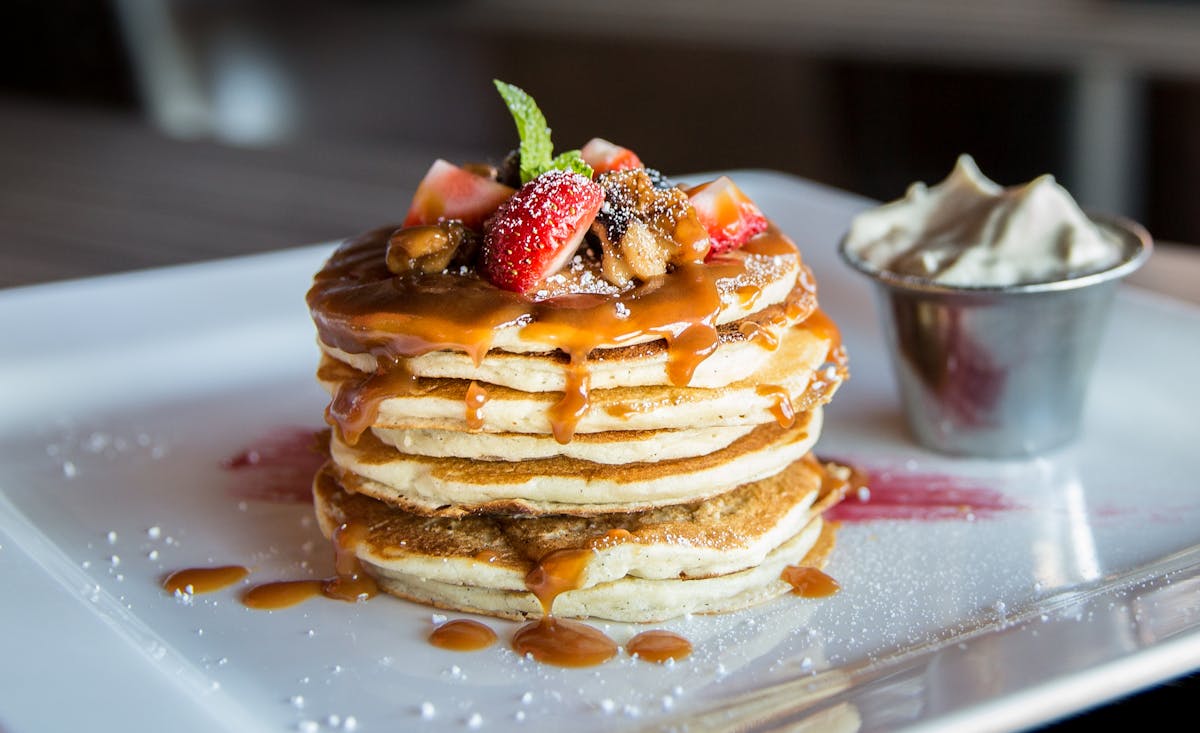
In this guide, you’ll learn why macro-friendly meals are trending, how cottage cheese fits into the high‑protein movement, and how to turn a tub of cottage cheese into golden, fluffy high-protein cottage cheese pancakes that feel like brunch but eat like a balanced, fitness‑friendly breakfast.
Why High‑Protein, Macro‑Friendly Recipes Are Everywhere
“Macros” is short for macronutrients: protein, carbohydrates, and fats. Instead of banning bread or fearing fat, macro‑friendly eating asks a different question: How can I hit my protein target, manage calories, and still enjoy the foods I love?
On TikTok, Instagram Reels, and YouTube Shorts, you’ll see captions like “30g protein breakfast under 350 calories” or “3‑ingredient 20g protein snack”. These quick hits of content are popular because:
- Weight‑loss & muscle maintenance: More people are lifting, tracking macros, or using GLP‑1 medications and want to hold onto muscle while losing fat.
- Satiety on fewer calories: Protein is the most filling macronutrient, making smaller portions feel satisfying.
- Flexible dieting (IIFYM): “If It Fits Your Macros” allows treats in moderation by balancing protein, carbs, and fats through the day.
Done well, macro‑friendly cooking leans heavily on whole foods—think oats, fruit, vegetables, lean proteins, and fermented dairy—while using protein powders or sweeteners as optional tools, not the whole toolbox.

The Cottage Cheese Comeback
Cottage cheese has gone from lonely 1980s diet plate sidekick to full‑blown social media celebrity. Today, creators are:
- Blending it smooth for cheesecakes, frostings, and “ice cream.”
- Whisking it into eggs for ultra‑fluffy scrambles.
- Stirring it into pancake and waffle batter for a protein boost.
- Swapping it for mayo or cream cheese in dips and spreads.
The magic lies in its nutrition and texture. A half‑cup of low‑fat cottage cheese can pack 12–14g of protein for around 80–100 calories, with a naturally creamy, slightly salty tang that plays beautifully with both sweet berries and savory herbs.
Combine that with Greek yogurt or skyr, and you have a whole family of cultured, high‑protein bases that can anchor breakfasts, snacks, and macro‑friendly desserts without feeling like “diet food.”
High‑Protein Cottage Cheese Pancakes (Macro‑Friendly)
These cottage cheese pancakes are tender and custardy in the middle with crisp, golden edges. They’re lightly sweet, deeply satisfying, and sneak in a generous dose of protein without heaps of butter or sugar. They taste like weekend brunch, but they’re practical enough for weekday meal prep.
Recipe Summary

Ingredients & Equipment
Pancake Batter Ingredients
- 1 cup (240 g) low‑fat cottage cheese (1–2% milkfat; small curd if possible)
- 2 large eggs
- 1/2 cup (45–50 g) rolled oats or quick oats (use certified gluten‑free if needed)
- 1/4 cup (30 g) vanilla or unflavored whey or plant protein powder (optional but boosts protein)
- 1/4 cup (60 ml) milk of choice (dairy or unsweetened plant‑based), plus 1–2 tbsp more as needed
- 1–2 tbsp maple syrup, honey, or 0‑calorie sweetener to taste
- 1 tsp vanilla extract
- 1 tsp baking powder
- Pinch of fine sea salt
- Optional: 1/2 tsp ground cinnamon for warmth
For Cooking & Serving
- 1–2 tsp neutral oil or light butter for the pan
- Fresh berries, banana slices, or other fruit
- Additional Greek yogurt or cottage cheese for topping
- Drizzle of maple syrup, honey, or sugar‑free syrup, as desired
- Optional crunch: chopped nuts or seeds
Equipment Needed
- Blender or food processor (for a smooth, fluffy batter)
- Non‑stick skillet or griddle
- Measuring cups and spoons
- Spatula for flipping
- Ladle or small measuring cup for portioning batter
Step‑by‑Step Instructions
- Blend the wet ingredients.
Add cottage cheese, eggs, milk, vanilla, and sweetener to your blender. Blend on medium until mostly smooth. - Add dry ingredients.
Add oats, protein powder (if using), baking powder, salt, and cinnamon. Blend again until the oats are broken down and the batter is thick but pourable. If it looks too thick, blend in 1–2 tablespoons more milk. - Rest the batter (optional but helpful).
Let the batter sit for 5 minutes. The oats will hydrate, and the baking powder will start to activate, giving you lighter, fluffier pancakes. - Preheat your pan.
Heat a non‑stick skillet or griddle over medium heat. Lightly grease with oil or butter, spreading it thin so the pancakes don’t fry but still release easily. - Portion and cook.
Pour 2–3 tablespoons of batter per pancake (smaller pancakes are easier to flip). Cook 2–3 minutes, until you see small bubbles on the surface and the edges look set and matte. - Flip gently.
Slide your spatula fully underneath, then flip in one confident motion. Cook another 1–2 minutes, until golden on the second side and cooked through in the center. - Adjust heat as needed.
If the pancakes are browning before the centers cook, reduce the heat slightly. Every stove runs differently; think “gentle sizzle,” not aggressive frying. - Serve warm with macro‑friendly toppings.
Plate your pancakes and top with a dollop of Greek yogurt or extra cottage cheese, a handful of berries, and a drizzle of syrup. Add nuts or seeds for extra texture and healthy fats if they fit your goals.

Macro & Nutrition Notes
Exact macros will vary depending on your specific cottage cheese, protein powder, and toppings, but for the base pancakes (using low‑fat cottage cheese, whey protein, and a small amount of syrup in the batter), a typical serving of half the batch is roughly:
- Protein: ~25–30 g
- Carbohydrates: ~25–30 g
- Fat: ~7–10 g
- Calories: ~300–350 kcal
Pair with Greek yogurt and fruit, and you can easily build a 35–40 g protein breakfast that still sits comfortably under many people’s calorie targets.
Variations, Swaps & Dietary Adaptations
Macro‑friendly recipes are all about flexibility. Use these ideas to tailor the pancakes to your taste, season, and dietary needs.
- Gluten‑free: Use certified gluten‑free oats. Double‑check your protein powder label for gluten.
- Higher protein: Increase protein powder to 1/3 cup and add a spoonful of Greek yogurt on top.
- Lower carb: Reduce oats to 1/3 cup and add 1 extra tablespoon protein powder; consider a sugar‑free sweetener.
- Nutty version: Stir in 1–2 tablespoons finely chopped nuts or nut butter swirl; this adds satisfying fats and flavor.
- Berry burst: Fold a small handful of fresh or frozen blueberries into the batter right before cooking.
- Chocolate chip treat: Sprinkle a few dark chocolate chips on each pancake as it cooks on the first side—just enough for fun without overshooting your macros.

Storage, Reheating & Meal Prep
These cottage cheese pancakes are ideal for high‑protein breakfast meal prep. Make a double batch on Sunday and enjoy a grab‑and‑go stack all week.
- Fridge: Let pancakes cool completely, then store in an airtight container for up to 4 days. Layer with parchment paper to prevent sticking.
- Freezer: Arrange in a single layer on a baking sheet, freeze until solid, then transfer to a freezer bag. They’ll keep for up to 2 months.
- Reheating (microwave): 20–40 seconds for a refrigerated stack; 60–90 seconds from frozen, checking halfway.
- Reheating (toaster or skillet): Toast or warm in a lightly greased skillet over low‑medium heat for a few minutes per side to restore crisp edges.
Serving Ideas & Complementary Macro‑Friendly Dishes
To build a full meal that’s as satisfying as it is macro‑friendly, try pairing your cottage cheese pancakes with:
- A small side of scrambled egg whites or whole eggs for extra protein and staying power.
- A bowl of Greek yogurt or skyr with berries and a sprinkle of high‑fiber cereal or seeds.
- A macro‑friendly coffee made with a splash of milk and, if you like, collagen or a scoop of protein.
- A bright, citrusy fruit salad with orange segments, kiwi, and mint to cut through the richness of the pancakes.

A Gentle Reminder About Balance
While macro tracking and high‑protein, low‑calorie recipes can be incredibly useful tools—especially for satiety, weight management, and supporting strength training—it’s also important not to get lost in the numbers. Food is more than grams and calories; it’s culture, comfort, and connection.
If you notice that tracking or macro‑friendly content makes you feel anxious or obsessive, it’s okay to step back and focus on hunger cues, variety, and enjoyment instead. These cottage cheese pancakes can absolutely live in both worlds: delicious enough for intuitive eaters, structured enough for macro counters.
Wherever you are on your cooking journey, you deserve breakfasts that leave you full, energized, and happy. A simple tub of cottage cheese might be one of the most surprising allies in your kitchen.
Recipe Structured Data
The following JSON-LD provides structured data for search engines to better understand this high-protein cottage cheese pancake recipe.
