
Mediterranean & Blue Zones Eating: The Delicious Anti‑Fad Longevity Trend
Mediterranean & Blue Zones Eating as the Anti‑Fad Diet
Mediterranean and Blue Zones–style eating are having a moment, not because they promise a dramatic “before and after,” but because they feel like home cooking at its best: colorful vegetables glistening with olive oil, beans simmered slowly with herbs, crusty whole‑grain bread, maybe a glass of wine shared across a long table. As more people grow tired of extreme, rule‑heavy diets, this gentle, plant‑forward way of eating stands out as both deeply satisfying and strongly supported by science for heart health, longevity, and overall well‑being.
What makes this “anti‑fad” approach so compelling is that it’s less about restriction and more about pattern: filling your plate with plants, embracing healthy fats, cooking with real ingredients, and eating in ways that support connection and joy. It just happens that these are also the patterns seen in some of the world’s longest‑living communities—the famous Blue Zones.
What Are Mediterranean and Blue Zones Diets?
The modern Mediterranean diet isn’t a single rigid meal plan; it’s a pattern observed across traditional food cultures in countries like Greece, Italy, Spain, and parts of the Middle East and North Africa. Plates are dominated by vegetables, fruits, beans, lentils, chickpeas, whole grains, nuts, and seeds, with generous use of extra‑virgin olive oil and modest amounts of fish, fermented dairy, and wine.
Blue Zones are regions identified by researchers where people tend to live significantly longer and healthier lives. These include:
- Okinawa, Japan
- Sardinia, Italy
- Ikaria, Greece
- Nicoya Peninsula, Costa Rica
- Loma Linda, California (Seventh‑day Adventist community)
Each Blue Zone has its own flavors and traditions—sweet potatoes and tofu in Okinawa, chickpeas and sourdough in Ikaria, black beans and corn tortillas in Nicoya—but they share a common thread: meals are simple, largely plant‑based, minimally processed, and woven into daily rhythms of movement, faith or purpose, and social connection.
Core Eating Patterns: What’s on the Plate?
When you zoom in on everyday meals in Mediterranean kitchens or Blue Zones homes, a few patterns appear again and again.
1. Plant‑Forward, Not Plant‑Perfect
Vegetables, fruits, beans, lentils, peas, chickpeas, and whole grains take center stage. Meat, when used, tends to be a garnish—a bit of sausage in a lentil stew or some shavings of cheese over a mountain of greens—rather than the main event.
- Beans & lentils for slow‑release energy and fiber
- Seasonal vegetables roasted, stewed, or simply dressed in olive oil and lemon
- Whole grains like barley, farro, oats, whole‑wheat bread, and brown rice
2. Healthy Fats, Generously Used
Instead of fearing fat, these patterns lean into extra‑virgin olive oil, nuts, seeds, and occasionally fatty fish such as sardines, salmon, or mackerel. The result? Food that smells incredible as it hits the pan and tastes luxuriously rich without needing heavy cream or butter in large amounts.
3. Minimally Processed, Maximally Satisfying
Most meals are cooked at home with recognizable ingredients. Ultra‑processed snacks, sugary drinks, and processed meats show up rarely, if at all.
Think: a pot of beans with garlic and bay leaves simmering on the stove, versus a ready‑meal in plastic wrap.
4. Moderate, Mindful Eating
In Okinawa, the phrase hara hachi bu reminds people to eat until they’re about 80% full. In many Mediterranean cultures, long, social meals encourage slower eating, conversation, and attention to satiety cues instead of eating on autopilot.

Why Mediterranean & Blue Zones Eating Is Trending Now
In the last few years, documentaries, bestseller lists, and social feeds have all lit up with talk of “longevity diets,” “Blue Zones breakfasts,” and “Mediterranean meal prep.” This surge isn’t just hype; it reflects a cultural shift away from quick fixes.
- Longevity framing, not just weight loss.
People are increasingly focused on healthspan—how well you live, not just how long. Mediterranean and Blue Zones patterns are consistently associated with lower risk of heart disease, type 2 diabetes, some cancers, and cognitive decline. - Evidence and flexibility.
Large cohort studies and randomized controlled trials support the Mediterranean diet in particular. Yet within that framework, there’s room for different cuisines: Greek‑style lentil soup, Moroccan‑inspired chickpea tagine, or a simple Italian tomato salad. - Relief from extreme rules.
After cycles of strict keto, detoxes, or all‑meat challenges, the idea that you can eat bread, pasta, and even enjoy dessert or wine—while still supporting long‑term health—feels refreshingly sane. - Family‑friendly and culturally adaptable.
You can serve one meal to everyone at the table. Kids, grandparents, and guests can all enjoy a big pot of tomato‑braised beans with crusty bread and salad.
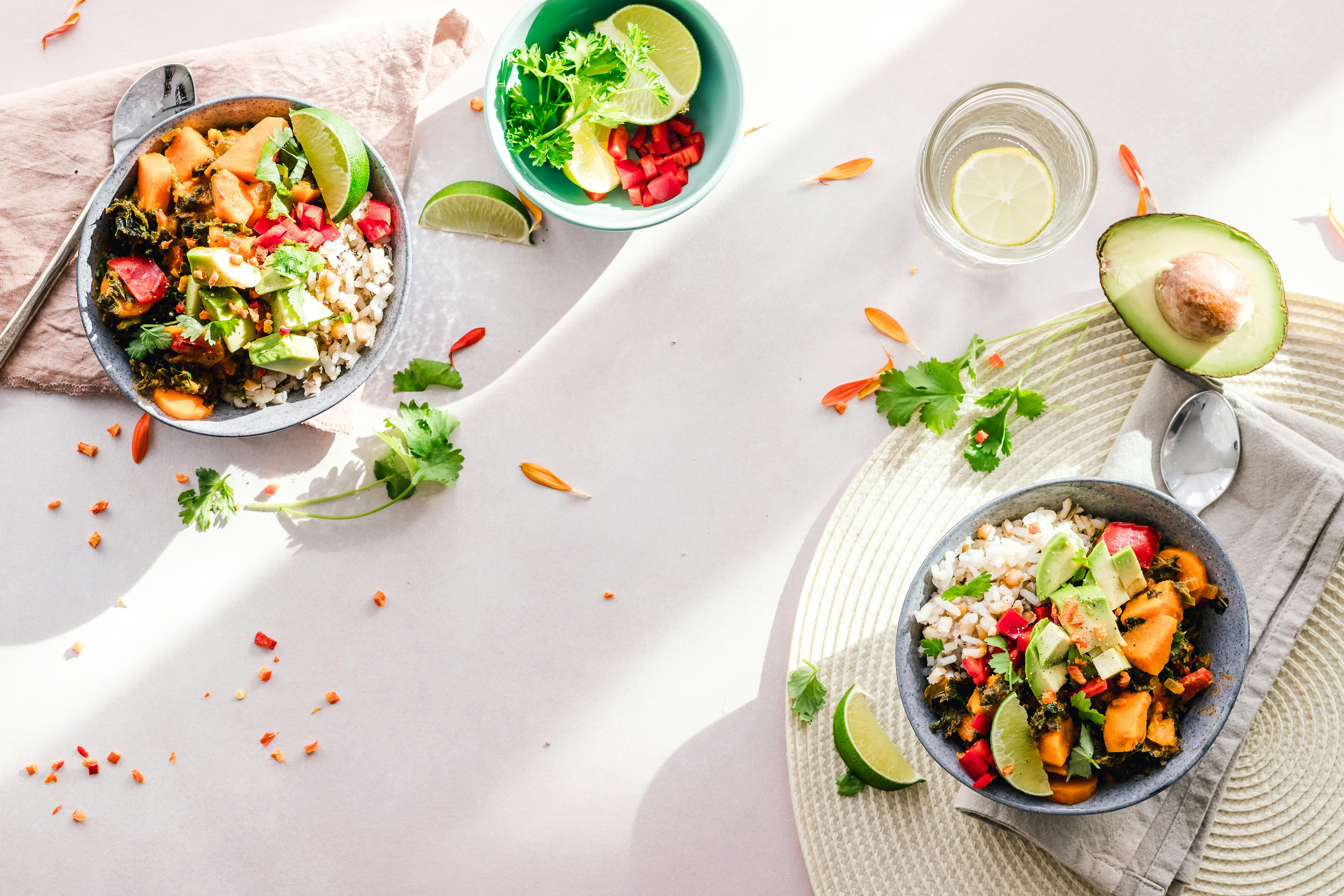
Recipe: Mediterranean Blue Zones‑Inspired Chickpea & Vegetable Stew
To bring this anti‑fad philosophy into your own kitchen, here’s a comforting, one‑pot chickpea & vegetable stew. It’s inspired by Mediterranean flavors and Blue Zones principles: loaded with beans and vegetables, rich with olive oil, and deeply aromatic with garlic and herbs. It’s naturally vegetarian, easily made vegan, and perfect for batch cooking.
Prep Time
15 minutes
Cook Time
35 minutes
Total Time
50 minutes
Servings
4 servings
Difficulty
Easy
Ingredients
This recipe uses simple pantry staples common to many Mediterranean households and Blue Zones‑style kitchens.
Pantry & Produce
- 3 tbsp extra‑virgin olive oil
- 1 medium yellow onion, finely chopped
- 2 medium carrots, diced
- 2 celery stalks, diced
- 3–4 garlic cloves, minced
- 1 red bell pepper, chopped
- 2 cups chopped leafy greens (kale, spinach, or chard, packed)
- 2 cans (15 oz / 400 g each) chickpeas, drained and rinsed
- 1 can (14–15 oz / 400 g) diced tomatoes, preferably fire‑roasted
- 3 cups (720 ml) low‑sodium vegetable broth or water
Herbs, Spices & Seasoning
- 1 tsp ground cumin
- 1 tsp smoked paprika (or sweet paprika)
- 1 tsp dried oregano or thyme
- 1 bay leaf (optional but lovely)
- 1/2 tsp sea salt, plus more to taste
- Freshly ground black pepper, to taste
- Juice of 1/2 lemon (about 1–2 tbsp)
- 2–3 tbsp chopped fresh parsley or cilantro, for garnish
Optional Add‑Ins (Blue Zones‑Style)
- 1 small sweet potato, peeled and diced (nice Okinawa‑inspired twist)
- 1/2 cup cooked whole grains (farro, barley, or brown rice)
- 2 tbsp toasted nuts or seeds (almonds, walnuts, pumpkin seeds) for crunch
Equipment Needed
- Large, heavy‑bottomed pot or Dutch oven (at least 4–5 quart / liter)
- Cutting board and sharp knife
- Wooden spoon or heat‑safe spatula
- Measuring cups and spoons
- Ladle for serving
Step‑by‑Step Instructions
- Warm the olive oil.
In a large pot or Dutch oven, heat the 3 tbsp olive oil over medium heat. You want it shimmery but not smoking. The aroma alone will start to feel like a Mediterranean kitchen. - Sauté the aromatics.
Add the onion, carrots, and celery with a pinch of salt. Cook, stirring occasionally, until the vegetables soften and the onions turn translucent and lightly golden, about 7–8 minutes. - Add garlic and bell pepper.
Stir in the garlic and red bell pepper. Cook for another 2–3 minutes, until the garlic smells fragrant (like a cozy trattoria) but not burnt. - Bloom the spices.
Sprinkle in the cumin, smoked paprika, oregano, and bay leaf. Stir for about 30–60 seconds. This quick step wakes up the spices and infuses the oil with flavor—a little restaurant trick that makes simple stews taste slow‑cooked. - Build the stew base.
Add the chickpeas, diced tomatoes (with juices), and vegetable broth or water. If using, add the diced sweet potato now. Stir well, scraping up any browned bits from the bottom of the pot. - Simmer gently.
Bring the pot to a gentle boil, then reduce the heat to low and simmer, partially covered, for 20–25 minutes. The stew should thicken slightly, and the vegetables should become tender. Stir occasionally to prevent sticking. - Add the greens and grains.
Stir in the chopped greens and any cooked whole grains you’re using. Simmer for an additional 5 minutes, until the greens are wilted and tender but still bright. - Season and brighten.
Turn off the heat. Remove the bay leaf. Stir in the lemon juice and taste. Add more salt, pepper, or lemon as needed. The flavors should feel rounded and vibrant, with a gentle tang. - Serve and garnish.
Ladle the stew into warm bowls. Top with a drizzle of extra olive oil, a sprinkle of fresh herbs, and toasted nuts or seeds if you like a bit of crunch. Serve with whole‑grain bread or a simple green salad.
Storage, Meal Prep & Reheating
This stew is a meal‑prep dream and fits beautifully into a Blue Zones‑style routine of cooking simple, big‑batch meals.
- Fridge: Store in an airtight container for up to 4 days. The flavors often deepen by day two.
- Freezer: Portion into freezer‑safe containers and freeze for up to 3 months. Leave a little room at the top for expansion.
- Reheating on the stove: Warm over low‑medium heat, adding a splash of water or broth if the stew has thickened too much.
- Microwave: Reheat in a microwave‑safe bowl in 60–90 second bursts, stirring between intervals.
To keep the vegetables vibrant and the beans tender, avoid boiling hard when reheating—gentle heat preserves both texture and nutrients.

Serving Ideas & Complementary Dishes
To turn this stew into a full Mediterranean or Blue Zones‑inspired feast, pair it with simple sides that echo the same principles of plants, whole grains, and healthy fats.
- Whole‑grain bread or flatbread: Perfect for soaking up the flavorful broth.
- Simple green salad: Mixed greens, cucumber, tomato, olive oil, lemon, and a pinch of sea salt.
- Grilled vegetables: Zucchini, eggplant, peppers, and onions, brushed with olive oil and herbs.
- Yogurt drizzle (if not vegan): A spoonful of plain yogurt with lemon and garlic on top adds creaminess and probiotic goodness.
- Fruit for dessert: Oranges, berries, figs, or apples—with perhaps a drizzle of honey or handful of nuts.
How to Start Eating More Like the Mediterranean & Blue Zones
You don’t need to overhaul your life overnight. Think of Mediterranean and Blue Zones‑style eating as a long, beautiful simmer rather than a quick flash in the pan.
- Start with one meal a day that’s mostly plants—like this chickpea stew, a bean‑rich salad, or oatmeal with fruit and nuts.
- Swap in olive oil for most of your cooking fats.
- Build a bean habit: Aim to enjoy beans (chickpeas, lentils, black beans, etc.) at least a few times a week.
- Sit down to eat, slowly, when possible, and share meals with others when you can.
- Let “pattern, not perfection” guide you: It’s the overall rhythm of your week and month that matters most.
With each pot of stew, tray of roasted vegetables, or simple salad, you’re not just following a trend—you’re joining a long, delicious tradition of eating for both joy and longevity.
