
Mediterranean 2.0 Magic: A Glucose‑Friendly Longevity Diet You Can Actually Enjoy Every Day
Mediterranean 2.0 is the delicious new face of an old favorite: a glucose‑friendly, longevity‑focused Mediterranean‑style diet that trades food rules and fads for vibrant plates, steady energy, and serious long‑term health benefits. Think silky extra‑virgin olive oil, lemony lentil salads, slow‑simmered chickpea stews, grilled fish with charred greens, and yogurt topped with jewel‑like berries and crunchy nuts—food that feels like a sunny vacation and still loves your blood sugar.
In this guide, we’ll explore what makes this modern Mediterranean eating pattern special, why it’s trending with biohackers and everyday home cooks alike, and how you can bring it into your own kitchen with an easy, glucose‑friendly Mediterranean 2.0 chickpea & vegetable skillet recipe.
What Is “Mediterranean 2.0” and Why Is It Trending?
Mediterranean 2.0 is an updated, science‑backed Mediterranean‑style eating pattern framed around three big ideas:
- Glucose‑friendly: Meals are built to support more stable blood sugar, avoiding the sharp spikes and crashes associated with ultra‑processed foods.
- Longevity‑focused: It borrows from the traditional Mediterranean diet and Blue Zones research, emphasizing foods linked to longer, healthier lives.
- Sustainable & flexible: No extreme rules; it works with different cultures, budgets, and personal preferences.
At its heart, Mediterranean 2.0 celebrates minimally processed, plant‑forward foods:
- Plenty of vegetables and fruits (especially leafy greens and colorful produce)
- Legumes like chickpeas, lentils, and beans
- Whole grains such as oats, barley, quinoa, and whole‑grain sourdough
- Extra‑virgin olive oil as the main fat, plus nuts and seeds
- Modest amounts of fish and fermented dairy (like yogurt or kefir)
- Very little red meat, processed meats, and sweets
In the mid‑2020s, this way of eating surged back into the spotlight thanks to continuous glucose monitors (CGMs), longevity podcasts, and a growing backlash against restrictive diets like extreme keto or carnivore. People wanted something grounded in evidence yet joyful and realistic—Mediterranean 2.0 stepped in.
How Mediterranean 2.0 Supports Blood Sugar & Steady Energy
Many creators and physicians on YouTube, TikTok, and podcasts highlight how Mediterranean‑style meals often lead to smoother post‑meal glucose curves than typical ultra‑processed Western diets. You’ll often see:
- Chickpea and vegetable stews rich in fiber and protein
- Lentil salads with olive oil, lemon, and crunchy vegetables
- Grilled fish with leafy greens and whole‑grain sourdough
- Yogurt bowls topped with berries, nuts, and seeds
These dishes aren’t just photogenic—they incorporate techniques that naturally blunt glucose spikes:
- Vegetables first: Starting a meal with a salad or cooked veg adds fiber that slows carbohydrate absorption.
- Protein + healthy fats with carbs: Pairing bread, grains, or fruit with fish, beans, yogurt, olive oil, or nuts leads to more gradual blood sugar rises.
- Intact whole grains over refined flours: Whole barley, farro, or oats digest more slowly than white bread or pastries.
Mediterranean 2.0, Blue Zones, and Longevity
Longevity experts often point to Blue Zones—regions with unusually high numbers of people living past 90 or 100. While they’re scattered around the world, their diets share a familiar pattern:
- Beans and lentils as daily staples
- Loads of greens and seasonal vegetables
- Whole grains (like barley, corn, or brown rice)
- Olive oil or other unsaturated plant oils
- Small amounts of animal products
Mediterranean 2.0 borrows this plant‑rich, minimally processed template and brings it into modern life with practical tools: batch cooking, Sunday prep, and simple grocery lists that keep your kitchen stocked for the week.
“We’re not chasing a 7‑day detox. We’re building the way we’ll want to eat in 7 years.”
A Flexible, Culturally Adaptable Eating Pattern
One of the joys of Mediterranean 2.0 is that it’s a pattern, not a rigid menu. Creators from Asia, Africa, Latin America, and beyond show how to apply the same principles with their own comfort foods:
- Swapping extra‑virgin olive oil for cold‑pressed canola, avocado, or peanut oil where olive oil is less accessible
- Using regional legumes like black beans, mung beans, cowpeas, or pigeon peas
- Highlighting traditional grains: millet, teff, brown rice, sorghum, or quinoa
- Building plates around vegetables, pulses, and whole grains, with meat as a supporting actor
This flexibility makes Mediterranean 2.0 feel more like a lifetime cooking style than a short‑term diet. You keep your culture, your flavors, and your family favorites—just nudged gently toward more plants and less processing.
Why It Feels Kinder Than Fad Diets
Dietitians on social media often contrast Mediterranean 2.0 with yo‑yo diets. Instead of strict macro targets, long “no” lists, or guilt around food, this pattern:
- Leaves room for social eating and celebrations
- Allows occasional desserts without “falling off” anything
- Focuses on food quality and satiety over rapid weight loss
- Encourages curiosity, not perfection—small tweaks, not total overhauls
Over time, this gentler approach can support weight management and metabolic health simply by helping you enjoy more fiber‑rich, nutrient‑dense foods that naturally keep you fuller and more energized.
Recipe: Glucose‑Friendly Mediterranean 2.0 Chickpea & Vegetable Skillet
To bring all these ideas to life, let’s cook a one‑pan chickpea & vegetable skillet that’s weeknight‑easy, deeply comforting, and naturally aligned with Mediterranean 2.0 principles: high in fiber, rich in healthy fats, and wonderfully blood‑sugar‑friendly.
Quick Recipe Summary
- Prep time: 15 minutes
- Cook time: 25 minutes
- Total time: 40 minutes
- Servings: 4
- Difficulty: Easy
- Dietary: Vegetarian, gluten‑free (with GF sides), high‑fiber, Mediterranean‑style
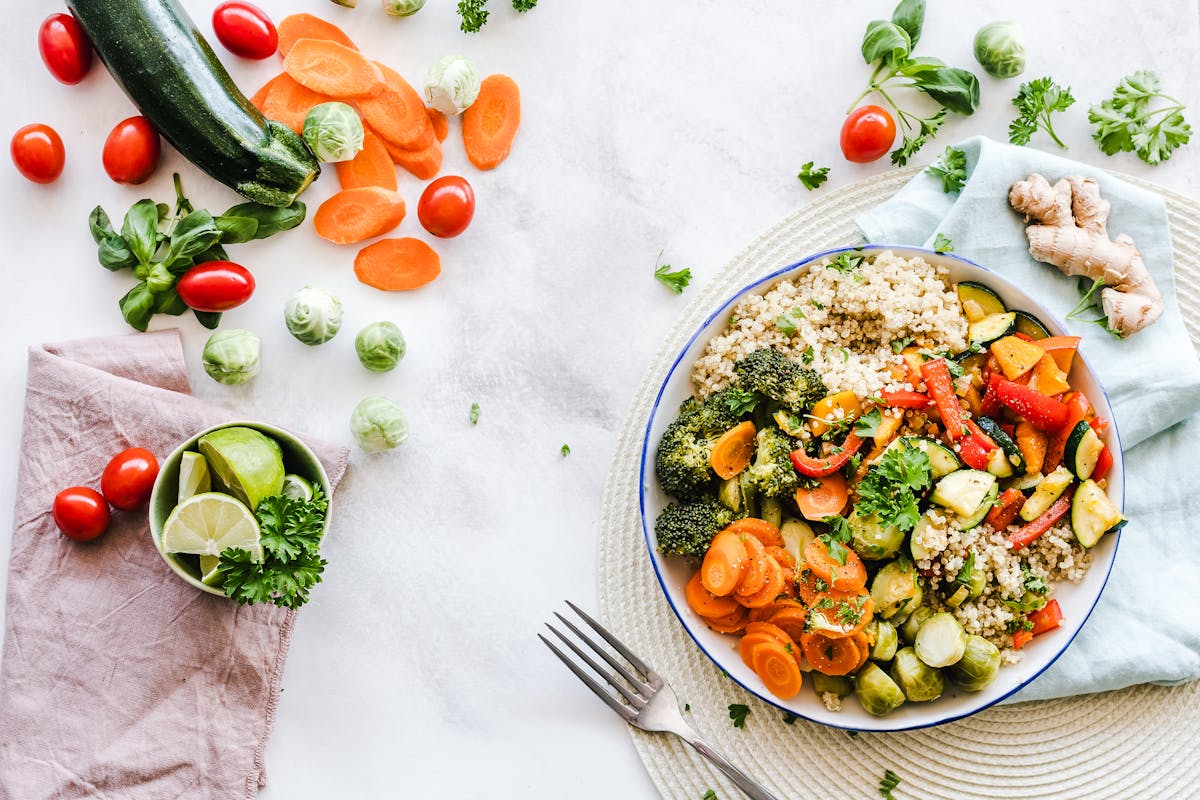

Ingredients & Equipment
Ingredients
For the Mediterranean 2.0 chickpea & vegetable skillet:
- 2 tablespoons extra‑virgin olive oil
- 1 medium yellow onion, finely chopped
- 3 cloves garlic, minced
- 1 medium red bell pepper, diced
- 1 small zucchini, halved lengthwise and sliced
- 1 small eggplant (about 250 g), cut into 1.5 cm cubes (optional but lovely)
- 1 teaspoon smoked paprika
- 1 teaspoon dried oregano
- 1/2 teaspoon ground cumin
- 1/4–1/2 teaspoon chili flakes (optional, to taste)
- 1 can (400 g) crushed or diced tomatoes, unsalted if possible
- 2 cans (400 g each) chickpeas, drained and rinsed
- 120 ml (1/2 cup) low‑sodium vegetable broth or water
- 1 large handful baby spinach or chopped kale
- Juice of 1 lemon, plus extra wedges for serving
- Salt and freshly ground black pepper, to taste
- 2 tablespoons chopped fresh parsley or basil, for garnish
- 2 tablespoons toasted pine nuts or chopped almonds (optional, for crunch and healthy fats)
Equipment
- Large, heavy‑bottomed skillet or sauté pan with lid
- Cutting board and sharp chef’s knife
- Wooden spoon or heat‑safe spatula
- Measuring spoons and cups
- Small pan for toasting nuts (optional)
Step‑by‑Step Cooking Instructions
This skillet is wonderfully forgiving—perfect for all skill levels. Follow the steps, and feel free to taste and adjust as you go.
- Prep your vegetables.
Rinse and chop the onion, garlic, bell pepper, zucchini, and eggplant (if using). Rinse and drain the chickpeas. Having everything ready makes cooking smooth and relaxed. - Sweat the aromatics.
Warm the olive oil in your skillet over medium heat. Add the chopped onion and a pinch of salt. Cook for 5–7 minutes, stirring occasionally, until the onion turns translucent and sweet‑smelling, just beginning to caramelize at the edges. - Add garlic and spices.
Stir in the garlic, smoked paprika, oregano, cumin, and chili flakes (if using). Cook for 30–60 seconds, just until fragrant. The kitchen should fill with a warm, savory aroma—avoid browning the garlic. - Soften the vegetables.
Add the bell pepper, zucchini, and eggplant to the pan. Sprinkle with another small pinch of salt. Cook for 6–8 minutes, stirring occasionally, until the vegetables soften and pick up a bit of color. You’re building flavor and gentle sweetness here. - Simmer with tomatoes and broth.
Pour in the crushed tomatoes and vegetable broth. Stir well, scraping up any browned bits from the bottom of the pan. Bring to a gentle simmer, then reduce the heat to medium‑low. Let it bubble softly for 5–7 minutes, uncovered, until slightly thickened. - Add chickpeas and wilt the greens.
Tip in the chickpeas and stir to coat them in the sauce. Simmer for another 5 minutes so the flavors can mingle. Then fold in the spinach or kale and cook just until wilted and a vibrant green, 1–2 minutes. - Finish with lemon and herbs.
Turn off the heat. Stir in the lemon juice, then taste and adjust seasoning with salt, pepper, or more lemon as needed. Scatter fresh parsley or basil over the top. - Add crunch (optional) and serve.
If using nuts, lightly toast pine nuts or chopped almonds in a dry pan over medium heat until golden and fragrant, 2–3 minutes, then sprinkle over the skillet. Serve warm, with extra lemon wedges on the side.



Variations, Substitutions & Dietary Adaptations
Protein Variations
- Other legumes: Use white beans, cannellini, or lentils instead of chickpeas.
- Fish add‑in: For pescatarians, gently fold in cooked, flaked white fish or salmon at the end.
- Tofu or tempeh: Pan‑sear cubes in olive oil and add for extra protein.
Vegetable Swaps
- Use broccoli, green beans, or fennel instead of or in addition to zucchini and eggplant.
- In winter, swap for carrots, cabbage, or winter squash (note: squash is a bit sweeter—balance with extra greens).
Dietary Needs
- Vegan: The recipe is naturally vegan as written.
- Gluten‑free: Serve with quinoa, brown rice, or gluten‑free whole‑grain bread.
- Lower‑carb emphasis: Skip starchy sides and add extra non‑starchy vegetables and leafy greens.
- Low‑sodium focus: Choose no‑salt‑added tomatoes and broth, then salt lightly at the end to taste.
Serving Ideas & Complementary Dishes
To build a balanced Mediterranean 2.0 plate, surround your skillet with simple sides that echo the same principles.
- Whole‑grain base: Spoon over barley, farro, quinoa, or a small slice of whole‑grain sourdough.
- Green salad starter: A crisp salad of mixed leaves, cucumber, and herbs with lemon‑olive oil dressing (eat this first for a fiber‑forward, glucose‑friendly order).
- Fermented dairy: Add a spoonful of plain yogurt or kefir on the side for creaminess and extra protein.
- Finishing touches: Extra virgin olive oil drizzle, fresh herbs, lemon zest, and a pinch of flaky salt right before serving.
Storage, Meal Prep & Reheating Tips
This chickpea skillet is a meal‑prep hero. It tastes even better the next day as the flavors deepen.
- Fridge: Store in an airtight container for up to 4 days.
- Freezer: Freeze in portions for up to 2–3 months. Thaw overnight in the fridge before reheating.
- Stovetop reheat: Warm gently in a covered pan over low‑medium heat with a splash of water or broth, stirring occasionally.
- Microwave: Reheat in a microwave‑safe dish, covered, using short intervals and stirring in between.
- Freshen it up: Add a squeeze of lemon, a drizzle of olive oil, and a handful of chopped herbs just before serving to wake up the flavors.
Key Mediterranean 2.0 Principles to Take into Your Week
As you experiment with Mediterranean 2.0 in your own kitchen, these simple guidelines can keep you aligned with its glucose‑friendly, longevity‑focused spirit:
- Base your meals on vegetables, beans, and whole grains.
- Use extra‑virgin olive oil and nuts or seeds as primary fats.
- Include a source of protein and healthy fat anytime you eat carbohydrates.
- Choose intact or minimally processed whole grains over refined flours.
- Enjoy fish and fermented dairy in moderation; keep red meat and sweets occasional.
- Eat in a way that feels pleasurable, flexible, and sustainable—no perfection required.
Let this chickpea skillet be a starting point. With each colorful, olive‑oil‑kissed meal, you’re not just cooking dinner—you’re quietly investing in steadier energy, a calmer relationship with food, and a way of eating that could carry you gracefully through the decades.
